
Energy grid volatility refers to the fluctuations in the supply and demand of electricity that can lead to instability in power systems. This phenomenon is influenced by various factors, including changes in energy consumption patterns, the integration of renewable energy sources, and external environmental conditions. As societies become increasingly reliant on electricity for daily activities, understanding the dynamics of energy grid volatility has become paramount.
The complexity of modern energy grids, which often incorporate a mix of traditional fossil fuels and renewable sources, adds layers of unpredictability to energy supply. The volatility of energy grids can manifest in several ways, including price spikes, blackouts, and reduced reliability. These fluctuations can be particularly pronounced during peak demand periods or when unexpected outages occur.
As energy consumption continues to rise, driven by technological advancements and population growth, the need for a stable and resilient energy grid becomes more critical. Stakeholders, including utility companies, policymakers, and consumers, must work collaboratively to address the challenges posed by grid volatility and ensure a reliable energy supply for all.
Key Takeaways
- Climate change intensifies energy grid volatility through extreme weather and shifting demand patterns.
- Integrating renewable energy sources is crucial but requires advanced grid management to maintain stability.
- Energy storage technologies play a key role in buffering fluctuations and enhancing grid resilience.
- Policy, regulatory frameworks, and international cooperation are essential to address climate-related grid challenges.
- Technological innovation and community engagement are vital for adapting energy systems to future climate impacts.
The Impact of Climate Change on Energy Grids
Climate change has emerged as a significant factor influencing the stability and reliability of energy grids worldwide. Rising global temperatures and shifting weather patterns can lead to increased demand for electricity, particularly during extreme heat events when air conditioning usage surges. Additionally, climate change can exacerbate the frequency and intensity of severe weather events, such as hurricanes, floods, and wildfires, which can disrupt power generation and distribution systems.
As a result, energy grids must adapt to these changing conditions to maintain their functionality. Moreover, the transition to renewable energy sources, while essential for reducing greenhouse gas emissions, introduces its own set of challenges. Solar and wind energy generation is inherently variable, dependent on weather conditions that can change rapidly.
This variability can create difficulties in balancing supply and demand on the grid. As climate change continues to impact weather patterns, the integration of renewables into the energy mix will require innovative solutions to ensure grid stability and reliability.
Renewable Energy Integration and Grid Stability
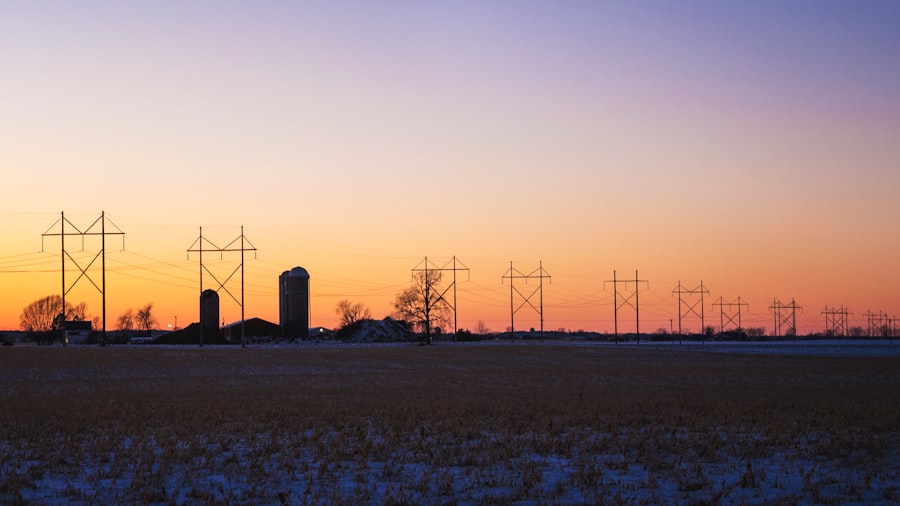
The integration of renewable energy sources into existing energy grids presents both opportunities and challenges for grid stability. On one hand, renewables such as solar and wind power offer a sustainable alternative to fossil fuels, contributing to reduced carbon emissions and a cleaner environment. On the other hand, their intermittent nature can lead to fluctuations in power supply that complicate grid management.
To achieve a stable energy supply while integrating renewables, grid operators must develop advanced forecasting techniques and real-time monitoring systems. These tools can help predict energy generation from renewable sources based on weather patterns and adjust demand accordingly.
Additionally, enhancing grid infrastructure to accommodate distributed energy resources—such as rooftop solar panels—can improve resilience and flexibility. By investing in smart grid technologies that facilitate communication between producers and consumers, stakeholders can better manage the complexities associated with renewable energy integration.
Extreme Weather Events and Grid Resilience
Extreme weather events pose significant threats to the resilience of energy grids. Hurricanes, ice storms, and heavy rainfall can damage infrastructure, disrupt power generation, and lead to widespread outages. The increasing frequency of such events due to climate change necessitates a reevaluation of how energy grids are designed and maintained.
Building resilience into the grid is essential for minimizing disruptions and ensuring that communities have access to reliable electricity during emergencies. To enhance grid resilience against extreme weather events, utilities are exploring various strategies. These include hardening infrastructure through improved materials and design standards, implementing advanced monitoring systems to detect vulnerabilities, and developing emergency response plans that prioritize rapid restoration of service.
Additionally, investing in decentralized energy systems—such as microgrids—can provide communities with localized power sources that remain operational even when the main grid is compromised. By prioritizing resilience in grid planning and operations, stakeholders can better prepare for the challenges posed by extreme weather.
The Role of Energy Storage in Mitigating Grid Volatility
| Metric | Description | Impact on Energy Grid | Climate-Related Factors | Measurement Units |
|---|---|---|---|---|
| Frequency of Power Outages | Number of times the grid experiences outages | Indicates grid reliability and stability | Extreme weather events, storms, heatwaves | Events per year |
| Voltage Fluctuations | Variability in voltage levels supplied | Can damage equipment and reduce efficiency | Temperature extremes, wind variability | Volts (V) |
| Renewable Energy Penetration | Percentage of energy from renewable sources | Increases grid variability due to intermittent supply | Solar irradiance, wind speed variability | Percentage (%) |
| Grid Frequency Stability | Consistency of grid frequency around nominal value | Critical for synchronous operation of grid | Load changes due to temperature-driven demand | Hertz (Hz) |
| Peak Demand Variability | Fluctuations in maximum power demand | Challenges grid capacity and planning | Heatwaves, cold spells affecting heating/cooling | Megawatts (MW) |
| Grid Resilience Index | Composite score of grid’s ability to withstand disruptions | Measures robustness against climate impacts | Frequency and severity of climate events | Index (0-100) |
Energy storage technologies play a crucial role in mitigating grid volatility by providing a buffer between supply and demand. These systems allow excess energy generated during periods of low demand or high renewable output to be stored for later use when demand peaks or generation falls short. By enabling greater flexibility in energy management, storage solutions can help stabilize the grid and reduce reliance on fossil fuel-based peaker plants that are often used during high-demand periods.
Various forms of energy storage are being developed and deployed across the globe, including lithium-ion batteries, pumped hydro storage, and emerging technologies like flow batteries. Each type has its advantages and limitations depending on factors such as cost, scalability, and response time. As technology advances and costs decrease, the adoption of energy storage systems is expected to grow significantly.
This growth will not only enhance grid stability but also facilitate the continued integration of renewable energy sources into the overall energy mix.
Policy and Regulatory Challenges in Adapting to Climate Impacts
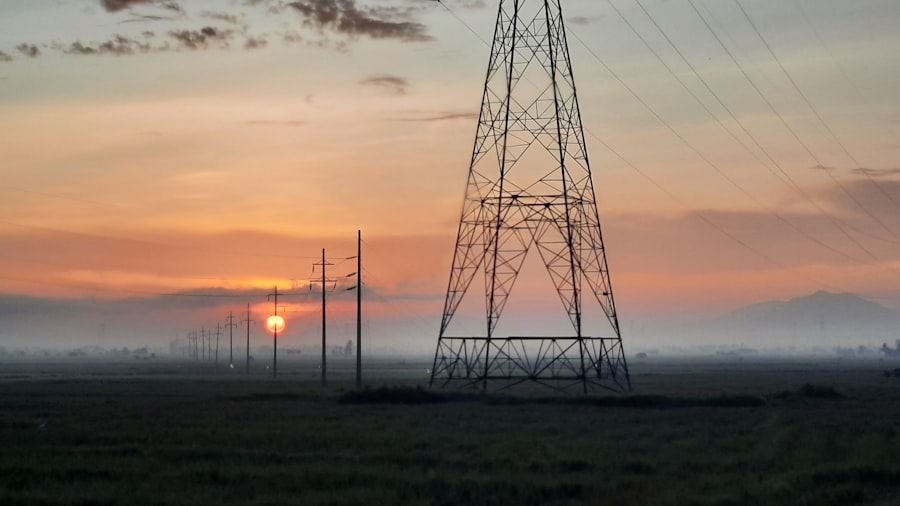
The intersection of climate change impacts and energy grid management presents numerous policy and regulatory challenges that must be addressed to ensure a resilient future. Policymakers face the daunting task of creating frameworks that encourage investment in infrastructure improvements while also promoting sustainable practices. This includes establishing incentives for renewable energy development, supporting research into innovative technologies, and ensuring that regulations keep pace with rapid advancements in the energy sector.
Furthermore, regulatory bodies must navigate complex relationships between various stakeholders—including utility companies, consumers, and environmental organizations—to create policies that balance economic growth with environmental protection. This often requires collaboration across different levels of government and sectors to develop comprehensive strategies that address both immediate needs and long-term sustainability goals. By fostering an environment conducive to innovation and investment in resilient energy systems, policymakers can help mitigate the impacts of climate change on energy grids.
Technological Innovations for Grid Flexibility
Technological innovations are at the forefront of enhancing grid flexibility in response to evolving energy demands and climate challenges. Smart grid technologies are revolutionizing how electricity is generated, distributed, and consumed by enabling real-time communication between various components of the grid. These advancements allow for better monitoring of energy flows, improved demand response capabilities, and enhanced integration of distributed energy resources.
In addition to smart grids, advancements in artificial intelligence (AI) and machine learning are being leveraged to optimize grid operations further. These technologies can analyze vast amounts of data to predict demand patterns, identify potential outages before they occur, and optimize resource allocation across the grid. As these innovations continue to develop, they hold the potential to create more resilient and adaptable energy systems capable of responding effectively to both routine fluctuations and extreme events.
Economic Implications of Energy Grid Volatility
The economic implications of energy grid volatility are far-reaching, affecting not only utility companies but also consumers and businesses alike. Fluctuations in electricity prices can lead to increased operational costs for industries reliant on consistent power supply, potentially impacting their competitiveness in global markets. For consumers, price spikes can strain household budgets, particularly for low-income families who may already be vulnerable to economic shocks.
Moreover, the costs associated with outages—ranging from lost productivity to damage from power surges—can have significant economic repercussions at both local and national levels. As such, investing in infrastructure improvements and innovative technologies that enhance grid stability is not merely an environmental imperative but also an economic necessity. By prioritizing resilience in energy systems, stakeholders can help mitigate these economic risks while fostering a more sustainable future.
Community and Social Resilience in the Face of Grid Instability
Community resilience plays a vital role in addressing the challenges posed by energy grid instability. Local communities often bear the brunt of power outages or fluctuations in service quality; therefore, fostering social resilience is essential for ensuring that residents can adapt to these disruptions effectively. This involves not only improving infrastructure but also building social networks that empower individuals to support one another during crises.
Community engagement initiatives can help raise awareness about energy conservation practices and encourage participation in local renewable energy projects. By fostering a sense of ownership over local energy resources—such as community solar programs—residents can become more invested in maintaining a stable power supply. Additionally, education programs focused on emergency preparedness can equip individuals with the knowledge needed to navigate outages or other disruptions effectively.
International Cooperation in Addressing Climate-Related Grid Challenges
Addressing climate-related challenges affecting energy grids requires international cooperation on multiple fronts. Climate change knows no borders; therefore, countries must work together to share knowledge, resources, and best practices for building resilient energy systems. Collaborative efforts can lead to innovative solutions that benefit all parties involved while promoting global sustainability goals.
International organizations play a crucial role in facilitating this cooperation by providing platforms for dialogue among nations facing similar challenges. Initiatives such as cross-border electricity trading agreements can enhance grid stability by allowing countries to share resources during peak demand periods or emergencies. By fostering collaboration at both governmental and non-governmental levels, stakeholders can develop comprehensive strategies that address climate impacts on energy grids while promoting global resilience.
Future Outlook: Adapting to a Changing Climate and Energy Landscape
The future outlook for energy grids amidst a changing climate is one characterized by both challenges and opportunities. As climate change continues to impact weather patterns and increase the frequency of extreme events, stakeholders must remain vigilant in adapting their strategies for managing electricity supply and demand. This will require ongoing investment in infrastructure improvements, technological innovations, and community engagement initiatives aimed at enhancing resilience.
Moreover, as societies transition towards more sustainable energy sources, there will be an increasing need for flexible solutions that accommodate variable generation patterns while ensuring reliability. The integration of advanced technologies such as AI-driven analytics and decentralized energy systems will be critical in achieving this goal. By embracing these changes proactively rather than reactively, stakeholders can create a more resilient energy landscape capable of withstanding the impacts of climate change while supporting economic growth and social well-being for generations to come.
The increasing volatility of energy grids due to climate impacts is a pressing issue that requires urgent attention. For a deeper understanding of how these changes affect energy systems and what measures can be taken to mitigate their effects, you can read the related article on this topic at MyGeoQuest. This resource provides valuable insights into the challenges and potential solutions for maintaining grid stability in the face of climate change.
WATCH THIS! The $10 Trillion Secret: What Happens If The Strait of Gibraltar Closes For Good
FAQs
What is energy grid volatility?
Energy grid volatility refers to fluctuations in the supply and demand of electricity on the power grid, which can cause instability in energy delivery. This volatility can result from variable energy sources, sudden changes in consumption, or unexpected outages.
How does climate change impact energy grid volatility?
Climate change affects energy grid volatility by increasing the frequency and severity of extreme weather events such as heatwaves, storms, and droughts. These events can disrupt energy production and transmission, leading to greater instability in the grid.
What are the main sources of energy grid volatility related to climate impacts?
The main sources include increased reliance on renewable energy sources like solar and wind, which are weather-dependent, and climate-induced disruptions such as wildfires, floods, and hurricanes that damage infrastructure and reduce energy availability.
Why is managing energy grid volatility important?
Managing energy grid volatility is crucial to ensure a reliable and continuous supply of electricity, prevent blackouts, and maintain the stability of the power system, especially as climate impacts increase the unpredictability of energy supply and demand.
What strategies are used to reduce energy grid volatility caused by climate impacts?
Strategies include diversifying energy sources, improving grid infrastructure resilience, implementing energy storage solutions, enhancing demand response programs, and integrating advanced forecasting and grid management technologies.
How do renewable energy sources contribute to energy grid volatility?
Renewable energy sources like wind and solar are intermittent and dependent on weather conditions, which can cause fluctuations in energy generation and contribute to grid volatility if not properly managed.
Can energy storage help mitigate grid volatility?
Yes, energy storage systems such as batteries can store excess energy during periods of high generation and release it during low generation or high demand, helping to balance supply and demand and reduce grid volatility.
What role does climate adaptation play in energy grid management?
Climate adaptation involves modifying grid infrastructure and operational practices to withstand climate-related stresses, thereby reducing the risk of outages and improving the grid’s ability to handle volatility caused by climate impacts.
Are there any policy measures addressing energy grid volatility and climate impacts?
Many governments and regulatory bodies are implementing policies to promote grid modernization, renewable integration, energy storage deployment, and climate resilience to address energy grid volatility linked to climate change.
How does energy grid volatility affect consumers?
Energy grid volatility can lead to power outages, fluctuating electricity prices, and reduced reliability of energy supply, which can impact households, businesses, and critical services.