
The Mediterranean Sea, often referred to as the cradle of civilization, has long been a focal point of geopolitical interest due to its strategic location connecting Europe, Africa, and Asia. This region has witnessed a complex interplay of cultures, economies, and political dynamics throughout history. In recent years, the Mediterranean has become a significant arena for migration, with thousands of individuals seeking refuge or better opportunities.
The geopolitical implications of this migration are profound, affecting not only the countries directly involved but also the broader international community. As nations grapple with the challenges posed by migration, the Mediterranean serves as a microcosm of global issues related to human movement, security, and cooperation. The dynamics of Mediterranean geopolitics are shaped by various factors, including historical ties, economic interests, and security concerns.
The region’s diverse political landscape complicates the management of migration flows, as countries have differing capacities and willingness to accept migrants. Additionally, the rise of populism and nationalism in several Mediterranean nations has further strained the discourse surrounding migration. Understanding these complexities is essential for addressing the ongoing challenges and opportunities that arise from migration in this historically rich and strategically vital region.
Key Takeaways
- The Mediterranean region is a critical geopolitical hotspot shaped by complex migration routes and historical patterns.
- Migration trends have intensified, impacting the social, economic, and political landscapes of Mediterranean countries.
- Geopolitical conflicts arise from migration pressures, requiring coordinated international responses and cooperation.
- Humanitarian concerns and security challenges are central to managing migration flows, with NGOs playing a vital support role.
- Future management of Mediterranean migration demands balancing humanitarian needs, security, and geopolitical interests.
Historical Context of Migration Routes in the Mediterranean
Migration across the Mediterranean is not a new phenomenon; it has been occurring for centuries. Historically, the sea served as a conduit for trade, cultural exchange, and human movement. The ancient Greeks and Romans established trade routes that facilitated the movement of people and goods, laying the groundwork for future migrations.
Over time, various empires and nations have utilized these routes for conquest, colonization, and exploration, leading to a rich tapestry of cultural interactions that continue to influence the region today. In more recent history, the Mediterranean has been a site of significant migration waves due to political upheaval, economic hardship, and conflict. The aftermath of World War II saw a surge in migration as people sought refuge from war-torn countries.
The decolonization period in the mid-20th century also contributed to shifts in migration patterns as former colonies gained independence and their citizens sought opportunities abroad. These historical migrations have established enduring connections between countries in the Mediterranean basin, creating networks that persist even in contemporary times.
Current Migration Patterns and Trends
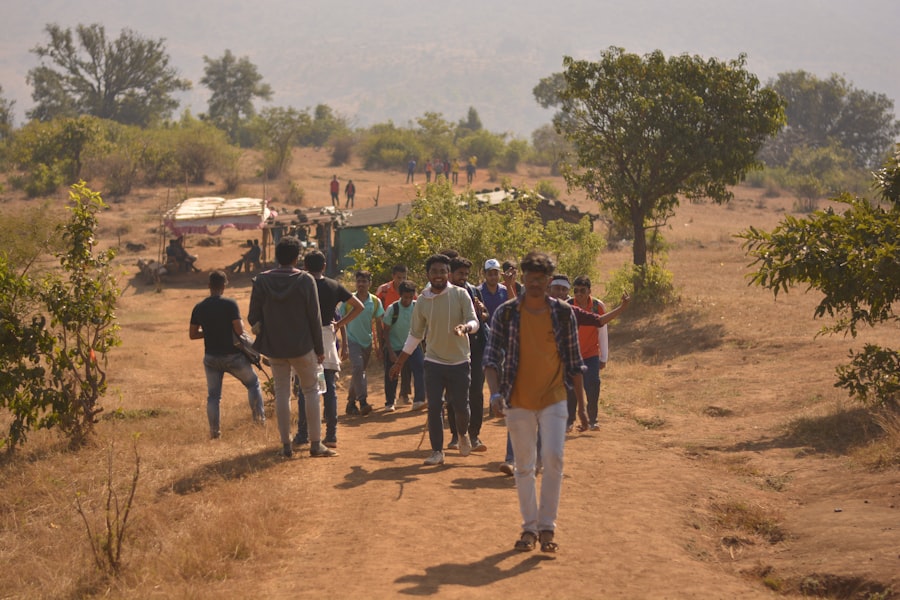
Today, migration patterns in the Mediterranean are characterized by a mix of voluntary and forced movements. Individuals fleeing conflict zones such as Syria, Afghanistan, and Libya often embark on perilous journeys across the sea in search of safety and stability. The rise of smuggling networks has further complicated these patterns, as desperate migrants turn to traffickers who exploit their vulnerabilities.
The central Mediterranean route, which connects North Africa to Italy, has become one of the deadliest migration paths in the world, with thousands perishing each year while attempting to cross. In addition to those fleeing conflict, economic migrants from sub-Saharan Africa and other regions are increasingly drawn to Europe’s shores in search of better livelihoods. The allure of economic opportunities in European countries contrasts sharply with the harsh realities faced by many in their home countries.
As a result, migration trends are influenced not only by immediate crises but also by long-standing economic disparities and social factors that drive individuals to seek a better life elsewhere.
Impact of Migration on Mediterranean Countries
The impact of migration on Mediterranean countries is multifaceted, encompassing economic, social, and political dimensions. On one hand, migrants contribute significantly to the economies of host countries by filling labor shortages in various sectors such as agriculture, construction, and services. Their presence can stimulate local economies and foster cultural diversity.
However, this influx can also strain public services and resources, leading to tensions between local populations and newcomers. Socially, migration can enrich communities through cultural exchange but can also lead to challenges related to integration and social cohesion. In some cases, rising anti-immigrant sentiment has resulted in xenophobia and discrimination against migrants.
Political leaders often face pressure to address these concerns while balancing humanitarian obligations. The challenge lies in finding effective policies that promote integration while addressing the legitimate concerns of local populations regarding resources and security.
Geopolitical Challenges and Conflicts Related to Migration
| Migration Route | Origin Countries | Destination Countries | Estimated Annual Migrant Flow | Key Geopolitical Issues | Major Challenges |
|---|---|---|---|---|---|
| Central Mediterranean Route | Libya, Tunisia, Algeria | Italy, Malta | ~30,000 – 50,000 | Libyan instability, EU border control, human trafficking | Smuggling networks, dangerous sea crossings, detention centers |
| Western Mediterranean Route | Morocco, Algeria | Spain (Ceuta, Melilla, mainland) | ~20,000 – 40,000 | Spain-Morocco relations, border security, EU external borders | Border fence breaches, irregular crossings, integration issues |
| Eastern Mediterranean Route | Syria, Turkey, Iraq, Afghanistan | Greece, Cyprus | ~50,000 – 70,000 | Turkey-EU relations, refugee camps, EU-Turkey deal | Overcrowded camps, pushbacks, asylum processing delays |
| Western African Route | Senegal, Mali, Niger | Spain, Canary Islands | ~10,000 – 15,000 | Transit country cooperation, maritime patrols | Long desert journeys, maritime risks, legal status |
The geopolitical landscape surrounding migration in the Mediterranean is fraught with challenges and conflicts. Countries along the migration routes often find themselves at odds over how to manage incoming flows. For instance, Italy and Greece have frequently expressed frustration over what they perceive as an unequal burden-sharing arrangement within the European Union (EU).
This has led to tensions between member states regarding responsibility for asylum seekers and migrants. Moreover, external factors such as conflicts in neighboring regions exacerbate these challenges. The ongoing civil war in Syria has resulted in millions of displaced individuals seeking refuge in Europe, placing additional pressure on Mediterranean countries.
The involvement of various international actors further complicates the situation; geopolitical interests often overshadow humanitarian considerations, leading to policies that prioritize border security over migrant welfare.
International Responses and Cooperation in Managing Migration
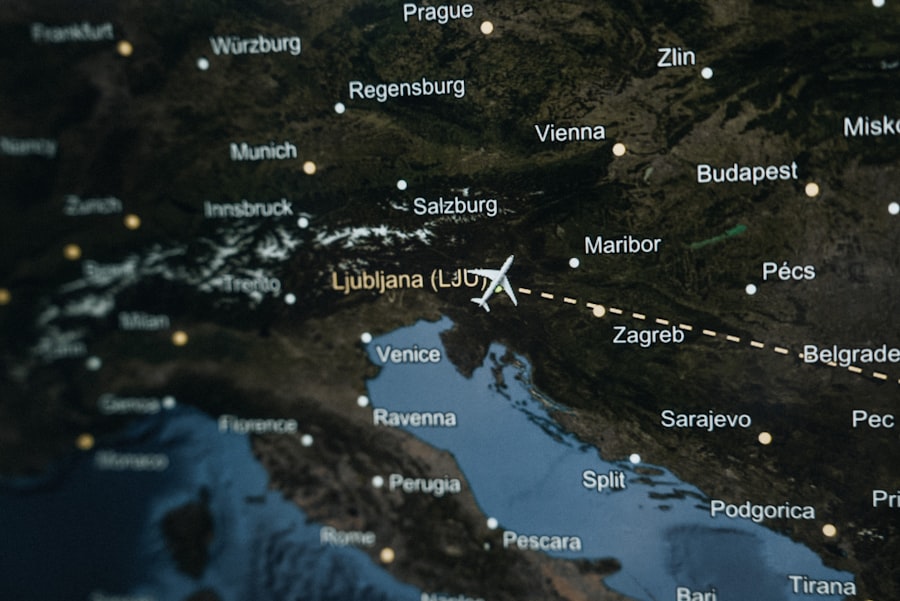
In response to the growing challenges posed by migration in the Mediterranean, international cooperation has become increasingly vital. The EU has implemented various policies aimed at managing migration flows while ensuring the protection of human rights. Initiatives such as the EU-Turkey deal sought to curb irregular migration by providing financial support to Turkey in exchange for preventing migrants from reaching Europe.
However, these measures have faced criticism for their effectiveness and ethical implications. Critics argue that such agreements often prioritize border control over humanitarian needs, leading to dire conditions for migrants stranded in transit countries. Furthermore, cooperation among Mediterranean nations remains inconsistent; while some countries advocate for shared responsibility, others adopt more isolationist approaches that hinder collective action.
Humanitarian and Security Concerns in Mediterranean Migration Routes
The humanitarian crisis unfolding along Mediterranean migration routes raises significant concerns for both migrants and host countries. Many individuals embarking on these treacherous journeys face life-threatening conditions at sea, with inadequate access to food, water, and medical care. Reports of human rights abuses by smugglers and authorities further highlight the vulnerabilities faced by migrants during their journeys.
Security concerns also loom large in discussions about migration. Governments often cite national security as a justification for stringent border controls and surveillance measures. However, this focus on security can overshadow humanitarian considerations and lead to policies that endanger lives rather than protect them.
Striking a balance between ensuring security and upholding human rights remains a critical challenge for policymakers in the region.
Role of Non-Governmental Organizations in Assisting Migrants
Non-governmental organizations (NGOs) play a crucial role in providing assistance to migrants navigating the complexities of Mediterranean routes. These organizations often step in where governments fall short, offering essential services such as food distribution, medical care, legal assistance, and psychological support. Their work is vital in addressing immediate needs while advocating for broader systemic changes to improve conditions for migrants.
NGOs also serve as watchdogs, documenting human rights abuses and raising awareness about the plight of migrants. Their advocacy efforts can influence public opinion and policy decisions at both national and international levels. However, NGOs often face significant challenges themselves, including funding constraints and hostility from governments that view their activities as undermining border control efforts.
Economic and Social Implications of Migration in Mediterranean Countries
The economic implications of migration in Mediterranean countries are complex and multifaceted. While migrants contribute to labor markets and economic growth, their presence can also lead to competition for jobs among local populations. This competition can exacerbate existing social tensions and contribute to anti-immigrant sentiment if not managed effectively.
Successful integration requires investment in education, language training, and community engagement initiatives that foster understanding between migrants and locals. Failure to address these social dynamics can result in marginalization and social unrest.
Future Prospects and Challenges for Managing Mediterranean Migration Routes
Looking ahead, managing migration routes in the Mediterranean will require innovative solutions that address both immediate needs and long-term challenges. Policymakers must prioritize comprehensive approaches that consider the root causes of migration while ensuring the protection of human rights. This includes addressing issues such as poverty, conflict resolution, and climate change—factors that drive individuals to leave their homes.
Furthermore, fostering cooperation among Mediterranean nations will be essential for developing effective policies that balance humanitarian obligations with security concerns. Engaging with local communities to promote understanding and acceptance will also be crucial for successful integration efforts. As global migration patterns continue to evolve, proactive strategies will be necessary to navigate the complexities of Mediterranean geopolitics.
Navigating the Complex Geopolitics of Mediterranean Migration
The geopolitics of migration in the Mediterranean is a multifaceted issue that requires careful consideration of historical contexts, current trends, and future implications.
The role of international cooperation cannot be overstated; collaborative efforts among Mediterranean countries will be vital for developing effective policies that benefit both migrants and host communities.
Ultimately, navigating the complex geopolitics of Mediterranean migration demands a commitment to understanding the diverse factors at play—economic disparities, political conflicts, humanitarian needs—and finding solutions that reflect shared values of compassion and cooperation. As history has shown, the Mediterranean is not just a geographical space; it is a dynamic arena where human stories unfold against a backdrop of geopolitical interests. Addressing these challenges will require empathy, innovation, and a willingness to engage with one another across borders for a more just future.
Migration routes across the Mediterranean have become a focal point in contemporary geopolitics, influencing not only regional stability but also international relations. For a deeper understanding of the complexities surrounding these migration patterns, you can read the article on this topic at this link. This article delves into the various factors driving migration and the geopolitical implications for countries involved.
WATCH THIS! The $10 Trillion Secret: What Happens If The Strait of Gibraltar Closes For Good
FAQs
What are the main migration routes across the Mediterranean?
The primary migration routes across the Mediterranean include the Central Mediterranean route from North Africa (mainly Libya and Tunisia) to Italy, the Western Mediterranean route from Morocco to Spain, and the Eastern Mediterranean route from Turkey to Greece. These routes are commonly used by migrants and refugees seeking to enter Europe.
Why is the Mediterranean region significant in terms of migration?
The Mediterranean region is a critical transit area for migrants and refugees fleeing conflict, poverty, and persecution in Africa, the Middle East, and Asia. It serves as a gateway to Europe, making it a focal point for migration flows and related geopolitical issues.
How does geopolitics influence migration routes in the Mediterranean?
Geopolitical factors such as conflicts, political instability, border controls, and international agreements impact migration routes. Cooperation or tension between countries in North Africa, Europe, and the Middle East can alter migration patterns, affect border security, and influence humanitarian responses.
What challenges do migrants face on Mediterranean migration routes?
Migrants often face dangerous sea crossings, risk of drowning, exploitation by smugglers, detention, and harsh conditions in transit countries. Additionally, restrictive immigration policies and border enforcement can limit safe passage and access to asylum.
How do European countries respond to migration across the Mediterranean?
European countries employ a range of responses including border patrols, search and rescue operations, bilateral agreements with transit countries, asylum processing, and integration programs. Policies vary widely, reflecting differing national interests and political climates.
What role do international organizations play in Mediterranean migration issues?
Organizations such as the United Nations High Commissioner for Refugees (UNHCR), International Organization for Migration (IOM), and the European Union coordinate humanitarian aid, monitor migration flows, support rescue operations, and facilitate cooperation among countries to manage migration effectively.
Has migration through the Mediterranean changed in recent years?
Yes, migration flows have fluctuated due to changing conflict dynamics, border policies, and international cooperation. For example, increased border controls and agreements with transit countries have sometimes reduced crossings, while new conflicts or crises can lead to surges in migration.
What impact does migration have on Mediterranean geopolitics?
Migration influences diplomatic relations, security policies, and economic considerations among Mediterranean countries. It can lead to cooperation or tension over border management, humanitarian responsibilities, and resource allocation, affecting regional stability and international relations.