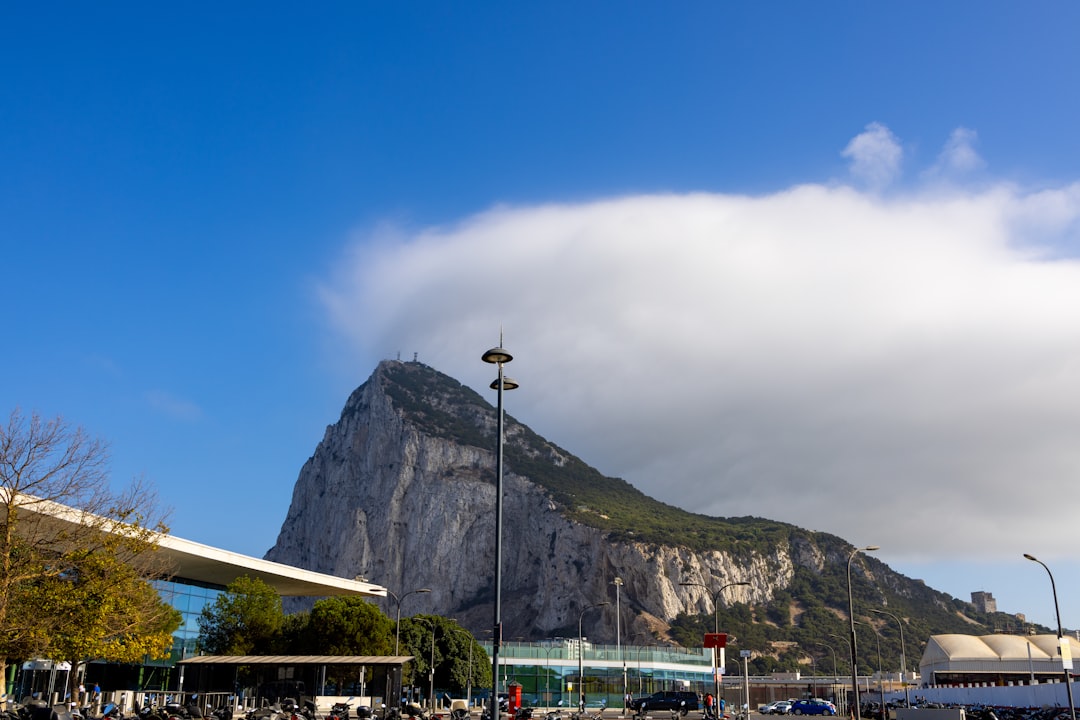
The concept of an undersea tunnel connecting Europe and Africa through the Strait of Gibraltar has long captured the imagination of engineers, politicians, and the public alike. This ambitious project aims to create a direct link between Spain and Morocco, facilitating not only transportation but also fostering economic growth and cultural exchange. The idea of such a tunnel has been discussed for decades, but recent advancements in technology and a growing need for enhanced connectivity have reignited interest in its feasibility.
As global trade continues to expand and the movement of people becomes increasingly vital, the undersea tunnel project stands as a potential game-changer in bridging two continents. The proposed tunnel would span approximately 13 kilometers beneath the surface of the Strait, making it one of the most significant engineering feats in modern history. It promises to revolutionize travel between Europe and Africa, offering an alternative to air travel and ferry services that currently dominate the route.
With the potential to accommodate both rail and road traffic, this undersea connection could significantly reduce travel times and enhance trade routes, ultimately contributing to a more integrated regional economy. As discussions progress, stakeholders are beginning to explore the myriad implications of such a monumental undertaking.
Key Takeaways
- The undersea tunnel project aims to connect the continents across the Strait of Gibraltar, enhancing regional connectivity.
- Significant engineering and environmental challenges must be addressed to ensure safe and sustainable construction.
- The project promises substantial economic benefits by facilitating trade and travel between Europe and Africa.
- International cooperation and diplomatic efforts are crucial for the project’s success and smooth implementation.
- Advanced technological innovations and rigorous safety measures are integral to overcoming construction risks.
Historical Background of the Strait of Gibraltar
The Strait of Gibraltar has served as a crucial maritime passage for centuries, acting as a natural gateway between the Mediterranean Sea and the Atlantic Ocean. Historically, it has been a site of strategic importance, influencing trade routes and military endeavors throughout various epochs. The strait has witnessed countless naval battles and has been a focal point for explorers seeking new territories.
Its significance is not merely geographical; it embodies a rich tapestry of cultural exchanges that have shaped the identities of both Europe and Africa. In ancient times, the Strait was known as the Pillars of Hercules, a term that evokes the legendary tales of Greek mythology. The strait has been a point of convergence for diverse civilizations, from the Phoenicians and Romans to the Moors and Spanish.
Each culture has left its mark on the region, contributing to a complex historical narrative that continues to evolve. The idea of constructing a tunnel beneath this storied waterway is not just about engineering; it is also about recognizing and honoring the historical significance of the area while paving the way for future connections.
Challenges of Building an Undersea Tunnel
Constructing an undersea tunnel presents a myriad of challenges that engineers and planners must navigate. One of the foremost concerns is the geological complexity of the seabed in the Strait of Gibraltar. The region is characterized by varying rock types, fault lines, and seismic activity, which can complicate tunneling efforts.
Engineers must conduct extensive geological surveys to understand these conditions fully and develop strategies to mitigate potential risks during construction. In addition to geological challenges, logistical issues also pose significant hurdles. The construction process would require substantial resources, including skilled labor, advanced machinery, and financial investment.
Coordinating these elements across international borders adds another layer of complexity. Furthermore, environmental regulations and safety standards must be adhered to, necessitating collaboration with various governmental agencies and stakeholders. The multifaceted nature of these challenges underscores the need for innovative solutions and careful planning as the project moves forward.
Environmental Impact and Mitigation Measures
The environmental implications of constructing an undersea tunnel cannot be overlooked. The Strait of Gibraltar is home to diverse marine ecosystems that could be adversely affected by construction activities. Concerns about potential disruptions to local wildlife, including migratory patterns and breeding grounds, have prompted environmentalists to advocate for thorough impact assessments before any construction begins.
It is essential to understand how tunneling might alter water quality, sediment displacement, and marine habitats. To address these concerns, proponents of the tunnel project are exploring various mitigation measures. These may include implementing construction techniques that minimize environmental disruption, such as using tunnel boring machines designed to reduce noise and vibration levels.
Additionally, establishing monitoring programs during construction can help track any adverse effects on marine life and allow for timely interventions if necessary. By prioritizing environmental stewardship alongside engineering goals, stakeholders can work towards a solution that balances development with ecological preservation.
Economic Benefits of Connecting the Strait of Gibraltar
| Metric | Details |
|---|---|
| Project Name | Undersea Tunnel Strait of Gibraltar Project |
| Location | Strait of Gibraltar, connecting Spain and Morocco |
| Length | Approximately 40 kilometers (25 miles) |
| Depth | Maximum depth around 300 meters (984 feet) |
| Type | Undersea rail tunnel |
| Purpose | Rail transport link between Europe and Africa |
| Estimated Construction Time | 10-15 years |
| Expected Capacity | High-speed passenger and freight trains |
| Geological Challenges | Seismic activity, complex rock formations, water pressure |
| Current Status | Feasibility studies and preliminary planning |
The economic advantages of an undersea tunnel connecting Europe and Africa are substantial. By facilitating smoother transportation between these two regions, the tunnel could significantly enhance trade opportunities. Businesses would benefit from reduced shipping times and costs, leading to increased efficiency in supply chains.
This improved connectivity could attract foreign investment and stimulate local economies on both sides of the strait. Moreover, the tunnel could serve as a catalyst for tourism growth. With easier access between Spain and Morocco, travelers may be more inclined to explore both regions, leading to increased revenue for local businesses in hospitality and retail sectors.
The potential for job creation during both the construction phase and subsequent operational phases further underscores the economic promise of this project. As regional economies become more intertwined, the tunnel could play a pivotal role in fostering sustainable growth and development.
Technological Innovations in Undersea Tunnel Construction
Advancements in technology have made undersea tunnel construction more feasible than ever before. Modern engineering techniques allow for precise tunneling methods that minimize risks associated with geological uncertainties. Innovations such as tunnel boring machines (TBMs) equipped with advanced navigation systems enable engineers to excavate with remarkable accuracy while reducing environmental impact.
Additionally, developments in materials science have led to stronger and more durable construction materials that can withstand harsh underwater conditions. These innovations not only enhance safety but also extend the lifespan of infrastructure projects like the proposed tunnel. As technology continues to evolve, it opens up new possibilities for overcoming traditional challenges associated with undersea construction, making ambitious projects like the Gibraltar tunnel increasingly attainable.
International Cooperation and Diplomatic Considerations
The undersea tunnel project necessitates extensive international cooperation between Spain and Morocco, as well as involvement from other stakeholders in Europe and Africa.
Building consensus among various parties can be challenging but is essential for ensuring that all interests are represented.
Furthermore, international cooperation extends beyond mere logistics; it encompasses cultural exchanges and mutual understanding between nations. The tunnel could serve as a symbol of collaboration between Europe and Africa, fostering goodwill and strengthening ties between diverse communities. By prioritizing diplomacy throughout the planning process, stakeholders can create an environment conducive to successful project execution while promoting peace and stability in the region.
Potential Risks and Safety Measures
While the benefits of an undersea tunnel are compelling, potential risks must be carefully considered. Natural disasters such as earthquakes pose significant threats to infrastructure projects in seismically active regions like the Strait of Gibraltar. Engineers must design safety measures that account for these risks, ensuring that the tunnel can withstand seismic events without compromising safety.
In addition to natural hazards, operational safety is paramount once construction is complete. Comprehensive emergency response plans must be developed to address potential incidents within the tunnel itself, such as accidents or fires. Regular safety drills and maintenance checks will be essential in ensuring that both workers during construction and future users are protected from unforeseen circumstances.
By prioritizing safety at every stage of development, stakeholders can build public confidence in the project’s viability.
Social and Cultural Implications of the Undersea Tunnel
The social ramifications of an undersea tunnel connecting Europe and Africa extend far beyond mere transportation logistics. This project has the potential to foster greater cultural exchange between two regions with rich histories and diverse populations. By facilitating easier movement between Spain and Morocco, individuals from both sides may find opportunities for collaboration in arts, education, and business.
Moreover, increased connectivity can help break down stereotypes and promote understanding among different cultures. As people travel more freely across borders, they can share experiences that enrich their perspectives on one another’s traditions and lifestyles. This cultural dialogue can lead to stronger community ties and a sense of shared identity among those living near the strait.
Project Timeline and Milestones
Establishing a comprehensive timeline for the undersea tunnel project is crucial for managing expectations among stakeholders and ensuring accountability throughout each phase of development. Initial feasibility studies are already underway, with experts assessing geological conditions and environmental impacts. Following these assessments, detailed engineering plans will be developed before construction can commence.
These may include completing specific sections of tunneling or reaching predetermined depths beneath the seabed. Regular updates will be essential in keeping stakeholders informed about advancements while addressing any challenges that arise during construction.
A transparent timeline fosters trust among involved parties while demonstrating commitment to delivering on promises made throughout this ambitious endeavor.
Future Prospects and Impact on Regional Connectivity
Looking ahead, the undersea tunnel project holds immense promise for enhancing regional connectivity between Europe and Africa. As global trade continues to evolve in response to changing economic landscapes, this infrastructure could serve as a vital link that supports growth across multiple sectors. Improved transportation options may lead not only to increased trade but also greater collaboration on issues such as climate change mitigation or public health initiatives.
Furthermore, as technological advancements continue to reshape industries worldwide, having robust infrastructure like an undersea tunnel will position both Spain and Morocco favorably within global markets. The potential for innovation-driven partnerships could emerge from this enhanced connectivity—creating opportunities for businesses on both sides while fostering sustainable development practices that benefit local communities. In conclusion, while challenges remain ahead in realizing this ambitious vision for an undersea tunnel connecting Europe with Africa through Gibraltar’s strait; its potential benefits are undeniable—from economic growth opportunities through enhanced trade routes down cultural exchanges fostering mutual understanding among diverse populations—making it an endeavor worth pursuing diligently by all involved parties.
The ambitious undersea tunnel project connecting the Strait of Gibraltar has garnered significant attention due to its potential to revolutionize transportation between Europe and Africa. For a deeper understanding of the geographical implications and engineering challenges associated with this project, you can read more in the related article found here. This article provides insights into the feasibility studies and environmental considerations that are crucial for the successful implementation of such a monumental infrastructure endeavor.
WATCH THIS! The $10 Trillion Secret: What Happens If The Strait of Gibraltar Closes For Good
FAQs
What is the Undersea Tunnel Strait of Gibraltar Project?
The Undersea Tunnel Strait of Gibraltar Project is a proposed engineering initiative to construct a tunnel beneath the Strait of Gibraltar, connecting the southern coast of Spain with the northern coast of Morocco. The tunnel aims to facilitate transportation and trade between Europe and Africa.
Why is the Strait of Gibraltar chosen for this tunnel?
The Strait of Gibraltar is a narrow waterway that separates Europe and Africa, making it a strategic location for a fixed link. The tunnel would provide a direct land connection between the two continents, reducing travel time and enhancing economic integration.
What are the main features of the proposed tunnel?
The tunnel is planned to be an undersea rail tunnel, potentially spanning approximately 14 kilometers (about 9 miles) under the seabed. It would accommodate high-speed trains, enabling efficient passenger and freight transport.
What are the expected benefits of the tunnel?
The tunnel is expected to boost trade, tourism, and cultural exchange between Europe and Africa. It would provide a faster, more reliable alternative to ferry services, reduce transportation costs, and promote regional economic development.
What are the technical challenges involved in building the tunnel?
Key challenges include the depth and geological conditions of the seabed, seismic activity in the region, and the engineering complexity of constructing a long undersea tunnel. Advanced tunneling technology and thorough geological surveys are essential to address these issues.
Has construction of the tunnel started?
As of now, the Undersea Tunnel Strait of Gibraltar Project remains in the planning and feasibility study stages. No construction has begun, and the project requires significant investment, international cooperation, and regulatory approvals.
Which countries are involved in the project?
The primary countries involved are Spain and Morocco, as the tunnel would connect their respective territories. The project also involves collaboration with the European Union and potentially other international stakeholders.
How long would the tunnel take to build?
Estimates vary, but constructing an undersea tunnel of this scale could take between 7 to 10 years, depending on funding, technical challenges, and political support.
What is the estimated cost of the project?
The estimated cost is in the billions of euros, reflecting the complexity and scale of the engineering work required. Precise figures depend on detailed feasibility studies and design plans.
Are there any environmental concerns related to the tunnel?
Environmental concerns include potential impacts on marine ecosystems, water quality, and coastal habitats. Environmental impact assessments are necessary to mitigate negative effects and ensure sustainable development.
How will the tunnel impact existing ferry services?
The tunnel could reduce reliance on ferry services by providing a faster and more reliable transportation option. However, ferries may continue to operate for passengers and freight not served by the tunnel or for tourism purposes.
Is the tunnel expected to support both passenger and freight transport?
Yes, the tunnel is designed to accommodate both passenger trains and freight transport, enhancing the movement of goods and people between Europe and Africa.
What is the significance of the project for Europe and Africa?
The tunnel represents a major infrastructure link that could strengthen economic ties, improve mobility, and foster closer political and cultural relations between the two continents. It is seen as a symbol of cooperation and integration.