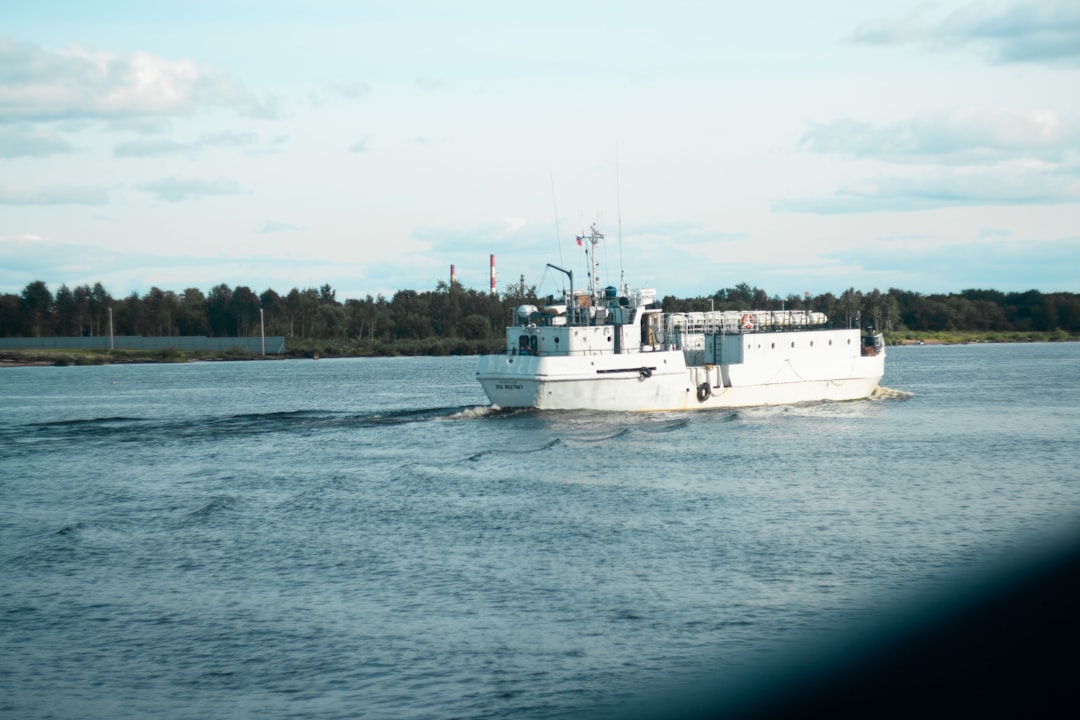
Port State Control (PSC) enforcement serves as a critical mechanism in the maritime industry, ensuring that foreign vessels comply with international regulations while docked in a nation’s ports. This system allows countries to inspect foreign ships to verify their adherence to safety, environmental, and labor standards. The concept of PSC emerged in response to the need for enhanced maritime safety and environmental protection, particularly as global shipping expanded and the number of vessels traversing international waters increased.
By holding ships accountable for their compliance with established norms, port states play a pivotal role in safeguarding not only their own waters but also the broader maritime environment. The enforcement of PSC is not merely a bureaucratic exercise; it is a vital component of global maritime governance. It reflects a collective commitment among nations to uphold standards that protect human life at sea and preserve marine ecosystems.
As the maritime industry continues to evolve, the importance of effective PSC enforcement becomes increasingly apparent. The challenges posed by substandard vessels, illegal fishing practices, and environmental degradation necessitate a robust framework for monitoring and enforcement, making PSC an indispensable element of maritime operations.
Key Takeaways
- Port State Control (PSC) is essential for enforcing maritime safety by inspecting foreign ships in national ports.
- PSC ensures compliance with international maritime regulations and standards to prevent accidents and pollution.
- Effective PSC relies on collaboration, information sharing, and well-trained officers to conduct thorough inspections.
- Technological advancements are enhancing the efficiency and accuracy of PSC enforcement activities.
- Despite challenges, successful PSC enforcement improves maritime safety and is evolving with future trends and innovations.
Importance of Maritime Safety
Maritime safety is paramount in an industry that involves the transportation of goods and people across vast oceans. The risks associated with maritime operations are significant, including potential accidents, oil spills, and loss of life. Ensuring safety at sea is not only a matter of regulatory compliance but also a moral obligation to protect seafarers and the marine environment.
The consequences of neglecting maritime safety can be catastrophic, leading to environmental disasters that affect coastal communities and marine biodiversity. Moreover, the economic implications of maritime safety cannot be overlooked. A safe maritime environment fosters confidence among shipping companies, insurers, and investors.
When vessels operate under stringent safety standards, the likelihood of accidents diminishes, thereby reducing financial losses associated with damages and liabilities. Consequently, the promotion of maritime safety is essential for sustaining the global economy, as it underpins the efficiency and reliability of international trade.
Role of Port State Control in Ensuring Maritime Safety
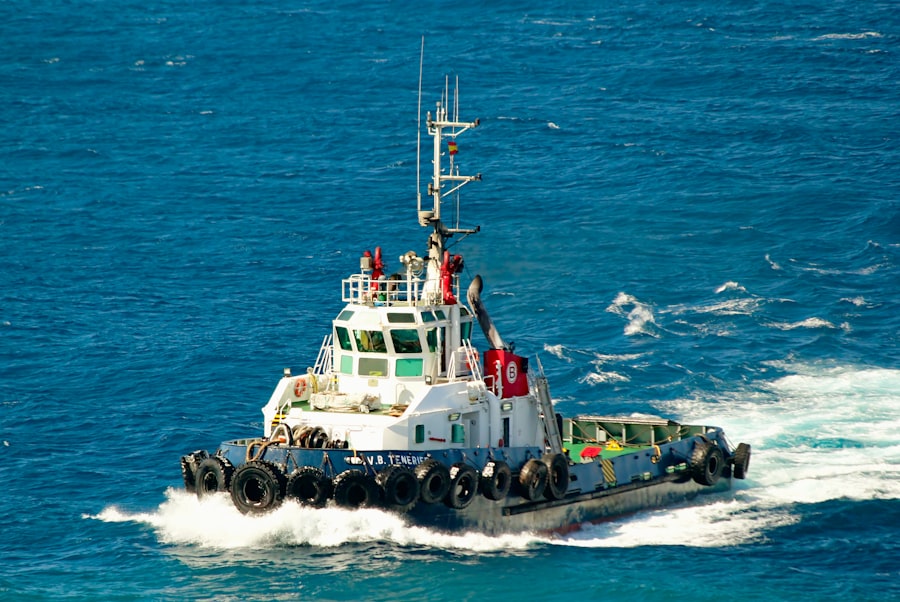
Port State Control plays a crucial role in maintaining maritime safety by conducting inspections that assess compliance with international conventions and regulations. These inspections serve as a deterrent against substandard practices and ensure that vessels meet the necessary safety criteria before they are allowed to operate in national waters. By enforcing compliance, port states contribute to a safer maritime environment, reducing the risk of accidents and environmental harm.
Furthermore, PSC acts as a mechanism for accountability within the shipping industry. When port states identify deficiencies during inspections, they have the authority to take corrective actions, which may include detaining vessels until issues are resolved. This enforcement capability not only protects the interests of the port state but also promotes a culture of safety within the global shipping community.
As such, PSC serves as both a regulatory tool and a means of fostering cooperation among nations to uphold maritime safety standards.
International Regulations and Standards for Port State Control
The framework for Port State Control is grounded in various international regulations and standards established by organizations such as the International Maritime Organization (IMO) and regional agreements like the Paris Memorandum of Understanding (MoU). These regulations outline the responsibilities of port states in inspecting foreign vessels and provide guidelines for conducting inspections effectively.
Compliance with these international standards is essential for maintaining uniformity in PSC enforcement across different jurisdictions. By adhering to established guidelines, port states can ensure that inspections are conducted fairly and consistently, thereby enhancing the credibility of the PSC system. Additionally, these regulations facilitate cooperation among nations by providing a common framework for addressing maritime safety issues, ultimately contributing to safer seas worldwide.
Types of Inspections and Enforcement Measures
| Metric | Description | Value | Unit | Year |
|---|---|---|---|---|
| Number of Inspections | Total number of port state control inspections conducted | 12,500 | Inspections | 2023 |
| Detentions | Number of ships detained due to deficiencies | 850 | Ships | 2023 |
| Detention Rate | Percentage of inspected ships detained | 6.8 | % | 2023 |
| Top Deficiency Categories | Most common reasons for detentions | Safety Equipment, Fire Safety, Pollution Prevention | Categories | 2023 |
| Average Inspection Duration | Average time taken per inspection | 3.5 | Hours | 2023 |
| Port State Control Regions | Number of regional agreements for PSC enforcement | 9 | Regions | 2023 |
| Ships Inspected by Region | Breakdown of inspections by region | Europe: 5,000; Asia-Pacific: 4,000; Americas: 3,500 | Ships | 2023 |
Port State Control inspections can be categorized into several types, each serving distinct purposes in ensuring compliance with maritime regulations. The most common type is the initial inspection, which occurs when a vessel first arrives at a port. During this inspection, port state officers assess various aspects of the ship’s operation, including safety equipment, crew qualifications, and adherence to environmental regulations.
If deficiencies are identified, follow-up inspections may be conducted to verify that corrective actions have been implemented. In addition to routine inspections, port states may also conduct targeted inspections based on risk assessments or intelligence reports regarding specific vessels or operators. These targeted inspections allow port authorities to focus their resources on high-risk ships that may pose a greater threat to safety or environmental integrity.
Enforcement measures can range from issuing warnings and fines to detaining vessels until compliance is achieved. Such measures underscore the seriousness with which port states approach their responsibilities in maintaining maritime safety.
Collaboration and Information Sharing among Port States
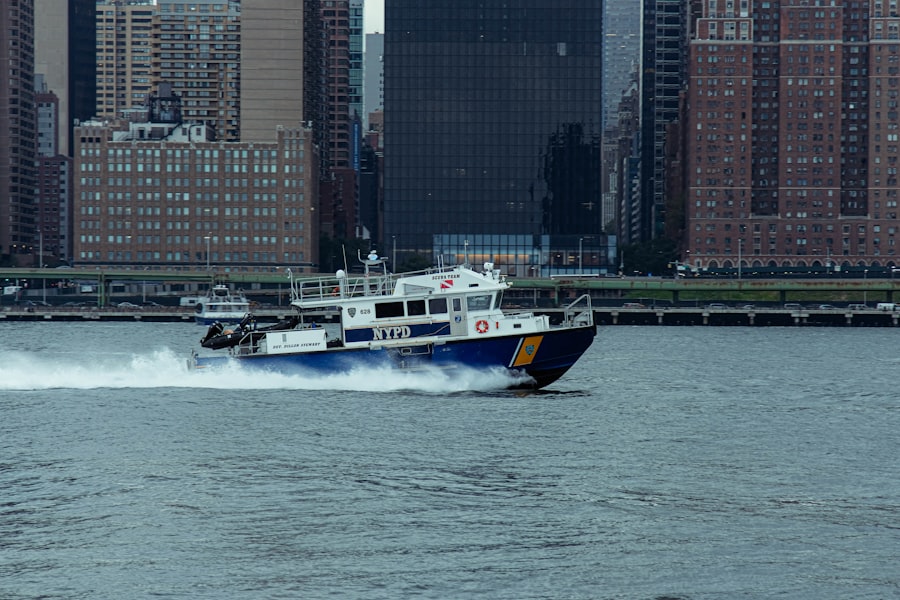
Collaboration among port states is essential for effective Port State Control enforcement. By sharing information about vessel performance, inspection results, and compliance trends, countries can enhance their collective ability to identify substandard practices and take appropriate action. Regional agreements such as the Tokyo MoU and the Mediterranean MoU facilitate this collaboration by providing platforms for member states to exchange data and best practices.
Information sharing extends beyond regional boundaries as well. Global initiatives aimed at improving maritime safety often rely on cooperation between nations to address common challenges. For instance, databases that track vessel histories can help port states make informed decisions during inspections.
By fostering a culture of collaboration and transparency, port states can strengthen their enforcement capabilities and contribute to a safer maritime environment.
Training and Certification for Port State Control Officers
The effectiveness of Port State Control enforcement hinges on the expertise of its officers. Training and certification programs are vital in equipping PSC officers with the knowledge and skills necessary to conduct thorough inspections and enforce regulations effectively. These programs often cover various aspects of maritime law, safety standards, and inspection techniques, ensuring that officers are well-prepared to assess compliance accurately.
Moreover, ongoing professional development is crucial in keeping PSC officers updated on evolving regulations and industry best practices. As new technologies emerge and international standards change, continuous training helps officers adapt to these developments and maintain high levels of competency. By investing in the training and certification of PSC officers, port states can enhance their enforcement capabilities and contribute to improved maritime safety outcomes.
Technology and Innovation in Port State Control Enforcement
The integration of technology into Port State Control enforcement has revolutionized inspection processes and enhanced efficiency. Advanced tools such as automated data collection systems, satellite tracking, and remote sensing technologies enable port authorities to monitor vessel movements more effectively and identify potential compliance issues before ships arrive at port. These innovations streamline inspection procedures and allow for more targeted enforcement efforts.
Additionally, technology facilitates better communication among port states regarding inspection results and compliance trends. Digital platforms enable real-time sharing of information about vessel performance, allowing authorities to make informed decisions during inspections. As technology continues to evolve, its application in Port State Control will likely expand further, leading to more effective enforcement measures and improved maritime safety outcomes.
Challenges and Limitations in Port State Control Enforcement
Despite its importance, Port State Control enforcement faces several challenges that can hinder its effectiveness. One significant issue is the disparity in resources among different port states. While some countries have well-established PSC programs with adequate funding and personnel, others may struggle to implement effective enforcement due to limited resources or lack of training for inspectors.
This inconsistency can create loopholes that substandard vessels may exploit. Another challenge lies in the complexity of international regulations governing maritime operations. The constantly evolving nature of these regulations can make it difficult for port states to keep pace with compliance requirements.
Additionally, varying interpretations of regulations among different jurisdictions can lead to confusion and inconsistencies in enforcement practices. Addressing these challenges requires ongoing collaboration among nations and a commitment to strengthening PSC frameworks globally.
Case Studies of Successful Port State Control Enforcement
Examining case studies of successful Port State Control enforcement provides valuable insights into best practices and effective strategies. One notable example is the implementation of rigorous inspection protocols by countries within the Paris MoU region. By adopting a risk-based approach to inspections, these nations have significantly reduced the number of substandard vessels operating within their waters.
This collaborative effort has resulted in improved compliance rates and enhanced overall maritime safety. Another compelling case study involves the use of technology in PSC enforcement by certain Asian countries. By leveraging advanced data analytics tools to track vessel movements and performance metrics, these nations have been able to identify high-risk vessels more effectively.
This proactive approach has led to targeted inspections that address specific compliance issues before they escalate into serious incidents.
Future Trends and Developments in Port State Control Enforcement
Looking ahead, several trends are likely to shape the future of Port State Control enforcement. One significant development is the increasing emphasis on sustainability within the maritime industry. As global awareness of environmental issues grows, port states may adopt stricter regulations regarding emissions control and waste management practices on board vessels.
Additionally, advancements in technology will continue to play a pivotal role in shaping PSC enforcement strategies. The integration of artificial intelligence and machine learning into inspection processes may enable port authorities to analyze vast amounts of data more efficiently, identifying patterns that indicate potential non-compliance.
As these technologies become more accessible, they will likely transform how port states approach enforcement. In conclusion, Port State Control enforcement is an essential component of ensuring maritime safety on a global scale. Through rigorous inspections, collaboration among nations, ongoing training for officers, and innovative technological solutions, port states can effectively uphold international regulations and standards.
While challenges remain, the commitment to enhancing PSC frameworks will ultimately contribute to safer seas for all stakeholders involved in maritime operations.
Port State Control (PSC) is a crucial aspect of maritime enforcement, ensuring that foreign ships comply with international regulations to maintain safety and environmental standards. For a deeper understanding of the implications and practices surrounding PSC, you can read the article on this topic at this link. This article provides insights into the enforcement mechanisms and the role of PSC in promoting maritime safety.
WATCH THIS! The $10 Trillion Secret: What Happens If The Strait of Gibraltar Closes For Good
FAQs
What is Port State Control (PSC) in maritime enforcement?
Port State Control is a regulatory system through which maritime authorities inspect foreign ships in national ports to verify that the condition of the ship and its equipment comply with international regulations, and that the ship is manned and operated in compliance with these rules. It aims to ensure maritime safety, security, and environmental protection.
Which international conventions does Port State Control enforce?
Port State Control primarily enforces international conventions such as the International Convention for the Safety of Life at Sea (SOLAS), the International Convention for the Prevention of Pollution from Ships (MARPOL), the International Convention on Standards of Training, Certification and Watchkeeping for Seafarers (STCW), and the International Ship and Port Facility Security Code (ISPS).
Who conducts Port State Control inspections?
Port State Control inspections are conducted by authorized maritime officers or inspectors appointed by the port state’s maritime administration. These inspectors board foreign vessels to carry out examinations and verify compliance with applicable international maritime regulations.
What types of ships are subject to Port State Control inspections?
Port State Control inspections apply to all foreign-flagged commercial ships entering a port, including cargo ships, tankers, passenger ships, and fishing vessels, depending on the port state’s regulations and the ship’s size and type.
What happens if a ship fails a Port State Control inspection?
If a ship fails a PSC inspection, the port state may detain the vessel until deficiencies are rectified. The shipowner or operator must address the issues to the satisfaction of the inspectors before the ship is allowed to sail. Serious violations can lead to fines, detention, or banning of the ship from the port.
How does Port State Control contribute to maritime safety and environmental protection?
Port State Control helps prevent accidents, pollution, and unsafe practices by ensuring that ships comply with international safety and environmental standards. By inspecting ships and enforcing regulations, PSC reduces the risk of maritime incidents and protects marine ecosystems.
What is the role of regional Port State Control agreements?
Regional PSC agreements, such as the Paris MoU, Tokyo MoU, and others, coordinate inspection efforts among member states to standardize procedures, share information, and target high-risk ships. These agreements enhance the effectiveness of PSC by promoting cooperation and consistency in enforcement.
Can Port State Control inspections be challenged by shipowners?
Shipowners can raise concerns or appeal decisions related to PSC inspections through the port state’s administrative or legal channels. However, the primary goal of PSC is to ensure compliance with international regulations, and inspections are generally conducted based on established criteria and procedures.
How often are Port State Control inspections conducted?
The frequency of PSC inspections depends on factors such as the ship’s age, type, flag state performance, and inspection history. High-risk ships or those with previous deficiencies may be inspected more frequently, while low-risk ships may undergo less frequent inspections.
What documentation is typically reviewed during a Port State Control inspection?
Inspectors review various documents including the ship’s certificates (e.g., safety, pollution prevention, crew certification), logbooks, maintenance records, and safety management system documentation to verify compliance with international standards.