Mediterranean ecosystems are renowned for their unique biodiversity and rich cultural heritage. Spanning across regions in Europe, North Africa, and parts of Asia, these ecosystems are characterized by a distinct climate that features hot, dry summers and mild, wet winters. The Mediterranean Basin is home to a plethora of plant and animal species, many of which are endemic, meaning they are found nowhere else on Earth.
This region’s diverse landscapes, ranging from coastal areas to mountainous terrains, support a variety of habitats that contribute to its ecological richness. The Mediterranean climate has fostered the development of various biomes, including forests, scrublands, and grasslands. These ecosystems not only provide essential habitats for wildlife but also play a crucial role in supporting human livelihoods.
However, the delicate balance of these ecosystems is increasingly under threat from various anthropogenic pressures, leading to significant environmental challenges.
Key Takeaways
- Mediterranean ecosystems face significant biodiversity decline due to habitat loss and climate changes.
- Overexploitation and pollution further threaten the health and balance of these environments.
- Invasive species disrupt native flora and fauna, exacerbating ecosystem degradation.
- The decline in ecosystem services negatively impacts human communities relying on these resources.
- Conservation efforts are crucial for improving the future outlook and sustainability of Mediterranean ecosystems.
Decline in Biodiversity
The decline in biodiversity within Mediterranean ecosystems is a pressing concern that has garnered attention from scientists and conservationists alike. Over the past few decades, numerous species have faced extinction or severe population declines due to habitat loss, climate change, and human activities. The Mediterranean region is considered one of the world’s biodiversity hotspots; however, it is also one of the most threatened.
The loss of species not only diminishes the ecological integrity of these systems but also disrupts the intricate relationships that sustain them. Factors contributing to this decline include urbanization, agricultural expansion, and deforestation. As cities grow and agricultural lands expand, natural habitats are fragmented or entirely destroyed.
This fragmentation isolates populations, making it difficult for species to reproduce and thrive. Additionally, invasive species often outcompete native flora and fauna, further exacerbating the decline in biodiversity. The consequences of this loss extend beyond ecological implications; they also threaten the cultural and economic values that communities derive from their natural surroundings.
Loss of Habitat
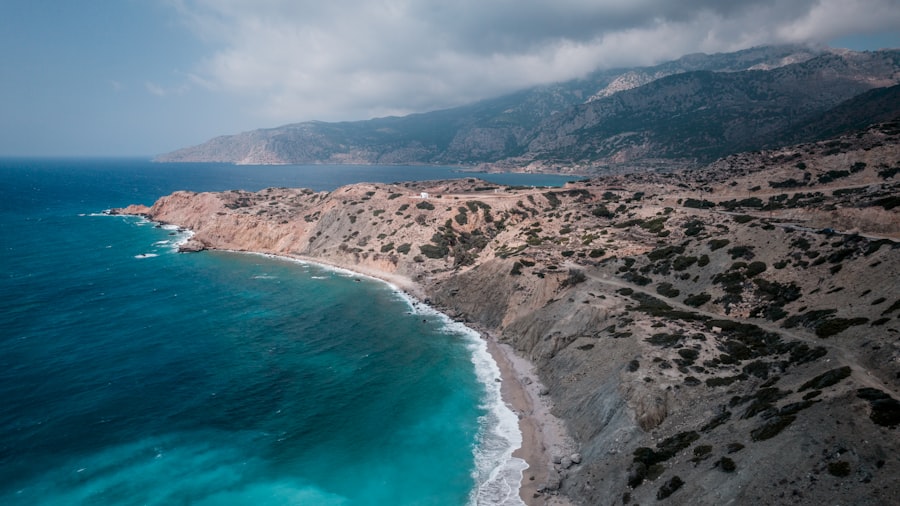
Habitat loss is one of the most significant threats facing Mediterranean ecosystems today. As human populations continue to grow and urban areas expand, natural landscapes are increasingly converted into agricultural fields, residential developments, and industrial sites. This transformation not only reduces the area available for wildlife but also alters the ecological processes that sustain these environments.
Wetlands, forests, and coastal areas are particularly vulnerable to such changes, leading to a decline in the species that depend on these habitats. Moreover, habitat loss often leads to fragmentation, which can isolate populations of plants and animals. This isolation can hinder genetic diversity and reduce resilience to environmental changes.
For instance, many migratory bird species rely on specific stopover habitats during their journeys; when these areas are lost or degraded, their populations can suffer dramatically. The cumulative effects of habitat loss create a ripple effect throughout the ecosystem, impacting not only individual species but also the overall health of the environment.
Changes in Climate Patterns
Climate change poses a significant threat to Mediterranean ecosystems, altering weather patterns and impacting biodiversity. Rising temperatures and shifting precipitation patterns have led to increased droughts and heatwaves in many areas of the Mediterranean Basin. These changes can have profound effects on plant and animal life, disrupting seasonal cycles such as flowering and breeding times.
As species struggle to adapt to these new conditions, some may face extinction while others may migrate to more suitable habitats. Additionally, climate change exacerbates existing environmental issues such as habitat loss and resource scarcity. For example, prolonged droughts can lead to water shortages that affect agriculture and freshwater ecosystems.
The increased frequency of extreme weather events can also result in soil erosion and degradation of coastal areas due to rising sea levels. As these changes unfold, the resilience of Mediterranean ecosystems is tested, highlighting the urgent need for adaptive management strategies to mitigate the impacts of climate change.
Overexploitation of Resources
| Indicator | Description | Measurement Unit | Current Status | Threshold for Collapse |
|---|---|---|---|---|
| Sea Surface Temperature (SST) | Average temperature of the sea surface in the Mediterranean region | °C | 19.5 | 22.0 |
| Seagrass Meadow Coverage | Area covered by Posidonia oceanica seagrass beds | km² | 5,000 | 3,000 |
| Coral Reef Health Index | Percentage of live coral cover in Mediterranean reefs | % | 40 | 20 |
| Fish Biomass | Total biomass of key commercial fish species | tons/km² | 15 | 8 |
| Invasive Species Abundance | Relative abundance of non-native species in the ecosystem | % of total species | 12 | 25 |
| Nutrient Concentration (Nitrate) | Concentration of nitrates in coastal waters | µmol/L | 2.5 | 5.0 |
| Phytoplankton Biomass | Chlorophyll-a concentration as proxy for phytoplankton biomass | mg/m³ | 0.8 | 1.5 |
| Frequency of Marine Heatwaves | Number of marine heatwave events per year | Events/year | 3 | 6 |
The overexploitation of natural resources is another critical challenge facing Mediterranean ecosystems. Fishing practices have led to significant declines in fish populations, with many species now classified as overfished or at risk of collapse. Unsustainable agricultural practices also contribute to resource depletion, as intensive farming methods can degrade soil quality and reduce biodiversity.
The demand for water resources has intensified due to population growth and agricultural needs, leading to over-extraction from rivers and aquifers. This overexploitation not only threatens the sustainability of these resources but also impacts local communities that rely on them for their livelihoods. Fishermen face declining catches, while farmers struggle with diminishing soil fertility and water availability.
The economic repercussions can be severe, leading to increased poverty and social unrest in regions heavily dependent on natural resources. Addressing overexploitation requires a concerted effort to promote sustainable practices that balance human needs with ecological health.
Pollution and Contamination
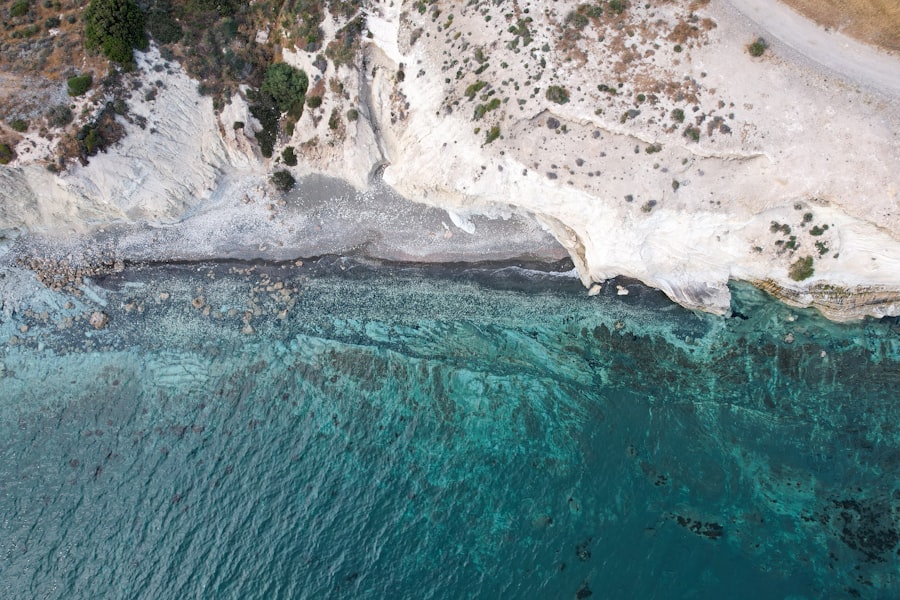
Pollution is a pervasive issue that affects Mediterranean ecosystems in various ways. Agricultural runoff containing pesticides and fertilizers can contaminate waterways, leading to eutrophication—a process that depletes oxygen levels in water bodies and harms aquatic life. Additionally, plastic pollution has become a significant concern in coastal areas, where marine animals often ingest or become entangled in debris.
The accumulation of pollutants not only threatens biodiversity but also poses risks to human health through contaminated food sources. Air pollution is another critical factor impacting Mediterranean ecosystems. Industrial emissions and vehicle exhaust contribute to poor air quality, which can harm both plant and animal life.
For instance, elevated levels of nitrogen deposition can alter soil chemistry and affect plant growth patterns. The interconnectedness of these pollution sources highlights the need for comprehensive strategies that address multiple forms of contamination simultaneously.
Invasive Species
Invasive species represent a significant threat to the integrity of Mediterranean ecosystems. These non-native organisms can outcompete local flora and fauna for resources such as food and habitat, leading to declines in native populations. The introduction of invasive species often occurs through human activities such as trade, travel, and agriculture; once established, they can spread rapidly and disrupt local ecosystems.
The impact of invasive species extends beyond ecological concerns; they can also have economic repercussions for industries such as agriculture and fisheries. For example, invasive plants may reduce crop yields by competing for nutrients or altering soil conditions. Efforts to manage invasive species require coordinated action among governments, conservation organizations, and local communities to prevent their spread and mitigate their impacts.
Decline in Ecosystem Services
The decline in biodiversity and habitat quality within Mediterranean ecosystems has led to a corresponding decrease in ecosystem services—benefits that humans derive from nature. These services include provisioning (such as food and water), regulating (such as climate regulation), supporting (such as nutrient cycling), and cultural services (such as recreational opportunities). As ecosystems become degraded due to various pressures, their ability to provide these essential services diminishes.
For instance, healthy wetlands play a crucial role in filtering pollutants from water and providing habitat for numerous species; however, when these areas are drained or polluted, their capacity to perform these functions is severely compromised. The loss of ecosystem services can have far-reaching consequences for human communities that depend on them for their well-being. Recognizing the value of these services is essential for promoting conservation efforts that prioritize ecosystem health.
Impact on Human Communities
The degradation of Mediterranean ecosystems has profound implications for human communities living within or near these environments. Many people rely on natural resources for their livelihoods—fishing communities depend on healthy marine ecosystems, while farmers rely on fertile soils and adequate water supplies. As ecosystems decline due to pollution, habitat loss, or climate change, these communities face increasing challenges related to food security and economic stability.
Moreover, cultural connections to the land are often intertwined with ecological health. Many Mediterranean communities have deep-rooted traditions linked to their natural surroundings; as these environments change or disappear, cultural identities may also be threatened. The social fabric of these communities can be strained as people grapple with the impacts of environmental degradation on their way of life.
Conservation Efforts
In response to the myriad challenges facing Mediterranean ecosystems, various conservation efforts have been initiated at local, national, and international levels. Protected areas have been established to safeguard critical habitats and promote biodiversity conservation. These areas serve as refuges for endangered species while providing opportunities for research and education about the importance of preserving natural environments.
Additionally, community-based conservation initiatives have gained traction as local stakeholders recognize the value of sustainable practices. Engaging communities in conservation efforts fosters a sense of ownership over natural resources and encourages stewardship behaviors that benefit both people and nature. Collaborative approaches that involve government agencies, non-governmental organizations (NGOs), and local communities are essential for developing effective strategies that address the complex challenges facing Mediterranean ecosystems.
Future Outlook for Mediterranean Ecosystems
The future outlook for Mediterranean ecosystems remains uncertain as they grapple with ongoing environmental pressures. However, there is hope that concerted conservation efforts can lead to positive outcomes if implemented effectively. Increasing awareness about the importance of biodiversity and ecosystem health is crucial for fostering public support for conservation initiatives.
Innovative approaches such as sustainable agriculture practices, reforestation projects, and habitat restoration efforts hold promise for enhancing ecosystem resilience in the face of climate change. Furthermore, international cooperation will be vital in addressing transboundary issues such as pollution control and invasive species management. By prioritizing sustainable development alongside conservation goals, there is potential for Mediterranean ecosystems to recover and thrive in the years ahead.
By recognizing the intrinsic value of these ecosystems—not only for their ecological significance but also for their cultural and economic contributions—society can work towards preserving this unique region for generations to come.
Recent studies have highlighted various indicators of potential collapse within the Mediterranean ecosystem, emphasizing the urgent need for conservation efforts. For a deeper understanding of these indicators and their implications, you can refer to the article available on MyGeoQuest, which discusses the intricate balance of marine life and the threats posed by climate change and human activity. To read more, visit this article.
WATCH THIS! The $10 Trillion Secret: What Happens If The Strait of Gibraltar Closes For Good
FAQs
What is a Mediterranean ecosystem?
A Mediterranean ecosystem is a type of biome characterized by hot, dry summers and mild, wet winters. It is typically found in regions surrounding the Mediterranean Sea, as well as in parts of California, Chile, South Africa, and Australia. These ecosystems are known for their unique biodiversity and specialized plant and animal species.
What does ecosystem collapse mean?
Ecosystem collapse refers to a significant and often irreversible decline in the structure, function, and biodiversity of an ecosystem. This can result in the loss of ecosystem services, such as water purification, soil fertility, and habitat provision, ultimately affecting both wildlife and human populations.
What are common indicators of Mediterranean ecosystem collapse?
Common indicators include loss of native vegetation, increased soil erosion, reduced water availability, decline in native species populations, invasion by non-native species, changes in fire regimes, and degradation of soil quality. These signs often point to stress factors like climate change, pollution, and human activities.
How does climate change affect Mediterranean ecosystems?
Climate change impacts Mediterranean ecosystems by increasing temperatures, altering precipitation patterns, and intensifying droughts and wildfires. These changes can disrupt plant and animal life cycles, reduce water resources, and increase vulnerability to invasive species, contributing to ecosystem collapse.
Can human activities contribute to the collapse of Mediterranean ecosystems?
Yes, human activities such as urbanization, agriculture, deforestation, pollution, and unsustainable land use can degrade Mediterranean ecosystems. Overgrazing, water extraction, and habitat fragmentation also exacerbate stress on these ecosystems, accelerating collapse indicators.
Why is monitoring collapse indicators important?
Monitoring collapse indicators helps scientists and policymakers detect early signs of ecosystem degradation. This enables timely intervention to restore ecosystem health, conserve biodiversity, and maintain ecosystem services critical for human well-being.
Are there efforts to prevent Mediterranean ecosystem collapse?
Yes, conservation efforts include habitat restoration, sustainable land management, controlling invasive species, fire management, and policies aimed at reducing greenhouse gas emissions. Public awareness and community involvement also play key roles in protecting these ecosystems.
Where can I find more information about Mediterranean ecosystem collapse?
More information can be found through scientific journals, environmental organizations, government agencies focused on ecology and conservation, and educational websites dedicated to Mediterranean biodiversity and climate change impacts.