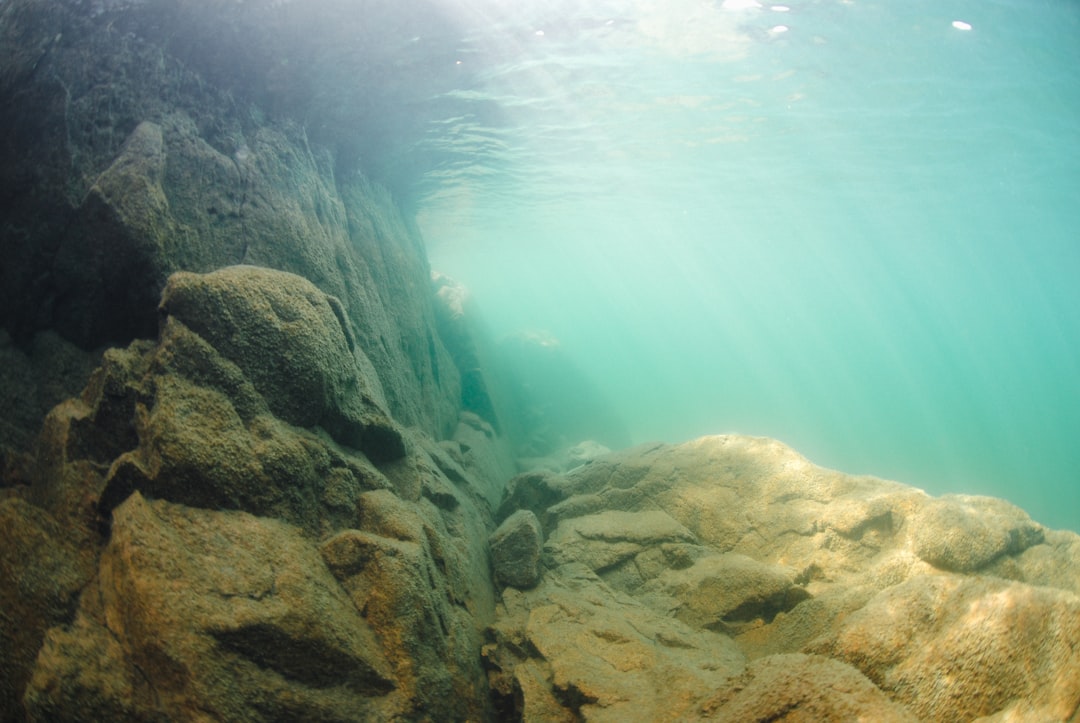
Deep water exchange refers to the complex processes that govern the movement of water masses between different oceanic regions, particularly in the context of the Mediterranean and Atlantic Oceans. This phenomenon plays a crucial role in regulating global climate, influencing marine biodiversity, and maintaining the health of ocean ecosystems. The Mediterranean Sea, characterized by its unique geographical features and climatic conditions, serves as a significant site for studying deep water exchange.
The interplay between the warm, saline waters of the Mediterranean and the cooler, less saline waters of the Atlantic creates a dynamic environment that is essential for understanding broader oceanic processes. The significance of deep water exchange extends beyond mere physical movement; it encompasses a range of chemical and biological interactions that shape marine life. As water masses interact, they facilitate the transfer of nutrients, gases, and heat, which are vital for sustaining diverse ecosystems.
Understanding these exchanges is not only important for marine scientists but also for policymakers and conservationists who seek to protect ocean health in the face of increasing anthropogenic pressures. By delving into the intricacies of deep water exchange, researchers can gain insights into the functioning of marine systems and their responses to environmental changes.
Key Takeaways
- Deep water exchange between the Mediterranean and Atlantic is crucial for global ocean circulation and climate regulation.
- Ocean currents play a key role in transporting deep water, influencing physical and chemical ocean properties.
- Climate change significantly impacts deep water exchange, affecting marine ecosystems and biodiversity.
- Advances in technology have enhanced deep water exploration, enabling better understanding of underwater processes.
- Collaborative research and informed policies are essential for conserving marine environments and managing deep water exchange sustainably.
The Importance of Understanding Mediterranean-Atlantic Exchange
The Mediterranean-Atlantic exchange is a critical component of global ocean circulation, influencing weather patterns and climate across vast regions. This exchange is primarily driven by the unique characteristics of the Mediterranean Sea, which is more saline and warmer than the surrounding Atlantic waters. The process of deep water formation in the Mediterranean is essential for maintaining this exchange, as it contributes to the overall thermohaline circulation that regulates ocean temperatures worldwide.
By understanding this exchange, scientists can better predict climate variability and its potential impacts on both marine and terrestrial ecosystems. Moreover, the Mediterranean-Atlantic exchange has profound implications for marine biodiversity. The mixing of different water masses creates a rich environment that supports a variety of marine species.
Nutrient-rich waters from the Atlantic can enhance productivity in the Mediterranean, fostering diverse habitats that are home to numerous fish species, marine mammals, and other organisms. Understanding how these exchanges function is vital for managing fisheries and conserving marine biodiversity, particularly in light of overfishing and habitat degradation.
The Role of Ocean Currents in Deep Water Exchange

Ocean currents are fundamental to the process of deep water exchange, acting as conduits for transporting water masses across vast distances. In the context of the Mediterranean-Atlantic exchange, several key currents play pivotal roles. The Atlantic Meridional Overturning Circulation (AMOC) is one such current that influences the movement of warm, salty water from the Mediterranean into the Atlantic Ocean.
This current not only facilitates deep water formation but also helps regulate global climate by redistributing heat across the planet. In addition to AMOC, other currents such as the Canary Current and the Azores Current contribute to the complex dynamics of deep water exchange. These currents interact with local wind patterns and topographical features, creating a mosaic of water movements that can vary seasonally and interannually.
Understanding these currents is essential for predicting how changes in wind patterns or temperature gradients may affect deep water exchange processes. As climate change continues to alter oceanic conditions, monitoring these currents will be crucial for assessing their impacts on marine ecosystems and global climate systems.
Studying the Physical and Chemical Properties of Deep Water
To fully comprehend deep water exchange, researchers must investigate both the physical and chemical properties of deep water masses. Physical properties such as temperature, salinity, and density are critical for understanding how water masses interact and stratify within the ocean. These properties influence buoyancy and mixing processes, which are essential for nutrient distribution and biological productivity in marine environments.
Chemical properties also play a significant role in deep water dynamics. The concentration of dissolved gases like oxygen and carbon dioxide, as well as nutrient levels such as nitrates and phosphates, can vary significantly between different water masses. These variations impact not only the health of marine organisms but also the overall functioning of oceanic ecosystems.
By employing advanced sampling techniques and analytical methods, scientists can gather data on these properties to create a comprehensive picture of deep water exchange processes. This knowledge is vital for predicting how changes in environmental conditions may affect marine life and ocean health.
The Impact of Climate Change on Deep Water Exchange
| Parameter | Value | Unit | Description |
|---|---|---|---|
| Deep Water Formation Rate | 0.1 – 0.3 | Sverdrups (Sv) | Estimated volume of deep water formed annually in the Mediterranean Sea |
| Outflow Velocity at Strait of Gibraltar | 1.0 – 1.5 | m/s | Speed of dense Mediterranean deep water flowing into the Atlantic Ocean |
| Inflow Velocity at Strait of Gibraltar | 0.5 – 1.0 | m/s | Speed of surface Atlantic water entering the Mediterranean Sea |
| Salinity of Mediterranean Deep Water | 38.4 – 38.6 | PSU (Practical Salinity Units) | Salinity range of the dense water exiting to the Atlantic |
| Salinity of Atlantic Surface Water | 36.0 – 36.5 | PSU | Salinity range of Atlantic water entering the Mediterranean |
| Temperature of Mediterranean Deep Water | 12 – 13 | °C | Temperature of dense water flowing out through the Strait of Gibraltar |
| Temperature of Atlantic Surface Water | 16 – 18 | °C | Temperature of Atlantic water entering the Mediterranean Sea |
| Density Difference | 1.02 – 1.03 | kg/m³ | Density difference between Mediterranean deep water and Atlantic surface water |
Climate change poses significant challenges to deep water exchange processes, with potential repercussions for global climate systems and marine ecosystems. Rising sea temperatures can alter density gradients, affecting the formation of deep water in regions like the Mediterranean Sea. As warmer waters become less dense, they may inhibit the sinking of surface waters that is crucial for deep water formation.
This disruption can lead to changes in circulation patterns, potentially impacting weather systems far beyond the Mediterranean region. Additionally, increased freshwater input from melting glaciers and altered precipitation patterns can further complicate deep water exchange dynamics. Freshwater influx can dilute saline waters, affecting their buoyancy and mixing with surrounding oceanic waters.
Such changes may have cascading effects on marine biodiversity, as species adapted to specific temperature and salinity ranges may struggle to survive in altered conditions. Understanding these impacts is essential for developing effective conservation strategies aimed at mitigating the effects of climate change on marine ecosystems.
Technological Advances in Deep Water Exploration

Recent technological advancements have revolutionized the study of deep water exchange, enabling researchers to gather data with unprecedented precision and detail. Autonomous underwater vehicles (AUVs) and remotely operated vehicles (ROVs) have become invaluable tools for exploring deep ocean environments. Equipped with advanced sensors and imaging technology, these vehicles can collect data on physical and chemical properties at various depths, providing insights into previously inaccessible areas.
Moreover, satellite remote sensing has enhanced researchers’ ability to monitor surface conditions such as temperature, chlorophyll concentrations, and sea level changes across large oceanic regions. This technology allows scientists to track changes over time and correlate them with deep water exchange processes.
These advancements are crucial for improving predictions about future changes in ocean circulation and their potential impacts on marine ecosystems.
Deep Water Exchange and Marine Ecosystems
The relationship between deep water exchange and marine ecosystems is intricate and multifaceted. Nutrient-rich waters brought into the Mediterranean through deep water exchange support primary productivity, which forms the foundation of marine food webs. Phytoplankton blooms fueled by these nutrients provide sustenance for a variety of marine organisms, from small zooplankton to larger fish species.
However, disruptions to deep water exchange due to climate change or human activities can have detrimental effects on these ecosystems. For instance, reduced nutrient input may lead to declines in phytoplankton populations, subsequently affecting higher trophic levels such as fish stocks and marine mammals. Additionally, changes in temperature and salinity can alter species distributions, leading to shifts in community composition that may threaten biodiversity.
Understanding these relationships is essential for effective management strategies aimed at preserving marine ecosystems in an era of rapid environmental change.
Historical Perspectives on Mediterranean-Atlantic Exchange
The historical context of Mediterranean-Atlantic exchange provides valuable insights into its long-term dynamics and significance. Over centuries, this exchange has been influenced by natural events such as glacial cycles and tectonic activity that have shaped oceanic pathways. Historical records indicate that periods of significant climatic change have led to alterations in deep water formation processes, impacting marine biodiversity and human societies reliant on these resources.
Archaeological evidence suggests that ancient civilizations recognized the importance of these exchanges for their livelihoods, particularly in terms of fishing practices and trade routes. As societies evolved, so too did their understanding of ocean dynamics; however, it was not until modern scientific inquiry that comprehensive models began to emerge. By examining historical data alongside contemporary research findings, scientists can better appreciate how past events have shaped current conditions and inform future predictions regarding deep water exchange.
The Future of Deep Water Exchange Research
The future of deep water exchange research holds great promise as scientists continue to explore new methodologies and technologies to enhance understanding of this complex phenomenon. As climate change accelerates, there is an urgent need for ongoing research to monitor changes in ocean circulation patterns and their implications for global climate systems. Collaborative efforts among international research institutions will be essential for addressing these challenges effectively.
Furthermore, interdisciplinary approaches that integrate oceanography with fields such as ecology, climatology, and social sciences will provide a more holistic understanding of deep water exchange processes. By fostering collaboration across disciplines, researchers can develop innovative solutions to mitigate the impacts of climate change on marine ecosystems while promoting sustainable practices that benefit both human communities and ocean health.
Collaborative Efforts in Studying Deep Water Exchange
Collaboration among scientists from various disciplines and institutions is vital for advancing knowledge about deep water exchange processes. International partnerships enable researchers to share data, resources, and expertise while addressing complex questions related to ocean dynamics. Initiatives such as joint research expeditions or collaborative modeling efforts allow scientists to pool their knowledge and tackle challenges that no single institution could address alone.
Moreover, engaging local communities in research efforts can enhance understanding of how deep water exchange impacts regional fisheries and livelihoods. By incorporating traditional ecological knowledge alongside scientific inquiry, researchers can develop more effective management strategies that consider both ecological health and human well-being. Collaborative efforts not only enrich scientific understanding but also foster a sense of shared responsibility for protecting ocean resources.
Implications for Policy and Conservation Efforts
The insights gained from studying deep water exchange have significant implications for policy development and conservation efforts aimed at protecting marine ecosystems. Policymakers must consider the interconnectedness of ocean processes when formulating regulations related to fishing practices, coastal development, and pollution control. Effective management strategies should prioritize sustainable practices that account for the dynamic nature of deep water exchanges.
Furthermore, raising public awareness about the importance of deep water exchange can foster greater support for conservation initiatives. Engaging stakeholders—from local communities to international organizations—in discussions about ocean health will be crucial for promoting collaborative action toward sustainable management practices. As research continues to unveil the complexities of deep water exchange processes, it will be imperative for policymakers to integrate scientific findings into decision-making frameworks that safeguard both marine ecosystems and human livelihoods in an era marked by rapid environmental change.
The deep water exchange between the Mediterranean Sea and the Atlantic Ocean plays a crucial role in regulating climate and marine ecosystems. For a more in-depth understanding of this phenomenon, you can read the related article on the topic at this link. This article provides valuable insights into the mechanisms of deep water circulation and its implications for both regional and global climate patterns.
WATCH THIS! The $10 Trillion Secret: What Happens If The Strait of Gibraltar Closes For Good
FAQs
What is deep water exchange between the Mediterranean and the Atlantic?
Deep water exchange refers to the movement of dense, saline water masses between the Mediterranean Sea and the Atlantic Ocean through the Strait of Gibraltar. This process involves the inflow of less saline Atlantic surface water into the Mediterranean and the outflow of denser, saltier Mediterranean deep water into the Atlantic.
Why does deep water exchange occur between the Mediterranean and the Atlantic?
The exchange occurs due to differences in water density, salinity, and temperature between the two bodies of water. The Mediterranean Sea has higher salinity and temperature, making its deep water denser than the Atlantic surface water, which drives the outflow of Mediterranean deep water and the inflow of Atlantic surface water.
How does the Strait of Gibraltar influence the deep water exchange?
The Strait of Gibraltar is a narrow passage connecting the Mediterranean Sea and the Atlantic Ocean. It acts as a natural gateway that controls the flow of water masses between the two seas, allowing the two-layer exchange system: surface water flows into the Mediterranean, while deeper, denser water flows out into the Atlantic.
What are the characteristics of the water masses involved in the exchange?
Atlantic water entering the Mediterranean is generally less saline and cooler, flowing at the surface. Mediterranean deep water is warmer, saltier, and denser, flowing out beneath the incoming Atlantic water. This creates a two-layer flow system through the Strait of Gibraltar.
How does deep water exchange affect the Mediterranean Sea?
The exchange helps regulate the Mediterranean’s salinity, temperature, and nutrient levels. The inflow of Atlantic water replenishes the Mediterranean’s surface waters, while the outflow of dense deep water influences the Atlantic’s intermediate and deep water properties.
What is the significance of deep water exchange for the Atlantic Ocean?
The outflow of Mediterranean deep water contributes to the Atlantic Ocean’s thermohaline circulation by adding warm, saline water at intermediate depths. This process can influence ocean circulation patterns and climate on a larger scale.
Are there seasonal variations in the deep water exchange between the Mediterranean and Atlantic?
Yes, the exchange can vary seasonally due to changes in atmospheric conditions, temperature, and salinity. However, the overall two-layer flow system remains relatively stable throughout the year.
How is deep water exchange studied by scientists?
Scientists use a combination of oceanographic measurements, including salinity, temperature, and current velocity data, as well as numerical models and satellite observations to study the dynamics of deep water exchange between the Mediterranean and Atlantic.
Does human activity impact the deep water exchange between the Mediterranean and Atlantic?
While natural processes primarily drive the exchange, human activities such as climate change, pollution, and alterations to the Strait of Gibraltar region could potentially affect water properties and circulation patterns, thereby influencing the exchange dynamics.