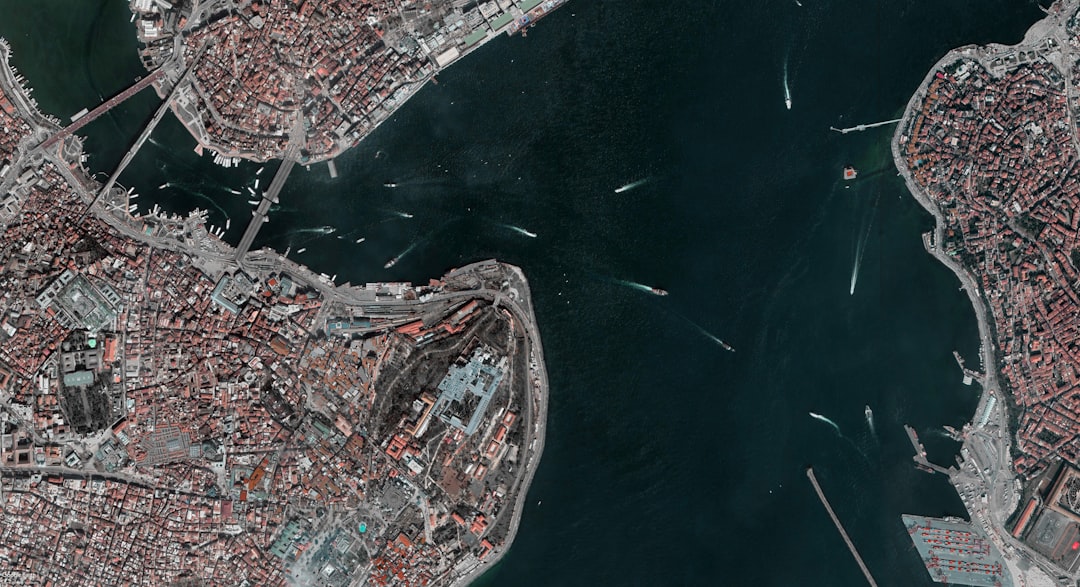
Maritime Spatial Planning (MSP) is an integrated approach to managing marine resources and activities in a sustainable manner. It involves the allocation of space in marine environments to various uses, such as shipping, fishing, tourism, and conservation. By systematically organizing human activities in marine areas, MSP aims to minimize conflicts among different stakeholders while ensuring the protection of marine ecosystems.
This planning process is essential in addressing the increasing pressures on marine environments due to climate change, overfishing, and industrial development. The concept of MSP has gained traction globally as nations recognize the need for coordinated management of their marine spaces. It is not merely a regulatory framework but a strategic tool that promotes sustainable development.
MSP encourages collaboration among various sectors, including government agencies, private enterprises, and local communities. By fostering a holistic view of marine resource management, MSP seeks to balance economic growth with environmental stewardship, ensuring that future generations can enjoy the benefits of healthy oceans.
Key Takeaways
- Maritime Spatial Planning (MSP) involves organizing marine space to balance ecological, economic, and social objectives.
- Common MSP disputes often arise from conflicting interests among stakeholders such as fisheries, shipping, and conservation.
- Effective dispute resolution relies on stakeholder engagement, legal frameworks, and collaborative approaches.
- Technology plays a crucial role in facilitating data sharing, monitoring, and transparent decision-making in MSP conflicts.
- Future MSP dispute resolution trends emphasize sustainability, enhanced collaboration, and integrating environmental and socio-economic factors.
Identifying Common Disputes in MSP
As maritime spatial planning evolves, it becomes evident that disputes are an inherent part of the process. Common conflicts often arise from competing interests among stakeholders who may have differing priorities regarding marine resource use. For instance, commercial fishing operations may clash with tourism initiatives, as both sectors vie for access to the same marine areas.
Additionally, environmental conservation efforts can conflict with industrial activities such as oil drilling or shipping routes, leading to tensions among various parties. Another significant source of disputes in MSP is the lack of clear communication and understanding among stakeholders. When different groups are not adequately informed about each other’s needs and objectives, misunderstandings can escalate into conflicts.
Furthermore, the complexity of marine ecosystems and the uncertainty surrounding their responses to human activities can lead to disagreements over the best approaches to resource management. These disputes can hinder effective planning and implementation of MSP, making it crucial to identify and address them proactively.
Stakeholder Engagement and Conflict Resolution
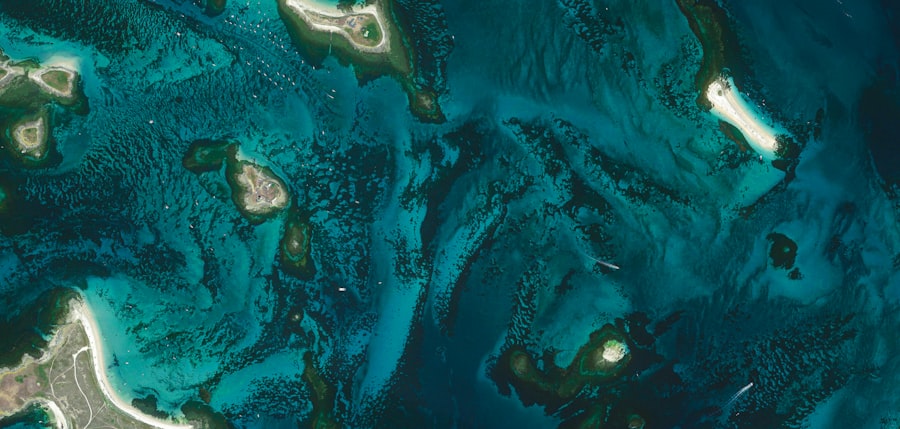
Effective stakeholder engagement is vital for successful maritime spatial planning and conflict resolution. Engaging stakeholders early in the planning process helps to build trust and foster collaboration among diverse groups. This engagement can take various forms, including public consultations, workshops, and collaborative decision-making processes.
By involving stakeholders from the outset, planners can better understand their concerns and priorities, leading to more informed and equitable decisions. Conflict resolution strategies are essential in addressing disputes that arise during the MSP process. Mediation and negotiation are common approaches that can help facilitate dialogue among conflicting parties.
These methods encourage open communication and allow stakeholders to express their viewpoints while working towards mutually beneficial solutions. Additionally, establishing clear guidelines for conflict resolution can help streamline the process and reduce tensions among stakeholders, ultimately leading to more effective maritime spatial planning outcomes.
Legal Framework for Resolving MSP Disputes
The legal framework surrounding maritime spatial planning plays a crucial role in resolving disputes that may arise during the process. Various international treaties and national laws govern marine resource management and spatial planning, providing a foundation for conflict resolution. For instance, the United Nations Convention on the Law of the Sea (UNCLOS) establishes guidelines for the use of ocean resources and the rights of coastal states, serving as a critical reference point for MSP.
In addition to international agreements, national legislation often outlines specific procedures for addressing disputes related to maritime spatial planning. These laws may include provisions for stakeholder participation, environmental assessments, and mechanisms for appeal or arbitration. By providing a structured legal framework, these regulations help ensure that conflicts are resolved fairly and transparently, promoting trust among stakeholders and enhancing the overall effectiveness of MSP initiatives.
Role of Technology in MSP Dispute Resolution
| Dispute Name | Region | Year | Primary Issue | Stakeholders Involved | Status |
|---|---|---|---|---|---|
| South China Sea Maritime Boundaries | South China Sea | Ongoing since 2010 | Territorial claims and resource allocation | China, Philippines, Vietnam, Malaysia, Brunei, Taiwan | Ongoing negotiations and occasional conflicts |
| North Sea Offshore Wind Farm Planning | North Sea | 2015-2022 | Conflicts over fishing rights and wind farm locations | Denmark, Germany, Netherlands, Fishing communities, Energy companies | Partially resolved with zoning agreements |
| Arctic Ocean Shipping Routes | Arctic Ocean | 2018-Present | Navigation rights and environmental protection | Russia, Canada, USA, Norway, Indigenous groups | Ongoing discussions under international frameworks |
| East Mediterranean Gas Exploration | Eastern Mediterranean | 2010-Present | Maritime boundaries and resource exploitation | Turkey, Greece, Cyprus, Israel, Egypt, Lebanon | Heightened tensions with diplomatic efforts ongoing |
| Baltic Sea Marine Protected Areas | Baltic Sea | 2012-2020 | Balancing conservation and commercial fishing | Sweden, Finland, Estonia, Latvia, Lithuania, Poland | Agreements reached on spatial zoning |
Technology plays an increasingly important role in maritime spatial planning and dispute resolution. Geographic Information Systems (GIS) and remote sensing technologies enable planners to visualize and analyze complex marine environments effectively. These tools facilitate data collection and sharing among stakeholders, allowing for more informed decision-making processes.
By providing a comprehensive view of marine resources and activities, technology can help identify potential conflicts before they escalate into disputes. Moreover, digital platforms can enhance stakeholder engagement by providing accessible information and communication channels. Online forums and collaborative tools allow stakeholders to share their perspectives and contribute to the planning process in real-time.
This increased transparency can help build trust among parties and reduce misunderstandings that may lead to conflicts. As technology continues to advance, its integration into maritime spatial planning will likely play a pivotal role in improving dispute resolution mechanisms.
Best Practices for Navigating MSP Disputes
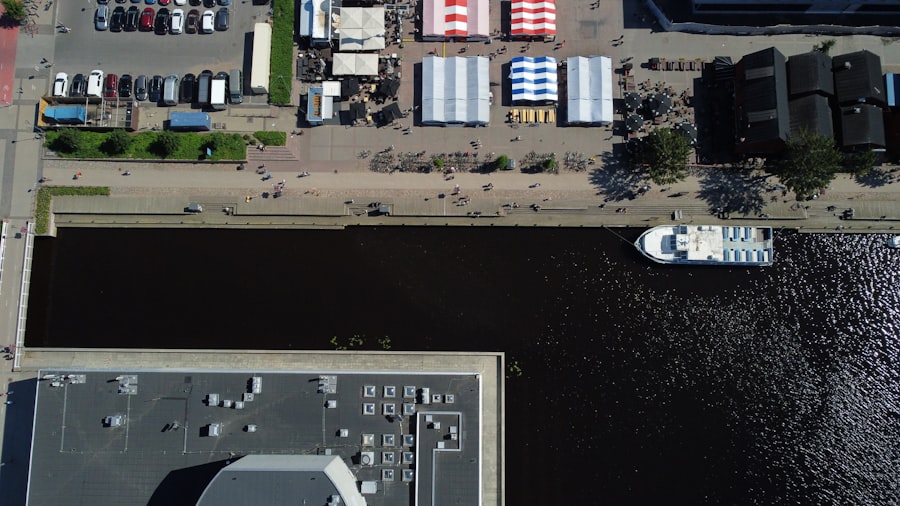
Navigating disputes in maritime spatial planning requires adherence to best practices that promote effective communication and collaboration among stakeholders. One key practice is establishing clear objectives and guidelines at the outset of the planning process. By defining common goals and expectations, stakeholders can work together more effectively and minimize potential conflicts.
Another best practice involves fostering an inclusive environment where all voices are heard. Ensuring that marginalized or less powerful stakeholders have opportunities to participate in discussions can lead to more equitable outcomes. Additionally, employing adaptive management strategies allows planners to respond flexibly to changing circumstances or new information, reducing the likelihood of disputes arising from unforeseen challenges.
Case Studies of Successful MSP Dispute Resolution
Examining case studies of successful maritime spatial planning dispute resolution can provide valuable insights into effective strategies and approaches. One notable example is the collaborative effort between fishing communities and renewable energy developers in a coastal region of Europe. Through early engagement and ongoing dialogue, both parties were able to identify areas where fishing activities could coexist with wind farm installations.
This collaborative approach not only minimized conflicts but also fostered a sense of shared responsibility for sustainable resource management. Another case study highlights the role of mediation in resolving disputes between conservationists and shipping companies in a busy port area. By bringing together representatives from both sides in a neutral setting, a mediator facilitated discussions that led to innovative solutions for reducing environmental impacts while maintaining shipping operations.
This case underscores the importance of open communication and compromise in achieving successful outcomes in maritime spatial planning.
Importance of Collaboration in MSP Dispute Resolution
Collaboration is at the heart of effective maritime spatial planning and dispute resolution. When stakeholders work together towards common goals, they are more likely to find solutions that benefit all parties involved. Collaborative approaches foster mutual understanding and respect among diverse groups, which is essential for addressing complex issues related to marine resource management.
Moreover, collaboration enhances the legitimacy of decision-making processes. When stakeholders feel that their voices are heard and considered, they are more likely to accept outcomes even if they do not fully align with their initial positions. This acceptance is crucial for maintaining long-term relationships among stakeholders and ensuring ongoing cooperation in future planning efforts.
Environmental Considerations in MSP Dispute Resolution
Environmental considerations are paramount in maritime spatial planning dispute resolution.
Disputes often arise when economic interests overshadow ecological concerns; therefore, integrating environmental assessments into MSP can help mitigate conflicts.
Incorporating scientific research and data into the planning process allows stakeholders to understand better the potential impacts of various activities on marine environments. By prioritizing ecological integrity alongside economic development, planners can create solutions that protect biodiversity while still accommodating human needs. This balanced approach is vital for fostering long-term sustainability in marine resource management.
Economic and Social Impacts of MSP Disputes
The economic and social impacts of maritime spatial planning disputes can be significant, affecting not only individual stakeholders but also entire communities and industries. Conflicts over resource allocation can lead to economic losses for affected parties, particularly in sectors such as fishing or tourism that rely heavily on access to marine areas. Additionally, unresolved disputes can create uncertainty that deters investment in coastal regions, stifling economic growth.
Socially, disputes can exacerbate tensions among communities with differing interests or priorities regarding marine resource use. When stakeholders feel marginalized or unheard during the planning process, it can lead to social unrest or resistance against proposed initiatives. Therefore, addressing economic and social implications is crucial for fostering a harmonious environment where all stakeholders can thrive.
Future Trends in MSP Dispute Resolution
As maritime spatial planning continues to evolve, several trends are emerging that may shape future dispute resolution efforts. One notable trend is the increasing emphasis on adaptive management practices that allow for flexibility in response to changing conditions or new information. This approach recognizes that marine environments are dynamic systems requiring ongoing monitoring and adjustment.
Another trend is the growing integration of technology into dispute resolution processes. As digital tools become more sophisticated, they will likely play an even more significant role in facilitating stakeholder engagement and data sharing. Virtual reality simulations and interactive mapping tools may enhance understanding among stakeholders by providing immersive experiences that illustrate potential impacts of various activities on marine environments.
In conclusion, maritime spatial planning is a complex yet essential process that requires careful consideration of various factors influencing marine resource management. By understanding common disputes, engaging stakeholders effectively, adhering to legal frameworks, leveraging technology, and fostering collaboration, planners can navigate conflicts successfully while promoting sustainable development in marine environments. As future trends continue to emerge, ongoing adaptation will be crucial for ensuring that maritime spatial planning remains responsive to the needs of both people and ecosystems alike.
Maritime spatial planning (MSP) is essential for managing the competing interests in marine environments, but disputes often arise over resource allocation and usage rights. A related article that delves into these conflicts and offers insights into effective resolution strategies can be found at MyGeoQuest. This resource provides valuable information on the complexities of MSP and highlights case studies that illustrate the challenges and successes in the field.
WATCH THIS! The $10 Trillion Secret: What Happens If The Strait of Gibraltar Closes For Good
FAQs
What is maritime spatial planning?
Maritime spatial planning (MSP) is a process that guides where and when human activities occur in marine and coastal areas. It aims to organize the use of marine space to reduce conflicts among users, protect the environment, and promote sustainable development.
Why do disputes arise in maritime spatial planning?
Disputes in maritime spatial planning often arise due to overlapping claims, conflicting interests among stakeholders (such as fishing, shipping, energy development, and conservation), and differing national or regional priorities. Limited marine space and competing uses can lead to disagreements over resource allocation and environmental protection.
Who are the typical stakeholders involved in maritime spatial planning disputes?
Stakeholders typically include government agencies, local communities, commercial industries (fishing, shipping, energy), environmental organizations, and sometimes neighboring countries. Each group may have different objectives and concerns regarding marine space use.
How are maritime spatial planning disputes usually resolved?
Disputes are often addressed through negotiation, stakeholder engagement, mediation, and legal frameworks. International agreements, national laws, and regional cooperation mechanisms also play a role in resolving conflicts and ensuring equitable use of marine resources.
What role do international laws play in maritime spatial planning disputes?
International laws, such as the United Nations Convention on the Law of the Sea (UNCLOS), provide a legal framework for maritime boundaries, resource rights, and dispute resolution. These laws help define jurisdiction and guide the peaceful settlement of disputes between countries.
Can maritime spatial planning disputes impact marine ecosystems?
Yes, unresolved disputes can lead to uncoordinated activities that harm marine ecosystems, such as overfishing, habitat destruction, and pollution. Effective MSP aims to balance human use with environmental protection to maintain healthy marine environments.
What are some common examples of maritime spatial planning disputes?
Common disputes include conflicts over fishing rights, offshore energy development (like wind farms or oil drilling), shipping lanes, marine protected areas, and territorial claims between neighboring countries.
How does stakeholder participation influence maritime spatial planning?
Inclusive stakeholder participation helps identify diverse interests, fosters transparency, and builds consensus, reducing the likelihood of disputes. Engaging all relevant parties early in the planning process is critical for successful MSP implementation.
Are there technological tools used to assist in maritime spatial planning?
Yes, geographic information systems (GIS), satellite imagery, and marine data modeling are commonly used to map marine areas, analyze spatial data, and support decision-making in MSP, helping to minimize conflicts and optimize space use.
What is the future outlook for resolving maritime spatial planning disputes?
The future outlook involves increased international cooperation, improved data sharing, adaptive management approaches, and stronger legal frameworks. Advances in technology and stakeholder engagement are expected to enhance conflict resolution and sustainable marine governance.