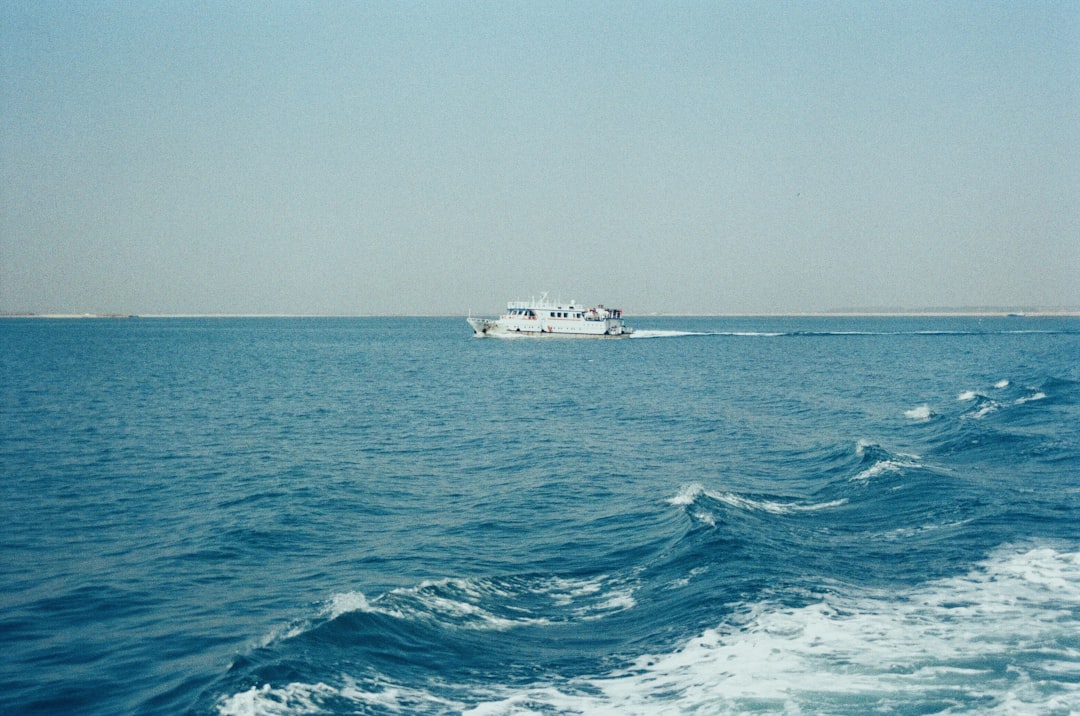
Maritime law, often referred to as admiralty law, encompasses a broad range of legal principles governing activities on the seas and oceans. In the Mediterranean, a region characterized by its rich maritime history and bustling trade routes, the significance of maritime law cannot be overstated. The Mediterranean Sea serves as a vital conduit for international trade, connecting Europe, Asia, and Africa.
As such, the legal frameworks that govern maritime activities in this area are crucial for ensuring safe navigation, protecting marine environments, and facilitating commerce. The complexities of maritime law in the Mediterranean arise from the diverse legal systems of the countries bordering the sea. Each nation has its own regulations and practices, which can lead to conflicts and challenges in enforcement.
Additionally, the Mediterranean is home to various international treaties and conventions that aim to standardize maritime operations. These legal instruments are essential for addressing issues such as shipping safety, environmental protection, and liability in the event of maritime accidents. Understanding the intricacies of maritime law in this region is vital for stakeholders, including shipowners, operators, and regulatory bodies.
Key Takeaways
- The International Maritime Organization (IMO) plays a central role in regulating maritime activities and ensuring safety, security, and environmental protection in the Mediterranean.
- Key IMO regulations impact ship operations, port security, pollution prevention, and accident liability within Mediterranean waters.
- Compliance and enforcement of IMO rules are critical to maintaining safe navigation and protecting the marine environment in the region.
- Brexit has introduced new challenges and adjustments to maritime law and IMO regulatory frameworks affecting Mediterranean shipping.
- The future of maritime law in the Mediterranean will focus on evolving regulations to address emerging safety, environmental, and navigational issues.
The Role of the International Maritime Organization (IMO) in Regulating Maritime Activities
The International Maritime Organization (IMO) plays a pivotal role in shaping maritime law and ensuring safe and efficient shipping practices worldwide. Established in 1948, the IMO is a specialized agency of the United Nations responsible for regulating shipping and promoting maritime safety. Its influence extends to the Mediterranean, where it works to harmonize regulations among member states and address regional challenges.
The organization’s primary objectives include enhancing maritime safety, preventing marine pollution, and fostering cooperation among nations. In the Mediterranean context, the IMO’s role is particularly significant due to the region’s unique maritime challenges. The Mediterranean Sea is one of the busiest shipping lanes globally, with a high volume of commercial traffic.
The IMO develops conventions and guidelines that member states are encouraged to adopt, ensuring that ships operating in these waters adhere to international standards. By facilitating dialogue among countries and providing technical assistance, the IMO helps to create a cohesive regulatory framework that enhances safety and environmental protection across the Mediterranean.
Key IMO Regulations Affecting Maritime Operations in the Mediterranean
Several key IMO regulations significantly impact maritime operations in the Mediterranean. One of the most important is the International Convention for the Safety of Life at Sea (SOLAS), which sets minimum safety standards for ships. SOLAS covers various aspects of maritime safety, including ship construction, equipment requirements, and emergency procedures.
Compliance with SOLAS is essential for ensuring that vessels operating in the Mediterranean are equipped to handle emergencies and protect crew and cargo. Another critical regulation is the International Convention for the Prevention of Pollution from Ships (MARPOL). This convention addresses pollution caused by ships and establishes protocols for managing waste and preventing oil spills.
Given the Mediterranean’s ecological sensitivity, MARPOL’s provisions are particularly relevant. The convention mandates that ships adhere to strict guidelines regarding waste disposal and emissions, thereby safeguarding marine ecosystems from harmful pollutants. Together, these regulations form a robust framework that governs maritime operations in the Mediterranean, promoting safety and environmental stewardship.
Safety and Security Measures for Ships and Ports in the Mediterranean
Safety and security measures are paramount for ensuring the smooth operation of maritime activities in the Mediterranean. The region has witnessed various security challenges, including piracy, smuggling, and terrorism. In response to these threats, both national governments and international organizations have implemented comprehensive security protocols.
These measures encompass everything from enhanced surveillance of shipping routes to increased naval presence in high-risk areas. Port security is another critical aspect of maritime safety in the Mediterranean. Ports serve as vital hubs for trade and transportation; thus, their security is essential for protecting cargo and preventing illegal activities.
The International Ship and Port Facility Security (ISPS) Code, developed by the IMO, provides a framework for enhancing port security through risk assessments and security plans. By adhering to these guidelines, ports in the Mediterranean can mitigate risks and ensure a secure environment for vessels and their crews.
Environmental Protection and Pollution Prevention Regulations in the Mediterranean
| Regulation | IMO Code/Convention | Application in Mediterranean | Key Metrics/Requirements | Enforcement Authority |
|---|---|---|---|---|
| Marine Pollution Prevention | MARPOL 73/78 | Strict control of oil and chemical discharge in Mediterranean Sea | Zero tolerance for oil discharge; special areas with stricter rules; sewage treatment standards | Regional Marine Pollution Emergency Response Centre for the Mediterranean Sea (REMPEC) |
| Ship Safety Standards | SOLAS (Safety of Life at Sea) | Mandatory compliance for all vessels operating in Mediterranean waters | Life-saving appliances, fire protection, navigation safety equipment | Flag State and Port State Control Authorities |
| Ballast Water Management | Ballast Water Management Convention (BWMC) | Implementation to prevent invasive species in Mediterranean ecosystems | Ballast water treatment systems; ballast water exchange protocols | IMO and Mediterranean coastal states’ maritime authorities |
| Ship Emissions Control | IMO MARPOL Annex VI | Emission Control Areas (ECAs) in parts of the Mediterranean under discussion | Limits on sulfur oxides (SOx), nitrogen oxides (NOx), and particulate matter emissions | IMO and regional environmental agencies |
| Search and Rescue (SAR) | International Convention on Maritime Search and Rescue | Coordinated SAR operations among Mediterranean countries | Establishment of SAR regions; communication protocols; rescue coordination centers | National Maritime Rescue Coordination Centers (MRCCs) |
The Mediterranean Sea is renowned for its biodiversity and unique ecosystems; however, it also faces significant environmental challenges due to shipping activities. To address these issues, various environmental protection regulations have been established at both national and international levels. The IMO’s MARPOL convention plays a crucial role in this regard by setting standards for pollution prevention from ships.
In addition to MARPOL, regional agreements such as the Barcelona Convention aim to protect the Mediterranean marine environment from pollution. This convention emphasizes cooperation among Mediterranean countries to combat pollution from ships and land-based sources. It encourages member states to adopt measures that reduce waste discharge into the sea and promote sustainable practices within their jurisdictions.
By implementing these regulations, countries bordering the Mediterranean can work together to preserve their shared marine resources for future generations.
Legal and Liability Issues for Maritime Accidents and Incidents in the Mediterranean

Maritime accidents can have far-reaching consequences, leading to loss of life, environmental damage, and significant economic repercussions. In the Mediterranean, legal frameworks governing liability for such incidents are complex due to varying national laws and international conventions. The Convention on Limitation of Liability for Maritime Claims (LLMC) provides a basis for limiting liability in certain circumstances; however, its application can differ among countries.
When accidents occur, determining liability often involves intricate legal proceedings that consider factors such as negligence, compliance with regulations, and contractual obligations. The presence of multiple jurisdictions can complicate matters further, as different countries may have different interpretations of liability laws. Stakeholders must navigate these complexities carefully to ensure that victims receive appropriate compensation while also protecting their interests.
Compliance and Enforcement of IMO Regulations in the Mediterranean
Ensuring compliance with IMO regulations is essential for maintaining safety and environmental standards in the Mediterranean. However, enforcement can be challenging due to the region’s diverse legal systems and varying levels of resources among member states. National authorities are responsible for implementing IMO regulations within their jurisdictions; thus, disparities in enforcement capabilities can lead to inconsistencies.
To address these challenges, regional cooperation is vital. Initiatives such as joint inspections and information sharing among Mediterranean countries can enhance compliance efforts. Additionally, organizations like the European Maritime Safety Agency (EMSA) provide support by offering technical assistance and training to member states.
By fostering collaboration among nations, it becomes possible to create a more uniform approach to enforcing IMO regulations across the Mediterranean.
Impact of Brexit on Maritime Law and IMO Regulations in the Mediterranean
The United Kingdom’s exit from the European Union has had significant implications for maritime law and regulations in the Mediterranean. As a member state of both the EU and IMO prior to Brexit, the UK played a crucial role in shaping maritime policies within these frameworks. Post-Brexit, there are concerns about how this separation will affect collaboration on maritime safety and environmental protection.
One potential impact is on regulatory alignment between the UK and EU member states regarding shipping operations in the Mediterranean. Diverging regulations could create challenges for shipping companies operating across borders, leading to increased compliance costs and operational complexities. Furthermore, there may be implications for enforcement mechanisms as well as cooperation on issues such as pollution prevention and maritime security.
Mediterranean Shipping Routes and Navigation Regulations
The Mediterranean Sea serves as a critical artery for global trade, with numerous shipping routes traversing its waters.
However, navigating these busy waters requires adherence to specific navigation regulations designed to ensure safe passage for vessels.
The IMO has established guidelines for safe navigation through busy shipping lanes, including recommendations on vessel traffic management systems (VTMS) that help regulate ship movements in congested areas. Additionally, national authorities implement local navigation rules that account for regional conditions such as weather patterns and underwater topography. By following these regulations, mariners can minimize risks associated with navigating one of the world’s busiest seas.
The Future of Maritime Law and IMO Regulations in the Mediterranean
As global trade continues to evolve alongside technological advancements, so too must maritime law adapt to meet new challenges. The future of maritime law in the Mediterranean will likely be shaped by emerging trends such as digitalization, automation, and sustainability initiatives aimed at reducing environmental impacts from shipping activities. The IMO is already exploring ways to incorporate new technologies into existing regulatory frameworks while promoting sustainable practices within maritime operations.
For instance, discussions surrounding decarbonization efforts are gaining momentum as stakeholders recognize the need to address climate change impacts on marine environments. By proactively engaging with these developments, maritime law can evolve to better serve both industry needs and environmental protection goals.
Navigating the Complexities of Maritime Law and IMO Regulations in the Mediterranean
Navigating the complexities of maritime law and IMO regulations in the Mediterranean requires a multifaceted approach that considers diverse legal systems, environmental concerns, safety measures, and international cooperation. As one of the world’s most significant maritime regions, it is imperative that stakeholders work collaboratively to ensure compliance with established regulations while addressing emerging challenges. The role of organizations like the IMO remains crucial in fostering dialogue among nations and promoting best practices within maritime operations.
By prioritizing safety, environmental protection, and effective enforcement mechanisms, stakeholders can contribute to a more secure and sustainable future for maritime activities in the Mediterranean Sea. As global trade continues to expand, so too will the importance of robust legal frameworks that support safe navigation while safeguarding precious marine resources for generations to come.
In the context of maritime law and the International Maritime Organization (IMO) regulations in the Mediterranean, it is essential to stay informed about the latest developments and guidelines. A related article that provides valuable insights into these regulations can be found on MyGeoQuest. For more information, you can read the article [here](https://www.mygeoquest.com/sample-page/). This resource offers a comprehensive overview of the current maritime legal framework and its implications for shipping and environmental protection in the Mediterranean region.
WATCH THIS! The $10 Trillion Secret: What Happens If The Strait of Gibraltar Closes For Good
FAQs
What is maritime law?
Maritime law, also known as admiralty law, is a body of laws, conventions, and treaties that govern private maritime business and other nautical matters, including shipping, navigation, waters, commerce, and the transportation of goods and passengers by sea.
What role does the International Maritime Organization (IMO) play in maritime law?
The International Maritime Organization (IMO) is a specialized agency of the United Nations responsible for regulating shipping. It develops and maintains a comprehensive regulatory framework for shipping, including safety, environmental concerns, legal matters, technical cooperation, and maritime security.
Are IMO regulations applicable in the Mediterranean Sea?
Yes, IMO regulations apply globally, including the Mediterranean Sea. Countries bordering the Mediterranean are members of the IMO and implement its conventions and codes to ensure safe, secure, and environmentally sound shipping practices in the region.
What are some key IMO regulations relevant to the Mediterranean?
Key IMO regulations relevant to the Mediterranean include the International Convention for the Safety of Life at Sea (SOLAS), the International Convention for the Prevention of Pollution from Ships (MARPOL), and the International Ship and Port Facility Security Code (ISPS). These regulations address safety, pollution prevention, and security in maritime operations.
How do Mediterranean countries enforce IMO regulations?
Mediterranean countries enforce IMO regulations through national maritime authorities, port state control inspections, and cooperation with regional organizations. They adopt IMO conventions into national law and conduct regular inspections and audits to ensure compliance by ships operating in their waters.
What is the significance of the Mediterranean region in maritime law?
The Mediterranean is a major international shipping route connecting Europe, Asia, and Africa. Its strategic importance necessitates strict adherence to maritime laws and IMO regulations to ensure safe navigation, protect the marine environment, and facilitate international trade.
Can ships operating in the Mediterranean be subject to penalties for non-compliance with IMO regulations?
Yes, ships found in violation of IMO regulations in the Mediterranean can face penalties, including fines, detention, or denial of entry to ports. Enforcement is carried out by port state control authorities and other maritime regulatory bodies.
Are there regional maritime agreements specific to the Mediterranean in addition to IMO regulations?
Yes, in addition to IMO regulations, Mediterranean countries participate in regional agreements and organizations such as the Barcelona Convention and the Mediterranean Action Plan, which focus on environmental protection and sustainable maritime activities in the region.