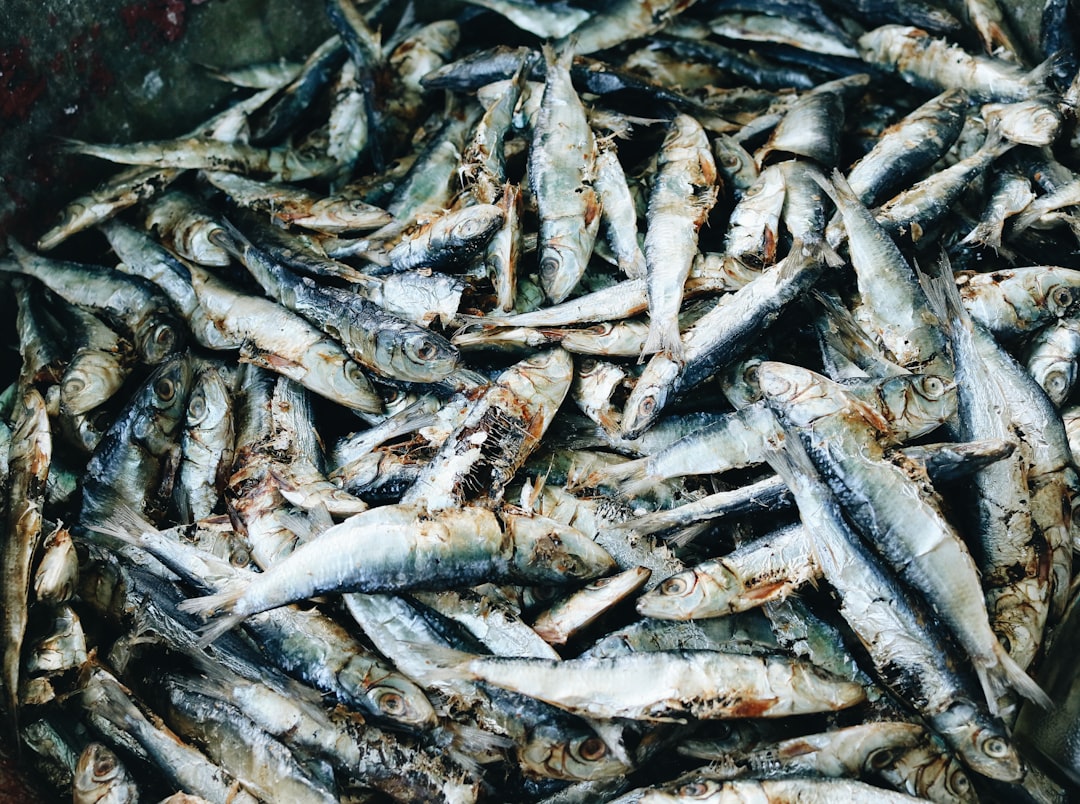
Overfishing has emerged as a critical issue in the Western Mediterranean, a region renowned for its rich marine biodiversity and vibrant fishing communities. The Mediterranean Sea, often referred to as a biodiversity hotspot, is home to numerous fish species that have sustained local economies and cultures for centuries. However, the relentless pursuit of fish has led to alarming declines in fish populations, threatening not only the ecological balance of the sea but also the livelihoods of those who depend on it.
The situation is exacerbated by a combination of factors, including increased fishing pressure, climate change, and inadequate regulatory frameworks. The consequences of overfishing extend beyond the immediate depletion of fish stocks; they ripple through entire ecosystems and affect the socio-economic fabric of coastal communities.
The urgency to address overfishing in the Western Mediterranean cannot be overstated, as it poses a significant threat to both marine biodiversity and the sustainability of fishing practices that have been integral to the region for generations.
Key Takeaways
- Overfishing in the Western Mediterranean has led to significant declines in key fish species and overall fish stocks.
- Illegal and unregulated fishing practices exacerbate the depletion of marine resources in the region.
- Overfishing causes serious economic losses and environmental damage, threatening marine biodiversity and local livelihoods.
- Sustainable fishing practices and strong government policies are essential to protect and restore fish populations.
- International cooperation and active involvement of fishing communities are crucial for effective conservation and the future health of fish stocks.
The Impact of Overfishing on Fish Stocks
The impact of overfishing on fish stocks in the Western Mediterranean is profound and multifaceted. Overfishing occurs when fish are caught at a rate faster than they can reproduce, leading to a decline in population sizes. This phenomenon has been particularly evident in commercially important species such as sardines, anchovies, and various types of tuna.
As these species become increasingly scarce, the entire marine ecosystem faces destabilization, as each species plays a crucial role in maintaining ecological balance. Moreover, overfishing not only affects target species but also has cascading effects on non-target species and habitats. The removal of key fish species disrupts predator-prey relationships and can lead to an overabundance of certain species, which may further alter the ecosystem dynamics.
The decline in fish stocks also impacts the food web, affecting marine mammals, seabirds, and other wildlife that rely on fish as a primary food source. Consequently, the repercussions of overfishing extend far beyond the fishing industry itself, threatening the health of marine ecosystems and the services they provide.
The Decline of Key Fish Species in the Western Mediterranean
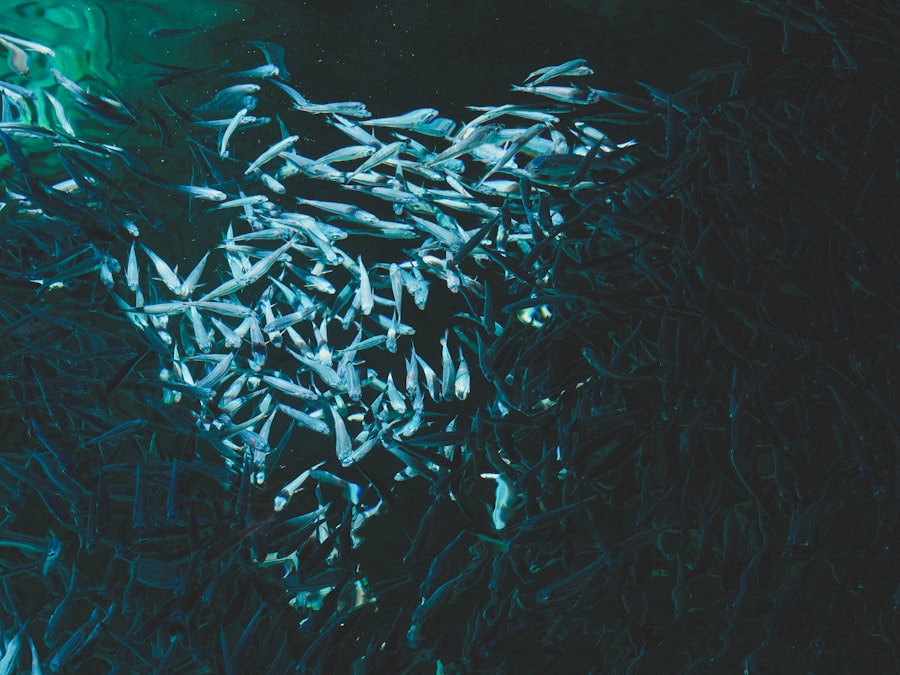
The decline of key fish species in the Western Mediterranean has reached alarming levels, with many populations now classified as overexploited or depleted. Species such as bluefin tuna, once abundant in these waters, have seen their numbers plummet due to unsustainable fishing practices and high demand in global markets. The International Commission for the Conservation of Atlantic Tunas (ICCAT) has reported that bluefin tuna stocks are at a fraction of their historical levels, prompting urgent calls for stricter management measures.
In addition to bluefin tuna, other vital species like hake and swordfish have also experienced significant declines. The loss of these species not only threatens biodiversity but also jeopardizes the livelihoods of fishermen who depend on them for their income. As these key species dwindle, fishermen are forced to venture further afield or invest in more expensive fishing technologies, leading to increased operational costs and economic strain on local communities.
The decline of these fish populations serves as a stark reminder of the urgent need for effective management strategies to ensure their recovery and sustainability.
The Role of Illegal and Unregulated Fishing in the Decline of Fish Stocks
Illegal and unregulated fishing practices have exacerbated the decline of fish stocks in the Western Mediterranean, complicating efforts to manage and conserve marine resources effectively. These activities often occur outside established regulations and can involve practices such as fishing without licenses, using prohibited gear, or exceeding catch limits. Such actions not only undermine legal fishing operations but also contribute significantly to the depletion of already vulnerable fish populations.
The prevalence of illegal fishing is driven by various factors, including economic incentives and weak enforcement mechanisms. In many cases, fishermen resort to illegal practices due to financial pressures or lack of viable alternatives. This creates a vicious cycle where legal fishermen face increased competition from unregulated operators, further straining fish stocks.
Addressing illegal fishing requires robust monitoring and enforcement measures, as well as international cooperation to ensure compliance with established regulations.
The Economic and Environmental Consequences of Overfishing
| Fish Species | Stock Status | Estimated Biomass (tons) | Fishing Mortality Rate | Recommended Catch Limit (tons/year) | Current Catch (tons/year) |
|---|---|---|---|---|---|
| European hake (Merluccius merluccius) | Overfished | 15,000 | 0.8 | 5,000 | 7,200 |
| Red mullet (Mullus barbatus) | Overfished | 8,000 | 1.1 | 2,500 | 3,400 |
| European anchovy (Engraulis encrasicolus) | Fully exploited | 50,000 | 0.6 | 20,000 | 19,500 |
| European sardine (Sardina pilchardus) | Overfished | 12,000 | 0.9 | 4,000 | 5,500 |
| Common sole (Solea solea) | Overfished | 6,000 | 1.0 | 1,800 | 2,300 |
The economic consequences of overfishing in the Western Mediterranean are far-reaching and multifaceted. As fish stocks decline, local fisheries face reduced catches, leading to decreased income for fishermen and associated businesses. This economic strain can ripple through coastal communities, affecting not only those directly involved in fishing but also sectors such as tourism and hospitality that rely on healthy marine ecosystems.
The loss of livelihoods can lead to social unrest and migration as individuals seek alternative sources of income elsewhere. Environmentally, overfishing disrupts marine ecosystems and diminishes biodiversity. The removal of key species can lead to imbalances that affect habitat health and resilience.
For instance, overfishing can result in algal blooms due to the absence of herbivorous fish that would typically graze on algae. These blooms can deplete oxygen levels in the water, leading to dead zones where marine life cannot survive. The degradation of marine habitats ultimately undermines the ecosystem services that healthy oceans provide, such as carbon sequestration and coastal protection.
Efforts to Address Overfishing in the Western Mediterranean

Efforts to address overfishing in the Western Mediterranean have gained momentum in recent years, driven by a growing recognition of the need for sustainable management practices. Various organizations and governments have initiated programs aimed at restoring fish stocks and promoting responsible fishing practices. These initiatives often involve setting catch limits based on scientific assessments, implementing seasonal closures to allow fish populations to recover, and promoting alternative livelihoods for fishing communities.
One notable effort is the establishment of Marine Protected Areas (MPAs) designed to safeguard critical habitats and promote biodiversity. These areas restrict certain fishing activities, allowing ecosystems to regenerate and recover from overexploitation. Additionally, regional cooperation among Mediterranean countries has become increasingly important in addressing shared challenges related to overfishing.
Collaborative efforts can enhance monitoring and enforcement capabilities while fostering knowledge exchange among nations.
The Importance of Sustainable Fishing Practices
Sustainable fishing practices are essential for ensuring the long-term viability of fish stocks in the Western Mediterranean. These practices prioritize ecological balance while allowing for responsible harvesting of marine resources. By adopting sustainable methods such as selective fishing gear, reducing bycatch, and adhering to catch limits based on scientific data, fishermen can help mitigate the impacts of overfishing.
Moreover, sustainable fishing practices contribute to the resilience of marine ecosystems by maintaining biodiversity and supporting healthy habitats. When fish populations are managed sustainably, they can thrive and reproduce at rates that support both ecological integrity and economic viability. Promoting awareness among fishermen about sustainable practices is crucial for fostering a culture of conservation within fishing communities.
The Role of Government Policies in Protecting Fish Stocks
Government policies play a pivotal role in protecting fish stocks in the Western Mediterranean by establishing regulatory frameworks that govern fishing activities. Effective policies should be based on scientific research and data-driven assessments that consider the ecological status of fish populations. By implementing measures such as catch quotas, size limits, and seasonal closures, governments can help ensure that fishing practices remain within sustainable limits.
Furthermore, enforcement mechanisms are essential for ensuring compliance with regulations. Governments must invest in monitoring programs that track fishing activities and assess stock health regularly. Collaboration with local communities is also vital; engaging fishermen in decision-making processes fosters a sense of ownership over conservation efforts and encourages adherence to regulations.
The Need for International Cooperation to Combat Overfishing
The transboundary nature of fish stocks necessitates international cooperation to effectively combat overfishing in the Western Mediterranean. Many fish species migrate across national boundaries, making unilateral actions insufficient for their conservation. Regional organizations such as the General Fisheries Commission for the Mediterranean (GFCM) play a crucial role in facilitating collaboration among Mediterranean countries.
International agreements aimed at sustainable fisheries management are essential for establishing common goals and standards across nations. By sharing data, best practices, and resources, countries can work together to address challenges related to overfishing more effectively. Collaborative efforts can also enhance enforcement capabilities against illegal fishing activities that threaten shared resources.
The Role of Fishing Communities in Conservation Efforts
Fishing communities are integral to conservation efforts aimed at addressing overfishing in the Western Mediterranean. These communities possess valuable traditional knowledge about local ecosystems and fish behavior that can inform sustainable management practices. Engaging fishermen in conservation initiatives fosters a sense of stewardship over marine resources and encourages responsible fishing practices.
Community-led initiatives such as co-management schemes empower local fishermen to take an active role in decision-making processes regarding fisheries management. By involving fishing communities in conservation efforts, stakeholders can develop tailored solutions that consider both ecological sustainability and socio-economic realities.
The Future of Fish Stocks in the Western Mediterranean
The future of fish stocks in the Western Mediterranean hinges on collective action toward sustainable fisheries management and conservation efforts. While challenges remain significant, there is hope for recovery if stakeholders commit to implementing effective strategies that prioritize ecological health alongside economic viability. Continued investment in research and monitoring will be essential for understanding stock dynamics and adapting management approaches accordingly.
Ultimately, fostering a culture of sustainability within fishing communities will be crucial for ensuring that future generations can continue to benefit from the rich marine resources of the Western Mediterranean. By embracing sustainable practices, strengthening regulations, and promoting international cooperation, there is potential for revitalizing fish stocks while preserving the cultural heritage tied to fishing traditions in this unique region.
Overfishing in the Western Mediterranean has become a pressing issue, threatening the sustainability of local fish stocks and marine ecosystems. A related article that delves deeper into this topic can be found at this link. It discusses the various factors contributing to overfishing and the urgent need for effective management strategies to protect these vital resources.
WATCH THIS! The $10 Trillion Secret: What Happens If The Strait of Gibraltar Closes For Good
FAQs
What is overfishing in the Western Mediterranean?
Overfishing in the Western Mediterranean refers to the excessive harvesting of fish and other marine species at rates faster than they can naturally reproduce, leading to a decline in fish populations and disruption of the marine ecosystem.
Which fish species are most affected by overfishing in the Western Mediterranean?
Key species affected include bluefin tuna, hake, red mullet, and various species of seabream and sardines. These species are commercially valuable and have experienced significant population declines due to overfishing.
What are the main causes of overfishing in the Western Mediterranean?
The main causes include high fishing pressure from both commercial and artisanal fisheries, illegal, unreported, and unregulated (IUU) fishing, inadequate enforcement of fishing regulations, and the use of unsustainable fishing methods such as bottom trawling.
What are the environmental impacts of overfishing in this region?
Overfishing leads to reduced fish stocks, loss of biodiversity, disruption of food webs, habitat degradation, and decreased resilience of marine ecosystems to environmental changes.
How does overfishing affect local economies in the Western Mediterranean?
Overfishing can lead to the collapse of fish stocks, which negatively impacts the livelihoods of fishermen and related industries, reduces income from fisheries, and threatens food security for coastal communities.
What measures are being taken to address overfishing in the Western Mediterranean?
Measures include implementing fishing quotas, seasonal closures, marine protected areas, gear restrictions, improved monitoring and enforcement, and international cooperation among Mediterranean countries to manage shared fish stocks sustainably.
Is overfishing in the Western Mediterranean linked to climate change?
While overfishing is primarily caused by human fishing activities, climate change can exacerbate its effects by altering marine habitats, affecting fish distribution and reproduction, and increasing the vulnerability of fish stocks.
How can consumers help reduce overfishing in the Western Mediterranean?
Consumers can help by choosing sustainably sourced seafood, supporting certification schemes like the Marine Stewardship Council (MSC), reducing seafood consumption, and raising awareness about the impacts of overfishing.
What role do international organizations play in managing overfishing in the Western Mediterranean?
Organizations such as the General Fisheries Commission for the Mediterranean (GFCM) coordinate regional fisheries management, set conservation measures, promote scientific research, and facilitate cooperation among Mediterranean countries to combat overfishing.
Can overfished stocks in the Western Mediterranean recover?
Yes, with effective management, enforcement of regulations, and conservation efforts, many overfished stocks have the potential to recover over time, restoring ecological balance and supporting sustainable fisheries.