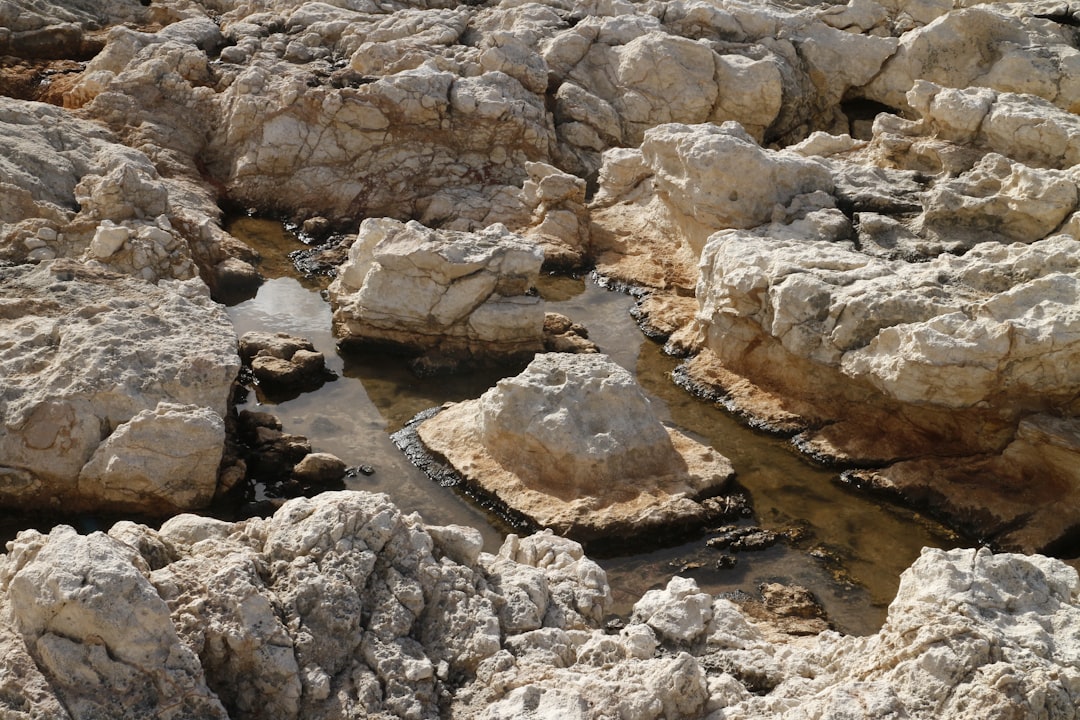
Geologic sills are intriguing features within the Earth’s crust, characterized by their horizontal or nearly horizontal layers of igneous rock that intrude between existing sedimentary layers. These formations are typically formed from magma that has pushed its way into the surrounding rock, solidifying as it cools. The study of sills provides valuable insights into the geological processes that shape the Earth’s surface and contribute to the understanding of tectonic activity.
Sills can vary significantly in size, composition, and age, making them a focal point for geologists interested in the history of the planet. The significance of geologic sills extends beyond their formation; they often serve as markers for understanding the geological timeline of an area. By examining the characteristics of these formations, scientists can infer the conditions under which they were created, including temperature, pressure, and the nature of the surrounding materials.
This information is crucial for reconstructing past environments and understanding the evolution of the Earth’s crust over millions of years.
Key Takeaways
- Geologic sills are important formations that influence sediment accumulation processes.
- Sediment accumulation varies by type and is affected by multiple environmental and geological factors.
- Understanding sediment accumulation is crucial for assessing environmental impacts and geological history.
- Human activities significantly alter sediment accumulation patterns, posing ecological challenges.
- Ongoing research and advanced methods are essential to address risks and improve sediment management.
Formation of Sediment Accumulation
Sediment accumulation occurs through a variety of natural processes, primarily driven by erosion, weathering, and transportation of materials. Over time, particles from rocks and organic matter are broken down and transported by wind, water, or ice, eventually settling in different environments such as riverbeds, lakes, and ocean floors. This process is not instantaneous; rather, it unfolds over extensive periods, leading to the gradual buildup of sediments that can reach significant thicknesses.
The interplay between these processes creates a dynamic system where sediment is continuously deposited and reworked. The formation of sediment accumulation is influenced by several factors, including climate, topography, and biological activity. For instance, in arid regions, wind can play a dominant role in transporting fine particles, while in wetter climates, rivers may carry larger sediments downstream.
Additionally, biological processes such as the decay of organic matter contribute to sediment composition, enriching it with nutrients that can support diverse ecosystems.
Types of Sediment Accumulation
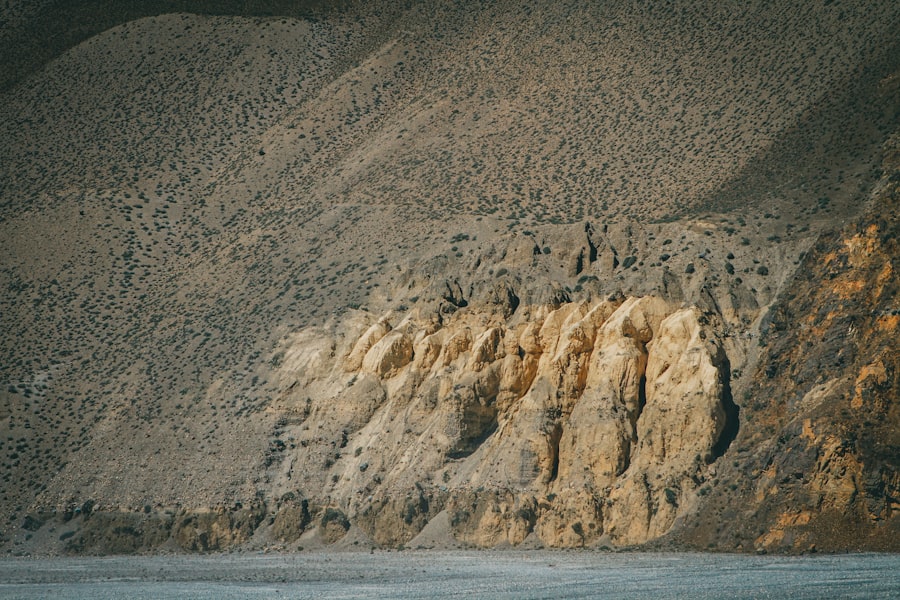
Sediment accumulation can be classified into several types based on the origin and characteristics of the sediments involved. Clastic sediments, which are composed of fragments of pre-existing rocks, are among the most common types. These sediments are typically classified by their grain size, ranging from coarse gravel to fine clay.
Each type of clastic sediment provides unique insights into the conditions under which they were deposited, such as energy levels in the environment and transport mechanisms. Another significant category is chemical sediments, which form through the precipitation of minerals from solution. This process often occurs in bodies of water where evaporation rates are high, leading to the concentration and crystallization of minerals like salt or gypsum.
Biogenic sediments also play a crucial role in sediment accumulation; these are formed from the remains of living organisms, such as shells or plant material. Each type of sediment accumulation contributes to the geological record and helps scientists piece together past environmental conditions.
Importance of Sediment Accumulation
The importance of sediment accumulation cannot be overstated; it plays a vital role in shaping landscapes and influencing ecosystems. Sediments act as natural archives that preserve evidence of past climates, biological activity, and geological events. By studying sediment layers, scientists can reconstruct historical climate patterns and understand how ecosystems have responded to changes over time.
This information is invaluable for predicting future environmental shifts and managing natural resources effectively. Moreover, sediment accumulation is essential for various ecological processes. It provides habitats for numerous organisms, from microorganisms to larger species that rely on sediment-rich environments for food and shelter.
Wetlands, river deltas, and coastal areas are particularly dependent on sediment dynamics for their health and sustainability. The balance between sediment deposition and erosion is crucial for maintaining these ecosystems, highlighting the interconnectedness of geological processes and biological communities.
Factors Affecting Sediment Accumulation
| Parameter | Value | Units | Description |
|---|---|---|---|
| Average Sediment Accumulation Rate | 0.5 | mm/year | Typical rate of sediment deposition on geologic sills |
| Maximum Sediment Thickness | 15 | meters | Observed maximum sediment thickness over a sill |
| Age of Sediment Layer | 30,000 | years | Estimated age of sediment accumulation on sill |
| Porosity | 35 | % | Average porosity of sediment layers |
| Grain Size | 0.2 – 0.5 | mm | Range of sediment grain sizes |
| Organic Carbon Content | 1.2 | % | Average organic carbon percentage in sediment |
| Bulk Density | 1.6 | g/cm³ | Density of sediment material |
Several factors influence sediment accumulation, each contributing to the complexity of this geological phenomenon. One primary factor is climate; variations in temperature and precipitation patterns can significantly affect erosion rates and sediment transport mechanisms. For instance, heavy rainfall can lead to increased runoff and erosion, resulting in higher sediment loads in rivers and streams.
Conversely, arid conditions may slow down these processes, leading to less accumulation. Topography also plays a critical role in sediment dynamics.
Human activities further complicate these natural processes; urbanization, agriculture, and deforestation can alter land surfaces and disrupt natural sediment flows. Understanding these factors is essential for managing sediment-related issues such as riverbank erosion or sedimentation in reservoirs.
Geological Significance of Sediment Accumulation
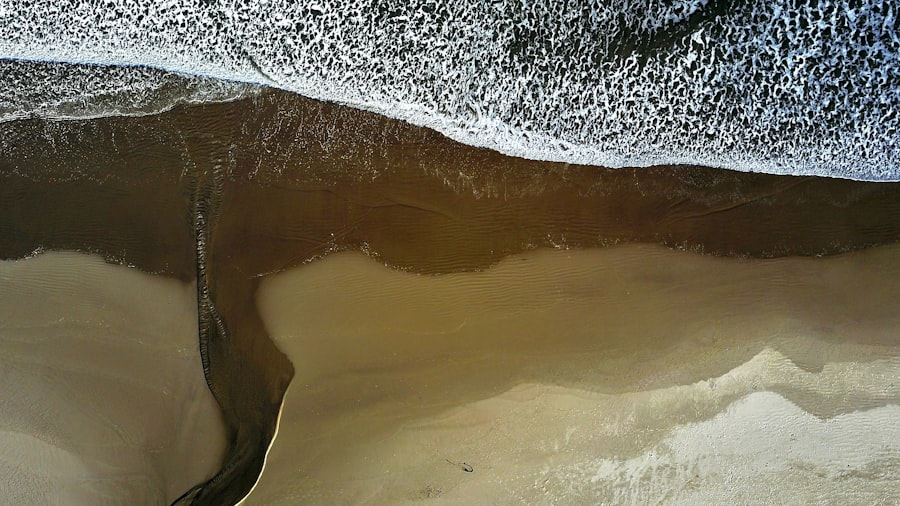
Sediment accumulation holds significant geological importance as it provides a record of Earth’s history over millions of years. Layers of sediment can reveal information about past environments, including changes in climate, sea level fluctuations, and tectonic activity. By analyzing these layers through techniques such as radiometric dating or stratigraphy, geologists can construct timelines that illustrate how landscapes have evolved.
Additionally, sedimentary rocks formed from accumulated sediments are crucial for understanding resource distribution. Many fossil fuels, groundwater aquifers, and mineral deposits originate from sedimentary processes. The study of sediment accumulation thus not only informs scientists about past geological events but also aids in resource exploration and management efforts.
Impact of Sediment Accumulation on the Environment
The impact of sediment accumulation on the environment is multifaceted. On one hand, it contributes positively by creating fertile soils that support agriculture and diverse ecosystems. River deltas formed by sediment deposition are among the most productive areas on Earth due to their nutrient-rich soils.
These regions provide essential resources for human populations and wildlife alike. On the other hand, excessive sediment accumulation can lead to negative environmental consequences. For example, increased sedimentation in rivers can disrupt aquatic habitats by smothering fish spawning grounds or altering water quality.
Additionally, human-induced changes such as deforestation or construction can exacerbate erosion rates, leading to unsustainable levels of sediment transport into waterways. Balancing these impacts is crucial for maintaining healthy ecosystems and ensuring sustainable land use practices.
Methods of Studying Sediment Accumulation
Studying sediment accumulation involves a variety of methods that allow scientists to analyze both current processes and historical records. Fieldwork is often a primary approach; researchers collect sediment samples from various locations to assess composition, grain size distribution, and other physical properties. This hands-on analysis provides immediate insights into local sediment dynamics.
In addition to field studies, laboratory techniques play a vital role in understanding sediment accumulation. Techniques such as X-ray diffraction or scanning electron microscopy enable scientists to examine mineral compositions at a microscopic level. Furthermore, remote sensing technologies allow for large-scale monitoring of sediment transport patterns across landscapes.
By integrating these methods, researchers can develop comprehensive models that predict future sediment dynamics based on current trends.
Human Activities and Sediment Accumulation
Human activities have a profound impact on sediment accumulation processes across the globe. Urbanization often leads to increased impervious surfaces that prevent natural water absorption and increase runoff during rainfall events. This change can result in higher erosion rates upstream and increased sediment loads downstream as water flows more rapidly into rivers and streams.
Agricultural practices also significantly influence sediment dynamics. Practices such as plowing or deforestation can destabilize soil structures, leading to increased erosion and sediment transport into nearby waterways. Additionally, construction activities often disturb natural landscapes, exacerbating erosion issues further.
Understanding these human impacts is essential for developing strategies to mitigate negative effects on sediment accumulation and overall environmental health.
Challenges and Risks Associated with Sediment Accumulation
Despite its importance, studying sediment accumulation presents several challenges and risks that researchers must navigate. One significant challenge is accurately predicting how changes in climate will affect sediment dynamics over time. As global temperatures rise and weather patterns shift, understanding how these changes will influence erosion rates and deposition becomes increasingly complex.
Moreover, human-induced alterations to landscapes pose risks not only to natural ecosystems but also to human infrastructure. Increased sedimentation can lead to flooding or reduced water quality in rivers and lakes, impacting communities that rely on these resources for drinking water or recreation. Addressing these challenges requires interdisciplinary collaboration among geologists, environmental scientists, urban planners, and policymakers to develop effective management strategies.
Future Outlook for Sediment Accumulation Research
The future outlook for research on sediment accumulation is promising as advancements in technology continue to enhance scientific understanding of this complex process. Emerging techniques such as machine learning and artificial intelligence are being integrated into geological studies to analyze large datasets more efficiently than ever before. These innovations may lead to more accurate predictions regarding how sediments will behave under changing environmental conditions.
Furthermore, interdisciplinary approaches that combine geology with ecology and climate science will be crucial for addressing pressing environmental issues related to sediment dynamics. As global challenges such as climate change intensify, understanding how sediment accumulation interacts with broader ecological systems will be vital for developing sustainable solutions that protect both natural resources and human communities alike. In conclusion, sediment accumulation is a fundamental aspect of geological processes that shapes landscapes and influences ecosystems worldwide.
Its study reveals critical insights into Earth’s history while also highlighting the interconnectedness between natural systems and human activities. As research continues to evolve in this field, it holds the potential to inform better management practices that ensure the sustainability of both our environment and resources for future generations.
Geologic sills play a crucial role in sediment accumulation, influencing the surrounding geological formations and ecosystems. For a deeper understanding of this phenomenon, you can explore the article on sedimentary processes and their implications in geological studies at MyGeoQuest. This resource provides valuable insights into how sills interact with sediment layers and contribute to the overall geological landscape.
WATCH THIS! The $10 Trillion Secret: What Happens If The Strait of Gibraltar Closes For Good
FAQs
What is a geologic sill?
A geologic sill is a tabular sheet of igneous rock that has intruded between older layers of sedimentary rock, volcanic lava, or tuff. It is typically formed when magma intrudes parallel to the bedding planes of the surrounding rock and solidifies.
How does sediment accumulate on a geologic sill?
Sediment accumulates on a geologic sill when sedimentary particles settle out of water or air and deposit on the surface of the sill. Over time, these sediments can build up, forming layers that may eventually lithify into sedimentary rock.
Why is sediment accumulation on sills important?
Sediment accumulation on sills is important because it can provide information about the environmental conditions at the time of deposition, such as water depth, climate, and biological activity. It also affects the thermal and mechanical properties of the sill and surrounding rocks.
Can sediment accumulation affect the preservation of a geologic sill?
Yes, sediment accumulation can protect a geologic sill from erosion and weathering by covering it with layers of sediment. This can help preserve the sill’s structure and composition over geological time.
What types of sediments typically accumulate on geologic sills?
The types of sediments that accumulate on geologic sills vary depending on the environment but commonly include sand, silt, clay, and organic material. In marine settings, carbonate sediments may also accumulate.
How do geologists study sediment accumulation on sills?
Geologists study sediment accumulation on sills through field observations, sampling, petrographic analysis, and geochemical techniques. They may also use geophysical methods and radiometric dating to understand the timing and processes involved.
Does sediment accumulation influence the cooling of a geologic sill?
Yes, sediment accumulation can influence the cooling rate of a geologic sill. Sediments act as insulating layers, potentially slowing the cooling process and affecting the crystallization and texture of the igneous rock.
Are geologic sills always horizontal?
Geologic sills are generally parallel to the bedding planes of the surrounding rock, which are often horizontal or gently inclined. However, tectonic activity can tilt or deform sills after their formation.
What is the difference between a sill and a dike?
A sill is an intrusive igneous body that runs parallel to the bedding planes of the surrounding rock, while a dike cuts across these layers vertically or at a steep angle. Both are formed by magma intrusion but differ in orientation.
Can sediment accumulation on sills provide clues about past geological events?
Yes, sediment layers on sills can record changes in depositional environments, climate shifts, and biological activity, offering valuable insights into the geological history of an area.