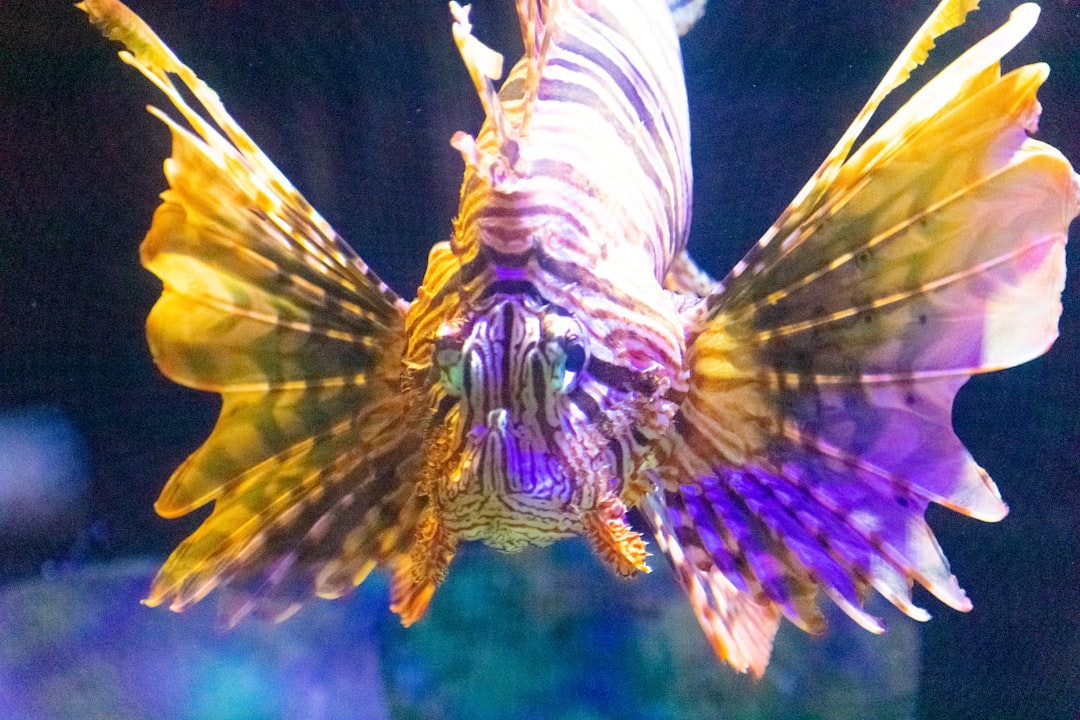
The lionfish, a strikingly beautiful yet invasive species, has become a significant concern in marine ecosystems around the world. Originally native to the Indo-Pacific region, these fish are easily recognizable by their vibrant coloration and long, venomous spines. Their introduction into non-native waters has raised alarms among ecologists and marine biologists alike, as they pose a serious threat to local biodiversity.
The lionfish invasion is not merely a tale of an exotic species gone awry; it is a complex narrative that intertwines ecological disruption, economic ramifications, and the urgent need for effective management strategies. As lionfish continue to proliferate in various marine environments, their impact is felt acutely in regions like the Mediterranean Sea. This body of water, known for its rich biodiversity and unique ecosystems, is now facing unprecedented challenges due to the presence of this invasive predator.
The lionfish’s rapid reproduction and aggressive feeding habits have led to significant changes in the dynamics of local marine life, prompting a reevaluation of conservation efforts and management practices. Understanding the intricacies of this invasion is crucial for developing effective strategies to mitigate its effects and protect the delicate balance of Mediterranean ecosystems.
Key Takeaways
- Lionfish invasion in the Mediterranean is rapidly spreading, threatening native marine life.
- Their presence disrupts the ecosystem balance by preying on native species and competing for resources.
- Economic impacts include harm to fisheries and tourism industries dependent on healthy marine environments.
- Control efforts face challenges due to lionfish’s adaptability and lack of natural predators.
- Public awareness, education, and collaborative conservation strategies are crucial for managing the invasion.
The Spread of Lionfish in the Mediterranean
The spread of lionfish in the Mediterranean can be traced back to their accidental introduction through the aquarium trade and subsequent releases into the wild. Over the past few decades, these fish have established themselves in various coastal regions, thriving in the warm waters that characterize the Mediterranean climate. Their adaptability to different habitats, from coral reefs to rocky substrates, has facilitated their rapid expansion across this diverse marine landscape.
Reports indicate that lionfish populations have been detected in countries such as Greece, Italy, and Turkey, raising concerns about their potential impact on local marine biodiversity. As lionfish continue to spread throughout the Mediterranean, researchers have observed alarming trends in their population growth. The absence of natural predators in this new environment allows them to reproduce unchecked, leading to exponential increases in their numbers.
This unchecked growth poses a significant threat to native species, as lionfish are voracious predators that consume a wide variety of fish and invertebrates. The implications of their spread extend beyond immediate ecological concerns; they also signal a shift in the dynamics of marine ecosystems that could have long-lasting effects on biodiversity and ecosystem health.
Impact on Native Species
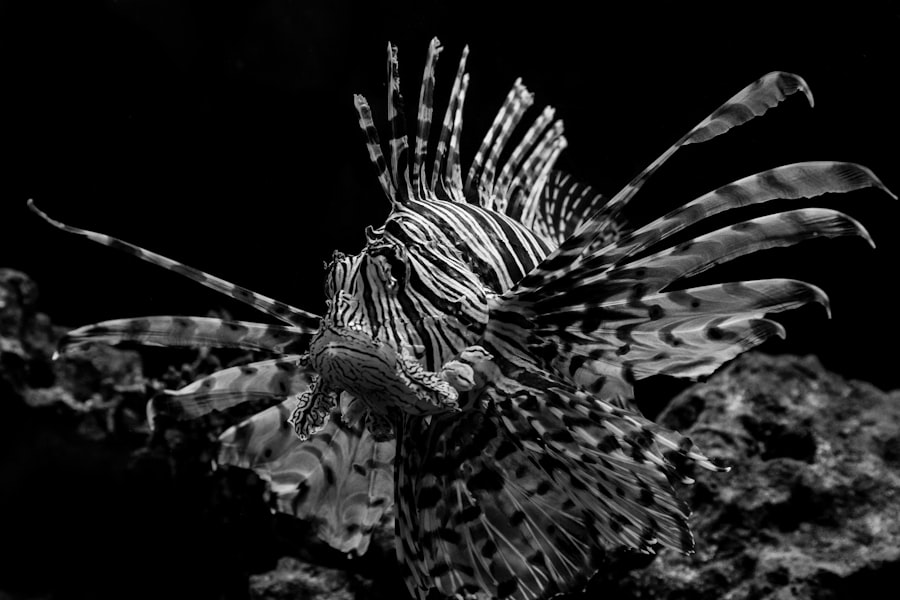
The impact of lionfish on native species in the Mediterranean is profound and multifaceted. As apex predators, lionfish exert significant pressure on local fish populations, particularly smaller reef fish that are crucial for maintaining ecological balance. Their predation can lead to declines in native species, disrupting food webs and altering community structures within marine ecosystems.
Studies have shown that lionfish can reduce the abundance of native fish by as much as 80% in some areas, raising alarms among conservationists and marine biologists. Moreover, the presence of lionfish can lead to a cascading effect on other marine organisms. As native fish populations dwindle, herbivorous fish that play a vital role in controlling algal growth may also decline.
This can result in an overgrowth of algae, further degrading coral reefs and other critical habitats. The loss of biodiversity not only affects the health of marine ecosystems but also diminishes the resilience of these systems to environmental changes, such as climate change and pollution. The intricate relationships between species highlight the importance of understanding the broader implications of lionfish invasion on native marine life.
Disruption of Ecosystem Balance
The disruption of ecosystem balance caused by lionfish invasion extends beyond individual species interactions; it encompasses entire communities and habitats within the Mediterranean Sea. As lionfish establish themselves as dominant predators, they alter the dynamics of competition among native species. This shift can lead to a homogenization of marine communities, where fewer species thrive while others struggle to survive.
The loss of biodiversity not only diminishes the aesthetic and ecological value of these ecosystems but also undermines their ability to provide essential services such as coastal protection and carbon sequestration. Furthermore, the introduction of lionfish has implications for habitat structure and function. Coral reefs, which are already under stress from climate change and pollution, face additional challenges from lionfish predation.
The decline of herbivorous fish due to lionfish predation can lead to increased algal cover on reefs, inhibiting coral growth and recovery. This feedback loop exacerbates existing threats to coral ecosystems, making them more vulnerable to bleaching events and other stressors.
Economic Consequences
| Metric | Value | Details |
|---|---|---|
| First Recorded Sighting | 2012 | Off the coast of Cyprus |
| Current Distribution | Eastern Mediterranean Sea | Including coasts of Cyprus, Lebanon, Israel, Turkey, and Greece |
| Estimated Population Growth Rate | High | Rapid reproduction and spread observed |
| Average Size | 20-40 cm | Adult lionfish size range in Mediterranean |
| Impact on Native Species | Significant | Predation on native fish and invertebrates, competition for resources |
| Venomous Spines | Yes | Defense mechanism, harmful to humans |
| Control Measures | Targeted removal | Diving culls and fishing encouraged to reduce population |
| Reproductive Rate | Up to 2 million eggs per year | High fecundity contributes to invasive success |
The economic consequences of lionfish invasion in the Mediterranean are significant and multifaceted. Local fisheries, which rely on healthy fish populations for sustenance and livelihood, face challenges as lionfish decimate native stocks. Fishermen may find themselves catching fewer target species, leading to reduced income and increased competition for dwindling resources.
The economic impact extends beyond individual fishermen; entire communities that depend on fishing for their livelihoods may experience economic instability as a result of declining fish populations. Moreover, the tourism industry, which is vital for many Mediterranean coastal economies, is also at risk due to lionfish invasion. Tourists are drawn to vibrant coral reefs teeming with diverse marine life; however, the presence of invasive species can diminish the appeal of these natural attractions.
As ecosystems become less diverse and visually appealing due to lionfish predation, tourism may decline, further exacerbating economic challenges for coastal communities. Addressing the economic ramifications of lionfish invasion requires a comprehensive approach that considers both ecological health and community well-being.
Efforts to Control Lionfish Population
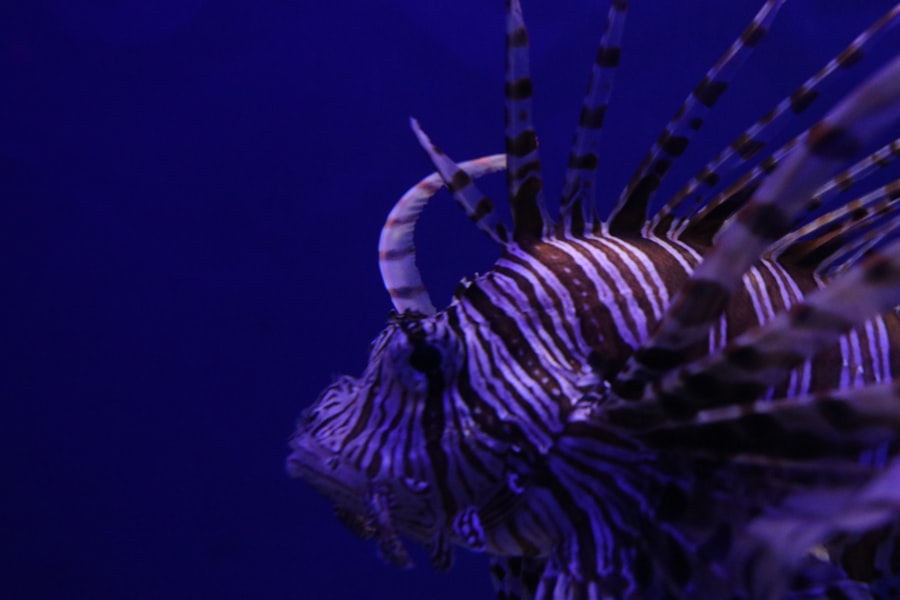
In response to the growing threat posed by lionfish invasion, various efforts have been initiated to control their populations in the Mediterranean. These initiatives range from targeted removal programs to public awareness campaigns aimed at educating local communities about the importance of managing this invasive species. Divers and fishermen are often enlisted to participate in culling efforts, with some regions even hosting lionfish derbies to incentivize removal through friendly competition.
Additionally, research institutions and conservation organizations are collaborating to develop more effective management strategies for controlling lionfish populations. These strategies may include monitoring programs to track population dynamics and assess the effectiveness of removal efforts over time. By gathering data on lionfish distribution and abundance, researchers can better understand their ecological impact and inform future management decisions.
The collective efforts to control lionfish populations reflect a growing recognition of the need for proactive measures in addressing invasive species challenges.
Challenges in Managing Lionfish Invasion
Despite ongoing efforts to manage lionfish populations, several challenges persist in effectively addressing this invasion. One significant hurdle is the sheer reproductive capacity of lionfish; a single female can produce thousands of eggs multiple times a year, making it difficult for removal efforts to keep pace with population growth. Additionally, the vastness of the Mediterranean Sea presents logistical challenges for monitoring and culling initiatives, as resources may be limited in certain areas.
Another challenge lies in changing public perceptions about lionfish. While some communities have embraced initiatives to consume lionfish as a means of control—highlighting their culinary potential—others may be hesitant due to misconceptions about their venomous spines or unfamiliarity with preparing them for consumption. Overcoming these barriers requires sustained education and outreach efforts to promote awareness about both the ecological threats posed by lionfish and their potential benefits as a food source.
Potential Solutions and Mitigation Strategies
To effectively mitigate the impacts of lionfish invasion in the Mediterranean, a multifaceted approach is essential. One potential solution involves enhancing community engagement through education and outreach programs that emphasize the importance of responsible fishing practices and invasive species management. By fostering a sense of stewardship among local communities, stakeholders can work collaboratively towards sustainable solutions that benefit both marine ecosystems and local economies.
Another promising strategy involves exploring innovative technologies for monitoring and controlling lionfish populations. Advances in underwater robotics and remote sensing could provide valuable tools for tracking lionfish distribution and assessing their ecological impact more efficiently. Additionally, promoting sustainable fishing practices that prioritize native species conservation can help restore balance within marine ecosystems while simultaneously supporting local fisheries.
Importance of Public Awareness and Education
Public awareness and education play a crucial role in addressing the challenges posed by lionfish invasion in the Mediterranean. By informing local communities about the ecological threats associated with invasive species, stakeholders can foster greater understanding and engagement in conservation efforts. Educational initiatives can empower individuals to take action—whether through participating in removal programs or adopting sustainable fishing practices that prioritize native species.
Moreover, raising awareness about the culinary potential of lionfish can help shift perceptions surrounding this invasive species. By promoting recipes and cooking demonstrations that highlight lionfish as a delicious seafood option, communities can create demand for this fish while simultaneously reducing its population in local waters. Public awareness campaigns that emphasize both ecological responsibility and culinary creativity can serve as powerful tools for mitigating the impacts of lionfish invasion.
Collaborative Approaches for Conservation
Addressing the challenges posed by lionfish invasion requires collaborative approaches that bring together diverse stakeholders—from government agencies and research institutions to local communities and fishermen. Collaborative efforts can facilitate knowledge sharing, resource pooling, and coordinated action towards effective management strategies. By fostering partnerships among various stakeholders, conservation initiatives can leverage collective expertise and resources to tackle this complex issue more effectively.
International collaboration is also essential given the transboundary nature of marine ecosystems. Sharing best practices and lessons learned from different regions facing similar challenges can enhance overall understanding and inform more effective management strategies across borders. Collaborative approaches that prioritize inclusivity and stakeholder engagement can pave the way for innovative solutions that benefit both marine ecosystems and coastal communities.
Future Outlook for the Mediterranean Ecosystem
The future outlook for the Mediterranean ecosystem in light of lionfish invasion remains uncertain but not without hope. While the challenges posed by this invasive species are significant, ongoing efforts to manage their populations demonstrate a commitment to preserving biodiversity and ecosystem health. By prioritizing education, community engagement, and collaborative conservation approaches, stakeholders can work towards mitigating the impacts of lionfish invasion while fostering resilience within marine ecosystems.
As researchers continue to study the effects of lionfish on native species and ecosystem balance, there is potential for innovative solutions that promote coexistence between human activities and marine conservation efforts. The future health of Mediterranean ecosystems hinges on collective action—an endeavor that calls for collaboration across sectors and borders to safeguard these precious marine environments for generations to come.
The lionfish, an invasive species in the Mediterranean Sea, poses a significant threat to local marine ecosystems due to its rapid reproduction and lack of natural predators. For a deeper understanding of the impact of this invasive species and the ongoing efforts to manage its population, you can read more in this related article: Lionfish Invasion in the Mediterranean. This article provides insights into the ecological consequences and potential solutions to mitigate the challenges posed by lionfish in the region.
WATCH THIS! The $10 Trillion Secret: What Happens If The Strait of Gibraltar Closes For Good
FAQs
What is a lionfish?
Lionfish are venomous marine fish known for their distinctive striped appearance and long, spiny fins. They are native to the Indo-Pacific region.
Why are lionfish considered invasive in the Mediterranean Sea?
Lionfish are considered invasive in the Mediterranean Sea because they are not native to this region and have established breeding populations, disrupting local ecosystems by preying on native species and competing for resources.
How did lionfish arrive in the Mediterranean Sea?
Lionfish likely arrived in the Mediterranean Sea through the Suez Canal, a process known as Lessepsian migration, or possibly through aquarium releases.
What impact do lionfish have on the Mediterranean marine ecosystem?
Lionfish negatively impact the Mediterranean ecosystem by preying on native fish and invertebrates, reducing biodiversity, and altering the balance of marine communities.
Are lionfish dangerous to humans?
Yes, lionfish have venomous spines that can cause painful stings to humans, but they are not typically fatal. Caution is advised when handling or encountering them.
What measures are being taken to control lionfish populations in the Mediterranean?
Control measures include organized culling events, promoting lionfish as a food source to encourage fishing, and public awareness campaigns to prevent further spread.
Can lionfish be eaten safely?
Yes, lionfish are edible and considered a delicacy in some areas. Proper preparation removes venomous spines, making them safe to consume.
How can the public help manage the lionfish invasion?
The public can help by reporting sightings, participating in removal efforts, avoiding releasing aquarium species into the wild, and supporting local conservation initiatives.