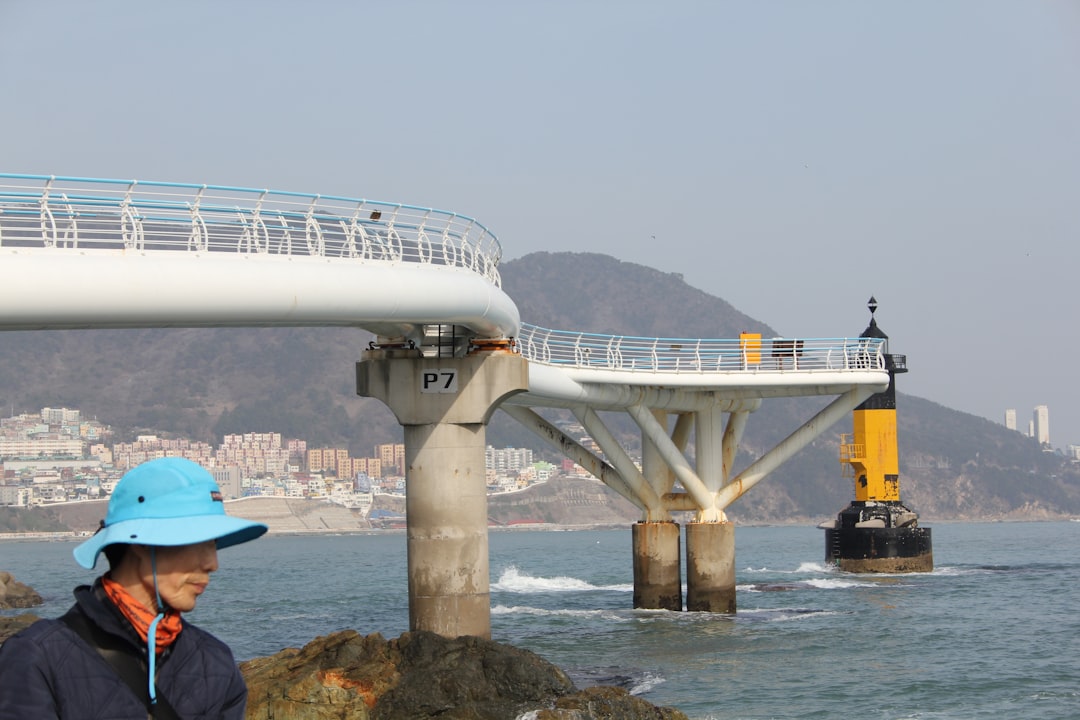
The maritime industry serves as a backbone for global trade, facilitating the movement of goods across oceans and connecting economies worldwide. The significance of securing maritime infrastructure cannot be overstated, as it plays a crucial role in ensuring the safety and efficiency of shipping operations. Ports, vessels, and shipping routes are not only vital for economic stability but also for national security.
A disruption in maritime operations can lead to severe economic repercussions, affecting supply chains and causing financial losses that ripple through various sectors. Moreover, the maritime domain is increasingly becoming a target for various threats, including piracy, terrorism, and environmental hazards. The consequences of such threats extend beyond immediate financial losses; they can also lead to loss of life, environmental disasters, and geopolitical tensions.
Therefore, understanding the importance of securing maritime infrastructure is essential for governments, businesses, and international organizations alike.
Key Takeaways
- Securing maritime infrastructure is critical to protect global trade and national security.
- Identifying vulnerabilities helps prioritize risk management and targeted security measures.
- Advanced technology and surveillance systems enhance detection and response capabilities.
- Collaboration among stakeholders strengthens overall maritime security efforts.
- Continuous training, regulatory compliance, and innovation are essential for evolving threats.
Identifying Vulnerabilities in Maritime Infrastructure
Identifying vulnerabilities within maritime infrastructure is a critical step in enhancing security measures. Various elements of the maritime ecosystem, including ports, vessels, and supply chains, can be susceptible to a range of threats. For instance, ports often face challenges such as inadequate physical security measures, outdated technology, and insufficient personnel training.
These vulnerabilities can create opportunities for malicious actors to exploit weaknesses, leading to potential breaches that could disrupt operations or compromise safety. In addition to physical vulnerabilities, the maritime sector must also contend with operational weaknesses. Inefficient communication systems, lack of coordination among agencies, and insufficient risk awareness can exacerbate security challenges.
By conducting thorough assessments of these vulnerabilities, stakeholders can develop targeted strategies to mitigate risks. This proactive approach not only enhances the resilience of maritime infrastructure but also ensures that potential threats are addressed before they escalate into significant incidents.
Implementing Risk Assessment and Management Strategies
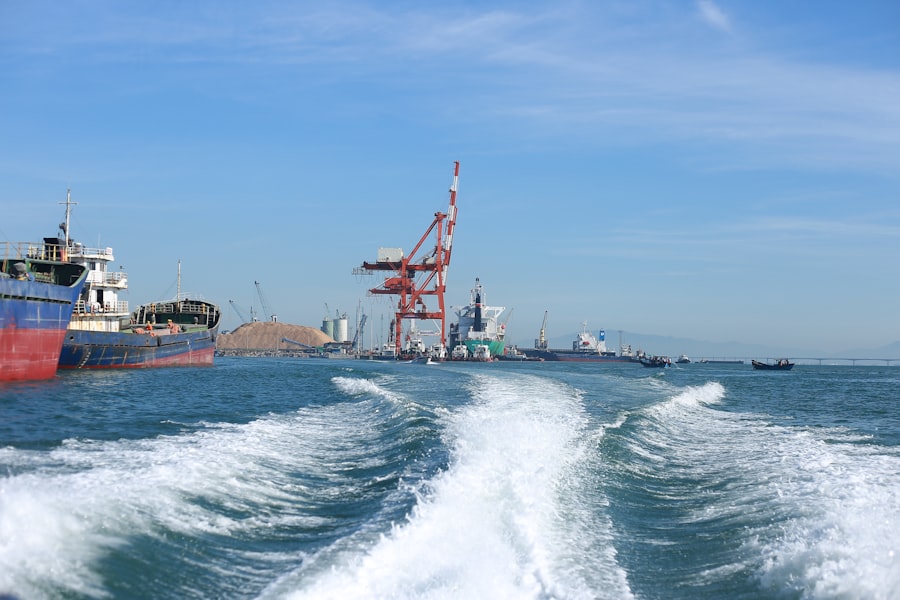
Implementing effective risk assessment and management strategies is paramount for safeguarding maritime infrastructure. A comprehensive risk assessment involves identifying potential threats, evaluating their likelihood and impact, and prioritizing them based on severity. This process enables stakeholders to allocate resources effectively and develop tailored security measures that address specific vulnerabilities.
By adopting a systematic approach to risk management, organizations can enhance their preparedness and response capabilities. Furthermore, risk management strategies should be dynamic and adaptable to evolving threats. Regular reviews and updates to risk assessments are essential to account for changes in the maritime landscape, such as emerging technologies or shifts in geopolitical dynamics.
Engaging with industry experts and leveraging data analytics can provide valuable insights into potential risks and inform decision-making processes. Ultimately, a robust risk management framework not only protects maritime assets but also fosters a culture of security awareness among personnel.
Utilizing Technology for Enhanced Security Measures
The integration of technology into maritime security practices has revolutionized the way stakeholders protect their assets. Advanced technologies such as surveillance systems, drones, and automated monitoring tools have become indispensable in enhancing security measures. For instance, real-time surveillance systems can provide continuous monitoring of port activities, enabling authorities to detect suspicious behavior promptly.
Drones equipped with cameras can cover vast areas quickly, offering a bird’s-eye view of potential threats that may go unnoticed from the ground. Moreover, data analytics and artificial intelligence (AI) play a crucial role in predicting and preventing security breaches. By analyzing historical data and identifying patterns, AI algorithms can help stakeholders anticipate potential threats and respond proactively.
The use of blockchain technology is also gaining traction in the maritime sector, providing secure and transparent tracking of cargo movements. By harnessing these technological advancements, the maritime industry can significantly enhance its security posture and mitigate risks associated with various threats.
Establishing Collaborative Partnerships for Maritime Security
| Metric | Description | Current Status | Target/Goal | Measurement Frequency |
|---|---|---|---|---|
| Port Security Compliance Rate | Percentage of maritime ports meeting international security standards | 85% | 100% | Annual |
| Maritime Incident Response Time | Average time taken to respond to security incidents at sea or in port | 45 minutes | 30 minutes | Quarterly |
| Number of Piracy Attacks | Reported piracy and armed robbery incidents in strategic maritime zones | 12 incidents/year | 0 incidents | Annual |
| Critical Infrastructure Vulnerability Assessments | Number of assessments conducted on maritime infrastructure vulnerabilities | 15 assessments/year | 20 assessments/year | Annual |
| Cybersecurity Breaches in Maritime Systems | Number of detected cybersecurity incidents affecting maritime infrastructure | 5 breaches/year | 0 breaches | Monthly |
| Training and Drills Conducted | Number of strategic infrastructure protection training sessions and drills | 8 sessions/year | 12 sessions/year | Quarterly |
| Investment in Maritime Security Technology | Level of investment in surveillance, detection, and response technologies | Moderate | High | Annual |
Collaboration among various stakeholders is essential for effective maritime security. Governments, private sector entities, international organizations, and local communities must work together to create a unified approach to safeguarding maritime infrastructure. Establishing collaborative partnerships allows for the sharing of information, resources, and best practices, ultimately strengthening the overall security framework.
International cooperation is particularly vital in addressing transnational threats such as piracy and smuggling. Joint exercises and training programs can enhance interoperability among different agencies and countries, fostering a collective response to security challenges. Additionally, public-private partnerships can facilitate investment in security technologies and infrastructure improvements.
By leveraging the strengths of various stakeholders, the maritime industry can create a more resilient security environment that benefits all parties involved.
Training and Equipping Personnel for Maritime Protection

The effectiveness of any security strategy hinges on the capabilities of personnel responsible for implementing it. Training and equipping personnel for maritime protection is therefore a critical component of enhancing security measures. Comprehensive training programs should encompass various aspects of maritime security, including threat recognition, emergency response protocols, and the use of advanced technologies.
Moreover, ongoing training is essential to keep personnel updated on evolving threats and best practices. Regular drills and simulations can help reinforce skills and ensure that individuals are prepared to respond effectively in real-world scenarios. Equipping personnel with the necessary tools and resources further enhances their ability to carry out their responsibilities effectively.
By investing in human capital, organizations can create a workforce that is not only knowledgeable but also proactive in safeguarding maritime infrastructure.
Developing Contingency Plans for Maritime Security Threats
Developing contingency plans is a fundamental aspect of maritime security preparedness. These plans outline specific actions to be taken in response to various security threats or incidents. A well-structured contingency plan should include clear communication protocols, designated roles and responsibilities, and procedures for coordinating with external agencies.
Regular testing and updating of contingency plans are essential to ensure their effectiveness in real-world situations. Simulated exercises can help identify gaps in response strategies and allow stakeholders to refine their approaches accordingly. Additionally, engaging with local communities and stakeholders during the planning process fosters a sense of ownership and collaboration in addressing potential threats.
By having robust contingency plans in place, organizations can minimize the impact of security incidents and ensure a swift recovery.
Enhancing Port Security and Surveillance Systems
Port security is a critical component of overall maritime infrastructure protection. Given that ports serve as entry points for goods and people, they are particularly vulnerable to various threats. Enhancing port security involves implementing comprehensive measures that encompass physical security, access control systems, and advanced surveillance technologies.
Investing in state-of-the-art surveillance systems can significantly improve situational awareness within ports. High-definition cameras equipped with facial recognition technology can help identify unauthorized individuals or suspicious activities in real time. Additionally, access control systems that utilize biometric authentication can restrict entry to sensitive areas within ports, reducing the risk of insider threats.
By prioritizing port security enhancements, stakeholders can create a safer environment for maritime operations while ensuring compliance with international security standards.
Addressing Cybersecurity Threats in Maritime Infrastructure
As the maritime industry becomes increasingly reliant on digital technologies, addressing cybersecurity threats has emerged as a top priority. Cyberattacks targeting maritime infrastructure can disrupt operations, compromise sensitive data, and pose significant risks to safety. Recognizing this reality is crucial for stakeholders seeking to protect their assets from evolving cyber threats.
Organizations should invest in firewalls, intrusion detection systems, and encryption technologies to safeguard sensitive information from unauthorized access. Additionally, fostering a culture of cybersecurity awareness among personnel is essential; training employees on best practices for online safety can significantly reduce the likelihood of successful cyberattacks.
By prioritizing cybersecurity within maritime infrastructure protection strategies, stakeholders can mitigate risks associated with digital threats.
Implementing Regulatory Compliance for Maritime Security
Regulatory compliance plays a vital role in ensuring that maritime infrastructure adheres to established security standards. Various international organizations have developed frameworks and guidelines aimed at enhancing maritime security practices globally. Compliance with these regulations not only helps protect assets but also fosters trust among stakeholders.
Organizations must stay informed about relevant regulations and ensure that their operations align with established standards such as the International Ship and Port Facility Security (ISPS) Code. Regular audits and assessments can help identify areas where compliance may be lacking and facilitate necessary improvements. By prioritizing regulatory compliance as part of their security strategy, organizations demonstrate their commitment to maintaining high standards of safety and security within the maritime sector.
Investing in Research and Development for Future Security Solutions
The rapidly evolving nature of maritime threats necessitates continuous investment in research and development (R&D) for future security solutions. As new technologies emerge and threats evolve, stakeholders must remain proactive in identifying innovative approaches to enhance maritime security. R&D initiatives can lead to the development of cutting-edge technologies that address specific vulnerabilities within the maritime sector.
Collaboration between academia, industry experts, and government agencies can foster innovation in maritime security solutions. By pooling resources and expertise, stakeholders can explore new methodologies for threat detection, response strategies, and risk mitigation techniques. Additionally, investing in R&D not only enhances current security measures but also prepares organizations for future challenges that may arise in an increasingly complex maritime landscape.
In conclusion, securing maritime infrastructure is an ongoing challenge that requires a multifaceted approach involving collaboration among various stakeholders. By understanding vulnerabilities, implementing risk management strategies, leveraging technology, training personnel, developing contingency plans, enhancing port security, addressing cybersecurity threats, ensuring regulatory compliance, and investing in R&D initiatives, organizations can create a robust framework for protecting vital maritime assets against an array of potential threats. The future of maritime security hinges on proactive measures that adapt to an ever-changing landscape while fostering resilience within the global supply chain.
In the realm of strategic infrastructure protection, particularly within maritime contexts, understanding the vulnerabilities and threats to port facilities is crucial. A related article that delves into this topic can be found at this link, where it discusses various strategies and technologies employed to safeguard maritime infrastructure against potential risks.
WATCH THIS! The $10 Trillion Secret: What Happens If The Strait of Gibraltar Closes For Good
FAQs
What is strategic infrastructure protection in the maritime sector?
Strategic infrastructure protection in the maritime sector involves safeguarding critical maritime assets such as ports, shipping lanes, offshore platforms, and naval bases from threats including terrorism, piracy, natural disasters, and cyber-attacks. It ensures the continuous and secure operation of maritime activities essential for national security and economic stability.
Why is maritime infrastructure considered strategic?
Maritime infrastructure is considered strategic because it supports global trade, energy supply, and national defense. Ports and shipping routes are vital for the import and export of goods, while offshore installations contribute to energy production. Disruptions to these infrastructures can have significant economic and security impacts.
What are the main threats to maritime strategic infrastructure?
The main threats include terrorism, piracy, cyber-attacks, smuggling, natural disasters, and accidental damage. These threats can compromise the safety, security, and functionality of maritime infrastructure, leading to economic losses and potential national security risks.
How do governments protect maritime strategic infrastructure?
Governments protect maritime infrastructure through regulations, surveillance, physical security measures, intelligence sharing, and international cooperation. They implement security protocols at ports, monitor shipping lanes, conduct risk assessments, and invest in technology to detect and respond to threats.
What role does technology play in maritime infrastructure protection?
Technology plays a crucial role by enabling real-time monitoring, threat detection, and communication. Tools such as radar systems, satellite tracking, automated identification systems (AIS), cybersecurity measures, and drones help enhance situational awareness and response capabilities.
How does international cooperation contribute to maritime infrastructure protection?
International cooperation facilitates information sharing, joint exercises, coordinated patrols, and harmonized regulations. Since maritime threats often cross national boundaries, collaboration among countries and organizations is essential to effectively protect strategic maritime infrastructure.
What are some examples of strategic maritime infrastructure?
Examples include major seaports, shipping channels like the Strait of Hormuz, offshore oil and gas platforms, naval bases, undersea communication cables, and shipyards. These assets are critical for trade, energy, and defense operations.
What is the impact of a security breach in maritime infrastructure?
A security breach can lead to disruptions in trade, environmental damage, loss of life, economic losses, and compromised national security. It can also affect global supply chains and energy markets, highlighting the importance of robust protection measures.
How can private sector entities contribute to maritime infrastructure protection?
Private sector entities can enhance security by implementing best practices, investing in cybersecurity, collaborating with government agencies, conducting regular risk assessments, and training personnel to recognize and respond to threats.
What are future challenges in strategic maritime infrastructure protection?
Future challenges include evolving cyber threats, increased geopolitical tensions, climate change impacts, and the need for advanced technology integration. Addressing these challenges requires continuous innovation, policy adaptation, and strengthened international partnerships.