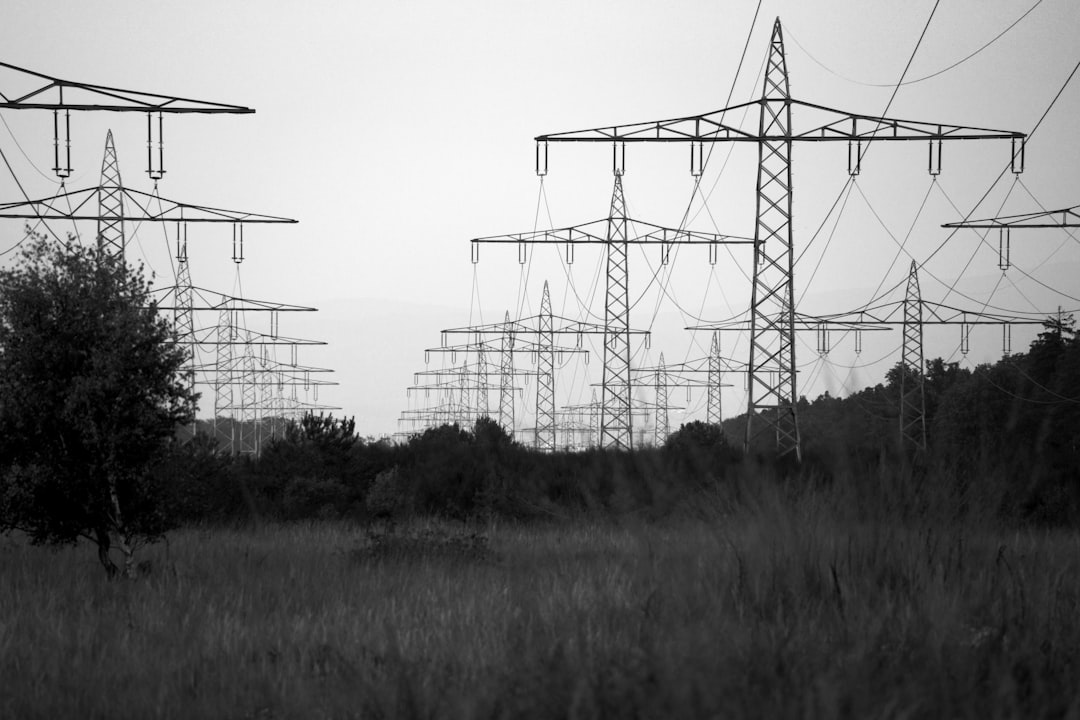
The intricate relationship between geological factors and the vulnerability of power grids is a critical area of study in the field of energy infrastructure. As societies increasingly rely on electricity for daily operations, understanding the potential threats posed by geological events becomes paramount. Geological factors encompass a wide range of phenomena, including earthquakes, volcanic activity, landslides, and soil characteristics, all of which can significantly impact the stability and functionality of power grids.
The resilience of these systems is not merely a matter of engineering; it is also deeply intertwined with the natural environment in which they operate. Power grids are designed to deliver electricity efficiently and reliably, but their infrastructure can be severely compromised by geological disturbances.
As climate change continues to exacerbate geological events, the need for robust strategies to mitigate these risks has never been more urgent. This article will explore various geological factors that contribute to power grid vulnerability, examining their impacts and the measures that can be taken to enhance resilience.
Key Takeaways
- Geological factors such as earthquakes, volcanic activity, and landslides significantly affect power grid stability and vulnerability.
- Soil characteristics and coastal erosion play crucial roles in determining the resilience of power grid infrastructure.
- Geomagnetic storms and sinkholes present unique risks that can disrupt power grid operations.
- Geotechnical engineering is essential for enhancing power grid resilience against geological hazards.
- Case studies highlight the importance of mitigation strategies to reduce the impact of geological events on power grids.
The Impact of Earthquakes on Power Grids
Earthquakes are among the most destructive geological events, capable of causing widespread damage to infrastructure, including power grids. When seismic waves travel through the earth, they can lead to ground shaking that disrupts the physical integrity of power lines, substations, and transformers. The immediate aftermath of an earthquake often sees power outages as utility companies scramble to assess damage and restore service.
In some cases, entire regions may be left without electricity for extended periods, leading to significant economic losses and public safety concerns. The design and construction of power grid infrastructure must take into account the seismic risks associated with specific geographic locations. In earthquake-prone areas, engineers employ various strategies to enhance resilience, such as using flexible materials that can absorb shock or reinforcing structures to withstand tremors.
However, even with these precautions, the unpredictability of earthquakes poses a constant challenge. Historical data shows that major earthquakes have led to catastrophic failures in power grids, underscoring the need for ongoing research and investment in seismic resilience.
Understanding the Role of Volcanic Activity in Power Grid Vulnerability
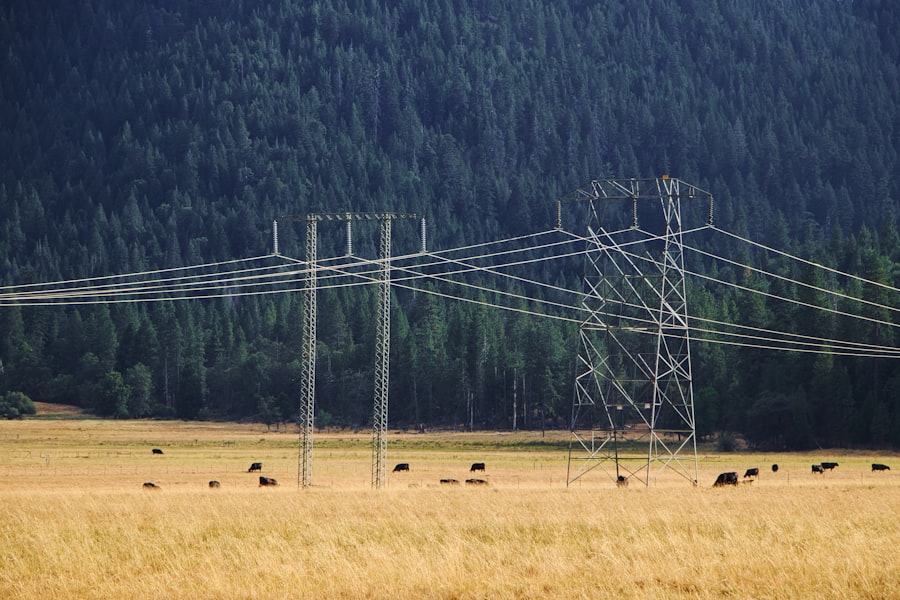
Volcanic activity presents another significant geological threat to power grids, particularly in regions situated near active volcanoes. Eruptions can produce ash clouds, lava flows, and pyroclastic flows that can directly damage electrical infrastructure. Ashfall can coat power lines and equipment, leading to short circuits and equipment failures.
Additionally, volcanic gases can corrode metal components over time, further compromising the integrity of power grid systems. The impact of volcanic eruptions extends beyond immediate physical damage; they can also disrupt maintenance operations and hinder recovery efforts. In the wake of an eruption, access to affected areas may be restricted due to hazardous conditions, delaying repairs and prolonging outages.
Utility companies must develop contingency plans that account for potential volcanic activity, including establishing alternative routes for power distribution and investing in technologies that can withstand harsh volcanic environments.
How Landslides Can Disrupt Power Grids
Landslides are another geological phenomenon that can pose serious risks to power grid infrastructure. Triggered by factors such as heavy rainfall, earthquakes, or human activity, landslides can bury power lines and substations under debris, leading to immediate service interruptions. The unpredictability of landslides makes them particularly challenging to manage; even areas that have not previously experienced landslides may suddenly become vulnerable due to changing environmental conditions.
To mitigate the risks associated with landslides, utility companies often conduct geotechnical assessments in areas prone to such events. These assessments help identify vulnerable locations where preventive measures can be implemented, such as installing retaining walls or improving drainage systems. Additionally, monitoring technologies can provide early warnings of potential landslide activity, allowing for proactive measures to protect critical infrastructure before disaster strikes.
The Influence of Soil Characteristics on Power Grid Resilience
| Geological Factor | Impact on Power Grid | Vulnerability Metrics | Mitigation Strategies |
|---|---|---|---|
| Earthquakes | Damage to substations, transmission towers, and underground cables | Seismic hazard level, ground acceleration, fault proximity | Seismic-resistant design, flexible connections, early warning systems |
| Landslides | Disruption of transmission lines and access roads | Slope stability index, soil type, rainfall intensity | Slope reinforcement, route planning, real-time monitoring |
| Soil Liquefaction | Foundation failure of poles and towers | Soil composition, water table depth, seismic activity | Deep foundation piles, soil improvement techniques |
| Volcanic Activity | Ashfall damage, lava flow impact on infrastructure | Proximity to volcano, eruption frequency, ash dispersion models | Protective shielding, alternative routing, emergency response plans |
| Flooding | Substation inundation, corrosion of equipment | Floodplain mapping, rainfall data, river discharge rates | Elevated platforms, waterproofing, drainage systems |
Soil characteristics play a crucial role in determining the resilience of power grid infrastructure. The type of soil present in a given area affects its ability to support heavy structures like transmission towers and substations. For instance, loose or unstable soils may lead to foundation failures, while expansive clay soils can cause significant ground movement as they swell and shrink with moisture changes.
Understanding these soil dynamics is essential for engineers tasked with designing robust power grid systems. Incorporating soil analysis into the planning stages of power grid development allows for more informed decision-making regarding site selection and construction techniques. By utilizing advanced geotechnical engineering methods, utility companies can enhance the stability of their infrastructure against geological threats.
This proactive approach not only improves safety but also reduces long-term maintenance costs associated with soil-related failures.
Coastal Erosion and Its Effects on Power Grid Infrastructure
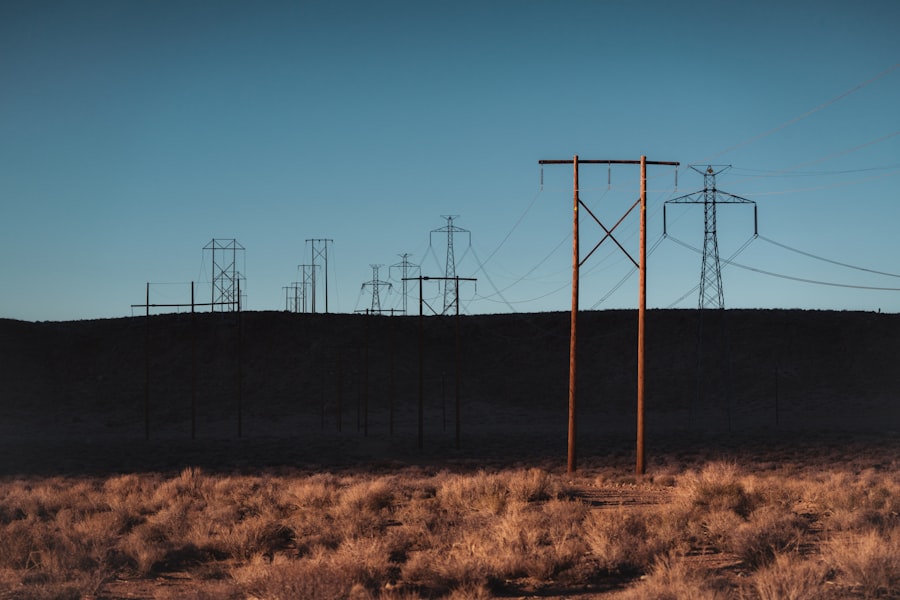
Coastal erosion is an increasingly pressing issue that threatens power grid infrastructure located near shorelines. As sea levels rise and storm intensity increases due to climate change, coastal areas face heightened risks from erosion that can undermine the foundations of power lines and substations. The loss of land can lead to direct damage or create hazardous conditions that complicate maintenance efforts.
Utility companies operating in coastal regions must adopt strategies to address the challenges posed by erosion. This may include relocating critical infrastructure further inland or investing in protective measures such as seawalls or natural barriers like mangroves. Additionally, ongoing monitoring of coastal conditions is essential for anticipating potential threats and implementing timely interventions to safeguard power grid systems.
The Role of Geomagnetic Storms in Power Grid Vulnerability
Geomagnetic storms, caused by solar activity such as coronal mass ejections, represent a less visible but equally significant threat to power grids. These storms can induce geomagnetically induced currents (GICs) in electrical systems, potentially damaging transformers and other critical components. The effects of geomagnetic storms can be particularly pronounced at higher latitudes, where the Earth’s magnetic field is more susceptible to solar influences.
Utility companies must remain vigilant in monitoring solar activity and its potential impacts on their systems. Implementing protective measures such as GIC monitoring systems and designing transformers with enhanced resilience against geomagnetic disturbances can help mitigate risks. As reliance on technology increases, understanding the interplay between solar activity and electrical infrastructure becomes increasingly important for maintaining grid stability.
Sinkholes and Their Potential Impact on Power Grids
Sinkholes are sudden ground collapses that can occur due to various geological processes, including erosion or the dissolution of soluble rocks like limestone. These events pose a unique threat to power grids, as they can create large voids that disrupt underground cables and other infrastructure components. The unpredictable nature of sinkholes makes them particularly challenging for utility companies to manage.
To address the risks associated with sinkholes, utility companies often conduct thorough geological surveys before constructing new infrastructure. Identifying areas with a history of sinkhole activity allows for better planning and risk assessment. Additionally, ongoing monitoring of ground conditions can provide early warnings of potential sinkhole formation, enabling proactive measures to protect critical electrical systems.
The Relationship Between Geotechnical Engineering and Power Grid Resilience
Geotechnical engineering plays a pivotal role in enhancing the resilience of power grids against geological threats. By applying principles of soil mechanics and structural engineering, geotechnical engineers can design foundations and support systems that withstand various geological forces. This discipline is essential for ensuring that power grid infrastructure remains stable and functional in the face of natural disasters.
Collaboration between geotechnical engineers and utility companies is crucial for developing effective strategies to mitigate risks associated with geological factors. By integrating geotechnical assessments into the planning process, utility companies can make informed decisions about site selection and construction techniques that enhance overall system resilience.
Case Studies: Geological Events and Power Grid Failures
Examining historical case studies of geological events reveals valuable insights into the vulnerabilities faced by power grids. For instance, the 1994 Northridge earthquake in California caused extensive damage to electrical infrastructure, resulting in widespread outages that lasted for days in some areas. Similarly, volcanic eruptions in Iceland have disrupted power supply not only locally but also across Europe due to ash clouds affecting air travel and logistics.
These case studies highlight the importance of preparedness and resilience planning in mitigating the impacts of geological events on power grids. By analyzing past failures and their causes, utility companies can develop more effective strategies for risk management and recovery efforts. Learning from these experiences is essential for building a more resilient energy infrastructure capable of withstanding future geological challenges.
Mitigating the Impact of Geological Factors on Power Grid Vulnerability
Mitigating the impact of geological factors on power grid vulnerability requires a multifaceted approach that encompasses engineering solutions, proactive planning, and community engagement. Utility companies must invest in research and development to enhance their understanding of geological risks and develop innovative technologies that improve system resilience. This includes adopting advanced monitoring systems that provide real-time data on environmental conditions affecting power grids.
Furthermore, collaboration with local governments and communities is essential for creating comprehensive disaster response plans that address potential geological threats. Public awareness campaigns can educate residents about emergency preparedness measures related to power outages caused by geological events. By fostering a culture of resilience at both organizational and community levels, societies can better navigate the challenges posed by geological factors on their power grids.
In conclusion, understanding the interplay between geological factors and power grid vulnerability is crucial for ensuring reliable electricity delivery in an increasingly unpredictable world. By addressing these challenges through engineering innovation, proactive planning, and community engagement, utility companies can enhance their resilience against geological threats while safeguarding public safety and economic stability.
Power grid vulnerability is a critical issue that can be exacerbated by various geological factors, such as earthquakes and landslides. Understanding these risks is essential for developing effective mitigation strategies. For more insights on how geological factors impact infrastructure resilience, you can read the related article on this topic at this link.
FAQs
What are geological factors that affect power grid vulnerability?
Geological factors include natural features and processes such as earthquakes, soil composition, fault lines, landslides, and ground subsidence. These factors can impact the stability and integrity of power grid infrastructure.
How do earthquakes influence power grid vulnerability?
Earthquakes can cause ground shaking and displacement, leading to damage or failure of power lines, substations, and transformers. This can result in widespread power outages and require extensive repairs.
Why is soil composition important for power grid infrastructure?
Soil type affects the foundation stability of power poles, towers, and substations. Unstable or loose soils may lead to structural failures, especially during seismic events or heavy rainfall.
Can landslides impact power grids?
Yes, landslides can physically damage power lines and equipment by causing ground movement or debris flow, disrupting electricity transmission and distribution.
What measures can be taken to reduce geological vulnerability of power grids?
Measures include site selection avoiding high-risk areas, engineering designs that withstand seismic forces, regular geological assessments, and implementing early warning systems for natural hazards.
Are power grids in certain regions more vulnerable due to geological factors?
Yes, regions located near active fault lines, mountainous areas prone to landslides, or areas with unstable soil conditions generally have higher vulnerability to geological hazards affecting power grids.
How does ground subsidence affect power grid systems?
Ground subsidence can cause tilting or sinking of power poles and equipment, leading to misalignment, mechanical stress, and potential failure of electrical components.
Is monitoring geological factors important for power grid maintenance?
Absolutely. Continuous monitoring helps identify emerging risks, allowing for timely maintenance, upgrades, and emergency preparedness to minimize power grid disruptions.
Do geological factors only affect above-ground power grid components?
No, geological factors can also impact underground cables and infrastructure through soil movement, water infiltration, and ground instability.
How do power grid operators prepare for geological hazards?
Operators conduct risk assessments, implement resilient design standards, develop emergency response plans, and collaborate with geological experts to mitigate the impact of geological hazards on power grids.