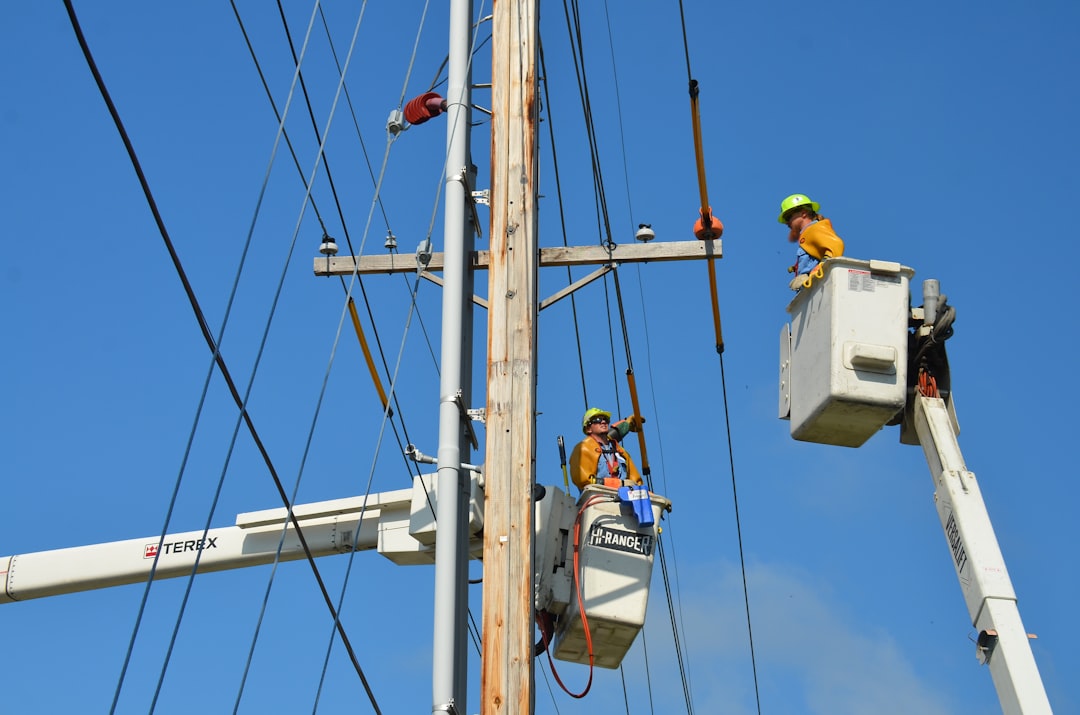
Space weather, a term that encompasses various phenomena originating from the sun, has profound implications for Earth’s technological systems, particularly power grids. Solar flares, coronal mass ejections (CMEs), and geomagnetic storms can induce fluctuations in the Earth’s magnetic field, leading to voltage instability and equipment damage. The impact of these solar events can range from minor disruptions to significant outages, affecting millions of people and causing substantial economic losses.
Understanding the mechanisms behind these phenomena is crucial for power grid operators who must prepare for and mitigate the risks associated with space weather. The consequences of space weather on power grids are not merely theoretical; historical events have demonstrated their potential severity. For instance, the 1989 geomagnetic storm caused a nine-hour blackout in Quebec, Canada, affecting millions and highlighting the vulnerability of power infrastructure.
As society becomes increasingly reliant on electricity for daily activities, the need for robust systems to protect against space weather events becomes paramount. By comprehensively understanding the impact of space weather, operators can develop strategies to safeguard their grids and ensure continued service during solar disturbances.
Key Takeaways
- Space weather significantly impacts power grid stability and requires thorough understanding.
- Power grids have specific vulnerabilities that must be identified to mitigate space weather risks.
- Real-time monitoring and early warning systems are crucial for timely operator response.
- Training and simulation exercises enhance operator preparedness for space weather events.
- Continuous collaboration and program updates ensure effective and current space weather training.
Identifying the Risks and Vulnerabilities of Power Grids to Space Weather Events
Identifying the risks and vulnerabilities of power grids to space weather events is a critical step in enhancing resilience. Power grids are complex networks that rely on a delicate balance of supply and demand, and any disruption can have cascading effects. The primary vulnerabilities include transformer saturation, voltage instability, and communication failures.
These vulnerabilities can be exacerbated by the age and condition of infrastructure, as older equipment may be less capable of withstanding the stresses induced by geomagnetic storms. Moreover, geographical location plays a significant role in determining a grid’s susceptibility to space weather. Regions closer to the poles experience more intense geomagnetic activity, making their power systems particularly vulnerable.
Operators must conduct thorough assessments to identify which components of their infrastructure are most at risk and develop targeted strategies to address these vulnerabilities. By understanding the specific risks associated with their systems, operators can prioritize investments in technology and infrastructure upgrades that enhance resilience against space weather events.
Developing Protocols and Procedures for Power Grid Operators during Space Weather Events
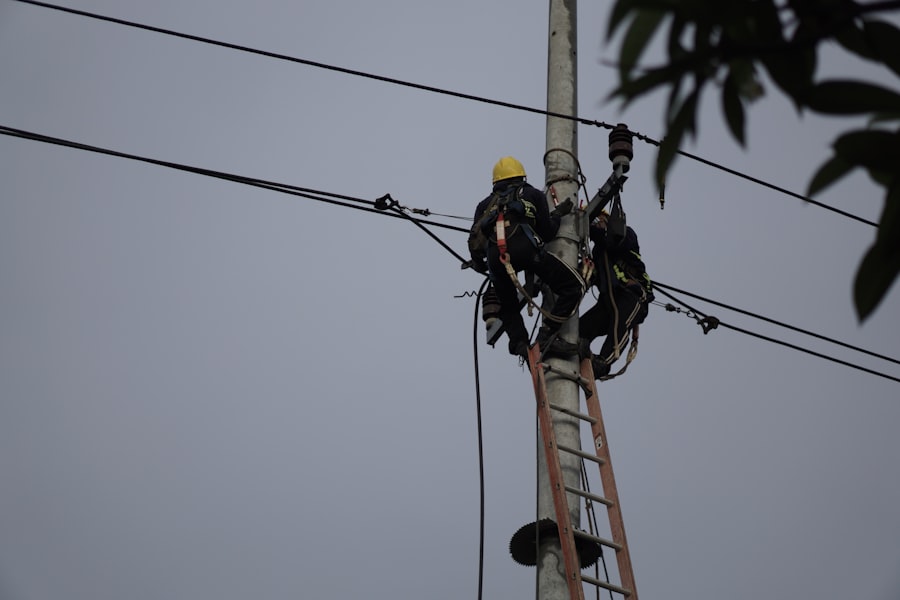
To effectively manage the risks posed by space weather, power grid operators must develop comprehensive protocols and procedures tailored to these unique challenges. These protocols should outline clear steps for monitoring space weather conditions, assessing potential impacts on the grid, and implementing mitigation strategies. For instance, operators may need to adjust voltage levels or temporarily disconnect certain components of the grid during severe solar events to prevent damage.
Additionally, communication protocols are essential during space weather events. Operators must ensure that all personnel are informed about current conditions and understand their roles in responding to potential disruptions. This includes establishing lines of communication with meteorological agencies and other stakeholders to receive timely updates on space weather forecasts.
By having well-defined procedures in place, operators can respond swiftly and effectively to minimize disruptions and maintain grid stability.
Implementing Real-Time Monitoring and Early Warning Systems for Space Weather
The implementation of real-time monitoring and early warning systems is vital for enhancing the resilience of power grids against space weather events. These systems utilize advanced technology to track solar activity and predict its potential impact on Earth’s magnetic field. By integrating data from satellites, ground-based observatories, and other sources, operators can gain valuable insights into impending space weather events.
Early warning systems enable operators to take proactive measures before a solar event occurs. For example, if a significant solar flare is detected, operators can prepare by adjusting grid operations or alerting maintenance crews to be on standby. This proactive approach not only helps prevent damage but also ensures that operators are ready to respond quickly if disruptions do occur.
By investing in real-time monitoring capabilities, power grid operators can significantly enhance their ability to manage the risks associated with space weather.
Training Power Grid Operators on Space Weather Forecasting and Interpretation
| Metric | Description | Typical Value / Range | Relevance to Power Grid Operator Training |
|---|---|---|---|
| Geomagnetic Disturbance (GMD) Index | Measures the intensity of geomagnetic storms affecting Earth’s magnetic field | 0 (quiet) to 9 (extreme storm) | Helps operators understand severity of space weather events impacting grid stability |
| Solar Flare Class | Classification of solar flares based on X-ray brightness | A, B, C, M, X (increasing intensity) | Trains operators to anticipate potential disruptions from solar flare-induced geomagnetic effects |
| Geomagnetically Induced Currents (GIC) Level | Current induced in power grid equipment due to geomagnetic storms | 0 to 100+ Amperes | Critical for training on protective measures and equipment response |
| Power Grid Frequency Stability | Measure of frequency deviation during space weather events | 59.5 Hz to 60.5 Hz (for 60 Hz systems) | Teaches operators to maintain grid frequency within safe limits under stress |
| Transformer Temperature Rise | Increase in transformer temperature due to GIC heating | Normal rise: 10-20°C; Excessive rise: >40°C | Training on monitoring and mitigating thermal stress on transformers |
| Training Simulation Duration | Length of space weather event simulation exercises | 30 minutes to 2 hours | Ensures operators gain experience handling prolonged space weather impacts |
| Response Time to Space Weather Alerts | Time taken by operators to initiate protective actions after alert | Less than 15 minutes | Critical metric for effective mitigation and grid protection |
Training power grid operators on space weather forecasting and interpretation is essential for building a knowledgeable workforce capable of responding effectively to solar events. Operators must understand the various types of space weather phenomena, their potential impacts on power systems, and how to interpret forecasts from meteorological agencies. This training should encompass both theoretical knowledge and practical skills, enabling operators to make informed decisions during critical situations.
Moreover, ongoing education is crucial as space weather science continues to evolve. Operators should be encouraged to participate in workshops, seminars, and online courses that focus on the latest advancements in space weather research and forecasting techniques. By fostering a culture of continuous learning, power grid operators can stay abreast of new developments and enhance their ability to protect the grid from the impacts of space weather.
Simulating Space Weather Events to Test Power Grid Resilience and Response
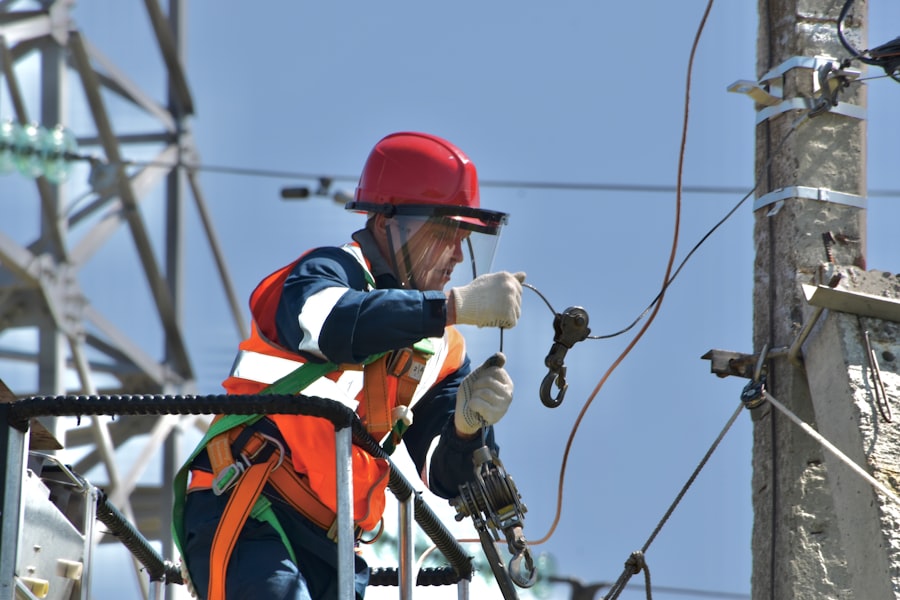
Simulating space weather events is an effective method for testing the resilience and response capabilities of power grids. These simulations allow operators to experience realistic scenarios without the risk of actual disruptions. By creating controlled environments where various space weather conditions are replicated, operators can assess how their systems respond under stress and identify areas for improvement.
During these simulations, operators can practice implementing their protocols and procedures in real-time, gaining valuable experience in decision-making under pressure. Additionally, simulations can reveal weaknesses in infrastructure or communication systems that may not be apparent during routine operations. By regularly conducting these exercises, power grid operators can enhance their preparedness for actual space weather events and ensure that they are equipped to handle any challenges that may arise.
Providing Hands-On Training for Power Grid Operators in Space Weather Scenarios
Hands-on training is an invaluable component of preparing power grid operators for space weather scenarios. This type of training allows operators to engage directly with equipment and systems while applying their knowledge in practical situations. For instance, training sessions could involve real-time monitoring of simulated solar events or practicing emergency response protocols in a controlled environment.
Such immersive training experiences not only build confidence among operators but also foster teamwork and collaboration. When faced with a crisis, effective communication and coordination among team members are essential for a successful response. By providing hands-on training opportunities, power grid operators can develop the skills necessary to work together efficiently during actual space weather events.
Collaborating with Space Weather Experts and Agencies to Enhance Training Programs
Collaboration with space weather experts and agencies is crucial for enhancing training programs for power grid operators. These experts possess specialized knowledge about solar phenomena and their impacts on Earth’s systems, making them invaluable resources for developing effective training curricula. By partnering with meteorological agencies or academic institutions specializing in space weather research, power grid operators can access cutting-edge information and best practices.
Furthermore, such collaborations can lead to joint training exercises that incorporate real-world data and scenarios provided by experts. This not only enriches the training experience but also ensures that operators are learning from the most current research in the field. By fostering strong relationships with space weather experts, power grid operators can continuously improve their training programs and enhance their overall preparedness for solar events.
Incorporating Space Weather Preparedness into Power Grid Operator Certification Programs
Incorporating space weather preparedness into power grid operator certification programs is essential for ensuring that all personnel are equipped with the knowledge needed to respond effectively to solar events. Certification programs should include modules focused on understanding space weather phenomena, interpreting forecasts, and implementing response protocols during emergencies. By making space weather preparedness a core component of certification programs, organizations can establish a baseline level of knowledge among all operators.
This ensures that every individual working within the power grid system understands the potential risks associated with space weather and is prepared to take appropriate action when necessary. As new research emerges in the field of space weather science, certification programs should be updated regularly to reflect these advancements.
Evaluating the Effectiveness of Space Weather Training for Power Grid Operators
Evaluating the effectiveness of space weather training programs is crucial for ensuring that they meet their objectives and adequately prepare operators for real-world scenarios. This evaluation process should involve both qualitative and quantitative assessments, including feedback from participants as well as performance metrics during simulations or drills. By analyzing this data, organizations can identify strengths and weaknesses within their training programs.
For instance, if participants consistently report feeling unprepared for specific scenarios, adjustments can be made to address these gaps in knowledge or skills.
Continuously Updating and Improving Training Programs for Power Grid Operators in Response to Advancements in Space Weather Science
The field of space weather science is constantly evolving as new research emerges and technology advances. Therefore, it is imperative that training programs for power grid operators are continuously updated to reflect these changes. Regularly reviewing course content ensures that operators are learning about the latest developments in forecasting techniques, risk assessment methodologies, and response strategies.
Moreover, incorporating feedback from evaluations into program updates fosters a culture of continuous improvement within organizations. By remaining adaptable and responsive to advancements in space weather science, power grid operators can maintain a high level of preparedness against solar events. This commitment not only protects infrastructure but also enhances public confidence in the reliability of power systems during challenging conditions.
In conclusion, addressing the impact of space weather on power grids requires a multifaceted approach that encompasses understanding risks, developing protocols, implementing monitoring systems, providing training, simulating scenarios, collaborating with experts, incorporating preparedness into certification programs, evaluating effectiveness, and continuously updating training initiatives. By taking these steps, power grid operators can significantly enhance their resilience against the unpredictable nature of space weather events while ensuring reliable service for consumers.
In the context of power grid operator training, understanding the impact of space weather on electrical systems is crucial. A related article that delves into this topic can be found at this link. It provides valuable insights into how solar storms and other space weather phenomena can affect power grids, emphasizing the importance of preparedness and training for operators in the face of such challenges.
FAQs
What is space weather?
Space weather refers to the environmental conditions in space as influenced by the Sun and the solar wind. It includes phenomena such as solar flares, geomagnetic storms, and solar radiation that can impact Earth’s magnetosphere and atmosphere.
Why is space weather important for power grid operators?
Space weather can induce geomagnetic disturbances that affect the electrical currents in power grids. These disturbances can cause voltage instability, transformer damage, and even large-scale power outages, making it critical for power grid operators to understand and prepare for such events.
What is a power grid operator training space weather program?
It is a specialized training program designed to educate power grid operators about the effects of space weather on electrical infrastructure. The program typically covers how to monitor space weather alerts, assess risks, and implement operational strategies to mitigate potential impacts.
How do power grid operators monitor space weather?
Operators use data and alerts from space weather monitoring agencies such as NOAA’s Space Weather Prediction Center (SWPC) and other international organizations. These sources provide real-time information on solar activity and geomagnetic conditions.
What are some common space weather events that affect power grids?
Common events include solar flares, coronal mass ejections (CMEs), and geomagnetic storms. These can induce geomagnetically induced currents (GICs) in power lines, potentially damaging transformers and other grid components.
What measures can power grid operators take to mitigate space weather impacts?
Operators can implement strategies such as adjusting grid configurations, reducing load during high-risk periods, increasing monitoring, and coordinating with space weather forecasting agencies to prepare for and respond to space weather events.
Are there any international standards or guidelines for space weather preparedness in power grids?
Yes, organizations like the North American Electric Reliability Corporation (NERC) and the International Electrotechnical Commission (IEC) provide guidelines and standards to help utilities prepare for and respond to space weather impacts.
Who typically participates in power grid operator training for space weather?
Participants usually include power grid operators, engineers, system planners, and emergency response personnel who are responsible for maintaining grid reliability and safety during space weather events.
How often should power grid operators undergo space weather training?
Training frequency varies by organization but is generally recommended on an annual or biennial basis to keep operators updated on the latest space weather science, forecasting tools, and mitigation techniques.
Can space weather training improve overall grid resilience?
Yes, by increasing awareness and preparedness, space weather training helps operators make informed decisions that reduce the risk of equipment damage and power outages, thereby enhancing the resilience of the power grid.