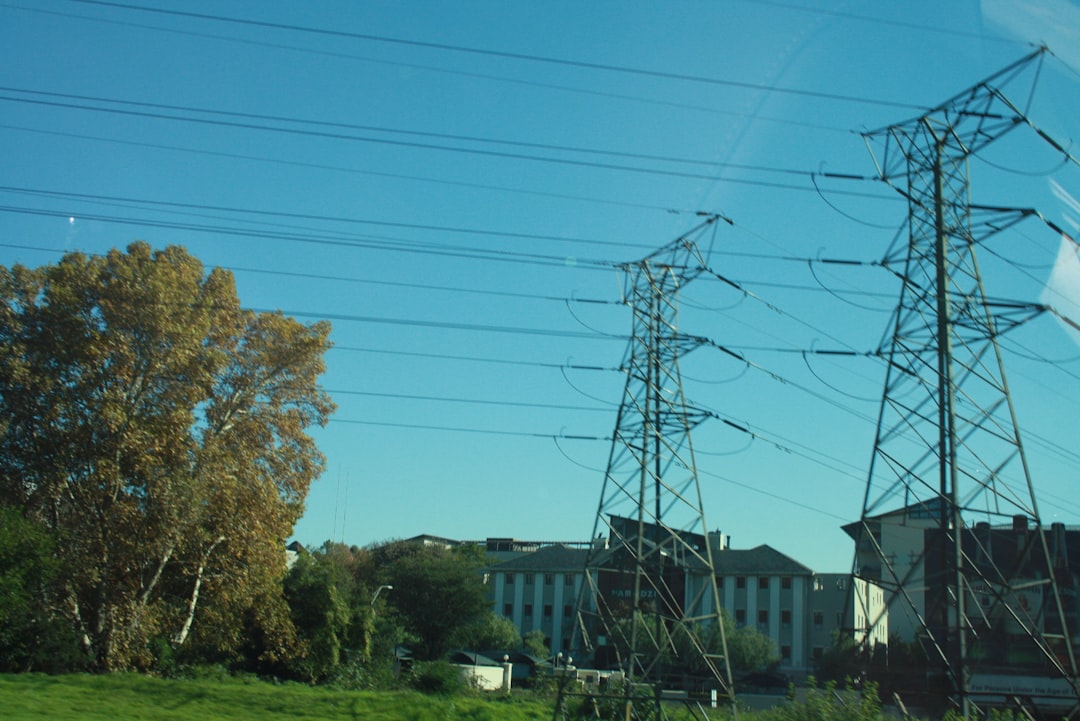
Power grid cascading failures represent a significant concern in the realm of electrical engineering and energy management. These failures occur when a disturbance in one part of the power grid triggers a chain reaction, leading to widespread outages across multiple regions. The interconnected nature of modern power systems means that a single fault can escalate quickly, affecting not only local consumers but also distant areas reliant on the same grid infrastructure.
Understanding the mechanics of these failures is crucial for both energy providers and consumers, as the implications can be severe, ranging from economic losses to public safety risks. At its core, a cascading failure begins with an initial disturbance, which could be anything from a sudden spike in demand to a physical fault in the transmission lines. This initial event can overload nearby components, causing them to fail and subsequently leading to further failures down the line.
The complexity of the grid, with its myriad connections and dependencies, means that predicting how these failures will propagate is a daunting task. As such, the study of cascading failures is not only about understanding electrical systems but also about grasping the intricate web of interactions that define modern power distribution.
Key Takeaways
- Cascading failures in power grids occur when an initial fault triggers a chain reaction, leading to widespread outages.
- Common causes include equipment failure, natural disasters, and operational errors.
- These failures can result in significant economic losses, safety risks, and disruption of essential services.
- Proactive maintenance, infrastructure upgrades, and improved communication are critical to preventing cascading failures.
- Integrating renewable energy and supportive government policies enhance the resilience and sustainability of power grids.
Causes of Power Grid Cascading Failures
The causes of power grid cascading failures are multifaceted and often interrelated. One primary factor is the aging infrastructure that many power grids rely on. As equipment ages, it becomes more susceptible to failure, whether due to wear and tear or technological obsolescence.
In many regions, power lines, transformers, and substations have not been updated to meet current demands or to incorporate modern safety standards. This lack of investment in infrastructure can create vulnerabilities that are easily exploited by unforeseen events. Another significant cause is human error, which can manifest in various ways.
Operators may mismanage load distribution or fail to respond adequately to alarms indicating potential issues. Additionally, natural disasters such as hurricanes, earthquakes, or wildfires can inflict physical damage on power lines and substations, leading to outages that can cascade through the grid. The interplay between human factors and environmental conditions creates a precarious situation where a single misstep or unexpected event can lead to widespread failure.
Impacts of Power Grid Cascading Failures
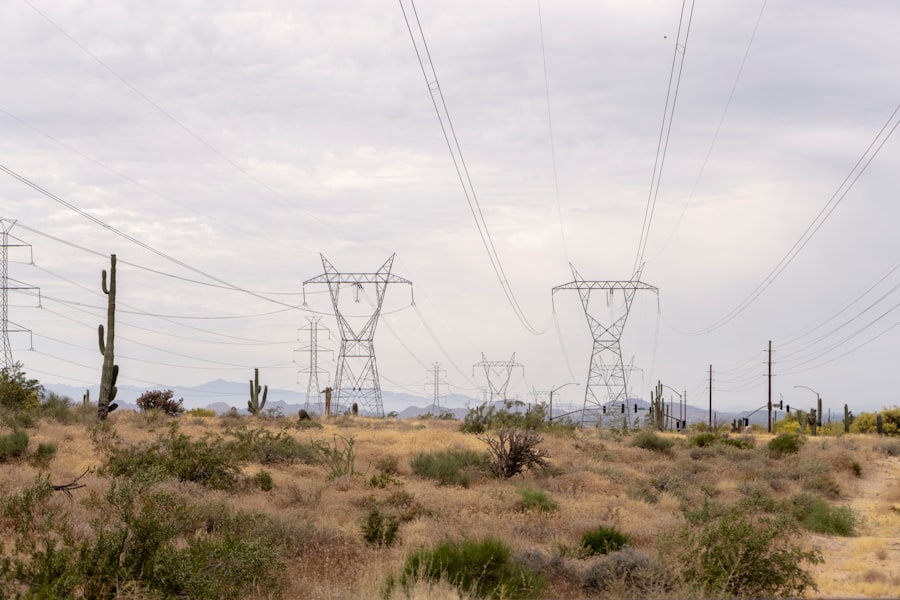
The impacts of power grid cascading failures extend far beyond mere inconvenience; they can have profound economic and social consequences. When large portions of the grid go down, businesses may be forced to halt operations, leading to significant financial losses. Critical services such as hospitals and emergency response systems can be severely compromised, putting lives at risk.
The ripple effects can be felt across entire communities, disrupting daily life and eroding public trust in energy providers. Moreover, the environmental implications of cascading failures cannot be overlooked. In some cases, the loss of power can lead to uncontrolled releases of hazardous materials from industrial facilities or nuclear plants.
Such incidents pose serious risks not only to human health but also to local ecosystems. The long-term recovery from these failures often requires substantial investment in repairs and upgrades, diverting resources from other essential services and infrastructure projects.
Historical Examples of Power Grid Cascading Failures
Several historical examples illustrate the devastating effects of power grid cascading failures. One notable incident occurred in August 2003 when a massive blackout affected parts of the northeastern United States and Canada. The failure began with a transmission line sagging into a tree and shutting down a power plant.
This initial event triggered a series of failures that ultimately left approximately 50 million people without electricity for hours. The incident highlighted vulnerabilities in monitoring systems and communication protocols, prompting significant changes in how grid operators manage their networks. Another significant example is the 2011 blackout in India, which became one of the largest power outages in history.
The failure was precipitated by an overload on the northern grid due to excessive demand and inadequate management of power distribution. The cascading effect led to outages affecting over 600 million people across multiple states. This incident underscored the challenges faced by rapidly growing economies in balancing supply and demand while maintaining grid stability.
Identifying Vulnerabilities in the Power Grid
| Cause | Description | Impact on Grid | Examples |
|---|---|---|---|
| Equipment Failure | Malfunction or breakdown of transformers, circuit breakers, or other critical components. | Initial fault can overload adjacent equipment, triggering cascading outages. | Transformer explosion leading to line overloads. |
| Overloading | Excessive demand or rerouting of power causes lines or equipment to operate beyond capacity. | Overheated lines trip offline, shifting load and causing further failures. | High demand during heatwaves causing line trips. |
| Human Error | Incorrect operation, maintenance mistakes, or miscommunication among grid operators. | Improper switching or delayed response can escalate faults. | Incorrect relay settings causing unintended outages. |
| Natural Disasters | Events like storms, earthquakes, or wildfires damaging infrastructure. | Physical damage leads to multiple simultaneous failures. | Hurricane knocking down transmission towers. |
| Cyber Attacks | Malicious hacking targeting grid control systems or communication networks. | Disruption of control signals can cause misoperation and cascading failures. | Malware causing false trip signals. |
| Protection System Malfunction | Failure or miscoordination of relays and circuit breakers. | Delayed or incorrect isolation of faults spreads outages. | Relay failure causing widespread blackout. |
| Voltage Instability | Inability to maintain voltage levels under stress conditions. | Voltage collapse can cause large-scale outages. | Voltage drop leading to blackout in a region. |
Identifying vulnerabilities within the power grid is essential for preventing cascading failures. This process involves comprehensive assessments of both physical infrastructure and operational protocols. Engineers and analysts utilize advanced modeling techniques to simulate various scenarios that could lead to failures, allowing them to pinpoint weak links within the system.
By understanding where potential failures may occur, operators can prioritize maintenance and upgrades accordingly. In addition to physical assessments, it is crucial to evaluate human factors that contribute to vulnerabilities. Training programs for operators must emphasize situational awareness and decision-making under pressure.
Regular drills simulating emergency scenarios can help ensure that personnel are prepared to respond effectively when real crises arise. By fostering a culture of safety and preparedness, organizations can significantly reduce the likelihood of cascading failures.
Mitigating the Risks of Power Grid Cascading Failures
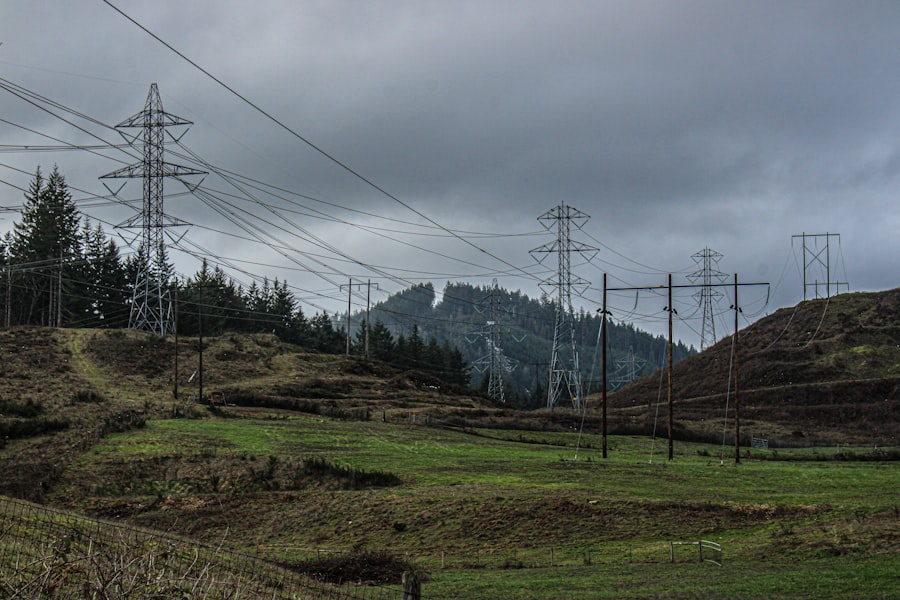
Mitigating the risks associated with power grid cascading failures requires a multifaceted approach that encompasses technology, policy, and community engagement. One effective strategy is the implementation of smart grid technologies that enhance monitoring and control capabilities across the network. These technologies allow for real-time data collection and analysis, enabling operators to detect anomalies before they escalate into larger issues.
Additionally, investing in redundancy within the grid can help mitigate risks. By creating alternative pathways for electricity flow, operators can ensure that if one part of the system fails, others can compensate for the loss. This redundancy not only enhances reliability but also provides flexibility in managing demand fluctuations and integrating renewable energy sources into the grid.
The Role of Maintenance and Upgrades in Preventing Cascading Failures
Regular maintenance and timely upgrades are critical components in preventing cascading failures within power grids. Aging infrastructure must be systematically evaluated and replaced or refurbished as necessary to ensure optimal performance. This proactive approach helps identify potential weaknesses before they lead to catastrophic failures.
Moreover, integrating new technologies into existing systems can enhance resilience against cascading failures.
By prioritizing maintenance and upgrades, energy providers can significantly reduce the risk of outages while improving overall system efficiency.
The Importance of Communication and Coordination in Power Grid Resilience
Effective communication and coordination among various stakeholders are vital for enhancing power grid resilience. This includes collaboration between utility companies, government agencies, and emergency response teams. Establishing clear lines of communication ensures that all parties are informed about potential threats and can respond swiftly when issues arise.
Furthermore, public awareness campaigns play an essential role in preparing communities for potential outages. Educating consumers about energy conservation practices during peak demand periods can help alleviate stress on the grid and reduce the likelihood of cascading failures. By fostering a culture of collaboration and preparedness, stakeholders can work together to build a more resilient power grid.
The Future of Power Grid Resilience
Looking ahead, the future of power grid resilience will likely be shaped by advancements in technology and evolving energy policies. As renewable energy sources become more prevalent, integrating them into existing grids will present both challenges and opportunities. The decentralized nature of renewable energy generation requires innovative solutions for managing supply and demand while maintaining grid stability.
Additionally, ongoing research into artificial intelligence and machine learning holds promise for enhancing grid management capabilities. These technologies can analyze vast amounts of data to identify patterns and predict potential failures with greater accuracy than traditional methods. As these innovations continue to develop, they will play a crucial role in shaping a more resilient power grid capable of withstanding future challenges.
The Role of Renewable Energy in Power Grid Resilience
Renewable energy sources such as solar and wind power offer significant potential for enhancing power grid resilience. By diversifying energy generation methods, grids become less reliant on any single source, reducing vulnerability to disruptions caused by fuel shortages or environmental factors. Furthermore, distributed generation systems allow for localized energy production, which can help mitigate the impacts of outages on larger networks.
However, integrating renewable energy into existing grids also presents challenges related to variability and intermittency. To address these issues, energy storage solutions such as batteries are becoming increasingly important. These technologies enable excess energy generated during peak production times to be stored for later use when demand is high or generation is low.
By leveraging renewable energy alongside advanced storage solutions, grids can enhance their resilience while contributing to sustainability goals.
The Role of Government and Policy in Power Grid Resilience
Government policy plays a pivotal role in shaping the resilience of power grids across nations. Regulatory frameworks must encourage investment in infrastructure upgrades while promoting research into innovative technologies that enhance grid stability. Additionally, policies aimed at incentivizing renewable energy adoption can help diversify energy sources and reduce reliance on fossil fuels.
Moreover, governments must prioritize collaboration between public utilities and private sector stakeholders to foster innovation in grid management practices. By creating an environment conducive to research and development, policymakers can drive advancements that enhance resilience against cascading failures while ensuring reliable energy access for all citizens. Ultimately, a proactive approach from government entities will be essential in building a robust power grid capable of meeting future demands while minimizing risks associated with cascading failures.
One of the critical factors contributing to power grid cascading failures is the interdependence of various components within the grid system. For a deeper understanding of this issue, you can read more about it in the article on cascading failures and their causes at this link. This article provides insights into how failures can propagate through the grid, leading to widespread outages and the importance of robust infrastructure to mitigate such risks.
FAQs
What is a power grid cascading failure?
A power grid cascading failure is a process where an initial fault or disturbance in the electrical grid causes a sequence of failures in other parts of the system, leading to widespread power outages.
What are the common causes of cascading failures in power grids?
Common causes include equipment failures, natural disasters, human errors, cyber-attacks, overloads, and inadequate grid infrastructure or maintenance.
How does an initial failure lead to a cascade in the power grid?
An initial failure can overload adjacent components or lines, causing them to trip or fail as well. This overload spreads through the network, potentially causing a chain reaction of failures.
Can weather conditions trigger cascading failures in power grids?
Yes, extreme weather events such as storms, heatwaves, ice storms, and wildfires can damage equipment or increase demand, triggering cascading failures.
What role does grid design play in preventing cascading failures?
A well-designed grid with redundancy, proper load management, and advanced monitoring systems can isolate faults and prevent failures from spreading.
Are human errors a significant cause of cascading failures?
Yes, operational mistakes, mismanagement, or incorrect responses during emergencies can contribute to cascading failures.
How do cyber-attacks contribute to cascading failures in power grids?
Cyber-attacks can disrupt control systems, disable protective devices, or manipulate grid operations, potentially initiating failures that cascade through the network.
What measures are taken to mitigate cascading failures?
Measures include grid modernization, real-time monitoring, automated protection systems, regular maintenance, operator training, and implementing cybersecurity protocols.
Is it possible to predict cascading failures in power grids?
While exact prediction is challenging, advanced modeling, simulations, and monitoring technologies help identify vulnerabilities and potential failure scenarios to reduce risks.
What impact do cascading failures have on society?
Cascading failures can cause widespread power outages, affecting homes, businesses, healthcare, transportation, and critical infrastructure, leading to economic losses and safety risks.