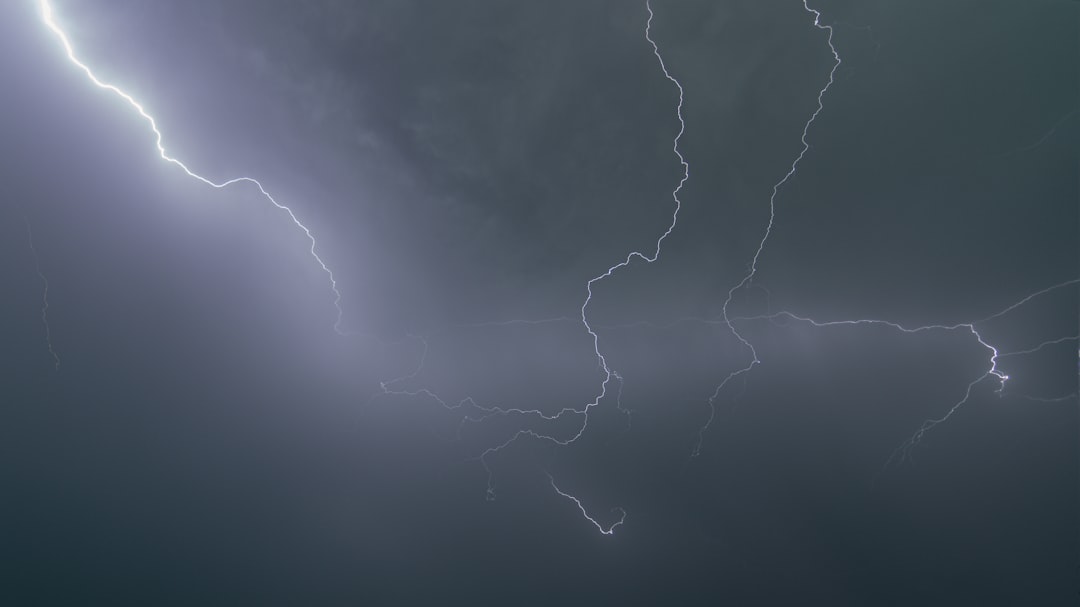
Geomagnetic storms, often triggered by solar flares and coronal mass ejections, pose a significant threat to modern technological systems. These storms occur when charged particles from the sun interact with the Earth’s magnetic field, leading to disturbances that can have far-reaching consequences. The intensity of these storms can vary, with some capable of causing widespread disruptions to electrical grids, satellite communications, and navigation systems.
As society becomes increasingly reliant on technology, understanding the nature and potential impact of geomagnetic storms is crucial for safeguarding infrastructure. The effects of geomagnetic storms are not merely theoretical; historical events have demonstrated their capacity to disrupt power systems. For instance, the Carrington Event of 1859 is often cited as one of the most powerful geomagnetic storms recorded, resulting in widespread telegraph outages and even fires in some stations.
More recent events, such as the 1989 Quebec blackout, illustrate that modern electrical grids are not immune to these natural phenomena. As the frequency and intensity of solar activity continue to evolve, the need for comprehensive strategies to mitigate the risks associated with geomagnetic storms becomes increasingly urgent.
Key Takeaways
- Geomagnetic storms pose significant risks to HVDC link stability and operation.
- Effective risk assessment and real-time monitoring are crucial for early detection of geomagnetic activity.
- Designing HVDC systems with robust grounding, shielding, and protective measures enhances resilience.
- Collaboration with space weather agencies and operator training improve preparedness and response.
- Ongoing research and advanced warning technologies are key to future-proofing HVDC infrastructure.
The Impact of Geomagnetic Storms on HVDC Links
High Voltage Direct Current (HVDC) links are critical components of modern power transmission systems, enabling efficient long-distance electricity transfer. However, these systems are particularly vulnerable to the effects of geomagnetic storms. The interaction between geomagnetic activity and HVDC infrastructure can lead to significant operational challenges, including voltage instability and equipment damage.
The induced currents generated by geomagnetic storms can overwhelm protective devices, leading to potential failures in transmission lines and converter stations. Moreover, the impact of geomagnetic storms on HVDC links extends beyond immediate equipment damage. Prolonged disturbances can result in cascading failures across interconnected power grids, leading to widespread outages and economic losses.
The complexity of HVDC systems means that even minor disruptions can have a ripple effect, affecting not only the immediate area but also distant regions reliant on stable power supply. As such, understanding the vulnerabilities of HVDC links in the context of geomagnetic storms is essential for developing effective protective measures.
Risk Assessment and Monitoring of Geomagnetic Activity
To effectively mitigate the risks posed by geomagnetic storms, a thorough risk assessment is essential. This process involves evaluating the likelihood of geomagnetic events and their potential impact on HVDC systems. By analyzing historical data and current solar activity, operators can identify periods of heightened risk and implement appropriate measures to safeguard their infrastructure.
This proactive approach allows for better preparedness and response strategies in the face of potential geomagnetic disturbances. Monitoring geomagnetic activity is equally important in managing risks associated with HVDC links. Advanced monitoring systems can provide real-time data on solar activity and geomagnetic conditions, enabling operators to make informed decisions regarding system operations.
By integrating this data into operational protocols, HVDC operators can adjust their systems in anticipation of geomagnetic storms, reducing the likelihood of damage and ensuring continued service reliability.
Designing HVDC Systems to Withstand Geomagnetic Storms
The design of HVDC systems plays a pivotal role in their resilience against geomagnetic storms. Engineers must consider various factors when developing these systems, including materials selection, component placement, and overall system architecture. By incorporating robust design principles that account for potential geomagnetic impacts, it is possible to enhance the durability and reliability of HVDC infrastructure.
One effective strategy involves implementing redundancy in critical components to ensure that if one part fails due to geomagnetic-induced currents, others can take over its function. Additionally, using materials with high resistance to electromagnetic interference can help protect sensitive equipment from damage during storm events. By prioritizing resilience in the design phase, engineers can create HVDC systems that are better equipped to withstand the challenges posed by geomagnetic storms.
Implementing Grounding and Shielding Techniques
| Parameter | Value | Unit | Description |
|---|---|---|---|
| Maximum Geomagnetically Induced Current (GIC) | 100 | Amperes | Peak GIC expected during severe geomagnetic storm |
| Transformer Saturation Threshold | 50 | Amperes | Current level at which transformer core saturation begins |
| Protection Relay Response Time | 200 | Milliseconds | Time taken for protection relays to detect and isolate faults |
| Neutral Grounding Resistance | 0.5 | Ohms | Resistance value used to limit GIC flow into transformers |
| Blocking Device Activation Threshold | 80 | Amperes | Current level at which GIC blocking devices activate |
| Geomagnetic Storm Severity Level | Kp=8 | Index | Storm intensity level considered for protection design |
| HVDC Link Rated Current | 1500 | Amperes | Nominal operating current of the HVDC link |
| Maximum Allowable GIC | 30 | Amperes | Maximum GIC level allowed to avoid equipment damage |
Grounding and shielding techniques are vital components in protecting HVDC systems from the adverse effects of geomagnetic storms. Proper grounding ensures that any induced currents are safely dissipated into the Earth, minimizing the risk of equipment damage. Effective grounding systems must be designed to handle high levels of current while maintaining low resistance to ground, which is essential for protecting sensitive electronic components.
Shielding techniques also play a crucial role in safeguarding HVDC infrastructure from electromagnetic interference caused by geomagnetic activity. By enclosing critical components in conductive materials or using specialized coatings, operators can reduce the impact of induced currents on their systems. These protective measures not only enhance system reliability but also contribute to overall operational efficiency by minimizing disruptions caused by external electromagnetic forces.
Utilizing Advanced Monitoring and Early Warning Systems
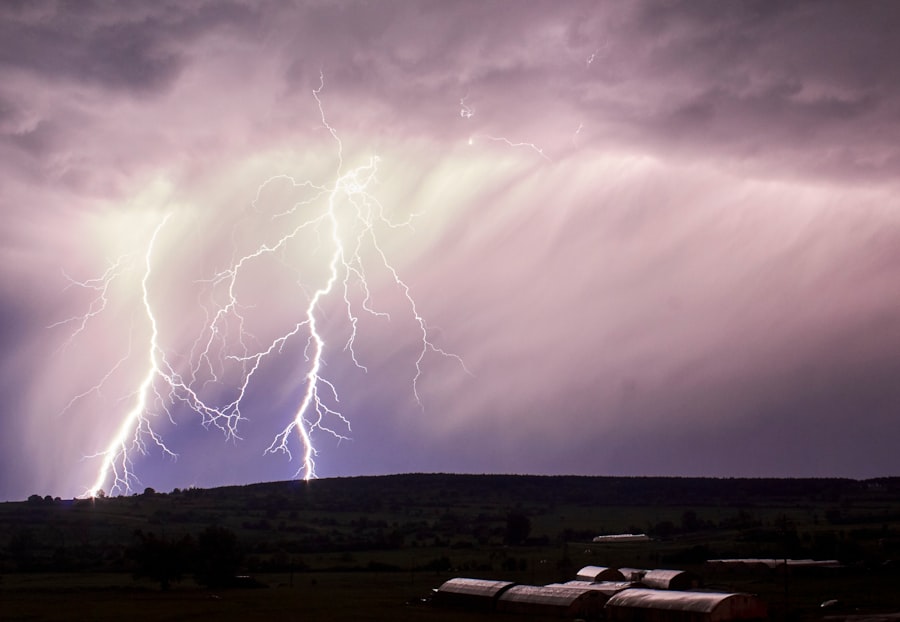
The integration of advanced monitoring and early warning systems is essential for enhancing the resilience of HVDC links against geomagnetic storms. These systems leverage cutting-edge technology to provide real-time data on solar activity and geomagnetic conditions, allowing operators to anticipate potential disruptions. By utilizing satellite data, ground-based observatories, and predictive models, operators can gain valuable insights into impending geomagnetic events.
Early warning systems enable HVDC operators to implement preemptive measures in response to forecasted geomagnetic activity. This proactive approach may include adjusting power flows, temporarily shutting down vulnerable components, or activating protective devices designed to mitigate the effects of induced currents. By staying ahead of potential threats, operators can significantly reduce the risk of damage and ensure continued service reliability during geomagnetic storms.
Developing Contingency Plans for HVDC Link Protection
In addition to proactive measures, developing comprehensive contingency plans is crucial for ensuring the protection of HVDC links during geomagnetic storms. These plans should outline specific protocols for responding to various scenarios, including equipment failure or widespread outages caused by geomagnetic disturbances. By having a well-defined response strategy in place, operators can minimize downtime and restore service more efficiently.
Contingency plans should also include communication protocols to ensure that all stakeholders are informed and coordinated during a geomagnetic event. This may involve collaboration with local authorities, emergency services, and other utility providers to facilitate a unified response effort. By fostering a culture of preparedness and collaboration, HVDC operators can enhance their resilience against the unpredictable nature of geomagnetic storms.
Collaboration with Space Weather Forecasting Agencies
Collaboration with space weather forecasting agencies is essential for improving the resilience of HVDC links against geomagnetic storms. These agencies specialize in monitoring solar activity and providing forecasts that can inform operational decisions for utility providers. By establishing partnerships with organizations such as NASA or the National Oceanic and Atmospheric Administration (NOAA), HVDC operators can access valuable data and expertise related to space weather phenomena.
Such collaborations enable operators to stay informed about potential geomagnetic threats and adjust their operations accordingly.
By leveraging this information, HVDC operators can enhance their preparedness and response strategies, ultimately reducing the risk of damage during geomagnetic events.
Training and Preparedness for HVDC Operators
Training and preparedness for HVDC operators are critical components in ensuring effective responses to geomagnetic storms. Operators must be well-versed in the specific vulnerabilities of their systems and equipped with the knowledge necessary to implement protective measures during storm events. Regular training sessions that simulate various scenarios related to geomagnetic disturbances can help operators develop the skills needed to respond effectively under pressure.
Moreover, fostering a culture of continuous learning within organizations is essential for maintaining high levels of preparedness.
By prioritizing training and preparedness initiatives, organizations can empower their operators to make informed decisions that enhance system resilience during challenging conditions.
Continual Research and Development in Geomagnetic Storm Protection
The field of geomagnetic storm protection is constantly evolving as researchers seek innovative solutions to enhance the resilience of HVDC systems. Ongoing research efforts focus on understanding the complex interactions between solar activity and electrical infrastructure, as well as developing new materials and technologies that can better withstand geomagnetic disturbances. This commitment to research and development is essential for staying ahead of emerging threats.
Collaboration between academia, industry experts, and government agencies plays a vital role in advancing knowledge in this area. By pooling resources and expertise, stakeholders can work together to identify vulnerabilities within existing systems and develop cutting-edge solutions that improve overall resilience. As new findings emerge from research initiatives, they can be integrated into operational practices, ensuring that HVDC operators are equipped with the latest tools and strategies for protecting their infrastructure.
The Future of HVDC Link Protection from Geomagnetic Storms
Looking ahead, the future of HVDC link protection from geomagnetic storms will likely be shaped by advancements in technology and a growing understanding of space weather phenomena. As society continues to rely on electricity for daily activities, ensuring the resilience of power transmission systems will remain a top priority. Innovations such as artificial intelligence-driven predictive analytics may play a significant role in enhancing monitoring capabilities and improving response strategies.
Furthermore, increased collaboration between utility providers and space weather forecasting agencies will be crucial for developing comprehensive protection strategies against geomagnetic storms. By fostering a culture of preparedness and investing in research initiatives, stakeholders can work together to create a more resilient electrical grid capable of withstanding the challenges posed by natural phenomena like geomagnetic storms. Ultimately, a proactive approach will be essential for safeguarding critical infrastructure in an increasingly interconnected world.
In recent discussions about the protection of HVDC links from geomagnetic storms, an insightful article can be found that delves into the various strategies and technologies being implemented to safeguard these critical infrastructures. For more detailed information, you can read the article here: HVDC Link Geomagnetic Storm Protection. This resource provides a comprehensive overview of the challenges posed by geomagnetic disturbances and the innovative solutions being developed to mitigate their impact.
FAQs
What is an HVDC link?
An HVDC (High Voltage Direct Current) link is a system used to transmit electricity over long distances using direct current. It is often employed to connect power grids, improve stability, and reduce transmission losses compared to alternating current (AC) systems.
What are geomagnetic storms?
Geomagnetic storms are disturbances in the Earth’s magnetic field caused by solar activity, such as solar flares or coronal mass ejections. These storms can induce electric currents in power systems, potentially causing damage or operational issues.
Why do geomagnetic storms affect HVDC links?
Geomagnetic storms induce geomagnetically induced currents (GICs) in long conductors like HVDC transmission lines. These currents can saturate transformers, cause voltage instability, and damage equipment, leading to potential outages or failures in HVDC systems.
What types of protection are used for HVDC links against geomagnetic storms?
Protection methods include installing GIC blocking devices, using neutral blocking resistors, implementing real-time monitoring of geomagnetic activity, and designing transformers and control systems to withstand or mitigate the effects of GICs.
How does a neutral blocking resistor help in geomagnetic storm protection?
A neutral blocking resistor limits the flow of geomagnetically induced currents through the transformer’s neutral point, reducing the risk of transformer saturation and associated damage during geomagnetic storms.
Can HVDC link control systems detect geomagnetic storm effects?
Yes, advanced HVDC control systems can monitor parameters indicative of GIC presence and adjust operations accordingly to protect equipment, such as by reducing power transfer or activating protective devices.
Are there standards or guidelines for protecting HVDC links from geomagnetic storms?
Yes, various industry standards and guidelines, such as those from IEEE and CIGRE, provide recommendations for assessing geomagnetic storm risks and implementing appropriate protection measures for HVDC systems.
Is it possible to completely eliminate the impact of geomagnetic storms on HVDC links?
While it is challenging to completely eliminate the impact, implementing a combination of design strategies, protective devices, and operational procedures can significantly reduce the risks and improve system resilience during geomagnetic storms.
How often do geomagnetic storms affect HVDC links?
The frequency varies depending on solar activity cycles, with more frequent and intense storms occurring during solar maximum periods approximately every 11 years. However, severe storms are relatively rare but can have significant impacts when they occur.
What role does real-time monitoring play in HVDC geomagnetic storm protection?
Real-time monitoring allows operators to detect geomagnetic disturbances early, assess their impact on the HVDC system, and take timely actions such as adjusting power flows or activating protective equipment to minimize damage.