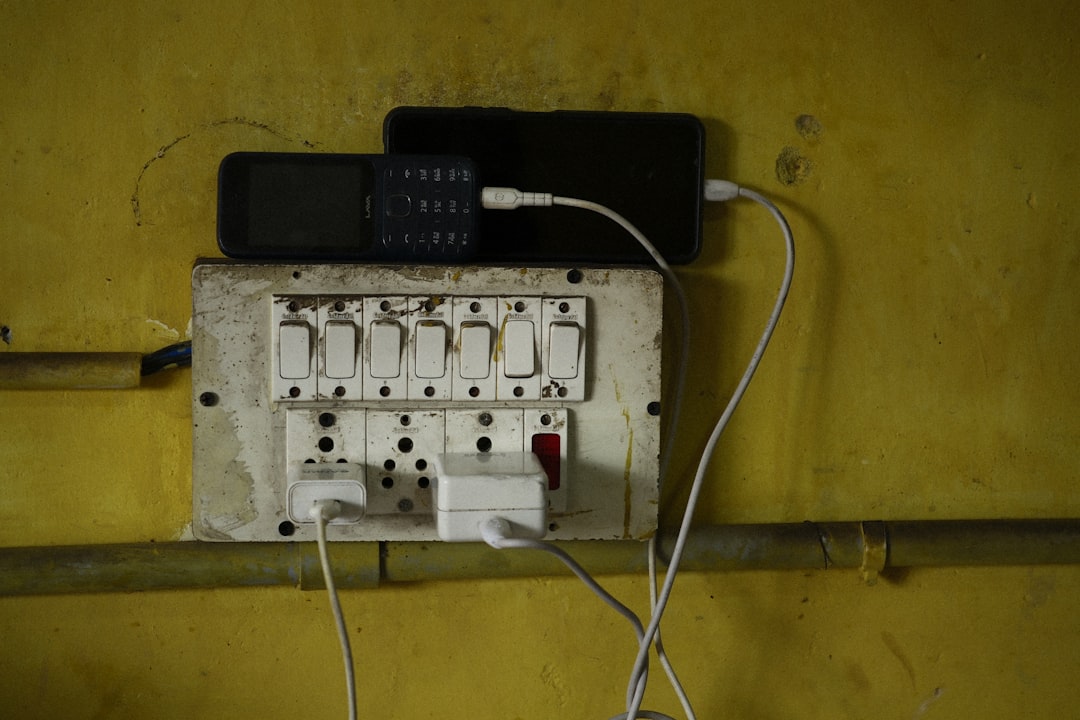
Power grid voltage collapse is a critical phenomenon that can lead to widespread blackouts and significant disruptions in electricity supply. It occurs when the voltage levels in the power system drop below acceptable thresholds, resulting in the inability of the grid to maintain stable operations. This situation can arise from various factors, including excessive load demand, inadequate reactive power support, or failures in transmission infrastructure.
Understanding the mechanics behind voltage collapse is essential for power system operators and engineers, as it allows them to implement effective strategies to prevent such occurrences. The dynamics of voltage collapse are often complex, involving intricate interactions between generation, transmission, and load components of the power system. When the demand for electricity exceeds the available supply or when there is insufficient reactive power to support voltage levels, the grid can experience a cascading failure.
This failure can lead to a rapid decline in voltage, causing generators to disconnect and loads to be shed, ultimately resulting in a blackout. Therefore, a comprehensive understanding of voltage stability and the factors that influence it is crucial for maintaining a reliable power supply.
Key Takeaways
- Voltage collapse in power grids can be anticipated by recognizing early warning signs and analyzing voltage stability.
- Effective reactive power control and upgrading voltage regulation equipment are crucial to maintaining grid stability.
- Enhancing transmission line capacities and conducting regular maintenance help prevent voltage collapse events.
- Developing contingency plans and coordinating with system operators ensure rapid response during voltage instability.
- Investing in grid modernization and collaborating with experts support long-term resilience and innovation in power systems.
Identifying Warning Signs of Voltage Collapse
Recognizing the early warning signs of voltage collapse is vital for preventing catastrophic failures in the power grid. Operators must be vigilant in monitoring various indicators that may signal impending instability. One of the primary warning signs is a noticeable drop in voltage levels across the grid.
When voltage levels begin to fluctuate or dip below established thresholds, it can indicate that the system is under stress and may be approaching a critical point. Another significant indicator is the increase in reactive power demand. If the grid experiences a surge in demand for reactive power, it may suggest that there are insufficient resources available to support voltage levels.
Additionally, operators should pay attention to the performance of key transmission lines and substations. If certain lines are operating near their thermal limits or if transformers are showing signs of overheating, these conditions can contribute to voltage instability. By identifying these warning signs early, operators can take proactive measures to mitigate risks and enhance grid reliability.
Implementing Reactive Power Control

Reactive power control plays a pivotal role in maintaining voltage stability within the power grid. Reactive power is essential for supporting voltage levels and ensuring that electrical energy can be effectively transmitted from generation sources to end-users. To implement effective reactive power control, utilities often employ various technologies and strategies designed to optimize the flow of reactive power throughout the system.
Additionally, utilities may utilize capacitor banks strategically placed throughout the grid to provide localized reactive support.
By enhancing reactive power control mechanisms, operators can significantly improve voltage stability and reduce the likelihood of collapse.
Utilizing Voltage Stability Analysis Tools
Voltage stability analysis tools are essential for assessing the robustness of a power system against potential voltage collapse scenarios. These tools enable operators to simulate various operating conditions and evaluate how changes in load, generation, and network configurations may impact voltage stability. By employing advanced modeling techniques, utilities can identify weak points within the grid and develop targeted solutions to enhance overall stability.
One widely used tool is the continuation power flow analysis, which helps determine the maximum load that a system can support before experiencing voltage collapse. This analysis provides valuable insights into critical operating limits and assists operators in making informed decisions regarding system upgrades or modifications. Additionally, real-time monitoring systems equipped with advanced analytics can provide operators with continuous feedback on voltage stability, allowing for timely interventions when necessary.
Enhancing Transmission Line Capacities
| Metric | Description | Typical Range/Value | Importance in Voltage Collapse Prevention |
|---|---|---|---|
| Voltage Stability Margin (VSM) | Measure of how close the system is to voltage collapse | 0.1 to 0.3 p.u. (per unit) | Higher margin indicates better voltage stability and lower risk of collapse |
| Reactive Power Reserve | Available reactive power capacity to support voltage levels | 10% to 20% of load reactive power demand | Ensures voltage support during disturbances to prevent collapse |
| Load Power Factor | Ratio of real power to apparent power in the load | 0.85 to 0.95 lagging | Improved power factor reduces reactive power demand, aiding voltage stability |
| Voltage at Critical Buses | Voltage magnitude at buses most susceptible to collapse | 0.95 to 1.05 p.u. | Maintaining voltage within limits prevents voltage instability |
| Load Increase Margin | Maximum load increase before voltage collapse occurs | 5% to 15% increase over current load | Indicates system robustness to load growth without collapse |
| Reactive Power Compensation Capacity | Capacity of devices like capacitors and SVCs to inject reactive power | Varies widely; typically 5% to 15% of load reactive power | Supports voltage levels and prevents collapse under stress |
| System Loadability Limit | Maximum load the system can handle without voltage collapse | Depends on system design; often 1.2 to 1.5 times base load | Defines operational boundaries to avoid voltage collapse |
| Voltage Recovery Time | Time taken for voltage to return to normal after disturbance | Typically less than 5 seconds | Faster recovery reduces risk of cascading voltage collapse |
Enhancing transmission line capacities is a fundamental strategy for improving voltage stability and preventing collapse within the power grid. As electricity demand continues to rise, existing transmission infrastructure may become strained, leading to increased losses and potential voltage issues. Upgrading transmission lines to accommodate higher capacities can alleviate these pressures and ensure that electricity flows efficiently from generation sources to consumers.
One approach to enhancing transmission line capacities involves upgrading existing lines with higher-rated conductors or implementing new technologies such as high-temperature superconductors. These advancements allow for greater current-carrying capabilities without necessitating extensive infrastructure changes. Additionally, utilities may consider constructing new transmission corridors to relieve congestion in heavily loaded areas.
By investing in transmission line enhancements, utilities can bolster grid resilience and maintain stable voltage levels even during peak demand periods.
Upgrading Voltage Regulation Equipment
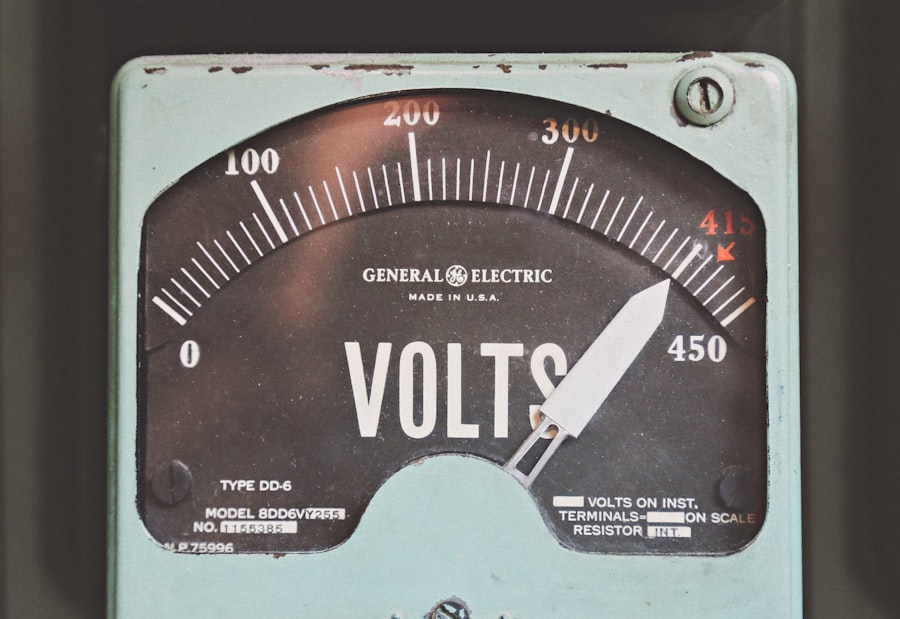
Upgrading voltage regulation equipment is another critical component in maintaining voltage stability within the power grid. Voltage regulation devices, such as automatic voltage regulators (AVRs) and tap-changing transformers, play a vital role in ensuring that voltage levels remain within acceptable ranges during varying load conditions. As technology advances, older equipment may become less effective at managing voltage fluctuations, necessitating upgrades to more modern solutions.
Modern AVRs are equipped with advanced control algorithms that enable them to respond more quickly and accurately to changes in system conditions. These devices can automatically adjust generator output or transformer tap settings to maintain stable voltage levels across the grid. Furthermore, integrating smart grid technologies allows for enhanced communication between devices, enabling more coordinated responses to voltage disturbances.
By upgrading voltage regulation equipment, utilities can significantly improve their ability to manage voltage stability and reduce the risk of collapse.
Developing Contingency Plans for Voltage Collapse
Developing contingency plans for voltage collapse is essential for ensuring that utilities are prepared to respond effectively in the event of an emergency. These plans should outline specific protocols for identifying potential collapse scenarios, assessing their impact on the grid, and implementing corrective actions to restore stability. A well-structured contingency plan not only enhances operational readiness but also instills confidence among stakeholders regarding the utility’s ability to manage crises.
Key components of an effective contingency plan include clear communication protocols among operators, predefined roles and responsibilities during emergencies, and established procedures for load shedding or generator dispatching when necessary. Regular drills and simulations can help familiarize personnel with these procedures and ensure that they are prepared to act swiftly in real-world situations. By proactively developing contingency plans, utilities can minimize downtime and mitigate the consequences of voltage collapse events.
Coordinating with Power System Operators
Coordinating with other power system operators is crucial for maintaining overall grid stability and preventing voltage collapse on a larger scale. The interconnected nature of modern power systems means that disturbances in one area can have ripple effects throughout the entire network. Therefore, effective communication and collaboration among operators are essential for managing these interdependencies.
Joint planning initiatives can help identify potential vulnerabilities within interconnected systems and develop strategies for addressing them collectively. Regular coordination meetings allow operators to share insights on emerging challenges and best practices for maintaining voltage stability. Additionally, participating in regional reliability organizations can provide access to valuable resources and expertise that enhance overall grid resilience.
By fostering strong relationships with other operators, utilities can better navigate complex challenges related to voltage stability.
Conducting Regular Grid Maintenance
Regular maintenance of grid infrastructure is vital for ensuring long-term reliability and preventing voltage collapse incidents. Aging equipment, wear and tear on transmission lines, and environmental factors can all contribute to reduced performance over time. Therefore, implementing a comprehensive maintenance program is essential for identifying potential issues before they escalate into significant problems.
Scheduled inspections of transmission lines, substations, and other critical components allow utilities to detect early signs of deterioration or malfunction. Routine maintenance tasks such as vegetation management around transmission corridors can also help prevent outages caused by falling trees or branches during storms. By prioritizing regular maintenance activities, utilities can enhance their ability to maintain stable voltage levels and reduce the risk of unexpected failures.
Investing in Grid Modernization Technologies
Investing in grid modernization technologies is increasingly recognized as a key strategy for enhancing voltage stability and overall grid performance. The integration of advanced technologies such as smart meters, distributed energy resources (DERs), and energy storage systems enables utilities to better manage supply and demand dynamics while improving responsiveness to changing conditions. Smart meters provide real-time data on energy consumption patterns, allowing utilities to optimize load management strategies effectively.
Meanwhile, DERs such as solar panels and wind turbines contribute renewable energy sources that can help stabilize voltage levels during peak demand periods. Energy storage systems offer additional flexibility by storing excess energy during low-demand times and releasing it when needed most. By embracing these modernization technologies, utilities can create a more resilient grid capable of adapting to evolving challenges related to voltage stability.
Collaborating with Research Institutions and Industry Experts
Collaboration with research institutions and industry experts is essential for advancing knowledge and developing innovative solutions related to voltage stability in power systems. Engaging with academic researchers allows utilities to stay informed about emerging trends, technologies, and methodologies that can enhance their operational practices. Partnerships with industry experts also facilitate knowledge exchange regarding best practices for managing voltage stability challenges effectively.
Collaborative research projects can lead to breakthroughs in areas such as advanced modeling techniques or new control strategies that improve grid resilience. By fostering these collaborative relationships, utilities can leverage external expertise while contributing to the broader body of knowledge surrounding power system stability. In conclusion, addressing power grid voltage collapse requires a multifaceted approach that encompasses understanding its dynamics, identifying warning signs, implementing control measures, enhancing infrastructure capacities, upgrading equipment, developing contingency plans, coordinating with other operators, conducting regular maintenance, investing in modernization technologies, and collaborating with experts in the field.
By adopting these strategies holistically, utilities can significantly improve their ability to maintain stable voltage levels and ensure reliable electricity supply for consumers while minimizing the risk of catastrophic failures within the power grid.
To effectively prevent power grid voltage collapse, it is essential to implement robust monitoring and control systems. A related article that delves into innovative strategies for enhancing grid stability can be found at this link. This resource provides valuable insights into the technologies and methodologies that can be employed to maintain voltage levels and ensure a reliable power supply.
FAQs
What is power grid voltage collapse?
Power grid voltage collapse is a condition where the voltage levels in an electrical power system drop significantly and uncontrollably, leading to a failure in maintaining stable power supply. This can cause widespread blackouts and damage to electrical equipment.
What causes voltage collapse in power grids?
Voltage collapse is typically caused by excessive power demand, insufficient reactive power support, faults in the system, equipment failures, or poor system design. It often occurs when the power system is heavily loaded and cannot maintain voltage levels.
Why is preventing voltage collapse important?
Preventing voltage collapse is crucial to ensure the reliability and stability of the power grid. Voltage collapse can lead to large-scale power outages, economic losses, and safety hazards for both consumers and utility operators.
What methods are used to prevent voltage collapse?
Common methods include installing reactive power compensation devices (like capacitors and synchronous condensers), improving system monitoring and control, implementing load shedding schemes, enhancing grid infrastructure, and using advanced voltage control technologies.
How does reactive power support help in voltage collapse prevention?
Reactive power support helps maintain voltage levels by compensating for voltage drops caused by inductive loads. Devices that provide reactive power help stabilize voltage and prevent it from falling to critical levels that could trigger collapse.
Can smart grid technologies aid in preventing voltage collapse?
Yes, smart grid technologies improve real-time monitoring, control, and automation of the power system. They enable faster detection of voltage instability and allow for dynamic adjustments to prevent voltage collapse.
What role does load management play in voltage collapse prevention?
Load management involves controlling or reducing power consumption during peak demand periods. By managing loads effectively, the stress on the power grid is reduced, lowering the risk of voltage collapse.
Are there any standards or guidelines for voltage collapse prevention?
Yes, various international and national standards, such as those from IEEE and IEC, provide guidelines for voltage stability, reactive power management, and system design to prevent voltage collapse.
What happens if voltage collapse is not prevented?
If voltage collapse is not prevented, it can lead to widespread blackouts, damage to electrical equipment, increased operational costs, and safety risks for both the power system and consumers.
Who is responsible for preventing voltage collapse?
Utility companies, grid operators, system planners, and regulatory authorities share responsibility for preventing voltage collapse through proper system design, operation, maintenance, and regulatory compliance.