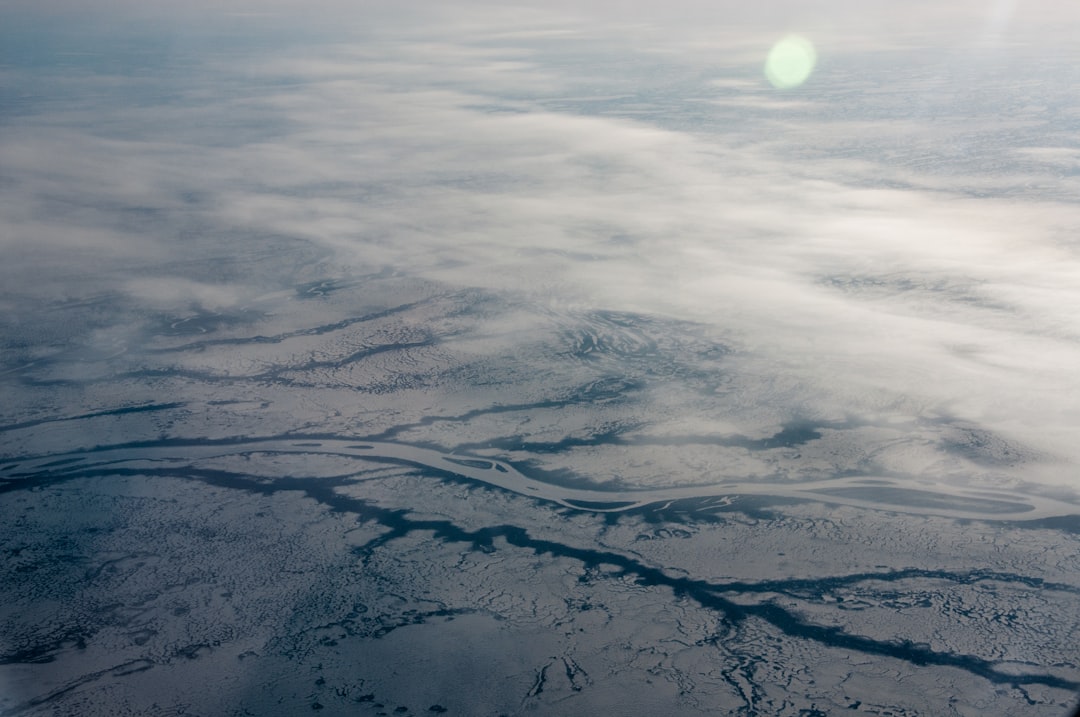
The phenomenon of magnetic north pole drift has garnered increasing attention in recent years, as it poses significant implications for navigation, environmental science, and even cultural practices. Unlike the geographic North Pole, which remains relatively fixed, the magnetic north pole is in a constant state of flux, moving due to changes in the Earth’s magnetic field. This drift can affect compasses, navigation systems, and various technologies that rely on magnetic orientation.
As the magnetic north pole continues its journey, understanding its implications becomes crucial for both scientific communities and the general public. The magnetic north pole’s movement is not merely a scientific curiosity; it has real-world consequences that can impact everything from maritime navigation to wildlife migration patterns. As the pole shifts, it can lead to discrepancies in navigational tools that have been relied upon for centuries.
This article aims to explore the historical background of magnetic north pole drift, its geographical and navigational impacts, environmental consequences, technological challenges, economic ramifications, scientific research, cultural perspectives, international cooperation, and future projections.
Key Takeaways
- The Magnetic North Pole is continuously drifting, impacting navigation and geography.
- Historical data shows significant shifts in the pole’s position over time.
- Drift affects environmental systems and poses challenges for technology reliant on magnetic data.
- Economic sectors, including shipping and aviation, face costs due to necessary adjustments.
- International collaboration and scientific research are crucial for adapting to future changes.
Historical Background of Magnetic North Pole Drift
The history of magnetic north pole drift dates back centuries, with early navigators relying on the Earth’s magnetic field to guide their journeys across uncharted waters. The first recorded observations of the magnetic north pole were made in the early 19th century when explorers began to document its location and movement. Initially, the magnetic north pole was located in the Canadian Arctic, but over time, it has shifted significantly toward Russia.
This movement has been documented through various scientific studies and navigational records, revealing a pattern of drift that has accelerated in recent decades. In the 20th century, advancements in technology allowed for more precise measurements of the magnetic north pole’s location. The International Association of Geomagnetism and Aeronomy (IAGA) has played a pivotal role in monitoring these changes.
By utilizing satellite data and ground-based observations, scientists have been able to track the pole’s movement with remarkable accuracy. This historical context provides a foundation for understanding the current implications of magnetic north pole drift and highlights the importance of ongoing research in this area.
Geographical and Navigational Impacts of Magnetic North Pole Drift
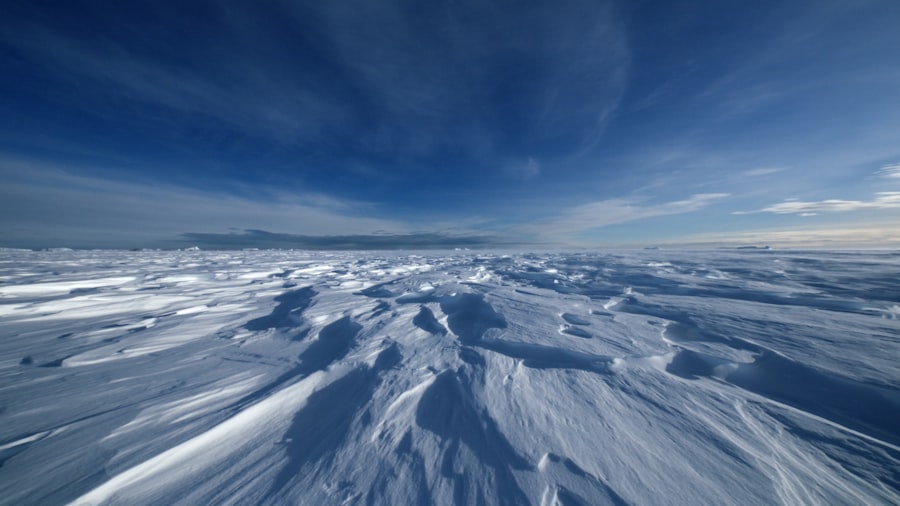
The geographical implications of magnetic north pole drift are profound, particularly for navigation systems that rely on magnetic compasses. As the magnetic north pole shifts, navigational charts and maps become outdated, leading to potential errors in navigation. Mariners and aviators must constantly update their knowledge of the pole’s position to ensure safe travel.
This is especially critical in polar regions where traditional navigation methods are often employed due to limited visibility and harsh weather conditions. Moreover, the drift can also affect wildlife that relies on the Earth’s magnetic field for migration. Many species, including birds and sea turtles, use magnetic cues to navigate during their seasonal migrations.
As the magnetic north pole moves, these animals may find themselves disoriented or off course, leading to potential disruptions in their migratory patterns. The interconnectedness of geography and navigation underscores the need for continuous monitoring and adaptation to these changes.
Environmental Consequences of Magnetic North Pole Drift
The environmental consequences of magnetic north pole drift extend beyond navigation; they also encompass broader ecological impacts. Changes in the Earth’s magnetic field can influence atmospheric conditions and climate patterns. For instance, fluctuations in geomagnetic activity can affect solar radiation levels reaching the Earth’s surface, potentially altering weather patterns and impacting ecosystems.
Additionally, as the magnetic north pole drifts closer to populated areas, there may be increased exposure to geomagnetic storms and solar flares. These events can disrupt communication systems and power grids, leading to environmental challenges that require immediate attention. Understanding these environmental consequences is essential for developing strategies to mitigate potential risks associated with magnetic north pole drift.
Technological Challenges Posed by Magnetic North Pole Drift
| Metric | Value | Unit | Notes |
|---|---|---|---|
| Annual Drift Speed | 55 | km/year | Current average speed of magnetic north pole movement |
| Drift Direction | North-Northwest | Compass Direction | General direction of magnetic north pole movement |
| Change in Declination | 0.1 to 0.2 | degrees/year | Variation in magnetic declination affecting navigation |
| Impact on GPS Accuracy | Minimal | N/A | GPS systems use satellite data, less affected by magnetic drift |
| Impact on Compass Navigation | Significant | N/A | Requires frequent updates to navigation charts and compass calibration |
| Frequency of Geomagnetic Model Updates | Every 5 years | Years | World Magnetic Model updates to account for pole drift |
| Effect on Aviation | Runway Renaming | N/A | Runway headings adjusted due to magnetic drift |
| Historical Drift Rate (1900-2000) | 10 | km/year | Slower drift rate compared to recent decades |
The technological challenges posed by magnetic north pole drift are multifaceted and increasingly complex. Modern navigation systems, including GPS and other satellite-based technologies, rely on precise measurements of both geographic and magnetic coordinates. As the magnetic north pole shifts, recalibrating these systems becomes essential to maintain accuracy.
Failure to do so can result in significant navigational errors that could jeopardize safety in various industries. Moreover, industries such as aviation and maritime transport must invest in updated training programs for personnel to ensure they are aware of the changing magnetic landscape. This includes understanding how to interpret navigational data accurately and recognizing when adjustments are necessary.
The technological implications of magnetic north pole drift highlight the need for ongoing research and development to create adaptive systems that can respond to these changes effectively.
Economic Ramifications of Magnetic North Pole Drift
The economic ramifications of magnetic north pole drift are significant, particularly for industries reliant on accurate navigation. Shipping companies may face increased costs due to delays caused by navigational errors or the need for updated charts and equipment.
Furthermore, industries such as fishing and oil exploration that operate in remote areas may encounter challenges related to changing navigational conditions. The potential for increased operational costs could lead to higher prices for consumers and reduced profitability for businesses. Understanding these economic implications is crucial for stakeholders who must adapt their strategies in response to the shifting magnetic landscape.
Scientific Research and Studies on Magnetic North Pole Drift
Scientific research on magnetic north pole drift has expanded significantly over recent years as researchers seek to understand the underlying mechanisms driving this phenomenon. Studies have focused on various aspects of geomagnetism, including the Earth’s core dynamics and how they influence the magnetic field’s behavior. Researchers utilize advanced modeling techniques and satellite data to gain insights into the complex interactions between geological processes and magnetic field variations.
Collaborative efforts among scientists from different disciplines have led to a more comprehensive understanding of magnetic north pole drift. By sharing data and findings across borders, researchers can develop more accurate predictive models that account for various factors influencing the movement of the magnetic north pole. This collaborative approach is essential for addressing the challenges posed by this phenomenon effectively.
Cultural and Societal Perspectives on Magnetic North Pole Drift
Culturally and socially, magnetic north pole drift has implications that extend beyond scientific inquiry. Indigenous communities in polar regions often possess traditional knowledge related to navigation and land use that has been passed down through generations. As the magnetic north pole shifts, these communities may face challenges in maintaining their cultural practices tied to navigation and land stewardship.
Moreover, public awareness of magnetic north pole drift is crucial for fostering a sense of responsibility toward environmental stewardship. Educational initiatives aimed at informing communities about the significance of this phenomenon can empower individuals to take action in their local environments. By bridging scientific knowledge with cultural perspectives, society can develop a more holistic understanding of how magnetic north pole drift affects both people and ecosystems.
International Cooperation and Policies Addressing Magnetic North Pole Drift
Addressing the challenges posed by magnetic north pole drift requires international cooperation and policy development. Countries with interests in polar regions must collaborate on research initiatives aimed at monitoring changes in the magnetic field and their implications for navigation and environmental management. Joint efforts can lead to standardized protocols for updating navigational charts and ensuring safety in maritime operations.
By fostering collaboration among scientists, policymakers, and industry leaders, countries can develop comprehensive strategies that prioritize safety while promoting sustainable practices in polar regions.
Future Projections and Predictions for Magnetic North Pole Drift
Looking ahead, projections regarding the future movement of the magnetic north pole suggest that its drift will continue at an accelerated pace. Some scientists predict that it may eventually reach a point where it could significantly impact global navigation systems within a few decades. As technology advances, researchers will likely develop more sophisticated models that can provide accurate predictions about future shifts in the magnetic field.
These projections underscore the importance of proactive measures to adapt to changing conditions. Industries reliant on navigation must remain vigilant in updating their systems while also investing in research aimed at understanding potential long-term consequences associated with continued drift. By anticipating future changes, stakeholders can better prepare for challenges that lie ahead.
Adapting to the Changing Magnetic North Pole
In conclusion, adapting to the changing magnetic north pole is essential for navigating an increasingly complex world influenced by this phenomenon. From historical insights to contemporary challenges, understanding magnetic north pole drift is crucial for ensuring safety in navigation while also addressing broader environmental concerns. As scientific research continues to evolve, society must embrace a collaborative approach that integrates diverse perspectives—scientific, cultural, and economic—to effectively respond to this dynamic issue.
The journey ahead will require ongoing vigilance and adaptability as stakeholders across various sectors work together to navigate the implications of magnetic north pole drift. By fostering international cooperation and investing in research initiatives, society can better prepare for a future shaped by this ever-shifting force within our planet’s geomagnetic landscape.
The ongoing drift of the magnetic north pole has significant implications for navigation systems and wildlife migration patterns. For a deeper understanding of these effects, you can read more in the article available at My GeoQuest. This resource provides insights into how the shifting magnetic field influences both technology and natural behaviors across the globe.
FAQs
What is the magnetic north pole drift?
The magnetic north pole drift refers to the gradual movement of the Earth’s magnetic north pole over time. This drift occurs because the Earth’s magnetic field is generated by the dynamic movements of molten iron within its outer core, causing the magnetic poles to shift position.
How fast is the magnetic north pole drifting?
The magnetic north pole has been drifting at varying speeds over the years. In recent decades, it has moved approximately 55 to 60 kilometers (about 34 to 37 miles) per year, primarily in a north-northwest direction from Canada towards Siberia.
What causes the magnetic north pole to drift?
The drift is caused by changes in the Earth’s outer core, where the movement of molten iron generates the planet’s magnetic field. Variations in the flow and composition of this molten material alter the magnetic field, leading to the shifting position of the magnetic poles.
How does the magnetic north pole drift affect navigation?
The drift affects navigation systems that rely on magnetic compasses, as the compass points toward the magnetic north pole. As the pole moves, compass readings can become inaccurate unless updated magnetic declination data is used. Modern navigation systems often compensate for this drift using GPS and regularly updated magnetic models.
Does the magnetic north pole drift impact wildlife?
Yes, some migratory animals, such as birds, sea turtles, and whales, use the Earth’s magnetic field for navigation. Changes in the magnetic field due to the pole’s drift can influence their migratory patterns, although many species can adapt to gradual changes over time.
Is the magnetic north pole drift related to the Earth’s geographic north pole?
No, the magnetic north pole and the geographic north pole are different. The geographic north pole is the fixed point at the Earth’s axis of rotation, while the magnetic north pole is the point where the planet’s magnetic field points vertically downwards. The magnetic pole moves, whereas the geographic pole remains constant.
Can the magnetic north pole drift lead to a magnetic pole reversal?
The drift itself is part of the natural behavior of the Earth’s magnetic field and does not directly cause a magnetic pole reversal. However, over geological timescales, the magnetic poles have reversed many times in a process called geomagnetic reversal, which involves a complete flip of the magnetic field.
How often is magnetic declination updated due to the pole’s drift?
Magnetic declination data is typically updated every few years by organizations such as the National Oceanic and Atmospheric Administration (NOAA) and the British Geological Survey. These updates help ensure accurate navigation by accounting for the ongoing drift of the magnetic poles.
What technologies help mitigate the effects of magnetic north pole drift?
Modern navigation technologies like GPS, inertial navigation systems, and updated magnetic field models help mitigate the effects of the magnetic north pole drift. These systems provide accurate positioning information without relying solely on magnetic compass readings.
Where can I find current information about the magnetic north pole’s position?
Current data on the magnetic north pole’s position is available from scientific organizations such as the United States Geological Survey (USGS), NOAA, and the British Geological Survey. They provide updated magnetic field models and maps that track the pole’s movement.