Geomagnetic storms are significant disturbances in Earth’s magnetosphere caused by solar wind and solar flares. These storms can lead to a variety of phenomena, including auroras and disruptions in communication systems. At the heart of these storms are neutral currents, which are electric currents that flow through the Earth’s surface and ionosphere as a result of geomagnetic activity.
When solar particles collide with the Earth’s magnetic field, they can induce these currents, which can have profound effects on both natural and man-made systems. Neutral currents are particularly concerning because they can lead to geomagnetically induced currents (GICs) that affect power grids and other infrastructure. Understanding the dynamics of these currents is crucial for predicting their impact and developing strategies to mitigate potential damage.
The interaction between solar activity and Earth’s magnetic field creates a complex system that requires careful study to fully comprehend the implications of geomagnetic storms on technology and the environment.
Key Takeaways
- Geomagnetic storms induce neutral currents that can disrupt power systems and infrastructure.
- Accurate detection and measurement of these neutral currents are essential for assessing their impact.
- Both ground-based magnetometers and satellite technologies play crucial roles in monitoring neutral currents.
- Real-time monitoring and alert systems help mitigate risks by providing timely warnings to power grid operators.
- Ongoing research and international collaboration are vital for improving prediction, monitoring, and mitigation strategies.
The Impact of Geomagnetic Storms on Power Systems
The impact of geomagnetic storms on power systems is a growing concern for utility companies and grid operators worldwide. When geomagnetic storms occur, they can induce GICs that flow through power lines and transformers, potentially leading to equipment damage, voltage instability, and even widespread blackouts. The 1989 Quebec blackout serves as a stark reminder of the vulnerabilities of power systems to geomagnetic disturbances, where a severe storm caused a nine-hour outage affecting millions.
In addition to immediate disruptions, the long-term effects of geomagnetic storms on power systems can be equally damaging. Transformers, which are critical components of electrical grids, can suffer from overheating due to excessive GICs. This overheating can lead to reduced lifespan or complete failure of these devices, necessitating costly repairs or replacements.
As society becomes increasingly reliant on electricity, understanding and mitigating the risks posed by geomagnetic storms is essential for maintaining the integrity of power systems.
Detecting and Measuring Geomagnetic Storm Neutral Currents
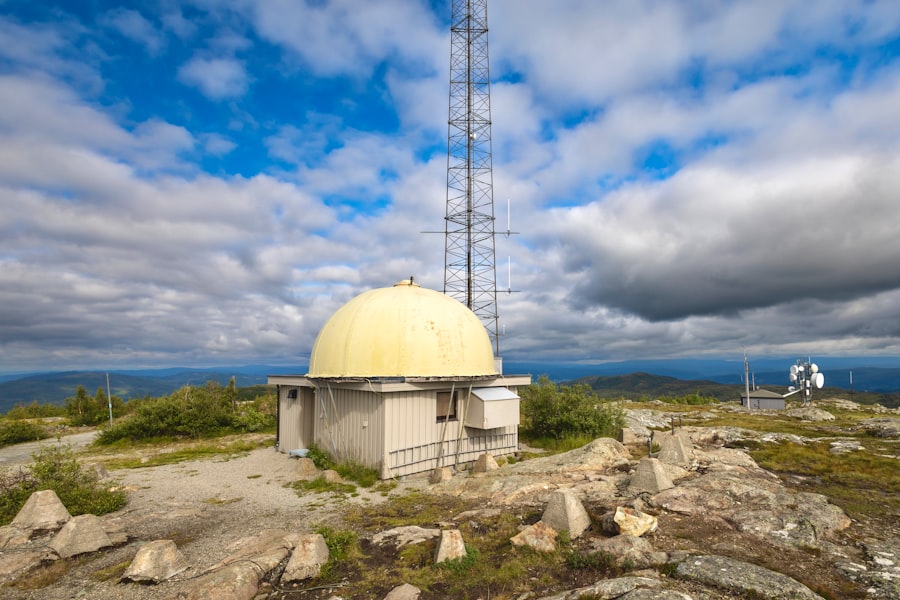
Detecting and measuring geomagnetic storm neutral currents is a complex task that involves various scientific instruments and methodologies. Ground-based magnetometers are commonly used to monitor changes in the Earth’s magnetic field, providing valuable data on geomagnetic activity. These instruments can detect fluctuations in magnetic field strength that indicate the presence of neutral currents during geomagnetic storms.
By analyzing data from multiple sources, researchers can create models that predict the behavior of these currents during geomagnetic events. This multi-faceted approach is crucial for accurately assessing the potential impact of geomagnetic storms on infrastructure and for developing effective monitoring strategies.
Monitoring Techniques for Geomagnetic Storm Neutral Currents
Monitoring techniques for geomagnetic storm neutral currents have evolved significantly over the years, driven by advancements in technology and an increasing understanding of space weather phenomena. One of the primary methods involves the use of ground-based magnetometers strategically placed around the globe. These instruments continuously measure variations in the Earth’s magnetic field, allowing scientists to detect anomalies associated with geomagnetic storms.
In addition to ground-based monitoring, satellite technology has become an invaluable tool in observing neutral currents. Satellites equipped with specialized sensors can provide real-time data on solar wind conditions and their interaction with Earth’s magnetic field. This dual approach—combining ground-based and satellite observations—enables researchers to gain a more comprehensive view of geomagnetic storm dynamics and their associated neutral currents.
The Role of Ground-based Magnetometers in Monitoring Neutral Currents
| Parameter | Description | Typical Range | Unit | Measurement Method |
|---|---|---|---|---|
| Neutral Current Intensity | Magnitude of neutral currents induced in the Earth’s surface during geomagnetic storms | 0 – 500 | Amperes (A) | Ground-based magnetometers and current sensors |
| Geomagnetic Field Variation | Change in Earth’s magnetic field strength during storm events | 10 – 2000 | Nanotesla (nT) | Magnetometer arrays |
| Storm Sudden Commencement (SSC) | Time and magnitude of sudden increase in geomagnetic field indicating storm onset | Varies by event | Timestamp and nT | Real-time geomagnetic observatories |
| Induced Ground Voltage | Voltage induced in ground-based infrastructure due to neutral currents | 0 – 1000 | Volts (V) | Voltage sensors on power grids |
| Neutral Current Density | Current per unit area flowing through the Earth’s surface | 0 – 10 | Amperes per square kilometer (A/km²) | Geoelectric field measurements |
| Duration of Geomagnetic Storm | Length of time the storm affects neutral current levels | 1 – 72 | Hours | Continuous monitoring |
Ground-based magnetometers play a pivotal role in monitoring neutral currents during geomagnetic storms. These instruments are designed to detect minute changes in the Earth’s magnetic field caused by solar activity. By strategically placing magnetometers at various locations around the world, researchers can create a network that captures regional variations in geomagnetic activity.
The data collected from ground-based magnetometers is essential for understanding the spatial distribution of neutral currents during geomagnetic storms. This information helps scientists identify areas that may be more susceptible to GICs, allowing for targeted monitoring and mitigation efforts. Furthermore, ground-based magnetometers provide historical data that can be analyzed to improve predictive models for future geomagnetic events.
Satellite-based Monitoring of Geomagnetic Storm Neutral Currents

Satellite-based monitoring has revolutionized the study of geomagnetic storm neutral currents by providing a global perspective on solar activity and its effects on Earth. Satellites equipped with advanced sensors can measure various parameters related to solar wind, magnetic fields, and ionospheric conditions. This data is crucial for understanding how solar events influence neutral currents and their potential impact on power systems.
One significant advantage of satellite monitoring is its ability to provide real-time data from multiple vantage points in space. This capability allows researchers to track the progression of geomagnetic storms as they develop, offering insights into their intensity and potential effects on Earth’s surface. By integrating satellite data with ground-based observations, scientists can enhance their understanding of neutral currents and improve forecasting models for future geomagnetic events.
Real-time Monitoring and Alert Systems for Neutral Currents
Real-time monitoring and alert systems for neutral currents are essential for minimizing the impact of geomagnetic storms on critical infrastructure. These systems utilize data from ground-based magnetometers and satellites to provide timely information about ongoing geomagnetic activity. By continuously analyzing this data, researchers can identify when conditions are favorable for significant GICs to occur.
Alert systems play a crucial role in informing utility companies and grid operators about potential risks associated with geomagnetic storms. When a storm is detected, alerts can be issued to relevant stakeholders, allowing them to take proactive measures to protect their infrastructure. This may include adjusting grid operations, temporarily shutting down vulnerable equipment, or implementing other mitigation strategies to minimize damage.
Challenges and Limitations in Monitoring Geomagnetic Storm Neutral Currents
Despite advancements in monitoring techniques, several challenges and limitations persist in the study of geomagnetic storm neutral currents. One significant challenge is the variability of geomagnetic storms themselves; each event can differ in intensity, duration, and impact on Earth’s magnetic field. This variability makes it difficult to develop standardized monitoring protocols that can be applied universally.
Additionally, the geographic distribution of monitoring stations can create gaps in data coverage, particularly in remote or underpopulated areas. These gaps can hinder researchers’ ability to obtain a complete picture of neutral current behavior during geomagnetic storms. Furthermore, the complexity of interactions between solar wind, Earth’s magnetic field, and atmospheric conditions adds another layer of difficulty in accurately predicting the effects of geomagnetic storms on infrastructure.
Mitigating the Effects of Geomagnetic Storm Neutral Currents on Power Systems
Mitigating the effects of geomagnetic storm neutral currents on power systems requires a multi-faceted approach that combines technology, policy, and preparedness strategies. Utility companies are increasingly investing in protective measures such as installing GIC-blocking devices on transformers and enhancing grid resilience through improved design standards. These measures aim to reduce the vulnerability of power systems to GICs induced by geomagnetic storms.
In addition to technological solutions, collaboration between government agencies, research institutions, and utility companies is essential for developing effective mitigation strategies. Sharing data and best practices can help stakeholders better understand the risks associated with geomagnetic storms and implement proactive measures to safeguard critical infrastructure. Public awareness campaigns can also play a role in educating communities about the potential impacts of geomagnetic storms and encouraging preparedness at all levels.
Future Developments in Monitoring and Predicting Geomagnetic Storm Neutral Currents
The future of monitoring and predicting geomagnetic storm neutral currents looks promising as advancements in technology continue to emerge. Researchers are exploring new methods for enhancing data collection and analysis, including machine learning algorithms that can improve predictive modeling based on historical data patterns. These developments could lead to more accurate forecasts of geomagnetic storm impacts on neutral currents.
Moreover, international collaboration is expected to play a significant role in advancing research efforts. By pooling resources and expertise from various countries, scientists can develop more comprehensive monitoring networks that cover larger geographic areas. This collaborative approach will enhance the ability to predict and respond to geomagnetic storms effectively, ultimately leading to improved resilience for power systems worldwide.
Collaborative Efforts in Research and Monitoring of Geomagnetic Storm Neutral Currents
Collaborative efforts in research and monitoring of geomagnetic storm neutral currents are vital for addressing the challenges posed by these phenomena. Various organizations, including government agencies, academic institutions, and private sector entities, are working together to share data, resources, and expertise in this field. Such collaborations facilitate a more comprehensive understanding of geomagnetic storms and their impacts on infrastructure.
International initiatives aimed at improving global monitoring capabilities are also gaining traction. By establishing partnerships between countries with advanced space weather monitoring programs and those with limited resources, researchers can create a more robust network for tracking geomagnetic activity. These collaborative efforts not only enhance scientific knowledge but also contribute to developing effective strategies for mitigating the risks associated with geomagnetic storms on power systems worldwide.
Geomagnetic storms can have significant impacts on our technology and infrastructure, making the monitoring of neutral currents essential for mitigating potential damage. A related article that delves into the intricacies of geomagnetic storm neutral current monitoring can be found at this link. This resource provides valuable insights into the methods and technologies used to track these currents and their implications for both natural and human-made systems.
FAQs
What is a geomagnetic storm?
A geomagnetic storm is a temporary disturbance of the Earth’s magnetosphere caused by solar wind shock waves and/or cloud of magnetic field that interact with the Earth’s magnetic field. These storms can disrupt communication systems, navigation, and power grids.
What does neutral current monitoring mean in the context of geomagnetic storms?
Neutral current monitoring refers to the measurement and analysis of currents flowing through the neutral conductor in electrical power systems. During geomagnetic storms, induced currents can flow through the neutral, potentially causing damage or operational issues.
Why is monitoring neutral currents important during geomagnetic storms?
Monitoring neutral currents helps detect geomagnetically induced currents (GICs) that can overload transformers and other electrical equipment. Early detection allows for preventive measures to protect power infrastructure and maintain grid stability.
How are geomagnetically induced currents (GICs) generated?
GICs are generated when variations in the Earth’s magnetic field during a geomagnetic storm induce electric fields on the Earth’s surface. These electric fields drive quasi-DC currents through long conductors like power lines and pipelines.
What equipment is used for neutral current monitoring?
Neutral current monitoring typically uses current transformers, Hall effect sensors, or other current measurement devices installed on the neutral conductor of transformers or power lines to continuously measure current flow.
Can neutral current monitoring prevent damage to power grids?
While monitoring itself does not prevent damage, it provides critical data that can trigger protective actions such as load shedding, transformer isolation, or grid reconfiguration to mitigate the impact of GICs during geomagnetic storms.
Are geomagnetic storms predictable?
Geomagnetic storms can be forecasted to some extent using solar observations and space weather models. However, precise timing and intensity predictions remain challenging.
Who benefits from geomagnetic storm neutral current monitoring?
Electric utilities, grid operators, and infrastructure managers benefit from neutral current monitoring as it helps them manage risks associated with geomagnetic storms and maintain reliable power delivery.
Is neutral current monitoring used worldwide?
Yes, many countries with vulnerable power grids, especially those at higher geomagnetic latitudes, implement neutral current monitoring as part of their space weather mitigation strategies.
What are the challenges in implementing neutral current monitoring?
Challenges include the cost of installing monitoring equipment, interpreting data accurately, integrating monitoring systems with grid control, and developing effective response protocols based on the measurements.