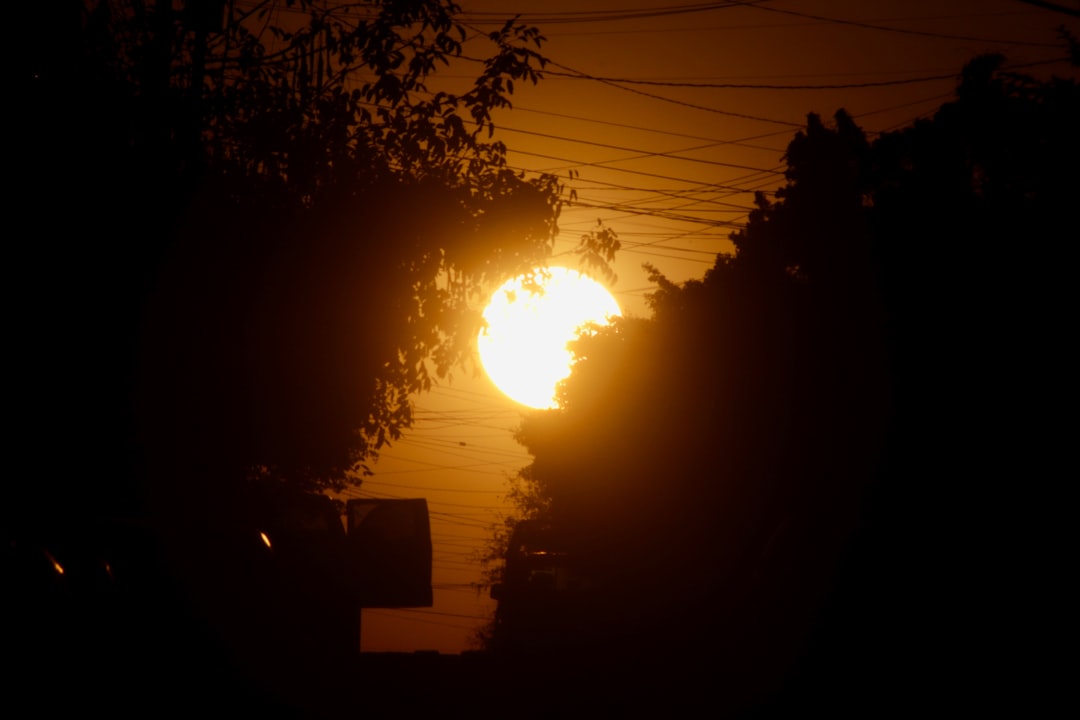
Solar flares are intense bursts of radiation emanating from the sun’s surface, resulting from the release of magnetic energy associated with sunspots. These phenomena can have significant implications for Earth, particularly concerning the stability of power grids. When a solar flare occurs, it can send charged particles hurtling toward the planet, which can interact with the Earth’s magnetic field.
This interaction can induce geomagnetic storms that may disrupt electrical systems, leading to power outages and damage to infrastructure. The potential for widespread disruption makes understanding solar flares crucial for both individuals and utility companies. The impact of solar flares on power grids can be profound.
High-voltage transformers, which are essential for transmitting electricity over long distances, are particularly vulnerable to geomagnetic storms. When these storms occur, they can induce currents that exceed the transformers’ design limits, potentially causing them to overheat and fail. In severe cases, this can lead to cascading failures across a power grid, resulting in extensive blackouts that may last for days or even weeks.
As society becomes increasingly reliant on technology and electricity, the need for preparedness in the face of such natural events has never been more pressing.
Key Takeaways
- Solar flares can disrupt power grids, making preparedness essential for extended outages.
- Stock up on essential supplies and create a reliable backup power plan for your home.
- Protect electronics from power surges and secure your home during blackouts.
- Develop communication plans with family and neighbors, and build a community support network.
- Regularly update your emergency preparedness plan and stay informed about solar flare activity.
Stocking Up on Essential Supplies for Extended Power Outages
In anticipation of potential power outages caused by solar flares or other emergencies, it is vital for individuals and families to stock up on essential supplies. A well-thought-out supply kit can make a significant difference during extended periods without electricity. Basic necessities such as non-perishable food items, bottled water, and first aid supplies should be prioritized.
Canned goods, dried fruits, and energy bars are excellent choices for food storage, as they have long shelf lives and require no cooking. Additionally, having a sufficient supply of water—at least one gallon per person per day for at least three days—is crucial for hydration and sanitation. Beyond food and water, individuals should consider other essential items that may be needed during a blackout.
Flashlights with extra batteries, portable chargers for electronic devices, and a battery-operated radio can help maintain communication and provide light during dark hours. Personal hygiene products, blankets, and warm clothing should also be included in the supply kit to ensure comfort and safety. By taking the time to gather these supplies in advance, families can alleviate some of the stress associated with unexpected power outages and ensure they are prepared for any situation.
Creating a Backup Power Plan for Your Home

Developing a backup power plan is an essential step in preparing for potential power outages caused by solar flares or other emergencies. Homeowners should assess their energy needs and consider investing in alternative power sources such as generators or solar panels. Generators can provide immediate relief during a blackout by supplying electricity to essential appliances like refrigerators and medical devices.
However, it is crucial to follow safety guidelines when using generators to prevent carbon monoxide poisoning and other hazards. In addition to generators, solar panels can offer a sustainable solution for backup power. By harnessing sunlight, homeowners can generate electricity even during outages, provided they have battery storage systems in place.
This not only ensures a continuous power supply but also reduces reliance on fossil fuels. When creating a backup power plan, it is important to identify which appliances are essential and prioritize their operation during an outage. By having a clear strategy in place, families can navigate power disruptions with greater ease and confidence.
Protecting Electronics and Appliances from Power Surges
Power surges are sudden increases in electrical voltage that can occur during geomagnetic storms or when power is restored after an outage. These surges can cause significant damage to sensitive electronics and appliances, making it essential to take protective measures. One effective way to safeguard devices is by using surge protectors or uninterruptible power supplies (UPS).
Surge protectors act as barriers against voltage spikes, while UPS systems provide backup power and protect against surges simultaneously. In addition to using surge protectors, individuals should consider unplugging non-essential electronics during severe weather events or when a solar flare is predicted. This simple precaution can prevent damage from unexpected surges caused by fluctuations in the electrical grid.
Furthermore, keeping an inventory of valuable electronics and appliances can help homeowners assess potential losses in the event of damage due to power surges. By taking proactive steps to protect their devices, individuals can minimize the risk of costly repairs or replacements.
Developing a Communication Plan with Family and Neighbors
| Metric | Description | Current Status | Target/Goal | Last Updated |
|---|---|---|---|---|
| Solar Flare Detection Time | Time taken to detect a solar flare event from onset | 5 minutes | Under 3 minutes | 2024-05-15 |
| Power Grid Resilience | Percentage of power grid infrastructure hardened against solar flare-induced blackouts | 65% | 90% | 2024-04-30 |
| Backup Power Availability | Percentage of critical facilities with backup power systems operational | 80% | 100% | 2024-05-01 |
| Emergency Communication Systems | Reliability of communication systems during solar flare blackout events | 85% | 99% | 2024-05-10 |
| Public Awareness Level | Percentage of population aware of solar flare blackout preparedness measures | 40% | 75% | 2024-03-20 |
| Response Time to Blackout | Average time for emergency services to respond after blackout onset | 30 minutes | 15 minutes | 2024-05-12 |
Effective communication is vital during emergencies, especially when power outages occur. Developing a communication plan with family members and neighbors can help ensure everyone stays informed and connected during challenging times. Families should establish designated meeting points and share contact information to facilitate communication if they become separated during an emergency.
This plan should also include alternative methods of communication, such as using text messages or social media platforms when traditional phone lines may be down. In addition to family communication plans, fostering relationships with neighbors can create a supportive community network during emergencies. Neighbors can share resources, information, and assistance when needed.
Organizing community meetings or creating group chats can help facilitate communication among residents in the area. By working together and staying connected, families can enhance their preparedness for power outages and other emergencies while fostering a sense of community resilience.
Learning Basic First Aid and Emergency Medical Procedures
In times of crisis, having knowledge of basic first aid and emergency medical procedures can be invaluable. Accidents can happen during power outages or other emergencies, making it essential for individuals to be equipped with the skills needed to respond effectively. Basic first aid training covers essential topics such as wound care, CPR (cardiopulmonary resuscitation), and how to handle common medical emergencies like choking or allergic reactions.
Many organizations offer first aid courses that provide hands-on training and certification. These courses not only teach practical skills but also instill confidence in individuals when faced with medical emergencies. Additionally, having a well-stocked first aid kit at home is crucial for addressing minor injuries promptly.
By learning basic first aid techniques and being prepared with supplies, individuals can play a vital role in ensuring their family’s safety during emergencies.
Securing Your Home and Property During a Blackout
When a blackout occurs, securing one’s home and property becomes paramount to ensure safety and prevent theft or vandalism. Homeowners should take proactive measures to fortify their residences before an outage occurs. This includes checking locks on doors and windows, installing security systems or cameras, and ensuring outdoor lighting is functional if possible.
In addition to physical security measures, homeowners should also consider creating an emergency plan that includes securing valuables and important documents. Keeping important papers in a safe location or using fireproof containers can protect them from theft or damage during an emergency.
Furthermore, establishing relationships with neighbors can enhance security efforts; neighbors can look out for each other’s properties during extended outages. By taking these precautions, individuals can feel more secure in their homes during blackouts.
Staying Informed and Monitoring Solar Flare Activity
Staying informed about solar flare activity is crucial for preparedness in the face of potential power disruptions. Various organizations monitor solar activity and provide updates on solar flares and geomagnetic storms that may impact Earth. Websites like NASA’s Solar Dynamics Observatory or the National Oceanic and Atmospheric Administration (NOAA) offer real-time data on solar events that could affect power grids.
Individuals should consider subscribing to alerts or notifications from these organizations to receive timely updates about solar activity. Additionally, following reputable news sources that cover space weather can help individuals stay informed about potential threats to electrical systems. By being proactive in monitoring solar flare activity, families can better prepare for possible outages and take necessary precautions ahead of time.
Developing a Plan for Food and Water Storage
In preparation for extended power outages caused by solar flares or other emergencies, developing a comprehensive plan for food and water storage is essential. Non-perishable food items should be prioritized for storage; canned goods, dried grains, pasta, and freeze-dried meals are excellent options that require minimal preparation. It is advisable to rotate food supplies regularly to ensure freshness while keeping track of expiration dates.
Water storage is equally important; individuals should aim to have at least one gallon of water per person per day for at least three days stored in clean containers. Water purification tablets or filters can also be beneficial in case access to clean water becomes compromised during an emergency. By planning ahead for food and water storage needs, families can ensure they remain nourished and hydrated during extended outages.
Establishing a Community Support Network for Mutual Aid
Creating a community support network is an effective way to enhance preparedness for emergencies like power outages caused by solar flares. Neighbors can come together to share resources, skills, and information that may be beneficial during crises. Establishing regular meetings or communication channels allows community members to discuss their preparedness plans and identify areas where they can support one another.
A mutual aid network can also facilitate resource sharing during emergencies; individuals may have different skills or supplies that could benefit others in the community. For example, someone with medical training could assist those in need of first aid while others may have extra food or water supplies to share. By fostering connections within the community, residents can build resilience against potential challenges posed by power outages or other emergencies.
Re-evaluating and Updating Your Emergency Preparedness Plan Regularly
Emergency preparedness is not a one-time task but rather an ongoing process that requires regular evaluation and updates. As circumstances change—whether due to new family members joining the household or changes in available resources—individuals should revisit their emergency plans to ensure they remain effective. Regularly reviewing supply kits, communication plans, and backup power strategies allows families to identify any gaps that need addressing.
Additionally, staying informed about advancements in emergency preparedness practices or changes in local resources can enhance overall readiness. Engaging in community drills or training sessions can also provide valuable insights into improving preparedness efforts. By committing to regular evaluations of their emergency plans, families can adapt to evolving needs while ensuring they are well-prepared for any potential challenges that may arise due to solar flares or other emergencies.
In light of the increasing frequency of solar flares and their potential to disrupt communication systems, it’s essential to be prepared for possible blackouts. A related article that provides valuable insights on this topic can be found at mygeoquest.
com/sample-page/’>this link. It discusses various strategies for individuals and communities to mitigate the impacts of solar flare-induced disruptions, ensuring that you are well-equipped to handle such events.
FAQs
What is a solar flare blackout?
A solar flare blackout occurs when intense solar activity, such as a solar flare or coronal mass ejection (CME), disrupts the Earth’s magnetic field and electrical systems, potentially causing widespread power outages and communication failures.
How do solar flares cause blackouts?
Solar flares emit bursts of electromagnetic radiation and charged particles that can induce geomagnetic storms on Earth. These storms can overload power grids, damage transformers, and interfere with satellite and radio communications, leading to blackouts.
How common are solar flare blackouts?
Severe solar flare blackouts are relatively rare but can occur during periods of high solar activity, typically every 11 years during the solar maximum. Minor disruptions happen more frequently but usually do not cause widespread outages.
What are the signs of an impending solar flare blackout?
Signs include increased solar activity detected by space weather monitoring agencies, alerts from government and scientific organizations, and unusual disturbances in radio and satellite communications.
How can individuals prepare for a solar flare blackout?
Preparation includes having emergency supplies such as water, non-perishable food, flashlights, batteries, and a battery-powered radio. It is also important to have a plan for communication and to protect electronic devices from power surges.
Can solar flare blackouts affect communication systems?
Yes, solar flares can disrupt satellite signals, GPS, radio communications, and internet services, potentially causing temporary outages or degraded performance.
Are there any government or scientific organizations monitoring solar flares?
Yes, organizations such as NASA, NOAA’s Space Weather Prediction Center, and international space weather agencies continuously monitor solar activity and provide warnings and forecasts.
What steps do power companies take to mitigate solar flare blackout risks?
Power companies may implement grid protection measures, such as temporarily shutting down vulnerable equipment, rerouting power flows, and installing devices to protect transformers from geomagnetic induced currents.
Is it possible to predict solar flares accurately?
While scientists can monitor solar activity and provide short-term forecasts, predicting the exact timing and severity of solar flares remains challenging.
What should I do during a solar flare blackout?
Stay calm, use emergency supplies, avoid using electrical devices to prevent damage, follow official updates via battery-powered radios, and limit travel if possible until power and communications are restored.