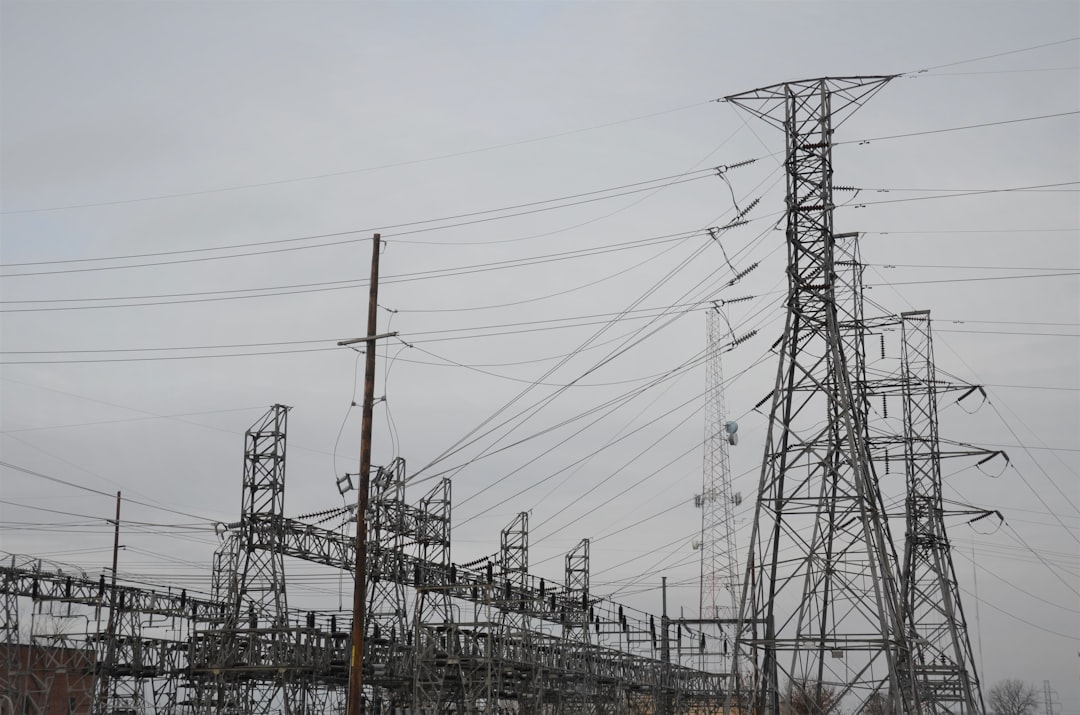
Natural cycles, encompassing a range of phenomena from seasonal changes to solar activity, play a crucial role in the functioning and reliability of power grids. These intricate systems, designed to deliver electricity to homes and businesses, are not immune to the influences of the environment. As the world becomes increasingly dependent on electricity, understanding the interplay between natural cycles and power grid stability has never been more critical.
The potential for power grid collapse due to these natural influences poses significant risks, not only to energy supply but also to economic stability and public safety. The complexity of power grids means that they are susceptible to various external factors, including weather patterns, climate change, and even cosmic events. Each of these elements can disrupt the delicate balance required for consistent energy delivery.
As society grapples with the implications of these disruptions, it becomes essential to explore how natural cycles affect power grid reliability and what measures can be taken to mitigate their impact.
Key Takeaways
- Natural cycles such as weather patterns and seasonal changes significantly affect power grid reliability and stability.
- Solar flares, geomagnetic storms, and lunar cycles can cause disruptions and performance issues in power grids.
- Climate change and natural disasters increase the vulnerability of power grids to collapse.
- Wind patterns and oceanic currents play important roles in power grid operation and resilience.
- Effective management and mitigation strategies are essential to address the challenges posed by natural cycles on power grid stability.
Understanding the Role of Weather Patterns in Power Grid Reliability
Weather patterns are among the most immediate and observable influences on power grid reliability. Extreme weather events, such as hurricanes, thunderstorms, and blizzards, can cause significant damage to infrastructure, leading to widespread outages. For instance, high winds can down power lines, while heavy snowfall can weigh down trees and branches, causing them to fall onto electrical equipment.
The unpredictability of weather patterns makes it challenging for grid operators to prepare adequately for potential disruptions. Moreover, temperature fluctuations can also affect electricity demand. During heatwaves, for example, the demand for air conditioning surges, placing immense pressure on the grid.
Conversely, during cold snaps, heating requirements can spike dramatically. These seasonal demands necessitate a robust and flexible power supply system capable of adapting to rapid changes in consumption patterns. Understanding these weather-related dynamics is essential for ensuring that power grids remain resilient in the face of natural challenges.
The Impact of Seasonal Changes on Power Grid Stability
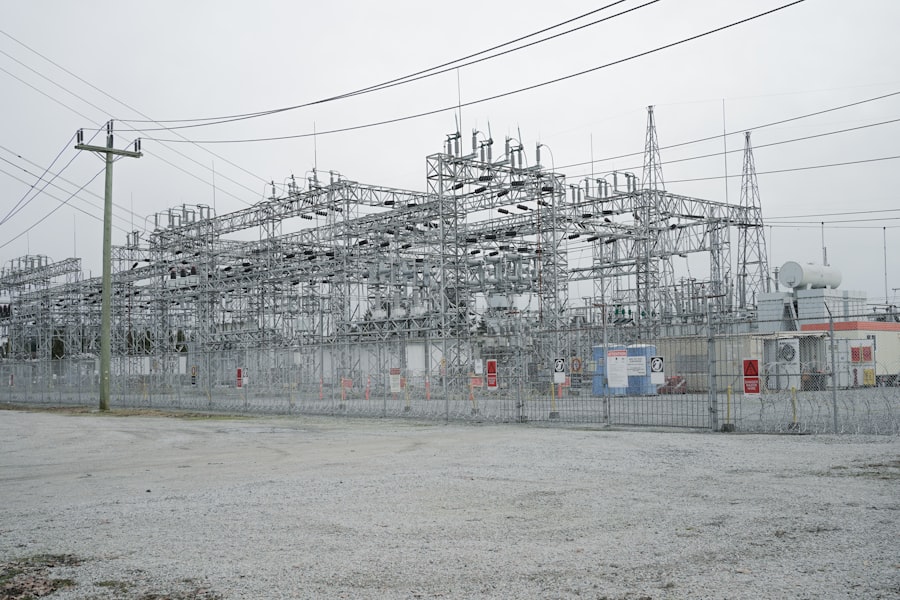
Seasonal changes bring about a variety of challenges for power grid stability. Each season presents unique demands on energy consumption and generation. In winter, for instance, the increased need for heating can lead to higher electricity usage, while summer often sees spikes in demand due to air conditioning.
These seasonal variations require grid operators to anticipate shifts in energy needs and adjust their supply strategies accordingly. Additionally, seasonal changes can influence renewable energy generation. For example, solar energy production is typically higher during the summer months when sunlight is abundant.
Conversely, winter may see a decline in solar output due to shorter days and cloud cover.
Understanding these seasonal dynamics is vital for grid operators as they strive to maintain a balanced supply that meets fluctuating demand while minimizing the risk of outages.
How Solar Flares and Geomagnetic Storms Can Disrupt Power Grids
Solar flares and geomagnetic storms represent another layer of complexity in the relationship between natural cycles and power grid reliability. These cosmic events occur when the sun releases bursts of energy that can interact with Earth’s magnetic field.
The impact of these storms can range from minor fluctuations in voltage to severe damage to transformers and other critical infrastructure. Power grids are particularly vulnerable to geomagnetic storms because they rely on extensive networks of transmission lines that can act as antennas, picking up geomagnetic disturbances. In extreme cases, these storms can lead to widespread blackouts, as seen during the 1989 Quebec blackout caused by a geomagnetic storm.
As solar activity continues to fluctuate with the solar cycle, understanding and preparing for these potential disruptions is essential for maintaining grid reliability.
The Influence of Climate Change on Power Grid Vulnerability
| Natural Cycle | Duration | Impact on Power Grid | Frequency of Collapse Events | Mitigation Strategies |
|---|---|---|---|---|
| Solar Cycle | 11 years | Increased solar storms can cause geomagnetic disturbances leading to transformer damage and blackouts | Moderate (peaks during solar maximum) | Grid hardening, real-time monitoring, and protective relays |
| Seasonal Weather Cycles | 1 year | Extreme weather (heatwaves, cold snaps) increases demand and stresses infrastructure | High (annual seasonal peaks) | Demand response programs, infrastructure upgrades, and weather forecasting |
| El Niño-Southern Oscillation (ENSO) | 2-7 years | Alters precipitation and temperature patterns, affecting hydroelectric generation and grid stability | Low to moderate | Diversification of energy sources and adaptive grid management |
| Geomagnetic Storms | Hours to days | Can induce currents in power lines causing equipment failure and outages | Occasional (linked to solar activity) | Geomagnetic monitoring and grid isolation protocols |
Climate change is reshaping weather patterns globally, leading to increased frequency and intensity of extreme weather events. This shift poses significant challenges for power grid vulnerability. Rising temperatures can exacerbate heatwaves, leading to higher electricity demand during peak periods when the grid is already under stress.
Additionally, changing precipitation patterns can affect hydropower generation and water availability for cooling processes in thermal power plants. Moreover, climate change can lead to more severe storms and flooding, which can damage infrastructure and disrupt service delivery. As the climate continues to evolve, power grids must adapt to these new realities by investing in more resilient infrastructure and diversifying energy sources.
Failure to address the impacts of climate change on power grid vulnerability could result in more frequent outages and increased costs associated with repairs and upgrades.
The Relationship Between Natural Disasters and Power Grid Collapse
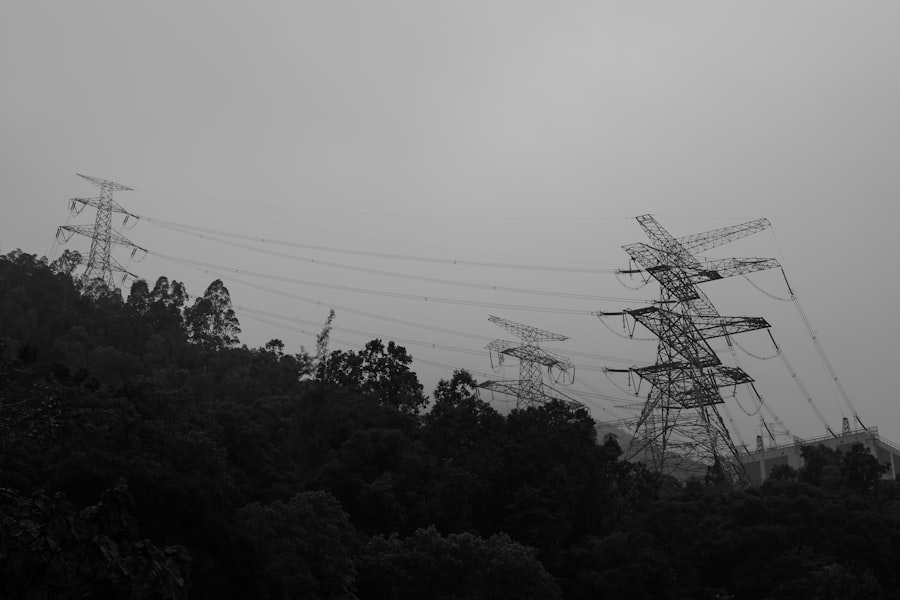
Natural disasters such as earthquakes, floods, and wildfires pose significant threats to power grid stability. These catastrophic events can cause immediate and widespread damage to electrical infrastructure, leading to prolonged outages that can take days or even weeks to resolve. For instance, earthquakes can disrupt transmission lines and substations, while floods can inundate critical facilities.
The relationship between natural disasters and power grid collapse underscores the importance of disaster preparedness and response strategies. Grid operators must develop comprehensive plans that account for potential natural disasters in their regions. This includes investing in infrastructure that can withstand extreme conditions and implementing rapid response protocols to restore service as quickly as possible after an event occurs.
The Role of Wind Patterns in Power Grid Operation and Resilience
Wind patterns play a crucial role in both energy generation and power grid operation. Wind energy has become an increasingly important component of many countries’ energy portfolios due to its renewable nature and decreasing costs. However, wind patterns are not static; they fluctuate seasonally and can be influenced by larger climatic phenomena such as El Niño or La Niña.
These variations in wind patterns can impact the reliability of wind energy generation, which in turn affects overall grid stability. When wind generation is high, it can help meet demand during peak periods; however, when wind speeds drop unexpectedly, it may lead to supply shortages if not managed properly. Therefore, understanding wind patterns is essential for grid operators as they seek to integrate renewable energy sources while ensuring a stable electricity supply.
Exploring the Effects of Oceanic Currents on Power Grid Reliability
Oceanic currents also have a less direct but significant influence on power grid reliability through their impact on climate systems and weather patterns. These currents regulate temperatures across vast regions and can affect storm formation and intensity. For example, warmer ocean temperatures can lead to more powerful hurricanes that threaten coastal power infrastructure.
Additionally, ocean currents play a role in regulating precipitation patterns that influence hydropower generation capabilities. Changes in oceanic conditions can lead to altered rainfall patterns that either enhance or diminish water flow into reservoirs used for hydropower generation. As such, understanding oceanic currents is vital for anticipating changes in energy production from hydropower sources and preparing for potential disruptions caused by extreme weather events.
The Impact of Lunar Cycles on Power Grid Performance
While often overlooked, lunar cycles can also have subtle effects on power grid performance. The gravitational pull of the moon influences tidal patterns, which can impact coastal energy generation facilities such as tidal power plants. Additionally, lunar phases may affect human behavior and electricity consumption patterns; for instance, certain studies suggest that people may engage in different activities during full moons that could influence energy demand.
Though the impact of lunar cycles on power grids may be less pronounced than other natural cycles discussed earlier, they still warrant consideration in comprehensive energy management strategies. By recognizing these influences, grid operators can better anticipate fluctuations in demand and adjust their operations accordingly.
Addressing the Challenges of Natural Cycles in Power Grid Management
Addressing the challenges posed by natural cycles requires a multifaceted approach that combines technology, policy, and community engagement. Grid operators must invest in advanced forecasting tools that utilize data analytics and machine learning to predict weather patterns and their potential impacts on electricity demand and supply accurately. This proactive approach enables operators to make informed decisions about resource allocation and grid management.
Furthermore, collaboration between government agencies, utility companies, and communities is essential for developing resilient infrastructure capable of withstanding natural disruptions. Policies that promote renewable energy integration and encourage energy efficiency can help mitigate some of the risks associated with natural cycles while fostering a more sustainable energy future.
Strategies for Mitigating the Impact of Natural Cycles on Power Grid Collapse
To effectively mitigate the impact of natural cycles on power grid collapse, several strategies can be employed. First and foremost is investing in infrastructure resilience through upgrades that enhance the durability of transmission lines and substations against extreme weather events. This includes burying power lines in areas prone to high winds or flooding and reinforcing structures against seismic activity.
Additionally, diversifying energy sources is crucial for reducing reliance on any single form of generation that may be vulnerable to specific natural cycles. Incorporating a mix of renewables—such as solar, wind, hydroelectricity—and traditional sources ensures a more stable supply even when one source experiences disruptions. Finally, fostering community awareness about energy conservation during peak demand periods can help alleviate stress on the grid during extreme weather events or other natural disruptions.
By implementing these strategies collectively, society can enhance its resilience against the challenges posed by natural cycles while ensuring a reliable electricity supply for all.
The stability of power grids is increasingly threatened by natural cycles, such as extreme weather events and seasonal changes. Understanding these patterns is crucial for developing strategies to mitigate the risk of grid collapse. For more insights on this topic, you can read the related article on the importance of resilience in energy systems at this link.
FAQs
What is a power grid collapse?
A power grid collapse occurs when a significant portion of an electrical power system fails, leading to widespread outages and disruption of electricity supply.
How can natural cycles contribute to power grid collapse?
Natural cycles such as seasonal weather changes, solar activity, and climate patterns can affect power demand and supply, potentially stressing the grid and increasing the risk of collapse.
What are some examples of natural cycles impacting power grids?
Examples include heatwaves causing high electricity demand for cooling, cold snaps increasing heating needs, and solar storms disrupting electrical infrastructure.
Can natural disasters cause power grid collapse?
Yes, natural disasters like hurricanes, earthquakes, and floods can damage power infrastructure and lead to grid failures.
How do power grids typically respond to natural cycle variations?
Power grids use forecasting, load balancing, and reserve capacity to manage fluctuations caused by natural cycles and maintain stability.
Is climate change affecting the frequency of power grid collapses?
Climate change can intensify natural cycles and extreme weather events, potentially increasing the frequency and severity of power grid disruptions.
What measures are taken to prevent power grid collapse during natural cycles?
Measures include infrastructure upgrades, improved grid management technologies, diversification of energy sources, and emergency response planning.
Are power grid collapses due to natural cycles predictable?
While some natural cycles are predictable, such as seasonal weather patterns, sudden events like solar storms or natural disasters are harder to forecast precisely.
What role does renewable energy play in power grid stability during natural cycles?
Renewable energy sources can both help and challenge grid stability; their variability requires advanced management but also reduces reliance on fossil fuels sensitive to natural cycles.
Where can I find more information about power grid resilience and natural cycles?
Reliable sources include government energy agencies, academic research institutions, and industry organizations focused on energy infrastructure and climate impacts.