
Space weather refers to the environmental conditions in space that can influence the Earth’s magnetosphere, ionosphere, and thermosphere. It encompasses a variety of phenomena, including solar flares, coronal mass ejections (CMEs), and high-energy solar particle events. These occurrences are primarily driven by the Sun’s activity, which can vary significantly over time.
As humanity becomes increasingly reliant on technology and electrical infrastructure, understanding space weather has become crucial. The potential for disruptions caused by these cosmic events poses significant risks to modern society, making it imperative to explore the implications of space weather on Earth. The Sun operates on an approximately 11-year cycle of solar activity, during which periods of heightened activity can lead to more frequent and intense space weather events.
These events can have far-reaching consequences, affecting not only satellite operations and communication systems but also the electrical grids that power homes and businesses. As the world continues to advance technologically, the need for awareness and preparedness regarding space weather has never been more pressing. This article aims to delve into the complexities of space weather, its impact on electrical infrastructure, and the strategies necessary to mitigate its effects.
Key Takeaways
- Space weather significantly affects Earth’s electrical infrastructure, causing disruptions and damage.
- Electrical systems are vulnerable to geomagnetic storms and solar activity, leading to power outages.
- Case studies highlight past incidents where space weather caused major infrastructure failures.
- Mitigation strategies include improved forecasting, infrastructure hardening, and coordinated response plans.
- Collaboration between government, industry, and scientists is crucial for effective protection and preparedness.
Understanding Space Weather and its Impact on Earth
To comprehend the implications of space weather, one must first understand its fundamental components. Solar flares are sudden bursts of radiation from the Sun’s surface, releasing energy equivalent to millions of hydrogen bombs. These flares can produce electromagnetic radiation that travels at the speed of light, impacting communication systems and navigation technologies almost instantaneously.
Coronal mass ejections, on the other hand, involve the expulsion of large quantities of plasma and magnetic fields from the Sun’s corona into space. When directed toward Earth, these CMEs can interact with the planet’s magnetic field, leading to geomagnetic storms. The impact of space weather on Earth is multifaceted.
For instance, increased solar activity can enhance auroras, creating stunning displays in polar regions. However, these same events can disrupt radio communications, GPS signals, and even power grids. The ionosphere, a layer of the Earth’s atmosphere that is crucial for radio wave propagation, can become disturbed during solar storms, leading to signal degradation or loss.
As society becomes more interconnected through technology, the potential for widespread disruption due to space weather events grows increasingly concerning.
The Effects of Space Weather on Electrical Infrastructure

Electrical infrastructure is particularly vulnerable to the effects of space weather. Geomagnetic storms induced by solar activity can induce electric currents in power lines and transformers, potentially leading to equipment damage or failure. These geomagnetically induced currents (GICs) can overload transformers and disrupt the normal functioning of electrical grids.
In severe cases, they can cause widespread blackouts, affecting millions of people and resulting in significant economic losses. The consequences of such disruptions extend beyond immediate power outages. Prolonged outages can hinder emergency services, disrupt transportation systems, and compromise communication networks.
The cascading effects of a single space weather event can ripple through various sectors of society, highlighting the interconnectedness of modern infrastructure. As electrical grids become more complex and interdependent, understanding how space weather impacts these systems is essential for ensuring resilience and reliability.
Vulnerabilities of Electrical Infrastructure to Space Weather Events
The vulnerabilities of electrical infrastructure to space weather events stem from several factors. First and foremost is the aging infrastructure that many countries rely on. Older transformers and power lines may not be equipped to handle the stresses induced by geomagnetic storms, making them more susceptible to damage.
Additionally, the increasing demand for electricity places further strain on these systems, exacerbating their vulnerability during extreme space weather events. Moreover, the geographical location of electrical infrastructure plays a significant role in its susceptibility to space weather impacts. Regions closer to the poles are more likely to experience intense geomagnetic storms due to their proximity to the Earth’s magnetic field lines.
This means that countries like Canada and those in Northern Europe may face greater risks than those situated closer to the equator. Understanding these vulnerabilities is crucial for developing targeted strategies to protect electrical infrastructure from potential disruptions caused by space weather.
Case Studies of Space Weather Events and their Impact on Electrical Infrastructure
| Metric | Description | Typical Range | Impact on Electrical Infrastructure | Mitigation Strategies |
|---|---|---|---|---|
| Geomagnetic Induced Currents (GIC) Intensity | Electric currents induced in power grids by geomagnetic storms | 0 – 100 A (Amperes) | Transformer overheating, damage, and potential failure | GIC monitoring, transformer design improvements, grid reconfiguration |
| Dst Index (Disturbance Storm Time) | Measures the intensity of the global geomagnetic storm | 0 to -600 nT (nanotesla) | Severe storms (below -200 nT) increase risk of grid disturbances | Storm forecasting, operational alerts, load management |
| Kp Index | Global geomagnetic activity index on a scale of 0 to 9 | 0 – 9 | Kp ≥ 5 indicates geomagnetic storm conditions affecting infrastructure | Real-time monitoring, protective relays, emergency response plans |
| Solar Wind Speed | Speed of charged particles emitted by the sun | 300 – 800 km/s | High speeds can trigger geomagnetic storms impacting grids | Space weather forecasting, grid resilience enhancements |
| Transformer Temperature Rise | Increase in transformer temperature due to GIC | 0 – 50 °C above normal | Accelerated aging and risk of failure | Temperature monitoring, load adjustment, cooling systems |
| Voltage Fluctuations | Variations in voltage levels caused by geomagnetic disturbances | ±5% of nominal voltage | Equipment malfunction and power quality issues | Voltage regulation devices, surge protectors |
Several notable case studies illustrate the profound impact that space weather events can have on electrical infrastructure. One of the most significant incidents occurred in March 1989 when a geomagnetic storm caused a nine-hour blackout in Quebec, Canada. The storm induced GICs that overwhelmed transformers in Hydro-Québec’s power grid, leading to widespread outages affecting millions of residents.
This event underscored the vulnerability of electrical systems to space weather and prompted increased awareness and research into protective measures. Another example is the 2003 Halloween solar storms, which produced a series of intense solar flares and CMEs that impacted various technological systems worldwide. While no major blackouts occurred during this event, it served as a wake-up call for many utility companies regarding their preparedness for future space weather events.
The incident highlighted the need for improved monitoring and forecasting capabilities to mitigate potential risks associated with such occurrences.
Mitigation and Preparedness Strategies for Electrical Infrastructure
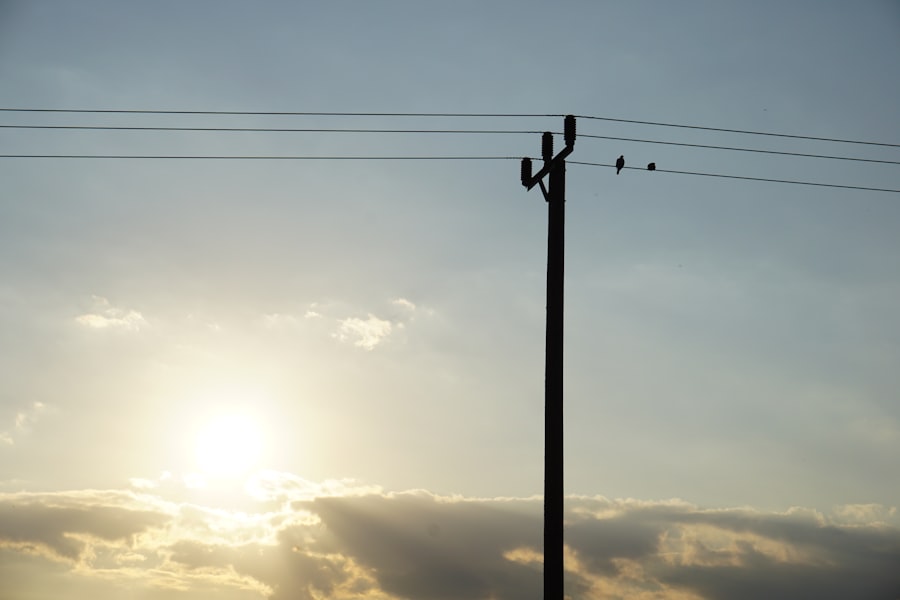
To address the risks posed by space weather events, utility companies and governments must implement effective mitigation and preparedness strategies. One approach involves upgrading existing electrical infrastructure to enhance its resilience against geomagnetic storms. This may include installing protective devices such as GIC blockers or reinforcing transformers to withstand induced currents better.
In addition to physical upgrades, developing comprehensive monitoring systems is essential for early detection of solar activity that could impact Earth. By utilizing satellite data and ground-based observatories, utilities can receive timely alerts about impending space weather events. This information allows them to take proactive measures, such as temporarily reducing load or rerouting power flows to minimize potential damage.
Role of Government and Industry in Protecting Electrical Infrastructure from Space Weather
The protection of electrical infrastructure from space weather is a shared responsibility between government agencies and industry stakeholders.
By investing in research and development initiatives focused on space weather forecasting and mitigation technologies, governments can help ensure that utilities are better prepared for potential disruptions.
Industry stakeholders also have a vital role in enhancing resilience against space weather events. Utility companies must prioritize investments in infrastructure upgrades and adopt best practices for monitoring and response protocols. Collaboration among industry players can lead to shared knowledge and resources that strengthen overall preparedness efforts.
By working together, both government and industry can create a more robust framework for protecting electrical infrastructure from the impacts of space weather.
Advancements in Space Weather Forecasting and Prediction
Advancements in space weather forecasting have significantly improved society’s ability to anticipate and respond to solar activity. The development of sophisticated models that simulate solar behavior allows scientists to predict when solar flares or CMEs are likely to occur. These models utilize data from satellites such as NASA’s Solar Dynamics Observatory (SDO) and the European Space Agency’s Solar Orbiter to monitor solar activity in real-time.
Furthermore, international collaboration among space agencies has enhanced forecasting capabilities. Organizations like NOAA’s Space Weather Prediction Center (SWPC) work closely with other agencies worldwide to share data and improve predictive models. As forecasting technology continues to evolve, it holds promise for providing even more accurate warnings about impending space weather events, allowing utilities and governments to take timely action.
Collaboration and Coordination among Stakeholders in Addressing Space Weather Risks
Addressing the risks posed by space weather requires collaboration among various stakeholders, including government agencies, utility companies, researchers, and emergency management organizations. Establishing clear communication channels is essential for sharing information about potential threats and coordinating response efforts during space weather events. Regular training exercises that simulate space weather scenarios can help stakeholders practice their response protocols and identify areas for improvement.
By fostering a culture of collaboration and preparedness, stakeholders can enhance their collective ability to mitigate risks associated with space weather events effectively.
Future Challenges and Opportunities in Protecting Electrical Infrastructure from Space Weather
As society becomes increasingly reliant on technology, future challenges related to protecting electrical infrastructure from space weather will likely intensify. The growing complexity of interconnected systems means that a single event could have cascading effects across multiple sectors. Additionally, climate change may alter patterns of solar activity or exacerbate vulnerabilities within existing infrastructure.
However, these challenges also present opportunities for innovation and advancement in protective measures against space weather risks. Continued investment in research and development can lead to new technologies that enhance resilience within electrical systems.
Conclusion and Call to Action for Addressing Space Weather Risks
In conclusion, understanding space weather and its potential impacts on electrical infrastructure is essential for safeguarding modern society’s technological advancements. As demonstrated through various case studies and ongoing research efforts, the risks posed by solar activity are real and significant. It is imperative that governments, industry stakeholders, researchers, and communities work together to develop comprehensive strategies for mitigating these risks.
A call to action is necessary: increased investment in infrastructure upgrades, enhanced forecasting capabilities, and collaborative efforts among stakeholders are vital steps toward ensuring resilience against space weather events. By prioritizing preparedness today, society can better protect itself from the unpredictable forces of nature that lie beyond our planet’s atmosphere.
Space weather poses significant risks to electrical infrastructure, particularly during solar storms that can induce geomagnetic currents. A related article that delves into this topic is available on MyGeoQuest, which discusses the potential impacts of space weather on power grids and the necessary precautions that can be taken to mitigate these risks. For more information, you can read the article [here](https://www.mygeoquest.com/sample-page/).
FAQs
What is space weather?
Space weather refers to the environmental conditions in space as influenced by the Sun and the solar wind. It includes phenomena such as solar flares, coronal mass ejections (CMEs), and geomagnetic storms that can impact Earth’s magnetosphere and atmosphere.
How does space weather affect electrical infrastructure?
Space weather can induce geomagnetically induced currents (GICs) in power grids and electrical infrastructure. These currents can overload transformers, cause voltage instability, damage equipment, and lead to widespread power outages.
What are geomagnetically induced currents (GICs)?
GICs are electric currents driven by changes in Earth’s magnetic field during geomagnetic storms. They flow through conductive networks such as power grids, pipelines, and communication cables, potentially causing damage or operational disruptions.
Which components of electrical infrastructure are most at risk from space weather?
High-voltage transformers, substations, and long transmission lines are particularly vulnerable to GICs. Transformers can overheat or fail, and protective systems may be overwhelmed, leading to outages or equipment damage.
Can space weather events cause widespread power outages?
Yes, severe geomagnetic storms have the potential to cause large-scale power outages by damaging critical components of the electrical grid. Historical events, such as the 1989 Quebec blackout, demonstrate this risk.
How can electrical utilities mitigate the risks posed by space weather?
Utilities can implement monitoring systems for geomagnetic activity, install protective devices like GIC blockers, develop operational procedures to reduce load during storms, and design infrastructure to withstand GIC effects.
Are there forecasting systems for space weather?
Yes, organizations like NOAA’s Space Weather Prediction Center provide forecasts and warnings of solar activity and geomagnetic storms to help utilities and other sectors prepare and respond.
Is space weather risk a concern only for power grids?
No, space weather can also affect other infrastructure such as pipelines, communication systems, satellite operations, and navigation systems, but power grids are among the most vulnerable due to their extensive conductive networks.
What is the role of government and regulatory agencies in managing space weather risks?
Governments and regulatory bodies develop standards, guidelines, and policies to enhance grid resilience, support research and monitoring efforts, and coordinate response strategies to mitigate space weather impacts on critical infrastructure.
Can individuals be affected by space weather events?
While space weather primarily impacts technological systems, severe events can indirectly affect individuals through power outages, communication disruptions, and impacts on transportation and emergency services.