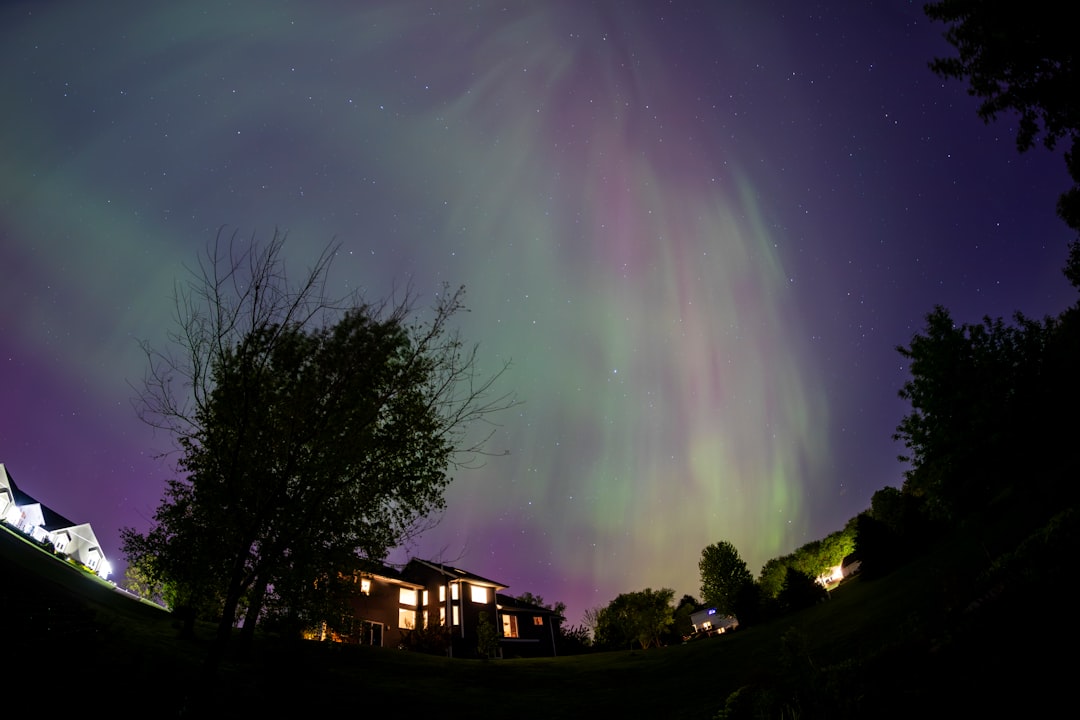
Geomagnetic storms are disturbances in Earth’s magnetosphere caused by solar wind and solar flares. These storms occur when charged particles emitted by the sun interact with the Earth’s magnetic field, leading to fluctuations that can have significant effects on both natural phenomena and human-made systems. The sun’s activity follows an approximately 11-year cycle, during which periods of heightened solar activity can lead to more frequent and intense geomagnetic storms.
Understanding these storms is crucial for predicting their potential impacts and preparing for their consequences. The effects of geomagnetic storms can be far-reaching, influencing everything from auroras visible in the polar regions to disruptions in satellite communications and navigation systems. Scientists study these storms to better understand their mechanisms and to develop models that can predict their occurrence and intensity.
By analyzing data from satellites and ground-based observatories, researchers can gain insights into the complex interactions between solar activity and Earth’s magnetic field, which is essential for mitigating the risks associated with these natural events.
Key Takeaways
- Geomagnetic storms can disrupt technology and infrastructure, making awareness and education crucial.
- Recognizing signs and symptoms helps individuals prepare and respond effectively.
- Preparing emergency kits and communication plans enhances safety during storms.
- Protecting electronic devices and following safety tips reduces damage and risk.
- Community and government efforts play a key role in monitoring and preparedness initiatives.
Signs and Symptoms of Geomagnetic Storms
The signs of geomagnetic storms can manifest in various ways, both in the natural environment and through technological disruptions. One of the most visually striking indicators is the appearance of auroras, commonly known as the Northern and Southern Lights. These colorful displays occur when charged particles collide with gases in Earth’s atmosphere, creating stunning light shows that can be seen at higher latitudes during periods of intense geomagnetic activity.
Observers may notice these phenomena becoming more vibrant and widespread during significant storm events. In addition to natural signs, geomagnetic storms can also lead to a range of symptoms affecting technology and infrastructure. For instance, fluctuations in the Earth’s magnetic field can cause disturbances in power grids, leading to voltage irregularities or even blackouts in severe cases.
Recognizing these signs is essential for individuals and organizations to respond effectively to potential disruptions caused by geomagnetic storms.
Potential Impact of Geomagnetic Storms on Technology and Infrastructure
The potential impact of geomagnetic storms on technology and infrastructure is a growing concern for governments, businesses, and individuals alike.
In extreme cases, this can lead to widespread power outages, as seen during the 1989 Quebec blackout, which was triggered by a severe geomagnetic storm.
Moreover, satellite systems are not immune to the effects of geomagnetic storms. These storms can disrupt communication signals, degrade satellite orbits, and even damage sensitive electronic components aboard satellites. This disruption can have cascading effects on various sectors, including telecommunications, navigation, and even military operations.
As society becomes increasingly reliant on technology, understanding the potential impacts of geomagnetic storms on infrastructure is vital for developing strategies to mitigate risks and ensure continuity of services.
Importance of Public Awareness and Education
Public awareness and education regarding geomagnetic storms are essential for fostering a culture of preparedness. Many individuals remain unaware of the potential risks associated with these natural events, which can lead to inadequate responses during storm occurrences. By increasing public knowledge about geomagnetic storms, communities can better equip themselves to handle disruptions and minimize their impact on daily life.
Educational initiatives can take various forms, including workshops, informational campaigns, and online resources that explain the science behind geomagnetic storms and their potential effects. Schools, community organizations, and government agencies can collaborate to disseminate information that empowers individuals to understand the risks and take proactive measures. By fostering a well-informed public, communities can enhance their resilience against geomagnetic storms and other natural hazards.
Steps to Prepare for Geomagnetic Storms
| Metric | Description | Value | Source/Notes |
|---|---|---|---|
| Public Awareness Level | Percentage of surveyed population aware of geomagnetic storms | 35% | Survey conducted in 2023 across multiple countries |
| Educational Programs Available | Number of formal educational programs focused on geomagnetic storms | 12 | Includes university courses and public workshops |
| Average Knowledge Score | Average score (out of 100) on geomagnetic storm knowledge tests | 58 | Based on pre- and post-education assessments |
| Social Media Campaign Reach | Number of people reached through awareness campaigns on social media | 1,200,000 | Data from campaigns run in 2023 |
| Emergency Preparedness Awareness | Percentage of population aware of safety measures during geomagnetic storms | 22% | Survey data from emergency management agencies |
| Funding for Education | Annual funding allocated to geomagnetic storm public education (in USD) | 450,000 | Government and NGO combined funding in 2023 |
| Number of Public Alerts Issued | Geomagnetic storm alerts issued to the public in the last year | 8 | Data from national space weather centers |
Preparation for geomagnetic storms involves several proactive steps that individuals and communities can take to mitigate potential impacts. First and foremost, it is crucial to stay informed about solar activity through reliable sources such as space weather monitoring websites or apps. By keeping track of solar flares and coronal mass ejections (CMEs), individuals can anticipate potential geomagnetic storm events and take necessary precautions.
Creating an emergency plan is another vital step in preparation. This plan should outline specific actions to take during a geomagnetic storm, including how to secure electronic devices, maintain communication with family members, and access emergency resources if needed. Additionally, individuals should consider developing a network of neighbors or community members who can support one another during such events.
By fostering a sense of community preparedness, individuals can enhance their resilience against the impacts of geomagnetic storms.
Emergency Preparedness Kits for Geomagnetic Storms

An emergency preparedness kit is an essential component of any strategy aimed at mitigating the effects of geomagnetic storms. Such a kit should include basic supplies that can sustain individuals and families during potential disruptions caused by these natural events. Key items to include are non-perishable food items, bottled water, first aid supplies, flashlights with extra batteries, and a battery-powered or hand-crank radio for receiving updates on storm activity.
In addition to basic supplies, individuals may also want to consider including backup power sources for essential electronic devices. Portable chargers or solar-powered chargers can help keep communication devices operational during power outages caused by geomagnetic storms. Furthermore, it is advisable to store important documents in a waterproof container within the emergency kit to ensure they remain accessible in case of an emergency.
Communication Plans for Geomagnetic Storms
Establishing a communication plan is crucial for ensuring that families and communities remain connected during geomagnetic storms. In the event of power outages or disruptions in communication networks, having a clear plan in place can help individuals stay informed about each other’s safety and well-being. This plan should outline designated meeting points where family members can gather if they become separated during a storm event.
Additionally, individuals should consider alternative communication methods that do not rely on traditional power sources or cellular networks. For example, using two-way radios or walkie-talkies can provide a reliable means of communication during emergencies when other systems may fail. By preparing a comprehensive communication plan, families can enhance their ability to respond effectively during geomagnetic storms.
Protecting Electronic Devices during Geomagnetic Storms
Protecting electronic devices from the potential impacts of geomagnetic storms is an important consideration for individuals who rely on technology in their daily lives. One effective strategy is to unplug devices during periods of heightened solar activity or when a geomagnetic storm is forecasted. This simple action can help prevent damage from power surges caused by induced currents in electrical systems.
In addition to unplugging devices, using surge protectors can provide an extra layer of protection against electrical surges that may occur during geomagnetic storms. These devices are designed to absorb excess voltage and prevent it from reaching sensitive electronics. Individuals should also consider backing up important data regularly to ensure that critical information remains safe in case of device failure due to storm-related disruptions.
Safety Tips for Outdoor Activities during Geomagnetic Storms
For those who enjoy outdoor activities, it is essential to prioritize safety during geomagnetic storms. While many people may be drawn outside by the allure of auroras or other natural phenomena associated with these storms, it is crucial to remain aware of potential hazards. One key safety tip is to avoid outdoor activities during severe storm events when conditions may be unpredictable.
Additionally, individuals should stay informed about weather conditions and any advisories issued by local authorities regarding outdoor activities during geomagnetic storms. If planning to engage in outdoor pursuits such as hiking or camping during periods of heightened solar activity, it is advisable to carry essential safety gear and maintain communication with others about one’s whereabouts. By taking these precautions, outdoor enthusiasts can enjoy their activities while minimizing risks associated with geomagnetic storms.
Resources for Monitoring Geomagnetic Activity
Accessing reliable resources for monitoring geomagnetic activity is vital for staying informed about potential storm events. Various organizations provide real-time data on solar activity and its impact on Earth’s magnetosphere. Websites such as NOAA’s Space Weather Prediction Center (SWPC) offer forecasts and alerts regarding solar flares and geomagnetic storms.
In addition to government resources, there are numerous mobile applications available that provide updates on space weather conditions directly to users’ smartphones. These apps often include alerts for significant solar events and educational content about geomagnetic storms. By utilizing these resources, individuals can remain vigilant about solar activity and take appropriate actions when necessary.
Community and Government Initiatives for Geomagnetic Storm Preparedness
Community engagement and government initiatives play a crucial role in enhancing preparedness for geomagnetic storms at both local and national levels. Governments can implement policies that promote research into space weather forecasting and invest in infrastructure improvements that bolster resilience against geomagnetic impacts on critical systems such as power grids. Community organizations can also contribute by hosting educational workshops that inform residents about the risks associated with geomagnetic storms and how to prepare effectively.
Collaborations between local governments, schools, and non-profit organizations can foster a culture of preparedness that empowers individuals to take proactive measures against potential disruptions caused by these natural events. By working together, communities can build resilience against geomagnetic storms and ensure a safer environment for all residents.
Public awareness and education about geomagnetic storms are crucial for mitigating their potential impacts on technology and infrastructure. A valuable resource for understanding these phenomena is the article available at My GeoQuest, which provides insights into geomagnetic storms and their effects on our daily lives. By increasing public knowledge, we can better prepare for and respond to these natural events.
FAQs
What is a geomagnetic storm?
A geomagnetic storm is a temporary disturbance of the Earth’s magnetosphere caused by solar wind shock waves and/or cloud of magnetic field that interact with the Earth’s magnetic field. These storms can disrupt communication systems, navigation, and power grids.
Why is public awareness about geomagnetic storms important?
Public awareness is crucial because geomagnetic storms can affect everyday technologies such as GPS, radio communications, and electrical power systems. Educating the public helps individuals and organizations prepare for potential disruptions and minimize risks.
How can geomagnetic storms affect daily life?
Geomagnetic storms can cause power outages, disrupt satellite operations, interfere with radio and GPS signals, and increase radiation exposure for high-altitude flights. Awareness allows people to take precautions during severe space weather events.
Who is responsible for educating the public about geomagnetic storms?
Government agencies, scientific organizations, and space weather monitoring centers typically lead public education efforts. They provide forecasts, warnings, and educational materials to help communities understand and respond to geomagnetic storms.
What are common methods used to educate the public about geomagnetic storms?
Common methods include public service announcements, educational websites, workshops, school programs, social media campaigns, and collaboration with media outlets to disseminate timely information.
Can individuals prepare for geomagnetic storms?
Yes, individuals can prepare by staying informed through official space weather alerts, having backup power sources, protecting sensitive electronic devices, and understanding emergency procedures related to power and communication outages.
Are geomagnetic storms predictable?
To some extent, yes. Space weather agencies monitor solar activity and can provide short-term forecasts and warnings about incoming geomagnetic storms, allowing for some level of preparedness.
What role do schools play in geomagnetic storm education?
Schools can incorporate space weather topics into science curricula, organize special events or lectures, and encourage student participation in space weather monitoring projects to raise awareness from a young age.
How often do geomagnetic storms occur?
Geomagnetic storms vary in frequency depending on the solar cycle, occurring more frequently during periods of high solar activity, which typically lasts about 11 years.
Where can the public find reliable information about geomagnetic storms?
Reliable information can be found on websites of national space weather centers, such as NOAA’s Space Weather Prediction Center, NASA, and other governmental and scientific organizations dedicated to space weather monitoring and education.