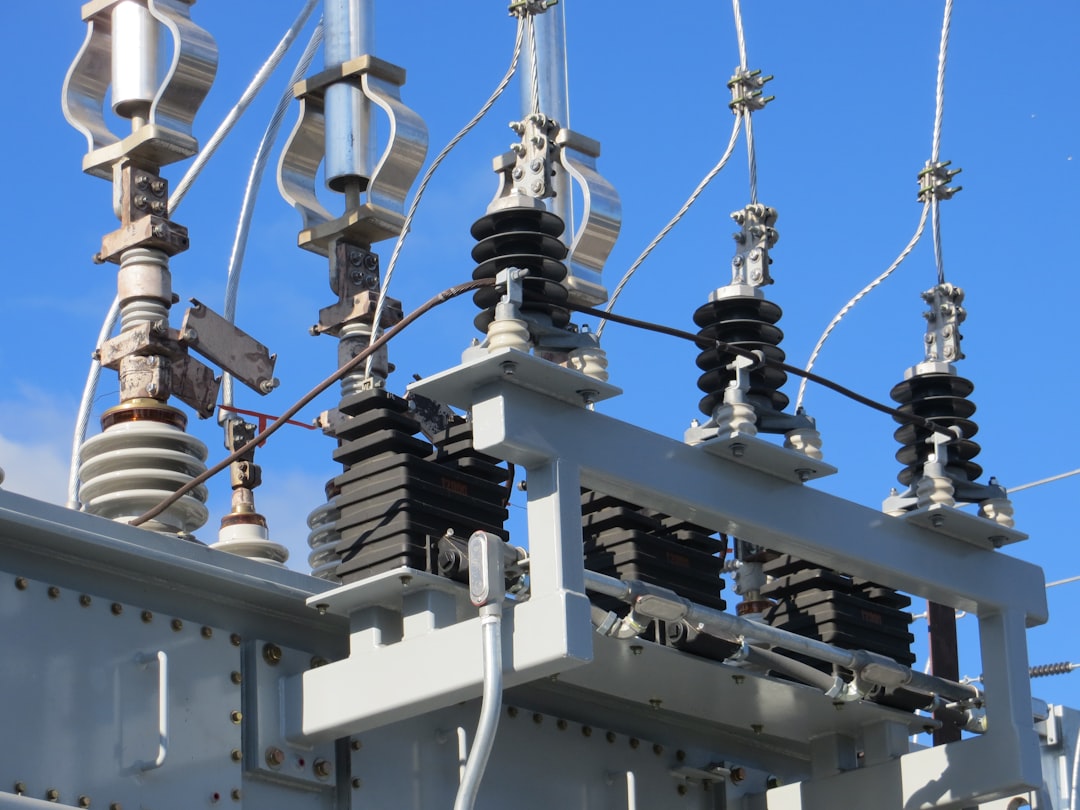
Power grid protection relay coordination is a critical aspect of ensuring the reliability and stability of electrical systems. It involves the strategic arrangement and timing of protective relays, which are devices designed to detect faults and initiate corrective actions to prevent damage to equipment and maintain service continuity. The importance of this coordination cannot be overstated, as it serves as the first line of defense against electrical faults that can lead to widespread outages, equipment failure, and even catastrophic events.
By effectively coordinating these relays, operators can minimize the impact of faults, ensuring that only the affected sections of the grid are isolated while maintaining service to unaffected areas. Moreover, the complexity of modern power grids, which often incorporate renewable energy sources and distributed generation, necessitates a sophisticated approach to relay coordination. As the grid evolves, so too do the challenges associated with maintaining its integrity.
The integration of various technologies and the increasing interconnectivity of systems require a nuanced understanding of how relays interact with one another. This understanding is essential for developing strategies that not only protect the grid but also enhance its overall efficiency and resilience.
Key Takeaways
- Proper coordination of power grid protection relays is essential to ensure grid stability and prevent outages.
- Identifying risks and hazards helps in designing effective relay protection schemes.
- Advanced technology and clear communication among operators enhance relay coordination and grid security.
- Regular testing, maintenance, and training are critical to maintaining reliable protection relay performance.
- Continuous monitoring and integration of redundancy systems improve overall resilience of the power grid.
Identifying Potential Risks and Hazards in the Power Grid
The power grid faces a myriad of potential risks and hazards that can compromise its stability and reliability. These risks can be broadly categorized into natural events, human errors, and technological failures. Natural disasters such as storms, earthquakes, and floods can cause significant damage to infrastructure, leading to outages and disruptions.
Additionally, human errors, whether due to miscommunication or inadequate training, can exacerbate these issues by failing to respond effectively to emerging threats. Technological failures, including equipment malfunctions or cyberattacks, pose another layer of risk that must be addressed through robust protection relay coordination. Identifying these risks is the first step in developing a comprehensive strategy for power grid protection.
Operators must conduct thorough risk assessments to understand the vulnerabilities within their systems. This involves analyzing historical data on outages and failures, as well as considering potential future scenarios that could impact grid stability. By recognizing these hazards, operators can prioritize their efforts in relay coordination, ensuring that protective measures are in place to mitigate the effects of identified risks.
Examining the Role of Protection Relays in Power Grid Security
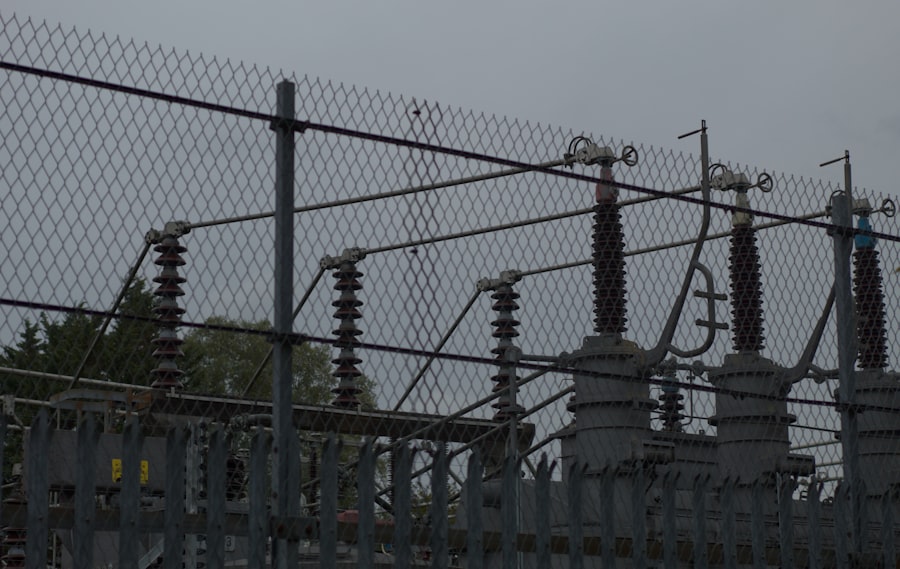
Protection relays play a pivotal role in maintaining the security and reliability of power grids. These devices are designed to monitor electrical parameters such as current, voltage, and frequency, allowing them to detect anomalies that may indicate a fault. Once a fault is identified, protection relays initiate a series of actions to isolate the affected section of the grid, thereby preventing further damage and ensuring the safety of both equipment and personnel.
The effectiveness of this process hinges on the proper coordination of relays throughout the system. In addition to their primary function of fault detection and isolation, protection relays also contribute to overall grid security by providing valuable data for system monitoring and analysis. This data can be used to identify trends in system performance, enabling operators to make informed decisions about maintenance and upgrades.
Furthermore, advanced protection relays are increasingly equipped with communication capabilities that allow them to share information with other devices in real-time. This interconnectedness enhances situational awareness and facilitates quicker responses to emerging threats.
Evaluating the Impact of Inadequate Coordination on Power Grid Stability
| Metric | Description | Impact of Inadequate Coordination | Measurement Unit | Typical Range |
|---|---|---|---|---|
| Frequency Deviation | Variation from nominal grid frequency (e.g., 50 or 60 Hz) | Increased deviations leading to instability and potential blackouts | Hz | ±0.1 to ±1.0 Hz |
| Voltage Fluctuation | Variation in voltage levels across the grid | Higher fluctuations causing equipment damage and power quality issues | Volts (V) | ±5% to ±15% of nominal voltage |
| Load Shedding Events | Number of forced power outages to balance supply and demand | Increase in frequency and duration due to poor coordination | Count / Events per year | 0 to 20 |
| System Restoration Time | Time taken to restore power after an outage | Longer restoration times due to delayed response and miscommunication | Minutes | 10 to 120 |
| Inter-Area Power Oscillations | Oscillations in power flow between different grid areas | Increased oscillation amplitude and duration, risking system separation | MW or % of power flow | 0 to 10% |
| Frequency Response Time | Time for frequency to stabilize after a disturbance | Slower response times leading to prolonged instability | Seconds | 1 to 30 |
| Protection Relay Misoperations | Incorrect tripping of protection devices | Increase in false trips causing unnecessary outages | Count / Events per year | 0 to 15 |
Inadequate coordination of protection relays can have dire consequences for power grid stability. When relays are not properly synchronized or configured, they may fail to operate as intended during a fault event. This can lead to delayed isolation of affected areas, resulting in prolonged outages and increased damage to equipment.
In some cases, inadequate coordination can even trigger cascading failures throughout the grid, where one fault leads to a series of additional failures due to the inability of protective systems to respond effectively. The financial implications of such failures can be substantial. Prolonged outages not only disrupt service but also result in significant economic losses for businesses and consumers alike.
Additionally, the costs associated with repairing damaged equipment and restoring service can strain utility resources. Therefore, it is imperative for operators to recognize the critical nature of relay coordination and invest in strategies that ensure their systems are functioning optimally.
Implementing Best Practices for Power Grid Protection Relay Coordination
To achieve effective power grid protection relay coordination, operators must implement best practices that promote reliability and efficiency. One fundamental practice is conducting regular coordination studies to assess the performance of existing relays and identify areas for improvement. These studies should take into account changes in system configuration, load patterns, and technological advancements that may impact relay performance.
By regularly updating coordination settings based on these assessments, operators can ensure that their protective systems remain responsive to evolving conditions. Another best practice involves establishing clear guidelines for relay settings based on industry standards and manufacturer recommendations. Operators should develop standardized procedures for configuring relays, including criteria for selecting time delays and sensitivity levels.
This standardization not only streamlines operations but also enhances communication among team members who may be involved in relay management. Furthermore, fostering a culture of continuous improvement within organizations encourages personnel to remain vigilant about relay performance and seek out opportunities for optimization.
Utilizing Advanced Technology for Enhanced Coordination and Communication
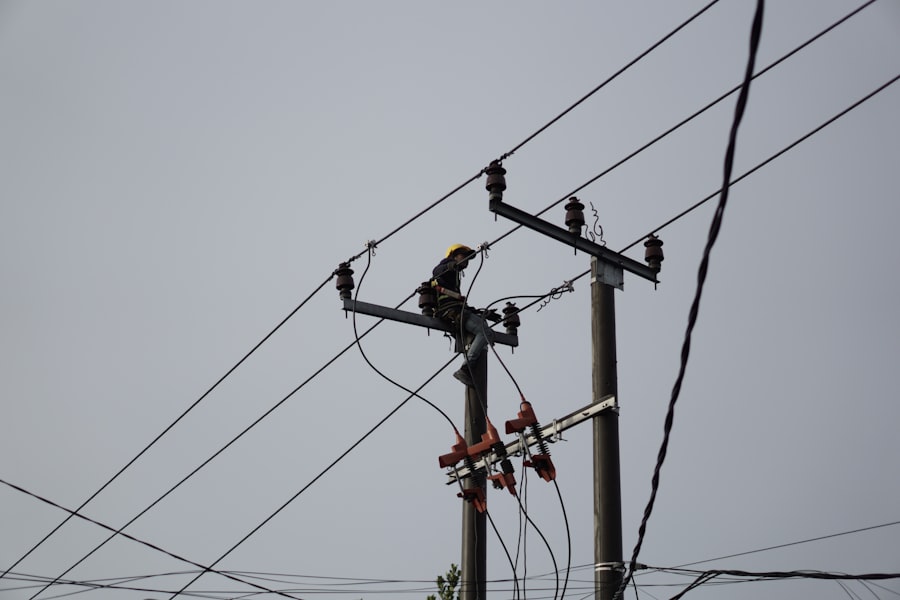
The advent of advanced technology has revolutionized the field of power grid protection relay coordination. Modern protection relays are equipped with sophisticated algorithms that enhance their ability to detect faults accurately and respond swiftly. These advancements allow for more precise coordination among relays, reducing the likelihood of misoperation during fault events.
Additionally, many contemporary relays feature integrated communication capabilities that enable them to share data with other devices across the grid. This enhanced communication fosters a more collaborative approach to grid management. Operators can access real-time information about system performance and relay status, allowing them to make informed decisions quickly during emergencies.
Furthermore, advanced technologies such as artificial intelligence (AI) and machine learning (ML) are increasingly being utilized to analyze vast amounts of data generated by protection relays. These technologies can identify patterns and anomalies that may not be immediately apparent to human operators, providing valuable insights for improving relay coordination strategies.
Developing Comprehensive Testing and Maintenance Protocols for Protection Relays
To ensure optimal performance of protection relays, it is essential for operators to develop comprehensive testing and maintenance protocols. Regular testing allows operators to verify that relays are functioning correctly and responding appropriately to simulated fault conditions. This proactive approach helps identify potential issues before they escalate into significant problems during actual fault events.
Operators should also establish a schedule for testing backup systems to ensure they are ready to take over in case primary relays fail. By prioritizing testing and maintenance efforts, operators can enhance the reliability of their protection systems and reduce the risk of inadequate coordination during critical moments.
Establishing Clear Communication and Collaboration Protocols Among Grid Operators
Effective communication and collaboration among grid operators are vital components of successful protection relay coordination. Establishing clear protocols for information sharing ensures that all team members are aware of system status and any ongoing issues that may affect relay performance. Regular meetings and briefings can facilitate open dialogue among operators, allowing them to discuss challenges and share best practices.
Additionally, collaboration extends beyond internal teams; it also involves engaging with external stakeholders such as regulatory agencies and neighboring utilities. By fostering relationships with these entities, operators can gain insights into industry trends and emerging technologies that may impact relay coordination efforts. A collaborative approach not only enhances situational awareness but also promotes a culture of shared responsibility for grid security.
Integrating Redundancy and Backup Systems for Added Protection
Integrating redundancy and backup systems into power grid protection strategies is essential for enhancing overall reliability. Redundancy involves having multiple protective devices in place so that if one fails or malfunctions, another can take over seamlessly without compromising system integrity. This layered approach ensures that there is always a backup ready to respond in case primary relays do not operate as expected.
Backup systems should be regularly tested alongside primary systems to ensure they are fully operational when needed. Operators should also consider implementing diverse technologies for redundancy purposes; for example, using different types of relays or communication protocols can provide additional layers of security against potential failures or vulnerabilities.
Training and Education for Grid Operators on Relay Coordination Best Practices
Training and education play a crucial role in ensuring that grid operators are well-equipped to manage protection relay coordination effectively. Comprehensive training programs should cover not only technical aspects related to relay operation but also best practices for coordination strategies. Operators should be familiar with industry standards, manufacturer guidelines, and emerging technologies that may impact their work.
Ongoing education is equally important; as technology evolves, so too must the knowledge base of operators. Workshops, seminars, and online courses can provide opportunities for continuous learning and professional development within the field. By investing in training initiatives, organizations empower their personnel to make informed decisions regarding relay coordination while fostering a culture of safety and reliability.
Continuously Monitoring and Evaluating the Effectiveness of Protection Relay Coordination Strategies
The final component in ensuring effective power grid protection relay coordination is continuous monitoring and evaluation of implemented strategies. Operators should establish key performance indicators (KPIs) that allow them to assess the effectiveness of their relay coordination efforts over time. Regular reviews of these metrics can help identify trends or areas needing improvement.
Additionally, feedback loops should be established so that lessons learned from past incidents inform future practices. By fostering a culture of continuous improvement within organizations, operators can adapt their strategies based on real-world experiences while remaining proactive in addressing emerging challenges within an ever-evolving power landscape. In conclusion, power grid protection relay coordination is an essential aspect of maintaining stability and reliability within electrical systems.
By understanding its importance, identifying potential risks, examining the role of protection relays, evaluating impacts from inadequate coordination, implementing best practices, utilizing advanced technology, developing testing protocols, establishing communication protocols among operators, integrating redundancy systems, providing training opportunities for personnel, and continuously monitoring effectiveness—operators can create a robust framework that safeguards against faults while enhancing overall grid performance.
Power grid protection relay miscoordination can lead to significant operational challenges and safety risks within electrical systems. For a deeper understanding of this issue, you can refer to a related article that discusses the implications and solutions for improving relay coordination in power systems. To explore this topic further, visit this article.
WATCH THIS! The $500 Billion Bet: Why America’s Biggest Dam Is Guaranteed to Fail
FAQs
What is power grid protection relay miscoordination?
Power grid protection relay miscoordination occurs when protective relays in an electrical power system do not operate in the correct sequence or timing during a fault. This can lead to unnecessary power outages or failure to isolate faults properly.
Why is relay coordination important in power grids?
Relay coordination ensures that protective devices operate in a predetermined order to isolate only the faulty section of the power system. Proper coordination minimizes the impact of faults, maintains system stability, and prevents widespread outages.
What causes miscoordination of protection relays?
Miscoordination can be caused by incorrect relay settings, changes in system configuration, communication failures, equipment malfunctions, or inaccurate fault current calculations.
What are the consequences of relay miscoordination?
Consequences include prolonged outages, damage to equipment, reduced system reliability, safety hazards, and increased operational costs due to unnecessary tripping or failure to clear faults promptly.
How can miscoordination be detected?
Miscoordination can be detected through system studies, relay testing, event analysis after faults, and monitoring relay operation times and sequences during disturbances.
What methods are used to prevent relay miscoordination?
Preventive methods include proper relay setting and coordination studies, regular maintenance and testing, use of advanced digital relays with communication capabilities, and updating settings after system changes.
Can modern technology help reduce relay miscoordination?
Yes, modern digital relays with adaptive settings, communication protocols, and real-time monitoring can improve coordination accuracy and reduce the risk of miscoordination.
Is relay miscoordination a common issue in power systems?
While not extremely common, relay miscoordination can occur, especially in complex or rapidly changing power systems, and requires careful management to avoid operational problems.
Who is responsible for ensuring proper relay coordination?
Power system engineers, protection specialists, and utility operators are responsible for designing, implementing, and maintaining proper relay coordination in the power grid.
What role do protection relay coordination studies play?
Coordination studies analyze the timing and settings of protective devices to ensure they operate in the correct sequence during faults, helping to prevent miscoordination and improve system reliability.