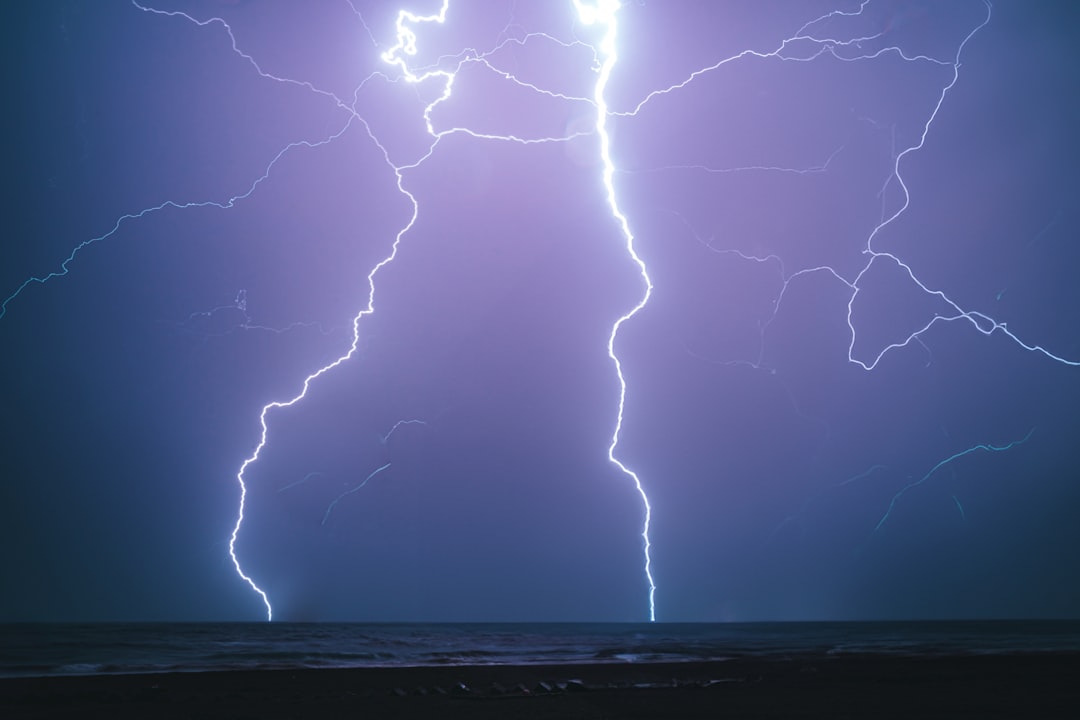
Geomagnetic storms are disturbances in the Earth’s magnetosphere caused by solar wind and solar flares. These storms can unleash a torrent of charged particles that interact with the Earth’s magnetic field, leading to a variety of phenomena, including auroras and disruptions in communication systems. The intensity of these storms can vary significantly, with some being relatively mild and others capable of causing extensive damage to technological infrastructure.
Understanding the mechanics behind geomagnetic storms is crucial for assessing their potential impact on modern society, which relies heavily on technology and electrical systems. The science behind geomagnetic storms involves complex interactions between solar activity and the Earth’s magnetic field.
If this CME is directed toward Earth, it can trigger a geomagnetic storm upon interaction with the planet’s magnetosphere. The resulting fluctuations in the magnetic field can induce electric currents in power lines and pipelines, potentially leading to widespread outages and equipment failures. As solar activity continues to increase in cycles, understanding these storms becomes increasingly important for both individuals and industries.
Key Takeaways
- Geomagnetic storms can severely disrupt infrastructure, causing significant financial losses.
- Current insurance policies often lack comprehensive coverage for geomagnetic storm-related damages.
- There is a growing need for specialized geomagnetic storm insurance to fill existing coverage gaps.
- Insurance companies are beginning to develop tailored policies to address the unique risks of geomagnetic storms.
- Proactive steps, including risk assessment and policy selection, are essential for protecting assets against geomagnetic storm impacts.
The Impact of Geomagnetic Storms on Infrastructure
The impact of geomagnetic storms on infrastructure can be profound, affecting everything from power grids to satellite communications. When a geomagnetic storm occurs, it can induce geomagnetically induced currents (GICs) in electrical systems, which may lead to transformer damage and power outages. In severe cases, entire regions can experience blackouts that last for hours or even days, disrupting daily life and economic activities.
The vulnerability of power grids to these storms highlights the need for robust infrastructure capable of withstanding such natural events. In addition to power systems, geomagnetic storms can also disrupt communication networks, including GPS and satellite operations. The charged particles from solar events can interfere with radio signals, leading to degraded performance or complete signal loss.
This disruption can have cascading effects on various sectors, including aviation, maritime navigation, and emergency services. As society becomes increasingly dependent on technology for communication and navigation, the potential consequences of geomagnetic storms on infrastructure cannot be overstated.
Current Insurance Coverage for Geomagnetic Storms

As awareness of the risks posed by geomagnetic storms grows, so does the interest in insurance coverage tailored to these specific events. Currently, most standard property and casualty insurance policies do not explicitly cover damages caused by geomagnetic storms. Instead, coverage for such events may fall under broader categories like natural disasters or acts of God.
However, the ambiguity surrounding these terms often leaves policyholders uncertain about their level of protection against geomagnetic-related damages. Some insurance companies have begun to recognize the unique risks associated with geomagnetic storms and are developing specialized policies to address these concerns.
However, the availability of such coverage varies widely among insurers, and many businesses remain underinsured or entirely unprotected against the potential fallout from geomagnetic storms.
Gaps in Coverage for Geomagnetic Storms
| Coverage Area | Monitoring Station Count | Data Latency (minutes) | Detection Accuracy (%) | Known Gaps | Impact on Forecasting |
|---|---|---|---|---|---|
| North America | 15 | 5 | 92 | Sparse coverage in northern Canada | Moderate delay in early warning |
| Europe | 12 | 7 | 89 | Limited stations in Eastern Europe | Reduced accuracy in localized events |
| Asia | 10 | 10 | 85 | Large gaps in Central Asia | Delayed storm intensity updates |
| Australia | 5 | 12 | 80 | Minimal coverage in interior regions | Limited early detection capability |
| South America | 6 | 9 | 83 | Few stations in Amazon basin | Inconsistent data for storm tracking |
| Africa | 4 | 15 | 75 | Significant gaps across continent | Poor forecasting and warning times |
| Oceans (Global) | 3 (satellite-based) | 20 | 70 | Very limited direct monitoring | High uncertainty in storm path prediction |
Despite the growing recognition of the risks posed by geomagnetic storms, significant gaps in coverage remain prevalent in the insurance industry. Many existing policies do not adequately address the specific nature of damages caused by these storms, leaving policyholders vulnerable to financial losses. For instance, while some policies may cover physical damage to property, they might not extend to losses incurred due to business interruptions or data loss resulting from a geomagnetic event.
Moreover, the lack of standardized definitions and classifications for geomagnetic storm-related damages complicates the claims process for affected businesses. Insurers may struggle to assess the extent of damage or determine whether it falls within the scope of existing policies. This uncertainty can lead to disputes between policyholders and insurers, further exacerbating the financial impact of geomagnetic storms on businesses and individuals alike.
The Importance of Geomagnetic Storm Insurance
Given the potential for significant disruptions caused by geomagnetic storms, obtaining specialized insurance coverage is becoming increasingly important for businesses and individuals alike. Geomagnetic storm insurance can provide a safety net against financial losses resulting from power outages, equipment damage, and business interruptions. By investing in this type of coverage, policyholders can mitigate their risks and ensure that they are better prepared for unforeseen events.
Furthermore, as society continues to evolve and become more reliant on technology, the importance of geomagnetic storm insurance will only grow. With increasing solar activity expected in the coming years, businesses must recognize that they are operating in an environment where geomagnetic storms pose a legitimate threat. By securing appropriate insurance coverage, they can protect their assets and maintain operational continuity in the face of potential disruptions.
Potential Financial Losses from Geomagnetic Storms
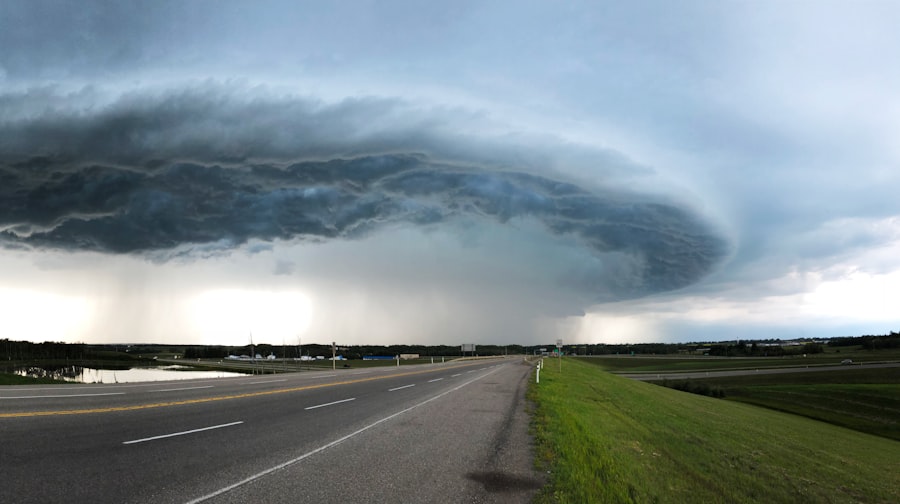
The financial losses associated with geomagnetic storms can be staggering, particularly for industries that rely heavily on technology and infrastructure. A severe geomagnetic storm could result in widespread power outages that disrupt manufacturing processes, halt transportation networks, and impede communication systems. The economic ramifications of such disruptions can extend far beyond immediate losses; they can also lead to long-term damage to brand reputation and customer trust.
Estimates suggest that a major geomagnetic storm could cost the U.S. economy billions of dollars in damages and lost productivity. For example, a study conducted by the National Academy of Sciences projected that a severe storm could result in economic losses ranging from $1 trillion to $2 trillion over several years.
These figures underscore the critical need for businesses to assess their vulnerability to geomagnetic storms and consider investing in insurance coverage that addresses these risks.
Steps to Take to Protect Against Geomagnetic Storms
To protect against the potential impacts of geomagnetic storms, businesses and individuals should take proactive steps to enhance their resilience. One essential measure is conducting a thorough risk assessment to identify vulnerabilities within their infrastructure and operations. This assessment should include an evaluation of existing insurance coverage to determine whether it adequately addresses potential damages from geomagnetic events.
In addition to assessing risk exposure, organizations should consider implementing protective measures such as installing surge protectors and backup power systems. These technologies can help safeguard critical equipment from voltage spikes caused by geomagnetically induced currents. Furthermore, developing contingency plans that outline procedures for responding to power outages or communication disruptions can enhance an organization’s ability to recover quickly from a geomagnetic storm.
The Role of Insurance Companies in Geomagnetic Storm Coverage
Insurance companies play a pivotal role in addressing the risks associated with geomagnetic storms by developing tailored policies that meet the needs of businesses and individuals. As awareness of these risks increases, insurers are tasked with creating innovative solutions that provide adequate coverage while also managing their own exposure to potential claims. This balancing act requires insurers to invest in research and data analysis to better understand the frequency and severity of geomagnetic storms.
Moreover, insurance companies have an opportunity to educate their clients about the importance of securing coverage against geomagnetic storm-related damages. By providing resources and guidance on risk management strategies, insurers can empower policyholders to make informed decisions about their coverage options. This collaborative approach not only benefits clients but also helps insurers mitigate potential losses by encouraging proactive risk management practices.
Policy Options for Geomagnetic Storm Insurance
As the demand for geomagnetic storm insurance grows, various policy options are emerging within the insurance market. These policies may include coverage for direct physical damage caused by geomagnetic storms as well as business interruption insurance that compensates for lost income during outages. Some insurers are also offering specialized endorsements that can be added to existing policies to enhance coverage against specific risks associated with geomagnetic events.
Additionally, businesses may explore options for parametric insurance products that provide payouts based on predefined triggers related to geomagnetic storm activity. This innovative approach allows policyholders to receive compensation quickly without undergoing lengthy claims processes. As insurers continue to adapt their offerings in response to evolving risks, businesses should stay informed about available policy options that align with their unique needs.
Case Studies of Geomagnetic Storm Damage
Examining case studies of past geomagnetic storm events provides valuable insights into the potential impacts on infrastructure and economies. One notable example is the 1989 Quebec blackout caused by a severe geomagnetic storm that resulted from a coronal mass ejection. The storm induced currents in power lines that led to a nine-hour blackout affecting millions of residents and costing an estimated $6 billion in damages.
Another significant event occurred in 2003 when a series of solar flares disrupted satellite communications and navigation systems worldwide. Airlines experienced delays due to GPS inaccuracies, while power companies reported fluctuations in voltage levels across their grids. These incidents highlight not only the immediate effects of geomagnetic storms but also their far-reaching consequences on various sectors reliant on technology.
Future Trends in Geomagnetic Storm Insurance
Looking ahead, several trends are likely to shape the landscape of geomagnetic storm insurance as awareness of these risks continues to grow. One trend is the increasing collaboration between insurers and scientific organizations focused on solar activity research. By leveraging data from space weather monitoring agencies, insurers can better assess risk levels associated with geomagnetic storms and develop more accurate pricing models for coverage.
Additionally, advancements in technology will play a crucial role in enhancing resilience against geomagnetic storms. As businesses adopt more sophisticated monitoring systems and predictive analytics tools, they will be better equipped to anticipate potential disruptions and respond effectively. This proactive approach will not only reduce reliance on insurance claims but also foster a culture of preparedness within organizations.
In conclusion, as society becomes increasingly vulnerable to the impacts of geomagnetic storms, understanding their implications is essential for safeguarding infrastructure and economic stability. By recognizing gaps in current insurance coverage and exploring specialized options tailored to these risks, businesses can take proactive steps toward protecting themselves against potential financial losses while contributing to a more resilient future.
In recent discussions about the potential impacts of geomagnetic storms on infrastructure, it has become increasingly clear that many insurance policies do not adequately cover the damages caused by such events. A related article that delves into the specifics of these coverage gaps can be found at this link. Understanding these limitations is crucial for both individuals and businesses looking to safeguard their assets against the unpredictable nature of geomagnetic storms.
WATCH THIS! The $500 Billion Bet: Why America’s Biggest Dam Is Guaranteed to Fail
FAQs
What is a geomagnetic storm?
A geomagnetic storm is a temporary disturbance of the Earth’s magnetosphere caused by solar wind shock waves and/or cloud of magnetic field that interact with the Earth’s magnetic field. These storms can disrupt satellite communications, power grids, and other electronic systems.
How can geomagnetic storms affect insurance coverage?
Geomagnetic storms can cause widespread damage to electrical and electronic infrastructure, leading to significant financial losses. However, many standard insurance policies may not explicitly cover damages caused by geomagnetic storms, creating potential coverage gaps.
Are damages from geomagnetic storms typically covered under standard property insurance?
Standard property insurance policies often exclude damages caused by natural events like geomagnetic storms or may not specifically address them. Coverage depends on the policy wording, and some insurers may classify such damages under exclusions related to “acts of God” or similar clauses.
What types of insurance policies might cover geomagnetic storm-related damages?
Specialized policies such as cyber insurance, business interruption insurance, or policies specifically designed for electromagnetic pulse (EMP) or geomagnetic disturbances may offer coverage. However, these are not standard and usually require additional endorsements or riders.
Why are there coverage gaps for geomagnetic storm-related damages?
Coverage gaps exist because geomagnetic storms are relatively rare and complex events that can cause widespread and unpredictable damage. Insurers may exclude these risks due to the difficulty in assessing and pricing the potential losses, leading to limited or no coverage under standard policies.
What should businesses do to protect themselves from geomagnetic storm risks?
Businesses should review their insurance policies carefully to understand exclusions and coverage limits related to geomagnetic storms. They may consider purchasing specialized coverage, implementing risk mitigation strategies, and consulting with insurance professionals to address potential gaps.
Is there government assistance available for damages caused by geomagnetic storms?
Government assistance varies by country and region. Some governments may provide disaster relief or support for infrastructure recovery, but this is not guaranteed and typically does not replace the need for adequate insurance coverage.
How can policyholders verify if their insurance covers geomagnetic storm damages?
Policyholders should carefully read their insurance policy documents, focusing on exclusions and definitions related to natural disasters and electromagnetic events. Consulting with insurance agents or legal experts can help clarify coverage specifics and identify any gaps.