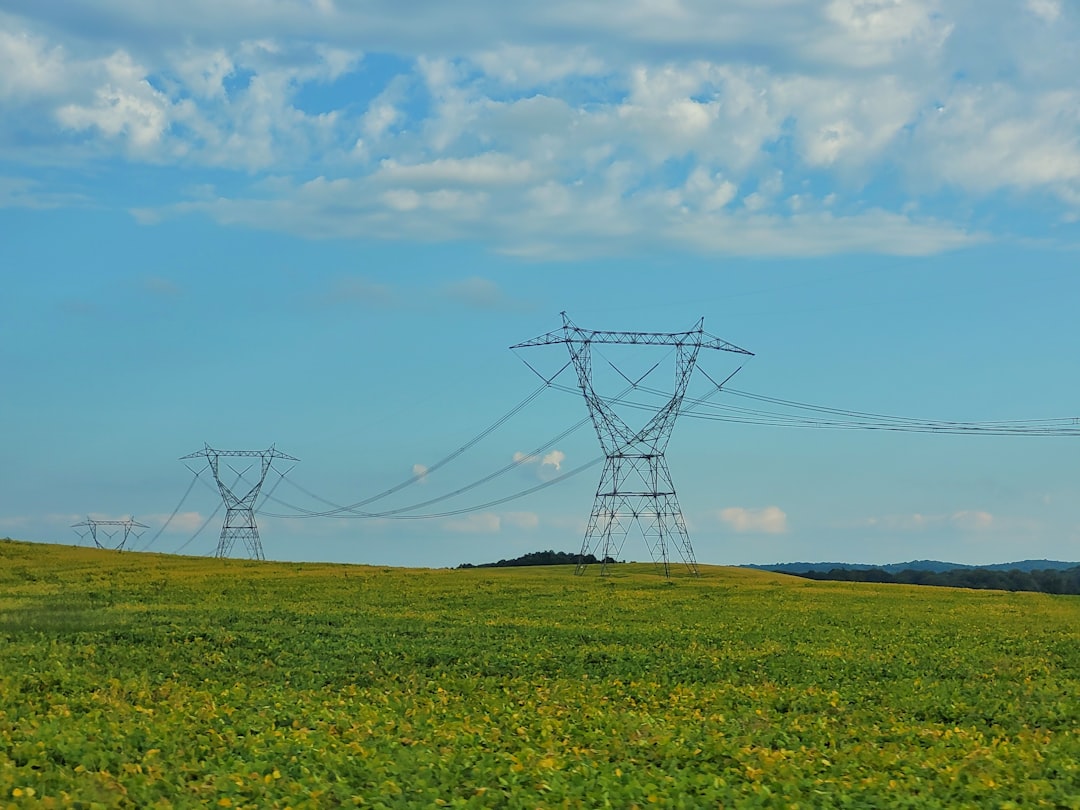
The power grid serves as the backbone of modern society, providing electricity to homes, businesses, and critical infrastructure. As the world becomes increasingly reliant on this essential service, the importance of power grid hardening cannot be overstated. Hardening refers to the process of enhancing the resilience and security of the power grid against various threats, including natural disasters, cyberattacks, and physical sabotage.
By fortifying the grid, utilities can ensure a more reliable supply of electricity, which is vital for economic stability and public safety. Moreover, the consequences of a compromised power grid can be catastrophic. Prolonged outages can disrupt daily life, hinder emergency services, and lead to significant financial losses.
In recent years, extreme weather events have highlighted the vulnerabilities of existing infrastructure, prompting a reevaluation of how utilities approach grid security. The need for hardening measures has become increasingly urgent as climate change intensifies weather patterns and as cyber threats evolve in sophistication. Thus, understanding the importance of power grid hardening is crucial for safeguarding not only the electrical supply but also the broader societal framework that depends on it.
Key Takeaways
- Power grid hardening is essential to protect critical infrastructure from evolving risks and vulnerabilities.
- Conducting thorough risk assessments helps identify the most vulnerable and critical components of the grid.
- Cost-benefit analysis guides the selection of resilient, sustainable, and technologically advanced hardening solutions.
- Collaboration among stakeholders ensures effective planning, prioritization, and investment in grid security measures.
- Continuous monitoring, evaluation, and adaptation are vital to address emerging threats and integrate new technologies.
Assessing the Potential Risks and Vulnerabilities
To effectively harden the power grid, it is essential to conduct a thorough assessment of potential risks and vulnerabilities. This process involves identifying both natural and man-made threats that could compromise the integrity of the grid. Natural disasters such as hurricanes, earthquakes, and wildfires pose significant risks, as they can damage physical infrastructure and disrupt service delivery.
Additionally, man-made threats, including cyberattacks and terrorism, have emerged as critical concerns in an increasingly interconnected world. Utilities must adopt a comprehensive risk assessment framework that evaluates the likelihood and potential impact of various threats. This includes analyzing historical data on outages and disruptions, as well as considering emerging trends in climate change and technology.
By understanding these vulnerabilities, utilities can prioritize their hardening efforts and allocate resources more effectively. Furthermore, engaging with experts in risk management can provide valuable insights into best practices for identifying and mitigating potential threats to the power grid.
Identifying the Most Critical Infrastructure
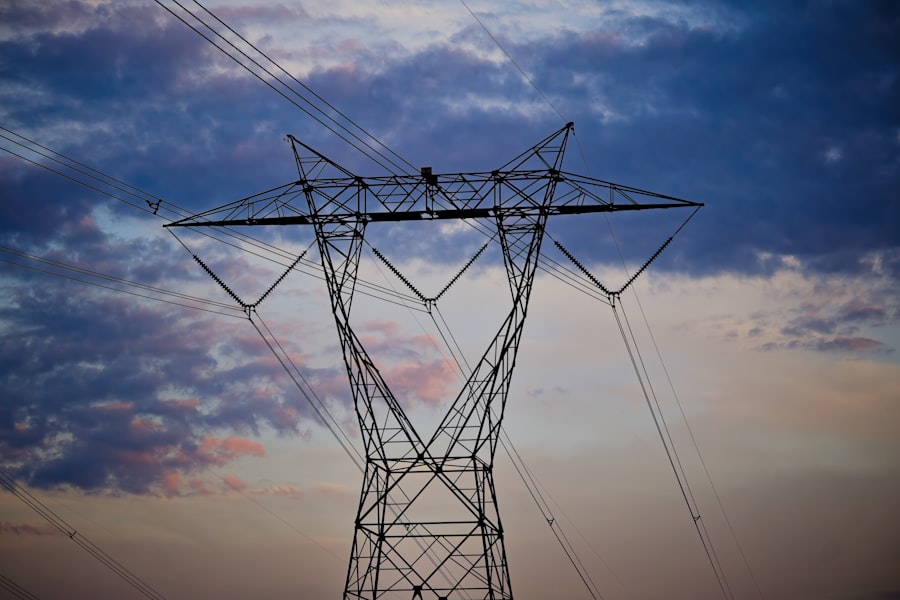
Not all components of the power grid are created equal; some are more critical than others in maintaining overall system functionality. Identifying these critical infrastructure elements is a key step in the hardening process. Critical infrastructure includes substations, transmission lines, and control centers that play pivotal roles in electricity distribution.
Utilities must conduct a detailed analysis to determine which assets are most vital to grid operations. This involves evaluating factors such as geographic location, load capacity, and interdependencies with other systems.
By pinpointing these critical assets, utilities can focus their hardening efforts on protecting them from potential threats. Additionally, collaboration with local governments and emergency services can help identify community-specific needs and vulnerabilities, ensuring that hardening measures align with broader public safety goals.
Evaluating the Cost-Benefit Analysis of Hardening Measures
| Hardening Measure | Implementation Cost | Expected Reduction in Risk (%) | Annual Maintenance Cost | Estimated Annual Savings from Risk Reduction | Payback Period (Years) | Net Benefit Over 5 Years |
|---|---|---|---|---|---|---|
| Firewall Upgrade | 50,000 | 40 | 5,000 | 30,000 | 2.0 | 75,000 |
| Multi-Factor Authentication | 20,000 | 60 | 2,000 | 25,000 | 0.8 | 111,000 |
| Regular Security Training | 10,000 | 30 | 1,000 | 15,000 | 0.7 | 64,000 |
| Patch Management Automation | 35,000 | 50 | 3,000 | 28,000 | 1.25 | 80,000 |
| Network Segmentation | 40,000 | 45 | 4,000 | 27,000 | 1.48 | 71,000 |
Implementing hardening measures often requires substantial financial investment, making it essential to conduct a thorough cost-benefit analysis. This analysis helps utilities weigh the potential costs of hardening initiatives against the benefits of increased resilience and reliability.
Utilities must also consider the long-term implications of their investments. While some hardening measures may require significant initial expenditures, they can lead to substantial savings over time by reducing outage-related costs and improving operational efficiency. Additionally, enhanced grid resilience can bolster public confidence in utility services, potentially leading to increased customer satisfaction and loyalty.
By carefully evaluating these factors, utilities can make informed decisions about which hardening measures to prioritize.
Implementing Resilient and Sustainable Solutions
As utilities embark on hardening initiatives, it is crucial to implement solutions that are both resilient and sustainable. Resilience refers to the ability of the power grid to withstand disruptions and recover quickly from adverse events. Sustainable solutions take into account environmental impacts and aim to minimize carbon footprints while enhancing grid reliability.
Incorporating renewable energy sources such as solar and wind into the power grid can contribute to both resilience and sustainability. These sources can diversify energy supply and reduce dependence on fossil fuels, making the grid less vulnerable to supply chain disruptions. Additionally, investing in energy storage technologies can enhance grid stability by allowing excess energy to be stored for use during peak demand periods or emergencies.
By prioritizing resilient and sustainable solutions, utilities can create a more robust power grid that meets current needs while preparing for future challenges.
Leveraging Technology for Enhanced Grid Security
The integration of advanced technologies plays a pivotal role in enhancing power grid security. Smart grid technologies, including advanced metering infrastructure (AMI) and real-time monitoring systems, enable utilities to detect anomalies and respond swiftly to potential threats. These technologies provide valuable data that can inform decision-making processes related to grid management and security.
Moreover, cybersecurity measures are essential in protecting the power grid from digital threats. As utilities increasingly rely on interconnected systems for operations, they become more susceptible to cyberattacks that could disrupt service delivery or compromise sensitive data. Implementing robust cybersecurity protocols, including regular software updates and employee training programs, is vital for safeguarding against these risks.
By leveraging technology effectively, utilities can bolster their defenses against both physical and cyber threats.
Collaborating with Stakeholders for Effective Planning
Collaboration among various stakeholders is essential for effective planning and implementation of power grid hardening measures. Utilities must engage with government agencies, regulatory bodies, emergency services, and community organizations to develop comprehensive strategies that address local needs and vulnerabilities. This collaborative approach ensures that all perspectives are considered in the planning process.
Stakeholder engagement also fosters transparency and builds trust within communities. By involving local residents in discussions about grid security and resilience initiatives, utilities can gain valuable insights into community concerns and priorities. Additionally, collaboration can lead to shared resources and expertise, ultimately enhancing the effectiveness of hardening measures.
By working together, stakeholders can create a more resilient power grid that meets the needs of all constituents.
Prioritizing Investments for Maximum Impact
Given limited resources and competing priorities, utilities must prioritize investments in power grid hardening measures for maximum impact. This involves identifying high-risk areas or components that require immediate attention while also considering long-term strategic goals. A systematic approach to prioritization can help ensure that resources are allocated efficiently.
Utilities may consider using risk-based frameworks that evaluate potential impacts on service delivery when determining investment priorities. This approach allows them to focus on areas where hardening measures will yield the greatest benefits in terms of reliability and resilience. Additionally, leveraging funding opportunities from government grants or public-private partnerships can help utilities maximize their investment potential while minimizing financial burdens.
Incorporating Risk Management Strategies
Incorporating risk management strategies into power grid operations is essential for maintaining resilience in an ever-evolving threat landscape. Risk management involves identifying potential risks, assessing their likelihood and impact, and developing strategies to mitigate them effectively. By adopting a proactive approach to risk management, utilities can better prepare for unforeseen events.
Regularly updating risk assessments is crucial as new threats emerge or existing ones evolve. Utilities should establish protocols for continuous monitoring of both physical infrastructure and cybersecurity vulnerabilities. Additionally, conducting regular drills and simulations can help prepare staff for emergency situations while identifying areas for improvement in response plans.
By embedding risk management strategies into their operations, utilities can enhance their ability to respond effectively to disruptions.
Monitoring and Evaluating the Effectiveness of Hardening Measures
Once hardening measures are implemented, ongoing monitoring and evaluation are essential to assess their effectiveness. Utilities should establish key performance indicators (KPIs) that measure resilience improvements over time. These KPIs may include metrics related to outage frequency, duration, customer satisfaction levels, and response times during emergencies.
Regular evaluations allow utilities to identify areas where further improvements may be needed or where existing measures may require adjustments based on changing conditions or emerging threats. Engaging with external auditors or industry experts can provide valuable insights into best practices for monitoring effectiveness. By committing to continuous evaluation processes, utilities can ensure that their hardening efforts remain relevant and impactful.
Adapting to Changing Threats and Emerging Technologies
The landscape of threats facing power grids is constantly evolving due to advancements in technology and shifts in environmental conditions. As such, it is imperative for utilities to remain adaptable in their approach to grid security and resilience. This adaptability involves staying informed about emerging technologies that could enhance grid operations while also being vigilant about new threats that may arise.
Investing in research and development initiatives can help utilities explore innovative solutions for hardening measures while keeping pace with technological advancements. Collaborating with academic institutions or industry partners can facilitate knowledge sharing and foster innovation within the sector. By embracing a culture of adaptability, utilities can position themselves to respond effectively to changing threats while ensuring a reliable power supply for their communities.
In conclusion, power grid hardening is a multifaceted endeavor that requires a comprehensive understanding of risks, collaboration among stakeholders, strategic investments, and ongoing evaluation efforts. As society continues to rely on electricity for daily functioning, ensuring the resilience of this critical infrastructure becomes paramount for economic stability and public safety alike.
In the context of power grid hardening, a comprehensive cost-benefit analysis is essential for understanding the financial implications of enhancing infrastructure resilience. For further insights on this topic, you can refer to a related article that discusses various strategies and their economic impacts. Check it out here: Power Grid Hardening Cost-Benefit Analysis.
WATCH THIS! The $500 Billion Bet: Why America’s Biggest Dam Is Guaranteed to Fail
FAQs
What is power grid hardening?
Power grid hardening refers to the process of strengthening the electrical grid infrastructure to make it more resilient against natural disasters, cyberattacks, and other disruptions. This can include upgrading equipment, reinforcing transmission lines, undergrounding cables, and implementing advanced technologies.
Why is cost-benefit analysis important for power grid hardening?
Cost-benefit analysis helps utilities and policymakers evaluate the economic feasibility of hardening projects by comparing the costs of implementation against the expected benefits, such as reduced outage durations, fewer repairs, and improved reliability. This ensures that investments are made efficiently and effectively.
What factors are considered in a power grid hardening cost-benefit analysis?
Key factors include the initial capital costs, ongoing maintenance expenses, potential reduction in outage frequency and duration, avoided costs from damage and repairs, improved safety, and societal benefits like enhanced economic productivity and public health.
How do utilities estimate the benefits of grid hardening?
Utilities estimate benefits by analyzing historical outage data, modeling potential disaster scenarios, assessing the value of lost load (VOLL), and considering improvements in system reliability and resilience. They may also factor in regulatory incentives and customer satisfaction.
What are common methods used in power grid hardening?
Common methods include installing stronger poles and conductors, undergrounding power lines, deploying smart grid technologies, enhancing vegetation management, and improving system automation and control.
Are there challenges in conducting a cost-benefit analysis for grid hardening?
Yes, challenges include uncertainty in predicting future extreme weather events, quantifying intangible benefits, estimating long-term maintenance costs, and accounting for evolving technology and regulatory environments.
Who typically conducts power grid hardening cost-benefit analyses?
These analyses are usually conducted by utility companies, consulting firms specializing in energy infrastructure, regulatory agencies, and research institutions.
How does power grid hardening impact consumers?
Consumers benefit from fewer and shorter power outages, improved safety, and potentially more stable electricity rates over time. However, some costs may be passed on to consumers through utility rates.
Can power grid hardening reduce the impact of climate change?
While grid hardening does not reduce climate change itself, it helps mitigate the impact of climate-related extreme weather events on the power system, enhancing resilience and reliability.
Is power grid hardening a one-time investment?
No, power grid hardening is an ongoing process that requires continuous assessment, upgrades, and maintenance to adapt to new threats, technologies, and changing environmental conditions.