Space weather refers to the environmental conditions in space that can influence the Earth’s magnetosphere, ionosphere, and thermosphere. These conditions are primarily driven by solar activity, including solar flares, coronal mass ejections (CMEs), and high-speed solar wind streams. When the sun emits these energetic particles, they can interact with the Earth’s magnetic field, leading to various phenomena such as geomagnetic storms and auroras.
Understanding these events is crucial for predicting their potential impacts on technology and infrastructure on Earth. The effects of space weather can range from minor disruptions to significant disturbances that can affect satellite operations, communication systems, and even power grids. For instance, a strong geomagnetic storm can induce electric currents in the Earth’s surface, which can lead to voltage fluctuations in power lines.
As society becomes increasingly reliant on technology, the importance of comprehending space weather events grows. This understanding not only aids in forecasting potential disruptions but also informs strategies to mitigate their impacts.
Key Takeaways
- Space weather events can significantly disrupt power grid operations, necessitating specialized understanding and preparedness.
- Training power grid operators in space weather awareness and response is crucial for minimizing grid vulnerabilities.
- Simulation exercises and real-time monitoring enhance operators’ ability to respond effectively to space weather-induced disturbances.
- Collaboration with space weather experts and incorporating training into certification programs strengthen grid resilience.
- Continuous education and analysis of past space weather events help improve strategies for protecting power infrastructure.
Impact of Space Weather on Power Grids
The impact of space weather on power grids can be profound and multifaceted.
These currents can overload transformers and other critical components of the power grid, leading to equipment damage or even widespread blackouts.
The 1989 Quebec blackout serves as a stark reminder of the potential consequences of severe space weather, where a geomagnetic storm caused a nine-hour outage affecting millions of people. Moreover, the vulnerability of power grids to space weather is exacerbated by the increasing complexity and interconnectivity of modern electrical systems. As grids become more integrated and reliant on digital technologies for monitoring and control, the potential for cascading failures increases.
A single event in one part of the grid can have ripple effects throughout the entire system, making it essential for operators to understand the risks posed by space weather and to develop robust contingency plans.
Importance of Training Power Grid Operators for Space Weather Events
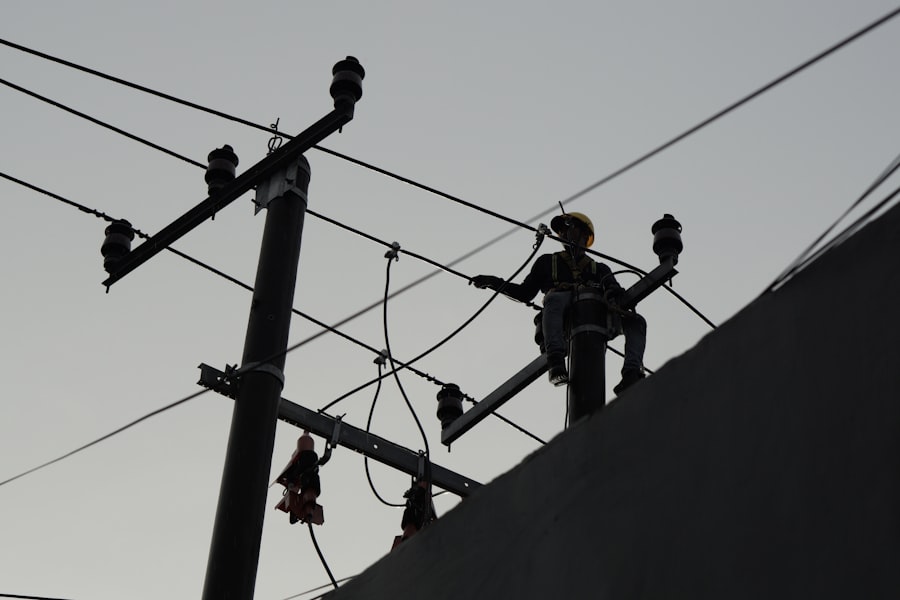
Training power grid operators to respond effectively to space weather events is paramount for ensuring the resilience of electrical systems. Operators must be equipped with the knowledge and skills necessary to recognize the signs of impending space weather disturbances and to implement appropriate response measures. This training should encompass not only the technical aspects of grid management but also an understanding of how space weather phenomena can impact operations.
Furthermore, effective training programs can foster a culture of preparedness within organizations. When operators are well-versed in the potential impacts of space weather, they are more likely to take proactive measures to safeguard the grid. This includes monitoring space weather forecasts, implementing protective measures during heightened solar activity, and coordinating with other stakeholders in the energy sector.
By prioritizing training, organizations can enhance their overall resilience to space weather events.
Identifying Vulnerabilities in Power Grids
| Metric | Description | Typical Value/Range | Importance |
|---|---|---|---|
| Number of Critical Nodes | Count of substations or nodes whose failure can cause widespread outages | 5-20 per regional grid | High |
| Line Load Capacity Utilization | Percentage of maximum capacity currently used on transmission lines | 60%-90% | Medium |
| Mean Time to Repair (MTTR) | Average time to restore service after a failure | 2-8 hours | High |
| Frequency of Cybersecurity Incidents | Number of detected cyber attacks or breaches per year | 10-50 incidents | High |
| Redundancy Ratio | Ratio of backup lines or systems to primary lines | 0.2-0.5 | High |
| Voltage Stability Margin | Measure of how close the system is to voltage collapse | 10%-30% | Medium |
| Physical Security Incidents | Number of physical attacks or intrusions on grid infrastructure | 1-5 per year | Medium |
| Blackout Frequency | Number of blackout events per year | 0-3 | High |
Identifying vulnerabilities within power grids is a critical step in developing effective strategies for mitigating the impacts of space weather. Vulnerabilities can arise from various factors, including outdated infrastructure, inadequate protective measures, and insufficient situational awareness among operators. Conducting thorough assessments of existing systems can help pinpoint areas that require improvement or reinforcement.
One approach to identifying vulnerabilities is through risk assessments that evaluate the potential impacts of different space weather scenarios on grid operations. By simulating various geomagnetic storm intensities and their effects on grid components, operators can gain insights into which parts of the system are most at risk. This information can then inform investment decisions aimed at upgrading infrastructure or implementing protective technologies that enhance resilience against space weather events.
Developing Strategies for Space Weather Resilience
Developing strategies for resilience against space weather involves a multifaceted approach that encompasses technological upgrades, operational protocols, and stakeholder collaboration. One key strategy is investing in advanced monitoring systems that provide real-time data on space weather conditions. These systems can alert operators to impending geomagnetic storms, allowing them to take preemptive actions such as adjusting load levels or temporarily shutting down vulnerable components.
In addition to technological solutions, operational protocols must be established to guide decision-making during space weather events. This includes creating clear communication channels among operators, utility companies, and regulatory agencies to ensure a coordinated response. Furthermore, engaging with external experts in space weather can provide valuable insights into best practices for resilience and recovery.
Simulation and Scenario Training for Power Grid Operators

Simulation and scenario training play a vital role in preparing power grid operators for potential space weather events. By creating realistic training environments that mimic the conditions of a geomagnetic storm, operators can practice their response strategies in a controlled setting. This hands-on experience not only enhances their technical skills but also builds confidence in their ability to manage real-world situations.
Scenario-based training can also facilitate discussions about decision-making processes during crises. Operators can explore various response options and evaluate their potential outcomes, fostering a deeper understanding of the complexities involved in managing power grids during space weather disturbances. Such training initiatives contribute to a more agile workforce capable of adapting to rapidly changing conditions.
Collaboration with Space Weather Experts
Collaboration with space weather experts is essential for enhancing the resilience of power grids against solar activity. These experts possess specialized knowledge about solar phenomena and their potential impacts on Earth’s environment. By partnering with scientists and researchers in the field of space weather, power grid operators can gain access to valuable insights and forecasts that inform their operational strategies.
Establishing formal partnerships with academic institutions or government agencies focused on space weather research can facilitate knowledge exchange and improve preparedness efforts. Regular briefings from experts can keep operators informed about current solar activity and emerging trends in space weather research. This collaboration not only strengthens the technical capabilities of power grid operators but also fosters a culture of continuous learning within organizations.
Implementing Real-time Monitoring and Response Protocols
Implementing real-time monitoring and response protocols is crucial for effectively managing the impacts of space weather on power grids. Advanced monitoring systems equipped with sensors can detect fluctuations in geomagnetic activity and provide operators with timely alerts about potential threats. This real-time data enables operators to make informed decisions about load management and protective measures.
In addition to monitoring systems, organizations should establish clear response protocols that outline specific actions to be taken during different levels of space weather events. These protocols should be regularly reviewed and updated based on lessons learned from past incidents and advancements in technology. By having well-defined procedures in place, operators can respond swiftly and effectively to mitigate disruptions caused by geomagnetic storms.
Incorporating Space Weather Training into Operator Certification Programs
Incorporating space weather training into operator certification programs is an essential step toward building a knowledgeable workforce capable of managing power grids under adverse conditions.
Certification programs should include both theoretical knowledge and practical applications related to space weather preparedness.
This could involve coursework on solar activity, its effects on electrical systems, and best practices for response strategies. Additionally, hands-on training exercises that simulate real-world scenarios can reinforce learning outcomes and better prepare operators for future challenges.
Case Studies of Space Weather Events and Power Grid Resilience
Examining case studies of past space weather events provides valuable insights into how power grids have responded to solar activity and what lessons can be learned for future resilience efforts. The 1989 Quebec blackout serves as a prominent example; it highlighted the vulnerabilities inherent in long transmission lines during geomagnetic storms. Following this event, significant investments were made in infrastructure upgrades and protective technologies across North America.
Another notable case is the 2003 Halloween Storms, which caused widespread disruptions across various sectors, including telecommunications and aviation. The response from power grid operators during this event demonstrated both strengths and weaknesses in preparedness efforts. Analyzing these case studies allows organizations to identify effective strategies as well as areas needing improvement, ultimately contributing to enhanced resilience against future space weather events.
Continuous Education and Training for Power Grid Operators
Continuous education and training are vital components of maintaining a resilient workforce capable of navigating the challenges posed by space weather events. As technology evolves and new research emerges in the field of space weather, it is essential for operators to stay informed about best practices and emerging threats. Ongoing training programs should be designed to adapt to these changes while reinforcing foundational knowledge.
Organizations should encourage a culture of lifelong learning among their employees by providing access to workshops, seminars, and online courses focused on space weather preparedness. Additionally, fostering collaboration among industry peers can facilitate knowledge sharing and promote innovative solutions to common challenges faced by power grid operators. By prioritizing continuous education, organizations can ensure that their workforce remains equipped to handle the complexities associated with space weather events effectively.
In the context of power grid operator training, understanding the impact of space weather on electrical systems is crucial. A related article that delves into this topic can be found at this link. It provides valuable insights into how solar storms and other space weather phenomena can affect power grids, emphasizing the importance of preparedness and training for operators in the face of such challenges.
WATCH THIS! The $500 Billion Bet: Why America’s Biggest Dam Is Guaranteed to Fail
FAQs
What is space weather?
Space weather refers to the environmental conditions in space as influenced by the Sun and the solar wind. It includes phenomena such as solar flares, geomagnetic storms, and solar radiation, which can impact Earth’s magnetosphere and ionosphere.
Why is space weather important for power grid operators?
Space weather can induce geomagnetic disturbances that affect the Earth’s magnetic field, potentially causing geomagnetically induced currents (GICs) in power grids. These currents can damage transformers, disrupt power transmission, and lead to widespread outages.
What is a power grid operator training space weather program?
It is a specialized training program designed to educate power grid operators about the effects of space weather on electrical infrastructure. The program typically includes understanding space weather phenomena, recognizing early warning signs, and implementing mitigation strategies to protect the grid.
How do power grid operators use space weather information?
Operators monitor space weather forecasts and alerts to anticipate potential geomagnetic disturbances. This information helps them take preventive actions such as adjusting grid configurations, reducing load, or preparing for rapid response to minimize damage and maintain grid stability.
What tools or technologies are used in training for space weather impacts?
Training may involve simulation software, real-time space weather data feeds, scenario-based exercises, and collaboration with space weather forecasting agencies. These tools help operators practice decision-making and response strategies under various space weather conditions.
Who provides space weather training for power grid operators?
Training is often provided by government agencies, research institutions, utility companies, or specialized organizations focused on space weather and critical infrastructure protection. Examples include the National Oceanic and Atmospheric Administration (NOAA) and the North American Electric Reliability Corporation (NERC).
Can space weather events cause long-term damage to power grids?
Yes, severe space weather events can cause permanent damage to transformers and other critical components, leading to prolonged outages and costly repairs. Proper training helps operators mitigate these risks through timely and effective responses.
How frequently do power grid operators receive space weather training?
The frequency varies by organization but typically includes initial training during onboarding and periodic refresher courses or drills to keep operators updated on the latest space weather science and mitigation techniques.
Is space weather training mandatory for all power grid operators?
Requirements depend on regional regulations and utility company policies. However, given the potential risks, many organizations consider space weather training an essential part of operator preparedness and grid resilience planning.
Where can power grid operators access space weather forecasts?
Operators can access forecasts from agencies such as NOAA’s Space Weather Prediction Center (SWPC), the European Space Agency (ESA), and other national meteorological and space weather services that provide real-time data and alerts.