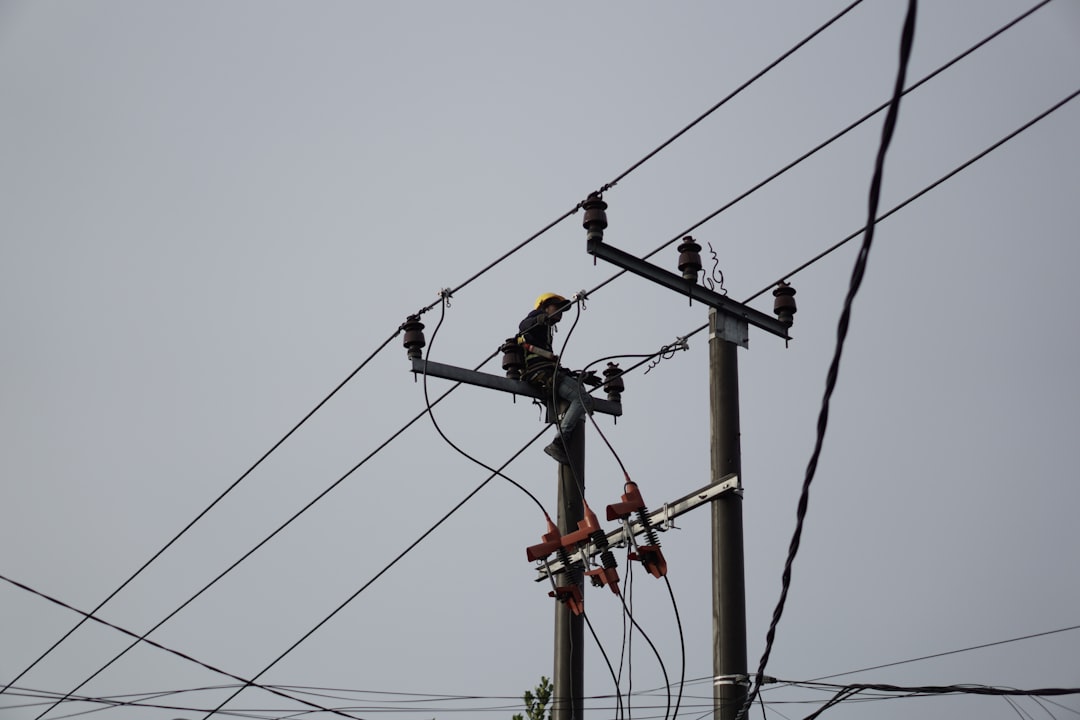
A power grid cascading failure refers to a series of events in which the failure of one or more components of an electrical grid leads to the subsequent failure of additional components, ultimately resulting in widespread power outages. This phenomenon can occur rapidly, often within minutes, and can affect large geographical areas, disrupting the supply of electricity to millions of consumers. The interconnected nature of modern power grids means that a disturbance in one part of the system can have far-reaching consequences, as the failure propagates through the network.
Cascading failures are particularly concerning because they can escalate quickly and unpredictably. Initially, a minor issue, such as a transformer malfunction or a downed power line, may seem manageable. However, if not addressed promptly, this issue can trigger a chain reaction, leading to the overload of other components and ultimately resulting in a blackout.
The complexity of power grids, with their intricate web of connections and dependencies, makes it challenging to predict how failures will unfold, underscoring the need for robust monitoring and management systems.
Key Takeaways
- Power grid cascading failures occur when an initial fault triggers a chain reaction, leading to widespread outages.
- Causes include equipment failure, natural disasters, human error, and cyberattacks.
- These failures can have severe economic, social, and safety impacts on communities.
- Detection relies on real-time monitoring, sensors, and advanced analytics to identify early warning signs.
- Preventive strategies focus on maintenance, resilience in design, and leveraging technology to manage and mitigate risks.
The Causes of Power Grid Cascading Failures
The causes of power grid cascading failures are multifaceted and can stem from both natural and human-induced factors. One common cause is equipment failure, which can occur due to aging infrastructure, manufacturing defects, or inadequate maintenance. For instance, if a critical transformer fails during peak demand hours, it can lead to an overload on adjacent lines, causing them to trip offline as well.
This initial failure can set off a domino effect, leading to further outages across the grid. Environmental factors also play a significant role in triggering cascading failures. Severe weather events such as storms, hurricanes, or ice storms can damage power lines and substations, leading to localized outages that may escalate into larger failures.
Additionally, natural disasters like earthquakes can disrupt the physical integrity of power infrastructure, causing widespread damage. Human errors, such as operational mistakes or inadequate response to alarms and alerts, can further exacerbate these situations, highlighting the importance of training and preparedness in grid management.
The Impact of Power Grid Cascading Failures
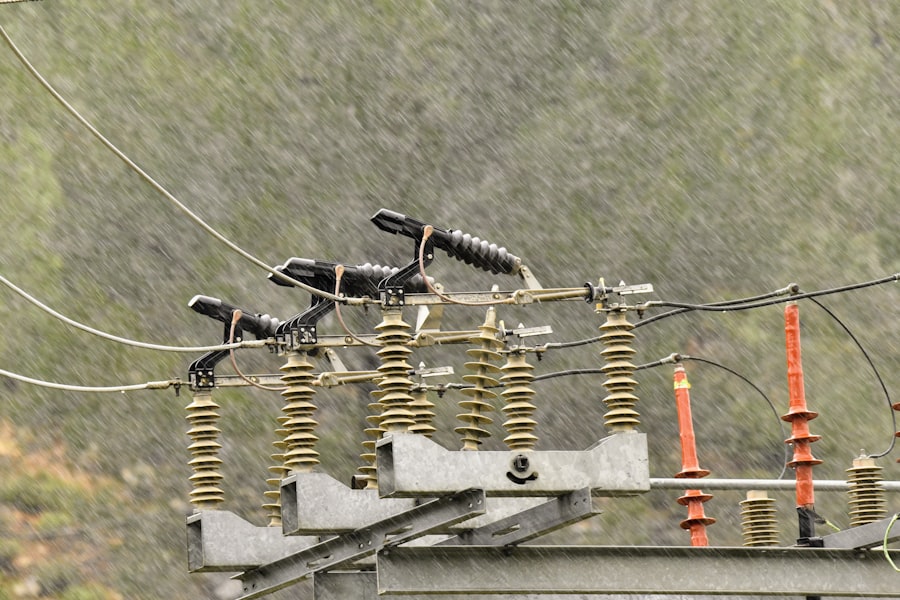
The impact of power grid cascading failures extends beyond mere inconvenience; it can have profound economic and social consequences. When large-scale blackouts occur, businesses may be forced to halt operations, leading to significant financial losses. Industries that rely heavily on continuous power supply, such as manufacturing and data centers, are particularly vulnerable.
The costs associated with lost productivity can accumulate rapidly, affecting not only individual companies but also the broader economy. Moreover, the social implications of cascading failures can be severe. Prolonged outages can disrupt essential services such as hospitals, emergency response systems, and public transportation.
Vulnerable populations may face heightened risks during blackouts, particularly those who rely on medical devices or have limited access to alternative power sources. The psychological toll on communities experiencing extended outages can also be significant, leading to increased anxiety and a sense of insecurity regarding future power reliability.
Examples of Past Power Grid Cascading Failures
| Event | Date | Location | Cause | Impact | Duration | Number of People Affected |
|---|---|---|---|---|---|---|
| Northeast Blackout | August 14, 2003 | USA & Canada | Software bug and human error | Power outage across 8 states and Ontario | Up to 4 days in some areas | Approximately 50 million |
| India Blackout | July 30-31, 2012 | India | Grid overloading and failure of transmission lines | Largest blackout in history affecting northern and eastern India | Up to 2 days | Over 620 million |
| Italy Blackout | September 28, 2003 | Italy | Tree contact with power lines causing line trips | Nationwide blackout | Up to 12 hours | Approximately 56 million |
| South Australia Blackout | September 28, 2016 | South Australia, Australia | Severe weather and multiple transmission line failures | Statewide blackout | Up to 24 hours | 1.7 million |
| Ukraine Blackout | December 23, 2015 | Ukraine | Equipment failure and grid instability | Power outage in western Ukraine | Several hours | 230,000 |
Several notable examples of power grid cascading failures illustrate the potential severity of such events. One of the most infamous incidents occurred in August 2003 when a massive blackout affected parts of the northeastern United States and Canada. The failure began with a transmission line sagging into a tree in Ohio, which led to a series of cascading failures across multiple states and provinces.
Approximately 50 million people were left without power for several hours, resulting in widespread disruption and economic losses estimated at billions of dollars. Another significant event took place in 2011 when a cascading failure in the Southwest United States led to a blackout affecting over 2 million customers. The incident was triggered by a combination of human error and equipment failure during routine maintenance work.
As operators attempted to restore power to affected areas, miscommunication and inadequate situational awareness led to further outages across the grid. These examples underscore the critical need for effective monitoring and response strategies to prevent similar occurrences in the future.
How Power Grid Cascading Failures are Detected
Detecting power grid cascading failures is a complex task that requires advanced monitoring systems and real-time data analysis. Utilities employ various technologies to track the health and performance of their infrastructure continuously. Supervisory Control and Data Acquisition (SCADA) systems play a crucial role in this process by providing operators with real-time information about grid conditions, including voltage levels, current flows, and equipment status.
In addition to SCADA systems, phasor measurement units (PMUs) are increasingly being used to enhance situational awareness within power grids. These devices provide high-resolution measurements of electrical waves in real-time, allowing operators to detect anomalies that may indicate impending failures. By analyzing data from these sources, grid operators can identify potential issues before they escalate into cascading failures, enabling timely interventions to maintain system stability.
The Role of Maintenance in Preventing Power Grid Cascading Failures
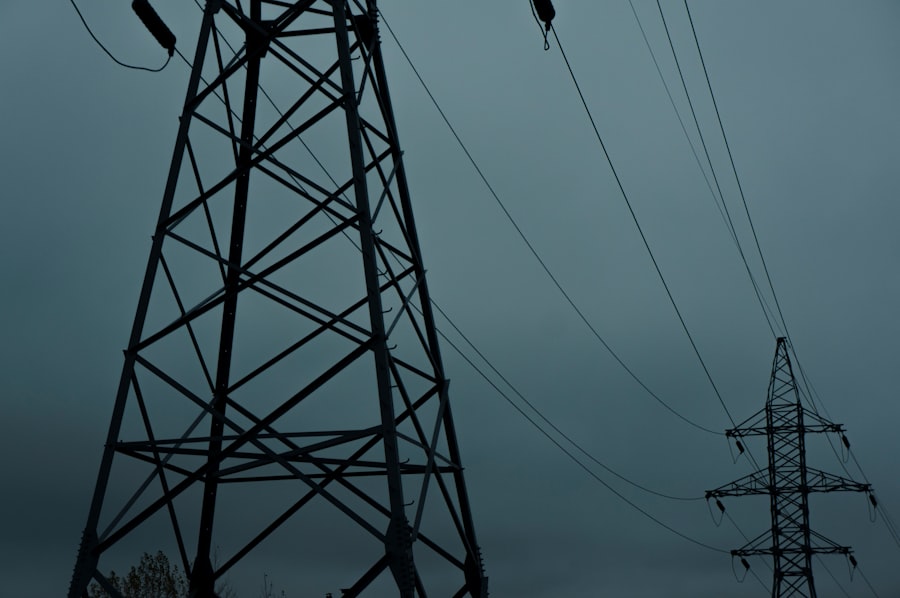
Maintenance is a critical component in preventing power grid cascading failures. Regular inspections and upkeep of equipment help ensure that all components function optimally and reduce the likelihood of unexpected failures. Utilities often implement preventive maintenance schedules that include routine checks on transformers, circuit breakers, and transmission lines to identify wear and tear before it leads to catastrophic failures.
Moreover, investing in infrastructure upgrades is essential for maintaining grid reliability. As technology advances and demand for electricity increases, older equipment may become inadequate for current needs. By replacing aging infrastructure with modern components designed for higher efficiency and reliability, utilities can significantly reduce the risk of cascading failures.
Strategies for Mitigating Power Grid Cascading Failures
Mitigating the risk of power grid cascading failures requires a multifaceted approach that encompasses technology, policy, and operational strategies. One effective strategy is the implementation of grid modernization initiatives that incorporate smart grid technologies. These advancements enable better monitoring and control of electricity flows while facilitating real-time communication between utilities and consumers.
Another key strategy involves enhancing coordination among various stakeholders within the energy sector. Improved communication between utilities, regulatory bodies, and emergency response teams ensures that all parties are prepared to respond effectively during crises. Establishing clear protocols for information sharing and collaboration can significantly enhance situational awareness and facilitate quicker responses to emerging threats.
The Importance of Resilience in Power Grid Design
Resilience is a fundamental principle in modern power grid design that emphasizes the ability to withstand and recover from disruptions. A resilient grid is one that can maintain service continuity even in the face of unexpected challenges such as natural disasters or equipment failures. To achieve this resilience, utilities must adopt design principles that prioritize redundancy and flexibility within their systems.
Incorporating distributed energy resources (DERs) such as solar panels and battery storage into grid design enhances resilience by diversifying energy sources and reducing reliance on centralized generation facilities. This diversification allows for localized energy production that can continue even when parts of the grid are compromised. Additionally, designing grids with self-healing capabilities enables them to automatically reroute power during outages, minimizing downtime for consumers.
The Role of Technology in Managing Power Grid Cascading Failures
Technology plays an increasingly vital role in managing power grid cascading failures by providing tools for monitoring, analysis, and response. Advanced analytics powered by artificial intelligence (AI) and machine learning algorithms enable utilities to predict potential failures based on historical data patterns and real-time conditions. These predictive capabilities allow operators to take proactive measures before issues escalate into larger problems.
Furthermore, automation technologies are transforming how grids operate by enabling faster response times during emergencies. Automated systems can quickly isolate faulty sections of the grid while rerouting power to unaffected areas, minimizing disruptions for consumers. As technology continues to evolve, its integration into grid management practices will be essential for enhancing reliability and reducing the risk of cascading failures.
The Economic and Social Implications of Power Grid Cascading Failures
The economic implications of power grid cascading failures are profound and far-reaching. Beyond immediate financial losses incurred by businesses during outages, there are long-term effects on economic growth and stability. Industries reliant on consistent electricity supply may relocate or downsize due to concerns over reliability, leading to job losses and reduced investment in affected regions.
Socially, cascading failures can exacerbate inequalities within communities. Vulnerable populations may lack access to backup power sources or resources needed to cope with extended outages. This disparity highlights the importance of equitable energy policies that ensure all communities have access to reliable electricity services.
Addressing these social implications requires collaboration between utilities, government agencies, and community organizations to develop comprehensive strategies that prioritize resilience for all citizens.
The Future of Power Grid Cascading Failure Management
The future of power grid cascading failure management will likely be shaped by ongoing advancements in technology and evolving regulatory frameworks. As renewable energy sources become more prevalent in electricity generation, managing their integration into existing grids will be crucial for maintaining stability. Innovations such as energy storage solutions will play a pivotal role in balancing supply and demand while enhancing resilience against potential disruptions.
Additionally, increased collaboration among international energy markets may lead to more robust strategies for managing cascading failures on a global scale. Sharing best practices and lessons learned from past incidents will foster greater preparedness across borders. As utilities continue to invest in modernization efforts and embrace new technologies, the focus will remain on creating resilient grids capable of withstanding future challenges while ensuring reliable service for all consumers.
One of the critical factors contributing to power grid cascading failures is the interdependence of various components within the system. For a deeper understanding of this issue, you can read the article on the topic at this link, which explores the complexities and potential solutions to enhance grid resilience.
WATCH THIS! The $500 Billion Bet: Why America’s Biggest Dam Is Guaranteed to Fail
FAQs
What is a power grid cascading failure?
A power grid cascading failure is a sequence of events in which an initial fault or disturbance in the electrical power system causes subsequent failures in other parts of the grid, leading to widespread outages or blackouts.
What are the common causes of cascading failures in power grids?
Common causes include equipment failures, natural disasters (such as storms or earthquakes), operator errors, cyberattacks, overloading of transmission lines, and inadequate system protection or maintenance.
How does an initial failure lead to a cascading effect?
An initial failure can cause overloads or imbalances in other parts of the grid. When these components become stressed beyond their limits, they may trip or fail, causing further disruptions that propagate through the network.
Can human error contribute to cascading failures?
Yes, human errors such as incorrect system operation, miscommunication, or delayed response to faults can exacerbate conditions that lead to cascading failures.
What role do natural disasters play in cascading failures?
Natural disasters can damage multiple components simultaneously, such as transmission lines and substations, triggering initial failures that cascade through the grid.
How can cascading failures be prevented or mitigated?
Preventive measures include regular maintenance, system upgrades, real-time monitoring, improved protection schemes, operator training, and implementing smart grid technologies to isolate faults quickly.
Are cascading failures common in modern power grids?
While modern grids are designed with safeguards, cascading failures can still occur, especially under extreme conditions or when multiple failures happen simultaneously.
What impact do cascading failures have on society?
Cascading failures can cause widespread power outages, affecting homes, businesses, healthcare, transportation, and critical infrastructure, leading to economic losses and safety risks.
Is cybersecurity a concern in preventing cascading failures?
Yes, cyberattacks targeting control systems can initiate or worsen cascading failures by disrupting grid operations or causing incorrect system responses.
How do grid operators respond to prevent cascading failures during an event?
Operators use real-time monitoring, automated protection systems, load shedding, and rerouting power flows to contain faults and prevent the spread of failures.