
Hydropower plays a crucial role in maintaining grid stability, serving as a reliable source of renewable energy that can be adjusted to meet fluctuating demand. As one of the oldest and most established forms of renewable energy, hydropower provides a significant portion of the electricity consumed worldwide. Its ability to generate power on demand makes it an essential component of the energy mix, particularly in regions where other renewable sources, such as solar and wind, may be intermittent.
The flexibility of hydropower plants allows them to ramp up production quickly during peak demand periods, ensuring that the grid remains stable and reliable.
These services are vital for maintaining the balance between electricity supply and demand, which is essential for preventing blackouts and ensuring the smooth operation of the electrical grid.
As the global energy landscape shifts towards greater reliance on renewable sources, the importance of hydropower in providing a stable foundation for the grid cannot be overstated. Its unique characteristics position it as a key player in the transition to a more sustainable energy future.
Key Takeaways
- Hydropower is crucial for maintaining grid stability but is vulnerable to drought conditions.
- Energy storage and demand response programs help offset reduced hydropower generation during droughts.
- Integrating diverse renewable energy sources can supplement hydropower and enhance grid reliability.
- Grid modernization and collaboration with other power plants improve the ability to manage hydropower shortages.
- Policy support and investment in advanced hydropower technologies are essential for future drought resilience.
The Impact of Drought on Hydropower Generation
Drought conditions can have a profound impact on hydropower generation, significantly reducing the availability of water resources needed to produce electricity. When water levels in reservoirs and rivers drop due to prolonged dry spells, hydropower plants face challenges in maintaining their output. This reduction in water availability not only affects the amount of electricity generated but also places additional strain on the overall energy grid, particularly in regions heavily reliant on hydropower for their energy needs.
The consequences of drought extend beyond immediate power generation issues; they can also lead to increased energy prices and heightened competition for water resources among various sectors, including agriculture and municipal water supply. As hydropower generation declines, utilities may be forced to turn to less environmentally friendly sources of energy, such as fossil fuels, to meet demand. This shift can exacerbate greenhouse gas emissions and undermine efforts to combat climate change.
Therefore, understanding the implications of drought on hydropower generation is essential for developing strategies to mitigate its effects and ensure a stable energy supply.
Strategies for Balancing Hydropower during Drought
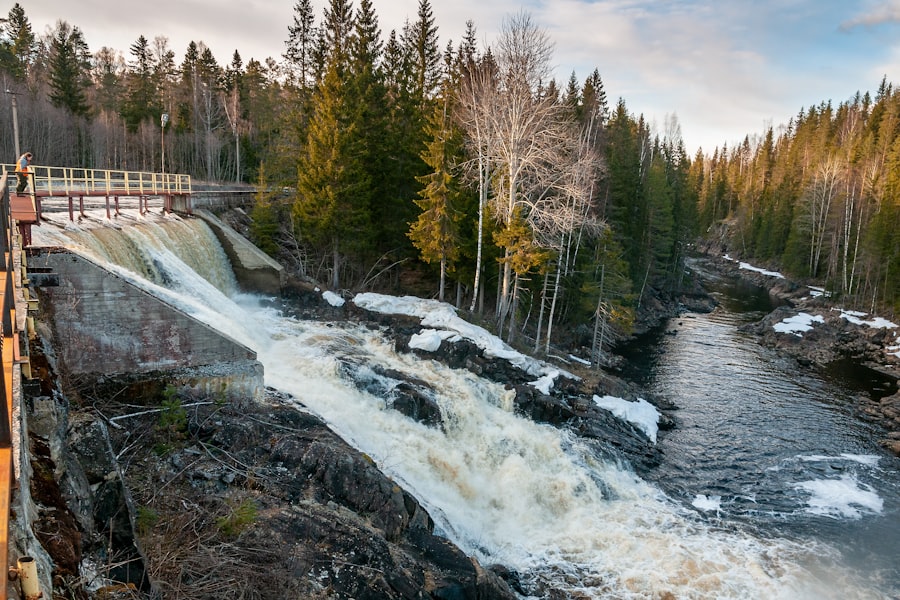
To address the challenges posed by drought on hydropower generation, various strategies can be implemented to balance supply and demand effectively. One approach involves optimizing water management practices within existing hydropower systems. By carefully monitoring water levels and adjusting reservoir operations, operators can maximize electricity production while ensuring that water resources are conserved for critical uses.
This proactive management can help mitigate the impacts of drought and maintain a more stable energy supply. Another strategy involves diversifying the energy portfolio by integrating complementary renewable energy sources. By combining hydropower with solar or wind energy, utilities can create a more resilient energy system that is less vulnerable to the fluctuations caused by drought.
For instance, solar power generation tends to peak during hot summer months when water levels may be low, providing an opportunity to offset reduced hydropower output. By employing a mix of renewable sources, utilities can enhance grid stability and reduce reliance on any single energy source.
Utilizing Energy Storage to Compensate for Reduced Hydropower
| Metric | Value | Unit | Description |
|---|---|---|---|
| Hydropower Capacity Reduction | 15 | GW | Estimated decrease in hydropower capacity due to drought or climate change |
| Energy Storage Capacity Installed | 10 | GW | New energy storage capacity added to compensate for hydropower loss |
| Storage Duration | 6 | Hours | Average duration energy storage systems can discharge at rated power |
| Round-trip Efficiency | 85 | % | Efficiency of energy storage systems in storing and releasing energy |
| Annual Energy Compensated | 45 | TWh | Amount of energy storage compensates for reduced hydropower annually |
| Peak Load Support | 5 | GW | Maximum power output from storage during peak demand periods |
| Carbon Emission Reduction | 12 | Million Tons CO2 | Estimated reduction in carbon emissions by using storage instead of fossil backup |
Energy storage technologies offer a promising solution for compensating for reduced hydropower generation during drought conditions. By storing excess energy produced during periods of high water availability or low demand, utilities can release this stored energy back into the grid when hydropower output is diminished. This capability not only helps maintain grid stability but also allows for greater flexibility in managing energy resources.
Various forms of energy storage are available, including batteries, pumped hydro storage, and flywheels. Each technology has its advantages and limitations, but collectively they provide a range of options for utilities seeking to enhance their resilience against drought-related challenges. For example, battery storage systems can respond rapidly to changes in demand, making them ideal for balancing short-term fluctuations in power supply.
On the other hand, pumped hydro storage can provide long-duration energy storage solutions that are particularly beneficial during extended drought periods.
Implementing Demand Response Programs to Manage Grid Stability
Demand response programs represent another effective strategy for managing grid stability in the face of reduced hydropower generation. These programs incentivize consumers to adjust their electricity usage during peak demand periods or when supply is constrained. By encouraging users to shift their consumption patterns, utilities can alleviate pressure on the grid and reduce the need for additional power generation from less sustainable sources.
Demand response initiatives can take various forms, from time-based pricing models that encourage off-peak usage to direct load control programs that allow utilities to temporarily reduce power consumption from specific appliances or systems. By engaging consumers in this way, utilities can create a more dynamic and responsive energy system that adapts to changing conditions. This not only helps maintain grid stability but also fosters greater awareness among consumers about their energy usage and its impact on the environment.
Integrating Renewable Energy Sources to Supplement Hydropower
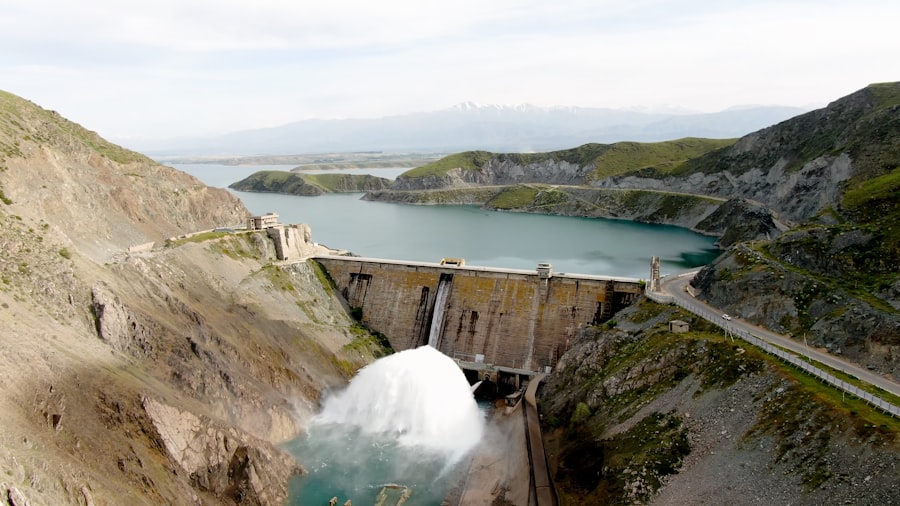
The integration of diverse renewable energy sources is essential for supplementing hydropower generation during drought conditions. As reliance on hydropower varies with water availability, incorporating other renewables such as solar and wind can provide a more balanced and resilient energy mix. These sources can complement hydropower by generating electricity during times when water levels are low, thus ensuring a continuous supply of clean energy.
Solar power, in particular, has seen significant advancements in technology and cost-effectiveness over recent years. Its ability to generate electricity during sunny days aligns well with peak demand periods in many regions, making it an ideal partner for hydropower. Wind energy also offers substantial potential, especially in areas where wind patterns are favorable.
By strategically deploying these renewable technologies alongside hydropower facilities, utilities can create a more robust energy system capable of withstanding the challenges posed by drought.
The Role of Grid Modernization in Balancing Hydropower
Grid modernization plays a pivotal role in enhancing the ability to balance hydropower generation with overall grid stability. Upgrading infrastructure and implementing advanced technologies can improve the efficiency and reliability of electricity distribution systems. Smart grid technologies enable real-time monitoring and control of energy flows, allowing utilities to respond quickly to changes in supply and demand.
Additionally, modernizing the grid facilitates better integration of renewable energy sources and energy storage solutions. Enhanced communication systems enable seamless coordination between different components of the energy network, optimizing resource allocation and minimizing waste. As utilities invest in grid modernization efforts, they position themselves to better manage the complexities associated with fluctuating hydropower output during drought conditions.
Collaborating with Other Power Plants to Compensate for Hydropower Shortages
Collaboration among different power plants is essential for compensating for hydropower shortages during droughts. By establishing partnerships between hydropower facilities and other types of power generation—such as natural gas plants or biomass facilities—utilities can create a more flexible and responsive energy system.
Such partnerships can also facilitate knowledge sharing and best practices among operators, leading to improved efficiency across the board. For instance, natural gas plants can quickly ramp up production when hydropower output declines due to drought conditions, providing a reliable backup source of electricity. By working together, different power plants can ensure that consumers continue to receive a stable supply of electricity even in challenging circumstances.
Policy and Regulatory Measures to Address Hydropower Challenges during Drought
Effective policy and regulatory measures are crucial for addressing the challenges faced by hydropower generation during drought conditions. Governments play a vital role in establishing frameworks that support sustainable water management practices and promote investment in renewable energy technologies. By creating incentives for utilities to diversify their energy portfolios and invest in energy storage solutions, policymakers can help mitigate the impacts of drought on hydropower generation.
Furthermore, regulations that encourage collaboration among different power producers can foster a more resilient energy system. By facilitating partnerships between hydropower facilities and other renewable sources or backup generation options, policymakers can enhance grid stability while promoting environmental sustainability. As climate change continues to exacerbate drought conditions globally, proactive policy measures will be essential for ensuring that hydropower remains a viable source of clean energy.
Investing in Research and Development for Advanced Hydropower Technologies
Investing in research and development (R&D) is critical for advancing hydropower technologies that can better withstand the challenges posed by drought conditions. Innovative solutions such as improved turbine designs, enhanced water management systems, and advanced forecasting tools can significantly increase the efficiency and resilience of hydropower generation. By prioritizing R&D efforts, stakeholders can unlock new potential within existing hydropower infrastructure while also exploring novel approaches to harnessing water resources.
Moreover, R&D initiatives can lead to breakthroughs in hybrid systems that combine hydropower with other renewable technologies or energy storage solutions. These advancements not only enhance overall system performance but also contribute to reducing greenhouse gas emissions associated with traditional power generation methods. As investments in R&D continue to grow, they will play an essential role in shaping the future landscape of hydropower amidst increasing climate variability.
The Future of Balancing Hydropower for Grid Stability Amid Drought
The future of balancing hydropower for grid stability amid drought conditions hinges on a multifaceted approach that incorporates technological innovation, policy support, and collaborative efforts among various stakeholders. As climate change continues to alter precipitation patterns and exacerbate droughts worldwide, it becomes increasingly important for utilities and policymakers to adapt their strategies accordingly. By embracing advancements in energy storage technologies, integrating diverse renewable sources, modernizing grid infrastructure, and fostering collaboration among power producers, stakeholders can create a more resilient energy system capable of navigating the complexities associated with fluctuating hydropower output.
The ongoing commitment to research and development will further enhance these efforts, ensuring that hydropower remains a cornerstone of sustainable energy production even in challenging environmental conditions. In conclusion, while drought poses significant challenges to hydropower generation and grid stability, proactive measures can be taken to mitigate its impacts effectively. Through strategic planning and collaboration across sectors, stakeholders can work together to ensure a reliable supply of clean energy that supports both current needs and future sustainability goals.
Drought conditions can significantly impact hydropower generation, leading to concerns about grid stability as reliance on this energy source increases. For a deeper understanding of how these factors interplay, you can read more in the article on MyGeoQuest, which discusses the implications of drought on hydropower and energy systems. Check it out here: MyGeoQuest.
WATCH THIS! The $500 Billion Bet: Why America’s Biggest Dam Is Guaranteed to Fail
FAQs
What is drought hydropower?
Drought hydropower refers to the generation of electricity from hydropower plants during periods of drought, when water levels in reservoirs and rivers are significantly reduced.
How does drought affect hydropower generation?
Drought reduces the availability of water needed to turn turbines in hydropower plants, leading to decreased electricity production and potential operational challenges.
Why is grid stability important in the context of hydropower?
Grid stability ensures a consistent and reliable supply of electricity. Since hydropower is a major renewable energy source, fluctuations in its output due to drought can impact the overall stability of the electrical grid.
What challenges do droughts pose to grid stability?
Droughts can cause reduced hydropower output, leading to supply shortages, increased reliance on alternative energy sources, and potential frequency and voltage fluctuations in the grid.
How can grid operators manage the impact of drought on hydropower?
Grid operators can diversify energy sources, implement demand response strategies, increase energy storage capacity, and improve forecasting to mitigate the effects of drought on hydropower generation.
Are there technological solutions to improve hydropower resilience during droughts?
Yes, technologies such as advanced water management systems, pumped storage, and integration with other renewable sources can help maintain hydropower output and grid stability during drought conditions.
What role does climate change play in drought and hydropower stability?
Climate change is increasing the frequency and severity of droughts in many regions, which poses greater risks to hydropower generation and challenges for maintaining grid stability.
Can hydropower plants operate during severe droughts?
In severe droughts, hydropower plants may operate at reduced capacity or temporarily shut down if water levels fall below operational thresholds.
How does reduced hydropower output affect electricity prices?
Reduced hydropower output can lead to higher electricity prices due to increased reliance on more expensive or less efficient energy sources to meet demand.
What strategies are being developed to ensure grid stability amid drought conditions?
Strategies include enhancing grid flexibility, investing in energy storage, improving interconnections between regions, and adopting smart grid technologies to better balance supply and demand.