
Drought is a natural phenomenon that can have profound effects on various sectors, particularly in regions where water resources are heavily relied upon for energy generation. Hydropower, which harnesses the energy of flowing water to produce electricity, is particularly vulnerable to the impacts of drought. When water levels in rivers and reservoirs drop due to prolonged dry spells, the capacity of hydropower plants to generate electricity diminishes significantly.
This reduction in water availability not only affects the output of existing hydropower facilities but also raises concerns about energy security and reliability in regions dependent on this renewable energy source. The implications of drought on hydropower generation extend beyond mere electricity production. As water levels decrease, the efficiency of turbines can be compromised, leading to increased operational costs and reduced profitability for energy producers.
Furthermore, the environmental consequences of drought can exacerbate the situation, as aquatic ecosystems may suffer from altered water flows and temperatures. This creates a complex interplay between energy needs and environmental stewardship, necessitating a deeper understanding of how drought conditions can disrupt hydropower generation and what measures can be taken to mitigate these effects.
Key Takeaways
- Drought significantly reduces hydropower generation, impacting overall energy supply and grid stability.
- Hydropower plays a crucial role in maintaining grid stability but faces operational challenges during drought conditions.
- Mitigation strategies include water management, diversifying energy sources, and technological innovations in hydropower.
- Integrating other renewable energy sources and international cooperation are essential to sustain grid stability during droughts.
- Policy frameworks and future technological advancements will be key to balancing hydropower and ensuring reliable energy in drought-prone regions.
The Role of Hydropower in Grid Stability
Hydropower plays a crucial role in maintaining grid stability, serving as a reliable source of baseload power that can be adjusted to meet fluctuating demand. Unlike some renewable energy sources, such as solar and wind, which are intermittent by nature, hydropower can provide a consistent and controllable output. This capability is particularly important during peak demand periods when electricity consumption surges.
By quickly ramping up generation, hydropower plants help stabilize the grid and prevent blackouts, ensuring that consumers have access to the electricity they need. Moreover, hydropower facilities often serve as a form of energy storage through pumped storage systems. During periods of low demand, excess electricity can be used to pump water back into reservoirs, which can then be released to generate power during high-demand periods.
This dual function enhances grid resilience and allows for better integration of variable renewable energy sources. However, the effectiveness of these systems can be compromised during drought conditions when water availability is limited, highlighting the need for strategic planning and management to ensure continued grid stability.
Challenges Faced by Hydropower Plants During Drought

Hydropower plants encounter a myriad of challenges during drought conditions that can hinder their operational efficiency and economic viability. One of the most pressing issues is the reduction in water flow, which directly impacts the amount of electricity that can be generated. As reservoirs deplete and river levels drop, plants may be forced to operate at reduced capacity or even temporarily shut down.
This not only affects revenue for plant operators but also places additional strain on the electrical grid as other sources must compensate for the lost hydropower generation. In addition to reduced water availability, drought can lead to increased competition for water resources among various sectors, including agriculture, municipal use, and industrial applications. This competition can result in regulatory restrictions on water usage for hydropower generation, further complicating the operational landscape for these facilities.
Environmental concerns also come into play, as lower water levels can negatively impact fish populations and other aquatic life, leading to potential legal challenges and public opposition against hydropower projects. These multifaceted challenges necessitate a comprehensive approach to managing hydropower resources during drought periods.
Strategies for Mitigating the Impact of Drought on Hydropower
| Strategy | Description | Key Metrics | Expected Impact |
|---|---|---|---|
| Water Storage Optimization | Enhancing reservoir capacity and managing water release schedules to maximize water availability during drought periods. | Reservoir capacity increase (%), Water retention time (days) | Improves water availability by up to 20%, stabilizes power generation during dry spells |
| Demand Response Management | Adjusting electricity demand patterns to reduce load during drought-induced low hydropower output. | Peak load reduction (%), Load shifting hours | Reduces peak demand by 15-25%, balances grid stability |
| Integration with Other Renewables | Combining hydropower with solar and wind energy to diversify energy sources and reduce reliance on water availability. | Renewable energy mix (%), Backup capacity (MW) | Increases renewable share by 10-30%, ensures continuous power supply |
| Advanced Forecasting and Monitoring | Using meteorological and hydrological data to predict droughts and optimize hydropower operations accordingly. | Forecast accuracy (%), Lead time (days) | Improves operational planning, reduces unexpected outages by 30% |
| Efficiency Improvements | Upgrading turbines and generators to operate efficiently at lower water flows. | Turbine efficiency increase (%), Minimum operational flow (m³/s) | Enhances power output by 10-15% during drought conditions |
| Water Use Prioritization | Allocating water resources preferentially to critical hydropower plants during droughts. | Water allocation ratio (%), Power generation priority index | Maximizes power generation at key facilities, reduces overall generation loss |
To address the challenges posed by drought on hydropower generation, several strategies can be employed to mitigate its impact. One effective approach is the implementation of advanced water management practices that optimize reservoir operations. By carefully monitoring weather patterns and water inflows, operators can make informed decisions about water releases and storage levels, ensuring that hydropower generation remains viable even during dry spells.
This proactive management can help balance energy production with ecological considerations, promoting sustainability. Another strategy involves diversifying energy portfolios to reduce reliance on hydropower alone. By integrating other renewable energy sources such as wind and solar into the energy mix, utilities can create a more resilient grid that is less susceptible to the fluctuations caused by drought.
Additionally, investing in energy efficiency measures can help reduce overall demand for electricity, alleviating some pressure on hydropower resources during critical periods. These combined efforts not only enhance the resilience of hydropower generation but also contribute to a more sustainable energy future.
Balancing Hydropower and Other Energy Sources During Drought
The challenge of balancing hydropower with other energy sources becomes particularly pronounced during drought conditions. As hydropower generation declines due to reduced water availability, utilities must turn to alternative sources to meet consumer demand. This often means increasing reliance on fossil fuels or other non-renewable energy sources, which can undermine efforts to reduce greenhouse gas emissions and combat climate change.
Therefore, finding an equilibrium between hydropower and other forms of energy generation is essential for maintaining both grid stability and environmental integrity. To achieve this balance, policymakers and energy planners must prioritize investments in a diverse energy portfolio that includes a mix of renewables and storage technologies. By fostering an environment conducive to innovation and collaboration among different energy sectors, stakeholders can develop solutions that enhance grid reliability while minimizing environmental impacts.
Additionally, public awareness campaigns can help educate consumers about the importance of energy conservation during drought periods, encouraging responsible usage patterns that support overall grid stability.
Innovations in Hydropower Technology to Address Drought Challenges
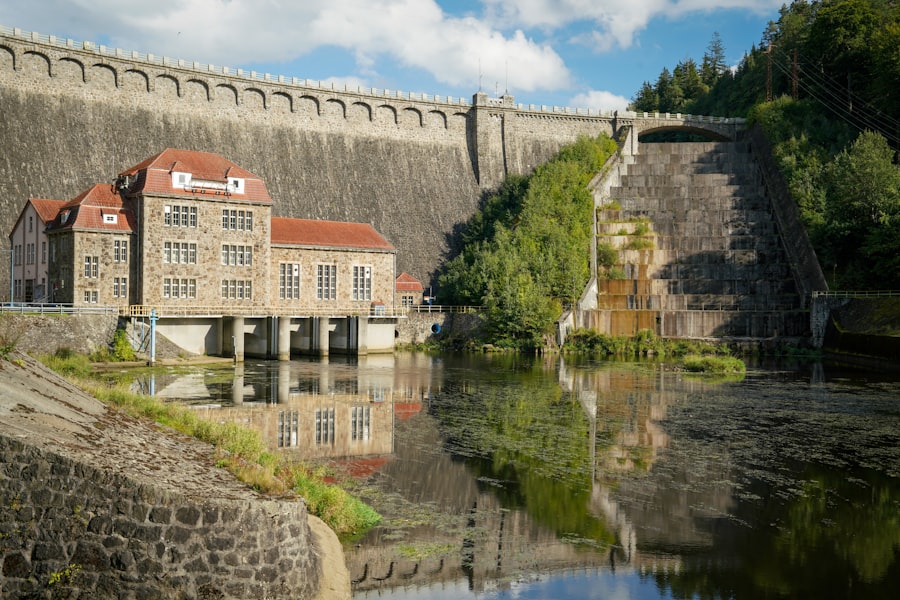
As the challenges posed by drought become increasingly apparent, innovations in hydropower technology are emerging as potential solutions to enhance resilience and efficiency. One notable advancement is the development of small-scale hydropower systems that can operate effectively in low-flow conditions. These systems are designed to harness energy from smaller streams or rivers that may not have been previously considered viable for traditional hydropower generation.
By diversifying the types of hydropower technologies available, operators can better adapt to changing water availability. Additionally, advancements in turbine design and materials are enabling hydropower plants to operate more efficiently under varying flow conditions. Modern turbines are being engineered to extract energy from lower water velocities while maintaining high efficiency levels.
This innovation not only improves overall generation capacity during droughts but also reduces wear and tear on equipment, extending the lifespan of hydropower facilities. As these technologies continue to evolve, they hold promise for addressing some of the most pressing challenges faced by hydropower generation in drought-prone regions.
The Importance of Grid Stability in the Face of Drought
Grid stability is paramount in ensuring a reliable supply of electricity, especially during periods of drought when traditional sources like hydropower may falter. A stable grid is essential for maintaining economic activity and supporting essential services such as healthcare and public safety.
This may involve activating backup power sources or implementing demand response programs that encourage consumers to reduce their electricity usage during peak times. Moreover, grid stability is closely linked to public confidence in the energy system. Frequent outages or fluctuations in power supply can erode trust among consumers and businesses alike, leading to calls for increased investment in alternative energy sources or infrastructure improvements.
Therefore, maintaining grid stability during drought conditions is not only an operational necessity but also a vital component of fostering public support for renewable energy initiatives.
Integrating Renewable Energy Sources for Grid Stability During Drought
The integration of renewable energy sources into the grid is becoming increasingly important as climate change intensifies the frequency and severity of droughts. By diversifying the energy mix with solar, wind, and other renewables alongside hydropower, utilities can create a more resilient system capable of withstanding fluctuations in any single source due to environmental factors like drought. For instance, while solar power may be abundant during sunny days, it can complement hydropower generation during periods when water availability is low.
Furthermore, advancements in battery storage technology are enhancing the ability to store excess renewable energy generated during favorable conditions for use during times when demand peaks or when other sources are unavailable due to drought. This synergy between different renewable technologies not only bolsters grid stability but also supports broader efforts toward decarbonization and sustainability within the energy sector.
Policy and Regulatory Considerations for Hydropower and Grid Stability During Drought
Effective policy frameworks are essential for addressing the challenges faced by hydropower generation during drought conditions while ensuring grid stability. Policymakers must consider regulations that promote sustainable water management practices alongside energy production goals. This includes establishing guidelines for reservoir operations that prioritize both ecological health and energy needs during dry spells.
Regulatory bodies should also facilitate collaboration among stakeholders across sectors—utilities, environmental organizations, and government agencies—to develop comprehensive strategies that address both immediate challenges and long-term sustainability goals.
International Collaboration for Addressing Drought Challenges in Hydropower and Grid Stability
The global nature of climate change necessitates international collaboration in addressing drought challenges related to hydropower generation and grid stability. Countries facing similar issues can benefit from sharing best practices, technological innovations, and policy frameworks that have proven effective in mitigating drought impacts on their respective energy systems. Collaborative research initiatives can also help identify emerging trends and develop adaptive strategies tailored to specific regional contexts.
Furthermore, international partnerships can facilitate investment in cross-border renewable energy projects that enhance regional grid interconnections. By creating a more integrated energy landscape, countries can better manage fluctuations in supply due to localized drought conditions while promoting overall grid stability across larger geographic areas.
Future Outlook for Hydropower and Grid Stability in the Context of Drought
Looking ahead, the future of hydropower generation and grid stability will likely be shaped by ongoing climate change impacts and evolving technological advancements. As droughts become more frequent and severe due to shifting weather patterns, it will be imperative for stakeholders within the energy sector to adapt proactively. This may involve re-evaluating existing infrastructure investments or exploring new models for integrating diverse renewable sources into the grid.
Moreover, public awareness regarding climate resilience will continue to grow, prompting increased demand for sustainable practices within the energy sector. As consumers become more engaged with their energy choices, utilities will need to prioritize transparency and accountability in their operations while actively seeking innovative solutions that address both current challenges and future uncertainties related to drought impacts on hydropower generation and overall grid stability. In conclusion, while drought presents significant challenges for hydropower generation and grid stability, it also offers opportunities for innovation and collaboration across sectors.
By embracing new technologies, diversifying energy portfolios, and fostering international partnerships, stakeholders can work together toward a more resilient and sustainable energy future that effectively addresses the complexities posed by climate change.
Drought conditions can significantly impact hydropower generation, leading to concerns about grid stability as reliance on this energy source increases. For a deeper understanding of how these factors interplay, you can read more in the article on hydropower and its implications for energy stability during droughts at this link.
WATCH THIS! The $500 Billion Bet: Why America’s Biggest Dam Is Guaranteed to Fail
FAQs
What is drought hydropower?
Drought hydropower refers to the generation of electricity from hydropower plants during periods of drought, when water levels in reservoirs and rivers are significantly reduced. This can impact the amount of electricity produced due to lower water availability.
How does drought affect hydropower generation?
Drought reduces the inflow of water to hydropower reservoirs, leading to lower water levels and decreased hydraulic head. This results in reduced electricity generation capacity and can cause operational challenges for hydropower plants.
Why is grid stability important in the context of hydropower?
Grid stability ensures a continuous and reliable supply of electricity. Hydropower plants often provide flexible and renewable energy, helping to balance supply and demand. When hydropower output fluctuates due to drought, it can challenge grid stability.
What are the risks to grid stability during droughts?
During droughts, reduced hydropower output can lead to supply shortages, increased reliance on alternative energy sources, and potential frequency and voltage fluctuations. This can increase the risk of blackouts or the need for load shedding.
How can grid operators manage hydropower variability caused by drought?
Grid operators can manage variability by diversifying energy sources, using energy storage systems, implementing demand response programs, and coordinating with other power plants to maintain balance and reliability.
Are there technological solutions to mitigate drought impacts on hydropower?
Yes, solutions include advanced forecasting tools, improved reservoir management, upgrading turbines for efficiency at lower water levels, and integrating hybrid systems combining hydropower with solar or wind energy.
Can droughts lead to long-term changes in hydropower capacity?
Prolonged or frequent droughts can reduce the long-term reliability of hydropower resources, potentially leading to decreased capacity and the need for infrastructure adaptation or diversification of energy portfolios.
What role does climate change play in drought and hydropower stability?
Climate change is expected to increase the frequency and severity of droughts in many regions, posing challenges to hydropower generation and grid stability. This necessitates adaptive strategies for energy planning and infrastructure resilience.
Is hydropower still considered a reliable renewable energy source despite drought risks?
Yes, hydropower remains a key renewable energy source due to its flexibility and low emissions. However, its reliability can be affected by drought, so it is often complemented with other renewable sources and grid management strategies.
How do policymakers address the challenges of drought on hydropower and grid stability?
Policymakers promote integrated water and energy management, invest in infrastructure resilience, support research and development of adaptive technologies, and encourage diversification of energy sources to enhance grid stability during droughts.