
The power grid serves as the backbone of modern society, facilitating the transmission of electricity from generation sources to consumers. However, much of this infrastructure is aging and in dire need of attention. As the demand for electricity continues to rise, the existing power grid faces increasing strain, revealing vulnerabilities that could lead to widespread outages and inefficiencies.
The aging infrastructure not only threatens reliability but also poses significant challenges in terms of safety, economic viability, and environmental sustainability. Understanding the implications of an aging power grid is crucial for stakeholders, including policymakers, utility companies, and the general public. The urgency of addressing aging power grid infrastructure cannot be overstated.
Many components of the grid were constructed decades ago and have not been adequately maintained or upgraded to meet contemporary demands. This situation is exacerbated by the growing reliance on digital technologies and renewable energy sources, which require a more sophisticated and resilient grid. As society moves toward a more electrified future, the need for a robust and modernized power grid becomes increasingly critical.
The following sections will explore the multifaceted impacts of aging infrastructure on reliability, economic costs, environmental concerns, and potential solutions.
Key Takeaways
- Aging power grid infrastructure significantly threatens reliability and increases the risk of outages.
- Upgrading the grid faces technical, financial, and logistical challenges that complicate modernization efforts.
- Economic and environmental costs of maintaining outdated infrastructure are substantial and growing.
- Technological innovations and renewable energy integration offer promising solutions to modernize the grid.
- Effective government policies, public awareness, and international collaboration are crucial for sustainable grid improvements.
The Impact of Aging Infrastructure on Power Grid Reliability
Aging power grid infrastructure significantly undermines the reliability of electricity supply. As components such as transformers, transmission lines, and substations deteriorate, the likelihood of failures increases. These failures can lead to blackouts that disrupt daily life, affecting homes, businesses, and essential services like hospitals and emergency response systems.
The frequency and duration of outages have been on the rise in many regions, prompting concerns about the grid’s ability to deliver consistent power. Moreover, the aging infrastructure is often ill-equipped to handle peak demand periods or extreme weather events. As climate change leads to more frequent and severe weather patterns, the vulnerabilities of an outdated grid become even more pronounced.
For instance, heavy storms can down power lines or damage substations, leading to prolonged outages that can take days or even weeks to resolve. The reliability of the power grid is not just a technical issue; it has profound implications for public safety and economic stability.
Challenges of Upgrading Aging Power Grid Infrastructure
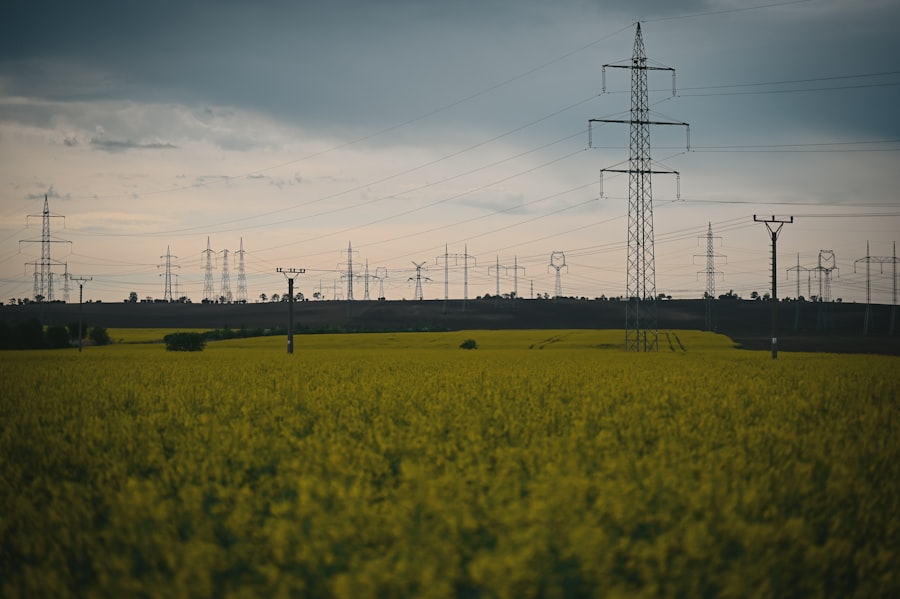
Upgrading aging power grid infrastructure presents a myriad of challenges that complicate efforts to enhance reliability and efficiency. One significant hurdle is the sheer scale of the task; many regions have extensive networks that require comprehensive assessments and upgrades. This process can be time-consuming and costly, often requiring significant investment from both public and private sectors.
Additionally, coordinating upgrades across various jurisdictions can lead to bureaucratic delays and complications. Another challenge lies in the integration of new technologies with existing systems. As utilities seek to modernize their grids with smart technologies and renewable energy sources, they must navigate compatibility issues with older infrastructure.
This integration requires not only financial resources but also skilled labor capable of managing complex systems. Furthermore, there is often resistance from stakeholders who may be hesitant to embrace change or invest in new technologies without clear evidence of their benefits.
The Economic Costs of Aging Power Grid Infrastructure
| Metric | Value | Unit | Description |
|---|---|---|---|
| Annual Maintenance Costs | 45 | Billion | Estimated yearly spending on maintaining aging grid infrastructure |
| Outage Frequency Increase | 20 | Percent | Increase in power outages due to aging equipment over the last decade |
| Economic Loss from Outages | 150 | Billion | Annual economic losses attributed to power outages and grid failures |
| Replacement Rate | 1.5 | Percent per year | Percentage of grid infrastructure replaced annually |
| Investment Needed for Modernization | 500 | Billion | Estimated total investment required to upgrade the aging grid |
| Average Age of Grid Components | 40 | Years | Average operational age of key grid infrastructure components |
The economic implications of aging power grid infrastructure are profound and far-reaching. Frequent outages and unreliable service can lead to significant financial losses for businesses and consumers alike. According to estimates, power outages cost the U.S.
economy billions of dollars each year in lost productivity and revenue.
Moreover, the costs associated with maintaining outdated infrastructure can be exorbitant.
Utilities often find themselves pouring money into repairs rather than investing in modernization efforts that could yield long-term benefits. This cycle of reactive maintenance can strain budgets and limit the ability to innovate or improve service quality. Ultimately, the economic burden of an aging power grid extends beyond immediate repair costs; it can stifle growth and hinder competitiveness in an increasingly electrified global economy.
The Environmental Impacts of Aging Power Grid Infrastructure
The environmental consequences of aging power grid infrastructure are significant and multifaceted. Older systems are often less efficient, leading to higher greenhouse gas emissions per unit of electricity generated. As utilities struggle to maintain aging equipment, they may rely on fossil fuel-based power sources that contribute to climate change and air pollution.
This reliance not only exacerbates environmental degradation but also undermines efforts to transition toward cleaner energy solutions. Additionally, aging infrastructure can lead to increased energy losses during transmission and distribution. Inefficiencies in the grid result in wasted energy that could otherwise be harnessed for productive use.
This waste not only represents a loss of valuable resources but also contributes to higher emissions from power plants that must compensate for these losses by generating additional electricity. Addressing these environmental impacts requires a concerted effort to modernize the grid while prioritizing sustainability and efficiency.
Technological Innovations to Address Aging Power Grid Infrastructure
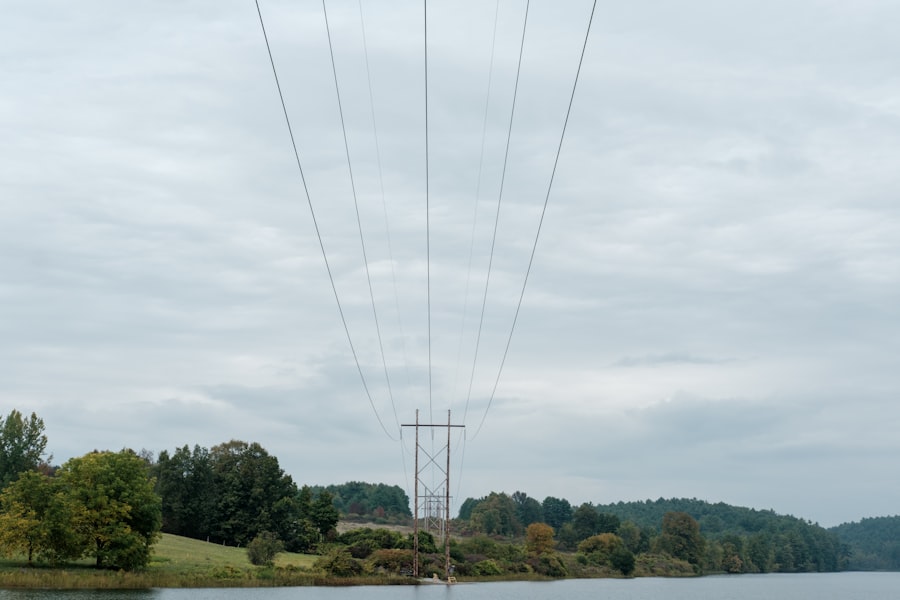
Technological innovations hold great promise for addressing the challenges posed by aging power grid infrastructure. Smart grid technologies, which incorporate digital communication and automation, can enhance monitoring and control capabilities across the grid. These advancements allow utilities to detect issues in real-time, enabling quicker responses to outages and reducing downtime for consumers.
Furthermore, smart grids facilitate better integration of renewable energy sources, making it easier to manage fluctuations in supply and demand. Energy storage solutions also play a crucial role in modernizing the power grid. By storing excess energy generated during low-demand periods, utilities can release it during peak times, alleviating stress on the system.
This capability not only enhances reliability but also supports the integration of intermittent renewable sources like solar and wind power. As these technologies continue to evolve, they offer a pathway toward a more resilient and efficient power grid that can meet the demands of a changing energy landscape.
Government Policies and Regulations to Address Aging Power Grid Infrastructure
Government policies and regulations are essential in addressing the challenges associated with aging power grid infrastructure. Policymakers play a critical role in establishing frameworks that encourage investment in modernization efforts while ensuring that utilities prioritize reliability and sustainability. Incentives for upgrading infrastructure can stimulate private sector investment, fostering innovation and collaboration between public entities and utility companies.
Moreover, regulations that promote transparency and accountability can help ensure that utilities are held responsible for maintaining reliable service. By implementing performance standards and requiring regular assessments of infrastructure conditions, governments can create a more proactive approach to managing aging assets. Additionally, public funding for research and development initiatives can support technological advancements that address infrastructure challenges while promoting clean energy solutions.
The Role of Renewable Energy in Mitigating Aging Power Grid Infrastructure
Renewable energy sources play a pivotal role in mitigating some of the challenges posed by aging power grid infrastructure. As utilities increasingly incorporate solar, wind, and other renewable technologies into their energy mix, they can reduce reliance on outdated fossil fuel-based systems that contribute to inefficiencies and environmental harm. The decentralized nature of many renewable energy sources also enhances grid resilience by diversifying supply options.
Furthermore, renewable energy technologies often come equipped with advanced monitoring and control systems that can improve overall grid management. For instance, distributed energy resources (DERs) allow for localized generation and consumption of electricity, reducing transmission losses associated with long-distance transport. By embracing renewable energy solutions alongside modernization efforts, utilities can create a more sustainable and reliable power grid that meets contemporary demands while addressing environmental concerns.
The Importance of Public Awareness and Education about Aging Power Grid Infrastructure
Public awareness and education are vital components in addressing the challenges posed by aging power grid infrastructure. Many consumers remain unaware of the complexities involved in electricity delivery or the implications of an outdated grid on their daily lives. By fostering greater understanding among the public, stakeholders can encourage support for necessary investments in modernization efforts.
Educational initiatives can also empower consumers to make informed choices about their energy use and advocate for sustainable practices within their communities. Engaging citizens in discussions about energy policy can lead to increased demand for transparency from utility companies and government entities alike. Ultimately, an informed public is better equipped to participate in conversations about energy resilience and sustainability.
International Perspectives on Aging Power Grid Infrastructure
International perspectives on aging power grid infrastructure reveal a shared recognition of its importance across different regions. Countries around the world face similar challenges related to outdated systems, rising demand for electricity, and the need for modernization. However, approaches to addressing these issues vary widely based on local contexts, regulatory frameworks, and available resources.
Some nations have made significant strides in investing in smart grid technologies and renewable energy integration as part of their efforts to modernize infrastructure. For instance, countries like Germany have prioritized renewable energy development through policies that incentivize clean technology adoption while simultaneously upgrading their grids for enhanced reliability. By examining successful international models, other regions can glean valuable insights into effective strategies for addressing aging power grid infrastructure.
Conclusion and Call to Action for Addressing Aging Power Grid Infrastructure
In conclusion, addressing aging power grid infrastructure is an urgent priority that requires collective action from all stakeholders involved—governments, utility companies, businesses, and consumers alike. The implications of neglecting this issue extend beyond mere inconvenience; they encompass economic stability, environmental sustainability, and public safety. As society continues to evolve toward a more electrified future, it is imperative that investments are made in modernizing our power grids.
A call to action is necessary: policymakers must prioritize funding for infrastructure upgrades while fostering collaboration between public entities and private sectors. Utility companies should embrace technological innovations that enhance reliability while integrating renewable energy sources into their operations. Finally, public awareness campaigns must educate citizens about the importance of a resilient power grid so they can advocate for necessary changes within their communities.
Together, these efforts can pave the way toward a more reliable, efficient, and sustainable power grid for generations to come.
The aging crisis of power grid infrastructure poses significant challenges to energy reliability and efficiency. As highlighted in a related article, the need for modernization and investment in renewable energy sources is more pressing than ever. For further insights on this critical issue, you can read more in the article available at this link.
WATCH THIS! The $500 Billion Bet: Why America’s Biggest Dam Is Guaranteed to Fail
FAQs
What is the power grid infrastructure aging crisis?
The power grid infrastructure aging crisis refers to the widespread deterioration and obsolescence of electrical grid components, such as transformers, transmission lines, and substations, due to decades of use without sufficient upgrades or replacements. This aging infrastructure can lead to increased failures, outages, and reduced reliability of electricity supply.
Why is the power grid infrastructure aging?
Much of the power grid infrastructure in many countries was built several decades ago and has exceeded or is nearing the end of its intended operational lifespan. Limited investment in modernization, increased demand, and environmental factors contribute to the accelerated aging of these components.
What are the risks associated with an aging power grid?
An aging power grid increases the risk of equipment failures, power outages, reduced efficiency, and vulnerability to extreme weather events. It can also hinder the integration of renewable energy sources and smart grid technologies, impacting overall energy security and reliability.
How does the aging power grid affect consumers?
Consumers may experience more frequent and prolonged power outages, voltage fluctuations, and higher electricity costs due to inefficiencies and maintenance needs. It can also limit access to advanced energy services and technologies.
What measures are being taken to address the aging power grid?
Utilities and governments are investing in grid modernization efforts, including upgrading equipment, implementing smart grid technologies, enhancing grid resilience, and increasing maintenance and monitoring. Policies and funding initiatives aim to support these improvements.
How does the aging power grid impact renewable energy integration?
An outdated grid may lack the flexibility and capacity to accommodate variable renewable energy sources like wind and solar. Modernizing the grid is essential to enable efficient energy flow, storage, and management necessary for a clean energy transition.
What role does technology play in solving the aging grid crisis?
Advanced technologies such as smart sensors, automated controls, energy storage, and grid management software help monitor grid health, predict failures, optimize performance, and facilitate the integration of distributed energy resources.
Is the aging power grid crisis a global issue?
Yes, many countries around the world face challenges related to aging power grid infrastructure, though the severity and specific issues vary depending on regional investment, climate, and energy policies.
How long can aging power grid components continue to operate safely?
The operational lifespan varies by component and maintenance practices, but many grid assets are designed for 30 to 50 years. Beyond this period, the risk of failure increases significantly without refurbishment or replacement.
What can consumers do to mitigate the impact of an aging power grid?
Consumers can invest in backup power solutions, energy-efficient appliances, and participate in demand response programs. Supporting policies and initiatives aimed at grid modernization can also contribute to long-term improvements.