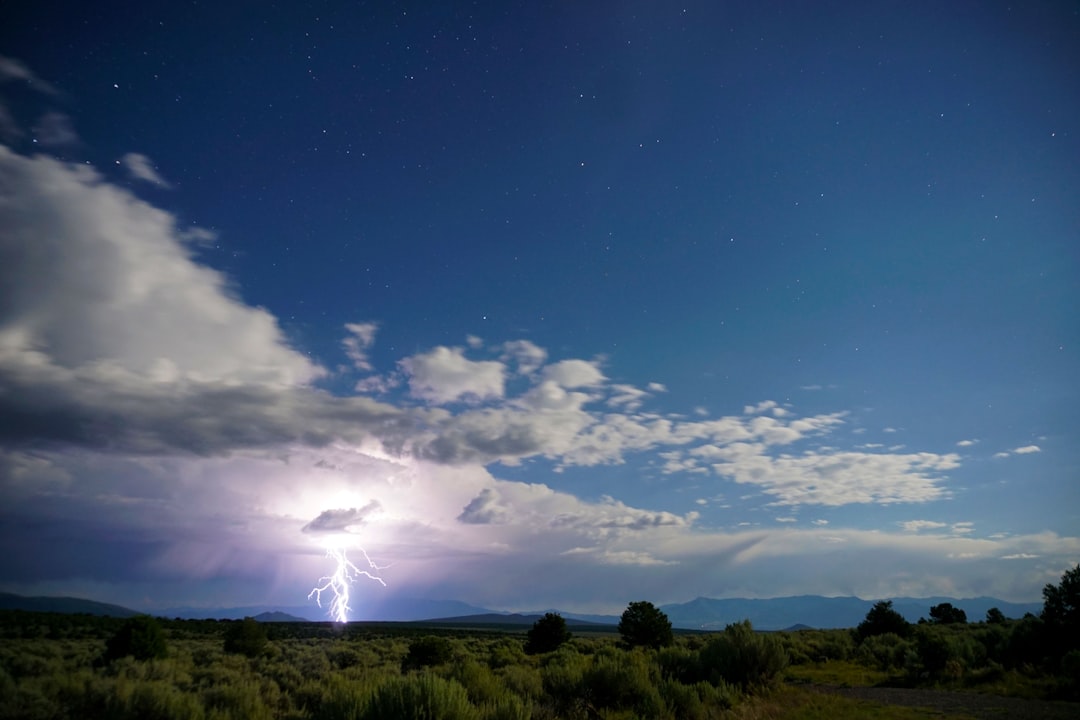
The sharing of geomagnetic storm data is crucial for understanding and mitigating the impacts of these natural phenomena on technology and society. Geomagnetic storms, which are disturbances in the Earth’s magnetosphere caused by solar wind and solar flares, can have far-reaching effects on satellite operations, power grids, and communication systems. By sharing data related to these storms, researchers and organizations can enhance their predictive capabilities, leading to better preparedness and response strategies.
The collaborative nature of data sharing fosters a more comprehensive understanding of geomagnetic storms, allowing scientists to analyze patterns and trends that may not be evident when data is siloed within individual institutions. Moreover, the importance of data sharing extends beyond scientific inquiry; it also plays a vital role in public safety and infrastructure resilience. For instance, power companies can utilize shared geomagnetic storm data to develop more robust systems that can withstand the effects of solar activity.
Similarly, aviation authorities can benefit from real-time data to adjust flight paths and ensure passenger safety during periods of heightened geomagnetic activity. In essence, the collaborative sharing of geomagnetic storm data not only advances scientific knowledge but also serves as a critical tool for safeguarding technological infrastructure and public welfare.
Key Takeaways
- Sharing geomagnetic storm data is crucial for improving space weather forecasting and mitigating its impacts.
- International collaboration and standardized data protocols enhance the quality and accessibility of geomagnetic storm information.
- Open access to geomagnetic storm data fosters innovation and supports global research efforts.
- Overcoming challenges like data privacy, technical barriers, and inconsistent formats requires coordinated strategies and government support.
- Emerging tools and platforms are streamlining data sharing, with future efforts focusing on ethical considerations and expanded global cooperation.
Current Challenges in Geomagnetic Storm Data Sharing
Despite the recognized importance of sharing geomagnetic storm data, several challenges hinder effective collaboration among researchers and institutions. One significant barrier is the lack of standardized protocols for data collection and dissemination. Different organizations may employ varying methodologies, leading to inconsistencies in the data that can complicate analysis and interpretation.
This lack of uniformity can create confusion among researchers who rely on accurate and comparable datasets to draw meaningful conclusions about geomagnetic storms. Another challenge lies in the accessibility of data.
Additionally, technical barriers such as incompatible data formats or insufficient infrastructure for data sharing can further impede collaboration. These challenges highlight the need for a concerted effort to establish clear guidelines and frameworks that facilitate the seamless exchange of geomagnetic storm data among researchers, institutions, and governments.
Best Practices for Geomagnetic Storm Data Sharing

To overcome the challenges associated with geomagnetic storm data sharing, several best practices can be implemented. First and foremost, establishing standardized protocols for data collection and sharing is essential. By creating a common framework that outlines how data should be collected, formatted, and shared, researchers can ensure that their findings are compatible with those of others in the field.
This standardization not only enhances the quality of the data but also promotes collaboration by making it easier for researchers to access and utilize shared datasets. Additionally, fostering a culture of openness and collaboration within the scientific community is vital. Researchers should be encouraged to share their findings and datasets openly, with an emphasis on transparency and reproducibility.
This can be achieved through workshops, conferences, and online platforms that promote knowledge exchange and collaboration among scientists working on geomagnetic storms. By prioritizing open communication and collaboration, the scientific community can work together more effectively to advance understanding of geomagnetic storms and their impacts.
The Role of International Collaboration in Geomagnetic Storm Data Sharing
| Metric | Description | Value/Example | Impact on Collaboration |
|---|---|---|---|
| Number of Participating Countries | Countries involved in geomagnetic storm data sharing networks | 25+ | Enhances data diversity and coverage |
| Data Sharing Frequency | How often geomagnetic data is exchanged | Real-time to daily updates | Improves timely storm prediction and response |
| Data Types Shared | Types of geomagnetic data exchanged | Magnetometer readings, solar wind parameters, indices (Kp, Dst) | Provides comprehensive storm analysis |
| Joint Research Publications | Number of collaborative papers published annually | 50+ | Advances scientific understanding and innovation |
| Data Accessibility | Level of openness of shared data | Open access with some restricted datasets | Facilitates wider scientific and operational use |
| Response Time to Storm Events | Time taken to disseminate alerts internationally | Within minutes to 1 hour | Critical for mitigating storm impacts globally |
| Funding for Collaborative Projects | Annual budget allocated to international geomagnetic collaborations | Varies by program, typically multi-million USD | Supports infrastructure and data sharing platforms |
International collaboration plays a pivotal role in enhancing geomagnetic storm data sharing efforts. Given that geomagnetic storms are global phenomena that can affect multiple countries simultaneously, a coordinated international approach is essential for effective monitoring and response. Collaborative initiatives such as the International Space Weather Initiative (ISWI) bring together scientists from various countries to share data, research findings, and best practices related to space weather phenomena, including geomagnetic storms.
Furthermore, international partnerships can facilitate the development of shared databases and platforms that allow researchers from different countries to access real-time geomagnetic storm data. These collaborative efforts not only enhance the quality of research but also promote a sense of global responsibility in addressing the challenges posed by geomagnetic storms. By working together across borders, scientists can leverage diverse expertise and resources to improve predictive models and develop more effective mitigation strategies.
Tools and Platforms for Geomagnetic Storm Data Sharing
The advancement of technology has led to the development of various tools and platforms designed to facilitate geomagnetic storm data sharing. Online repositories such as the NASA Space Weather Database offer researchers access to a wealth of historical and real-time data related to geomagnetic storms. These platforms enable scientists to upload their datasets, making them accessible to a broader audience while also allowing users to search for specific information relevant to their research.
In addition to repositories, collaborative platforms such as GitHub provide researchers with tools for version control and collaborative coding, enabling them to work together on projects related to geomagnetic storm analysis. These platforms foster an environment where scientists can share code, algorithms, and methodologies, further enhancing the collaborative nature of geomagnetic storm research. By utilizing these tools effectively, researchers can streamline their workflows and improve the overall efficiency of data sharing efforts.
Data Standardization and Quality Control in Geomagnetic Storm Data Sharing
Data standardization is a critical component of effective geomagnetic storm data sharing. Without standardized formats and protocols, researchers may struggle to integrate datasets from different sources or may encounter discrepancies that hinder their analyses. Establishing clear guidelines for data collection, storage, and sharing is essential for ensuring that datasets are compatible and reliable.
This standardization process should involve input from a diverse range of stakeholders, including scientists, data managers, and policymakers. Quality control measures are equally important in maintaining the integrity of shared geomagnetic storm data. Implementing rigorous validation processes can help identify errors or inconsistencies in datasets before they are shared with the broader community.
Peer review mechanisms can also be established to ensure that shared datasets meet established quality standards. By prioritizing both standardization and quality control, researchers can enhance the reliability of shared geomagnetic storm data, ultimately leading to more accurate analyses and predictions.
Benefits of Open Access to Geomagnetic Storm Data
Open access to geomagnetic storm data offers numerous benefits for researchers, policymakers, and society at large. By making datasets freely available, researchers can foster innovation and collaboration within the scientific community. Open access allows scientists from diverse backgrounds to contribute their expertise and insights, leading to more comprehensive analyses and a deeper understanding of geomagnetic storms.
Moreover, open access promotes transparency in research practices. When datasets are publicly available, it becomes easier for other researchers to verify findings or build upon existing work. This transparency not only enhances the credibility of scientific research but also encourages a culture of accountability within the scientific community.
Ultimately, open access to geomagnetic storm data empowers researchers to make informed decisions that can lead to improved preparedness and response strategies for mitigating the impacts of these natural phenomena.
Strategies for Overcoming Data Sharing Barriers in Geomagnetic Storm Research
To effectively address barriers to geomagnetic storm data sharing, several strategies can be employed. First, fostering a culture of collaboration within the scientific community is essential. Researchers should be encouraged to view data sharing as a collective responsibility rather than an individual endeavor.
Initiatives such as mentorship programs or collaborative research projects can help build relationships among scientists and promote a sense of shared purpose in advancing knowledge about geomagnetic storms. Additionally, addressing concerns related to intellectual property rights is crucial for encouraging data sharing. Institutions should develop clear policies that outline how shared data will be used and attributed, alleviating fears about potential misuse or misrepresentation.
Providing incentives for researchers who share their datasets—such as recognition in publications or funding opportunities—can also motivate scientists to contribute their work to the broader community.
The Role of Government Agencies in Facilitating Geomagnetic Storm Data Sharing
Government agencies play a vital role in facilitating geomagnetic storm data sharing by providing funding, resources, and infrastructure necessary for effective collaboration. Agencies such as NASA and NOAA have established programs dedicated to monitoring space weather phenomena, including geomagnetic storms. By investing in research initiatives and supporting collaborative projects among institutions, these agencies can help create an environment conducive to data sharing.
Furthermore, government agencies can serve as intermediaries between researchers and policymakers by translating scientific findings into actionable recommendations for public safety and infrastructure resilience. By promoting awareness of the impacts of geomagnetic storms on critical systems—such as power grids or communication networks—government agencies can encourage stakeholders to prioritize data sharing efforts that enhance preparedness and response capabilities.
Ethical Considerations in Geomagnetic Storm Data Sharing
As with any scientific endeavor, ethical considerations must be taken into account when sharing geomagnetic storm data. Researchers must ensure that their practices align with principles of transparency, integrity, and respect for intellectual property rights. This includes properly attributing sources when utilizing shared datasets and being mindful of how shared information may impact vulnerable communities or ecosystems.
Additionally, ethical considerations extend beyond individual research practices; they also encompass broader societal implications. Researchers should consider how their findings may influence public policy or industry practices related to geomagnetic storm preparedness. Engaging with stakeholders—including policymakers, industry representatives, and affected communities—can help ensure that research efforts are aligned with societal needs while promoting responsible use of shared data.
Future Directions in Geomagnetic Storm Data Sharing and Collaboration
Looking ahead, the future of geomagnetic storm data sharing will likely be shaped by advancements in technology and evolving collaborative practices within the scientific community.
Moreover, fostering international collaborations will remain essential for addressing global challenges posed by these phenomena.
Initiatives aimed at building partnerships among countries will facilitate knowledge exchange while promoting standardized practices for data collection and sharing. By prioritizing collaboration over competition within the scientific community, researchers can work together more effectively toward common goals related to understanding and mitigating the impacts of geomagnetic storms on society. In conclusion, effective geomagnetic storm data sharing is vital for advancing scientific knowledge while enhancing public safety and infrastructure resilience.
By addressing current challenges through best practices, international collaboration, technological advancements, ethical considerations, and government support, researchers can create a more robust framework for understanding these complex natural phenomena. The future holds great promise for improved collaboration in this field—one that will ultimately benefit society as a whole by fostering greater preparedness against the impacts of geomagnetic storms.
In recent discussions about the importance of geomagnetic storm data sharing utilities, a relevant article can be found at this link. This article delves into the various platforms and technologies that facilitate the exchange of geomagnetic data, highlighting their significance in enhancing our understanding of space weather phenomena and their potential impacts on Earth.
WATCH THIS! The $500 Billion Bet: Why America’s Biggest Dam Is Guaranteed to Fail
FAQs
What are geomagnetic storm data sharing utilities?
Geomagnetic storm data sharing utilities are software tools or platforms designed to collect, process, and distribute data related to geomagnetic storms. These utilities facilitate the exchange of information among researchers, meteorologists, and space weather monitoring agencies.
Why is sharing geomagnetic storm data important?
Sharing geomagnetic storm data is crucial for improving the understanding of space weather phenomena, enhancing forecasting accuracy, and mitigating the impact of geomagnetic storms on communication systems, power grids, and satellite operations.
What types of data are shared through these utilities?
Data shared typically include measurements of geomagnetic field variations, solar wind parameters, indices like Kp and Dst, satellite observations, and real-time alerts about geomagnetic storm activity.
Who uses geomagnetic storm data sharing utilities?
Users include space weather researchers, government agencies, power grid operators, satellite communication companies, and academic institutions involved in space weather studies.
Are geomagnetic storm data sharing utilities publicly accessible?
Many geomagnetic storm data sharing platforms are publicly accessible to promote collaboration and transparency, though some specialized tools may require subscriptions or institutional access.
How do these utilities improve geomagnetic storm forecasting?
By aggregating and sharing real-time and historical data from multiple sources, these utilities enable more accurate modeling and prediction of geomagnetic storm events, allowing for timely warnings and preparedness.
What are common sources of geomagnetic storm data?
Common sources include ground-based magnetometer networks, space-based satellites like NOAA’s GOES and NASA’s ACE, and international space weather monitoring organizations.
Can these utilities integrate data from different countries?
Yes, many geomagnetic storm data sharing utilities are designed to integrate and standardize data from international sources to provide a comprehensive global view of geomagnetic activity.
What challenges exist in geomagnetic storm data sharing?
Challenges include data standardization, real-time data transmission, ensuring data accuracy, and coordinating between multiple agencies and countries with varying data policies.
How can one access geomagnetic storm data for research?
Researchers can access data through online portals provided by space weather agencies, scientific databases, and dedicated geomagnetic storm data sharing utilities, often after registering or agreeing to data use policies.