
Natural cycles, encompassing a range of phenomena from seasonal changes to solar activity, play a crucial role in the functioning and stability of power grids worldwide. These intricate systems, designed to deliver electricity from generation sources to consumers, are not immune to the influences of the environment. As the demand for electricity continues to rise, understanding the interplay between natural cycles and power grids becomes increasingly vital.
The resilience of these grids is tested not only by human factors but also by the unpredictable forces of nature. Power grids are complex networks that rely on a delicate balance between supply and demand. They are designed to operate under specific conditions, but when natural cycles disrupt this equilibrium, the consequences can be severe.
From extreme weather events to solar flares, the challenges posed by these natural phenomena necessitate a comprehensive understanding of their effects on power infrastructure.
Key Takeaways
- Natural cycles like weather patterns, solar activity, and seasonal changes significantly impact power grid stability.
- Extreme natural events such as hurricanes, earthquakes, and geomagnetic storms can cause major power grid failures.
- Climate change is increasing the frequency and severity of natural disruptions, challenging grid resilience.
- Predictive technologies and strategic planning are essential for mitigating natural cycle effects on power grids.
- Building resilient power grids requires integrating advanced monitoring, historical insights, and adaptive infrastructure.
Understanding the Effects of Weather Patterns on Power Grids
Weather patterns significantly influence the operation of power grids, often leading to disruptions that can have far-reaching consequences. For instance, extreme temperatures can cause increased energy demand for heating or cooling, placing additional strain on electrical systems. In regions where summer heat waves are common, air conditioning units work overtime, leading to peak load conditions that can overwhelm grid capacity.
Conversely, during winter storms, ice accumulation on power lines can lead to outages and infrastructure damage. Moreover, precipitation patterns also play a critical role in power generation, particularly for hydroelectric plants that rely on consistent water flow. Drought conditions can diminish water levels in reservoirs, reducing the output of hydroelectric facilities and forcing reliance on alternative energy sources.
This shift can create imbalances in the grid, as operators scramble to meet demand with available resources. Understanding these weather-related dynamics is essential for grid operators to anticipate challenges and implement strategies that mitigate potential disruptions.
The Role of Solar Flares and Geomagnetic Storms in Power Grid Collapse
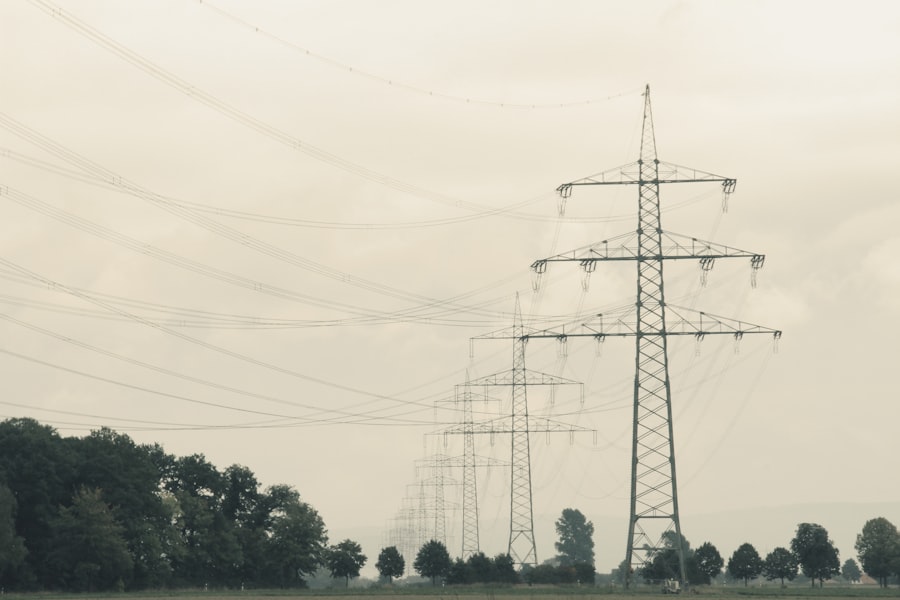
Solar flares and geomagnetic storms represent another layer of complexity in the relationship between natural cycles and power grids. These solar phenomena occur when the sun releases bursts of energy that can interact with Earth’s magnetic field. When such events occur, they can induce geomagnetic currents that disrupt electrical systems on the ground.
The impact of these disturbances can range from minor fluctuations in voltage to significant failures in transformers and other critical components of the power grid. The potential for widespread power outages due to solar activity has been documented in various instances throughout history. For example, the Carrington Event of 1859 is often cited as one of the most significant solar storms ever recorded, causing telegraph systems to fail across North America and Europe.
In modern times, as society’s reliance on electricity has grown exponentially, the stakes have become even higher. Grid operators must remain vigilant in monitoring solar activity and developing contingency plans to protect infrastructure from potential geomagnetic disruptions.
The Impact of Seasonal Changes on Power Grid Stability
| Season | Average Power Demand (MW) | Peak Load Time | Frequency of Grid Failures | Renewable Energy Contribution (%) | Temperature Range (°C) | Voltage Fluctuation Incidents |
|---|---|---|---|---|---|---|
| Winter | 8500 | 6 PM – 9 PM | 12 per month | 25 | -5 to 5 | 18 |
| Spring | 7200 | 4 PM – 7 PM | 5 per month | 40 | 10 to 20 | 7 |
| Summer | 9500 | 3 PM – 6 PM | 15 per month | 30 | 20 to 35 | 22 |
| Autumn | 7800 | 5 PM – 8 PM | 8 per month | 35 | 10 to 18 | 10 |
Seasonal changes bring about fluctuations in energy demand and supply that can challenge the stability of power grids. Each season presents unique characteristics that influence how electricity is generated and consumed. For instance, during winter months, increased heating needs lead to higher energy consumption, while summer months see spikes in demand due to air conditioning usage.
These seasonal variations require grid operators to adapt their strategies accordingly. In addition to demand fluctuations, seasonal changes also affect renewable energy generation. Solar power production typically peaks during summer months when sunlight is abundant, while wind energy generation may vary based on seasonal wind patterns.
This variability necessitates careful planning and resource allocation to ensure that supply meets demand throughout the year. By understanding these seasonal dynamics, grid operators can enhance their ability to maintain stability and reliability in power delivery.
How Natural Disasters such as Hurricanes and Earthquakes Affect Power Grids
Natural disasters pose some of the most significant threats to power grid infrastructure. Hurricanes, with their high winds and heavy rainfall, can cause extensive damage to transmission lines, substations, and other critical components of the grid. The aftermath of such storms often leaves entire regions without power for extended periods, highlighting the vulnerability of electrical systems to extreme weather events.
Similarly, earthquakes can lead to catastrophic failures in power infrastructure. Ground shaking can damage substations and transmission lines, while landslides may obstruct access to repair crews. The immediate impact of these disasters is compounded by the long-term recovery efforts required to restore power services.
As climate change increases the frequency and intensity of natural disasters, it becomes imperative for grid operators to develop robust strategies for disaster preparedness and response.
The Influence of Climate Change on Power Grid Resilience
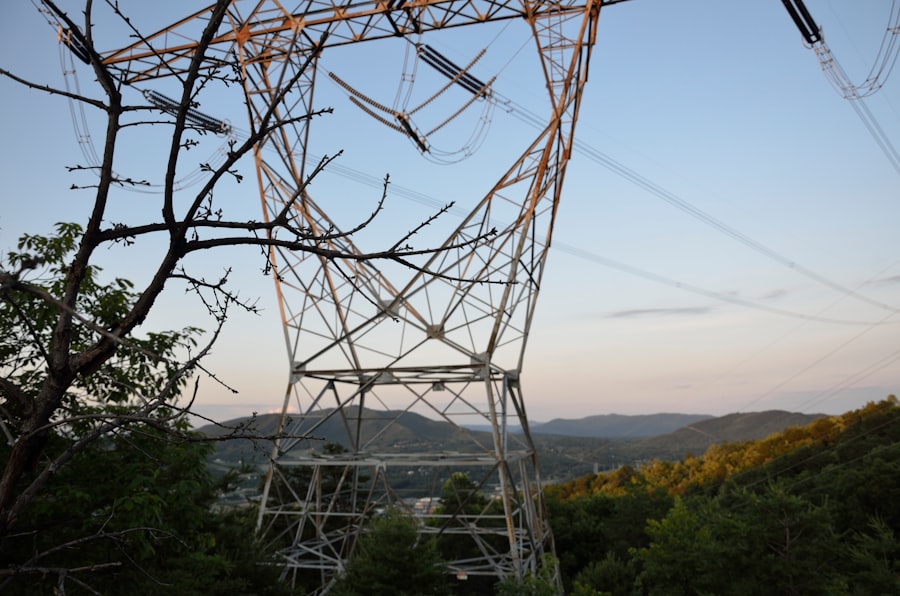
Climate change is reshaping weather patterns and increasing the frequency of extreme events, posing new challenges for power grid resilience. Rising global temperatures contribute to more intense heat waves, prolonged droughts, and severe storms—all of which can strain electrical systems beyond their designed capacities. As these changes become more pronounced, grid operators must adapt their strategies to ensure continued reliability.
Moreover, climate change impacts not only demand but also supply dynamics within power grids. Renewable energy sources such as wind and solar are particularly sensitive to changing climatic conditions. For instance, shifts in wind patterns may affect wind turbine efficiency, while prolonged droughts can reduce hydroelectric output.
To build resilience against these evolving challenges, it is essential for grid operators to invest in adaptive technologies and diversify energy sources.
The Importance of Predicting and Mitigating the Effects of Natural Cycles on Power Grids
Predicting and mitigating the effects of natural cycles on power grids is crucial for maintaining stability and reliability in electricity delivery. Advanced forecasting techniques can help grid operators anticipate changes in demand due to weather patterns or seasonal shifts. By leveraging data analytics and modeling tools, operators can make informed decisions about resource allocation and grid management.
In addition to forecasting demand fluctuations, proactive measures must be taken to strengthen infrastructure against potential disruptions caused by natural cycles. This includes investing in resilient technologies that can withstand extreme weather events or geomagnetic disturbances. By prioritizing both predictive capabilities and mitigation strategies, grid operators can enhance their ability to respond effectively to challenges posed by natural cycles.
Case Studies: Historical Power Grid Collapses Caused by Natural Cycles
Examining historical case studies provides valuable insights into how natural cycles have led to power grid collapses in the past. One notable example is the Northeast Blackout of 2003, which affected millions across several states in the U.S. The event was exacerbated by a combination of human error and environmental factors, including high temperatures that increased electricity demand during peak hours.
This incident underscored the importance of understanding how natural cycles interact with grid operations. Another significant case is the 1989 Quebec Blackout caused by a geomagnetic storm triggered by solar activity. The storm induced currents that overwhelmed transformers in Quebec’s power grid, leading to a massive outage that lasted for hours.
This event highlighted the vulnerability of electrical systems to solar phenomena and prompted further research into protective measures against geomagnetic disturbances.
Strategies for Building More Resilient Power Grids in the Face of Natural Cycles
To build more resilient power grids capable of withstanding the impacts of natural cycles, several strategies must be employed. First and foremost is investing in infrastructure upgrades that enhance durability against extreme weather events and seismic activity. This includes reinforcing transmission lines, upgrading substations with advanced technology, and implementing smart grid solutions that allow for real-time monitoring and response.
Additionally, diversifying energy sources is essential for resilience. By incorporating a mix of renewable energy technologies alongside traditional fossil fuels, grid operators can reduce dependence on any single source while enhancing overall stability. Furthermore, fostering collaboration between utilities, government agencies, and research institutions can facilitate knowledge sharing and innovation in developing adaptive strategies for future challenges.
The Role of Technology in Monitoring and Responding to Natural Cycle-Related Power Grid Issues
Technology plays a pivotal role in monitoring and responding to issues related to natural cycles affecting power grids. Advanced sensors and data analytics tools enable real-time monitoring of grid performance, allowing operators to detect anomalies before they escalate into significant problems. Predictive maintenance technologies can identify potential failures based on historical data trends, enabling proactive interventions that minimize downtime.
Moreover, automation technologies enhance response capabilities during emergencies caused by natural cycles. Smart grid systems can automatically reroute electricity during outages or adjust supply based on real-time demand fluctuations. By leveraging these technological advancements, grid operators can improve their resilience against disruptions while ensuring a reliable electricity supply for consumers.
The Future of Power Grid Resilience in the Context of Natural Cycles
As society continues to evolve alongside changing environmental conditions, the future of power grid resilience will depend on a multifaceted approach that addresses the challenges posed by natural cycles. By understanding the intricate relationships between weather patterns, solar activity, seasonal changes, and climate change impacts, grid operators can develop effective strategies for maintaining stability. Investing in infrastructure upgrades, diversifying energy sources, leveraging technology for monitoring and response, and fostering collaboration among stakeholders will be essential components of building resilient power grids capable of withstanding future challenges.
As natural cycles continue to shape our world, proactive measures will ensure that electricity remains a reliable resource for generations to come.
The stability of power grids is increasingly threatened by natural cycles, such as extreme weather events and seasonal changes. Understanding these patterns is crucial for developing strategies to mitigate the risk of grid collapse. For more insights on this topic, you can read the related article on natural cycles and their impact on energy systems at My Geo Quest.
WATCH THIS! The $500 Billion Bet: Why America’s Biggest Dam Is Guaranteed to Fail
FAQs
What is a power grid collapse?
A power grid collapse occurs when a significant portion of an electrical power system fails, leading to widespread outages and disruption of electricity supply.
How can natural cycles contribute to power grid collapse?
Natural cycles such as seasonal weather changes, solar activity, and climate patterns can impact power demand and supply, potentially stressing the grid and increasing the risk of collapse.
What are some examples of natural cycles affecting power grids?
Examples include heatwaves causing high electricity demand for cooling, cold spells increasing heating needs, and solar storms disrupting electrical infrastructure.
Can natural disasters cause power grid collapse?
Yes, natural disasters like hurricanes, earthquakes, and floods can damage power infrastructure and lead to grid failures.
How do power grids typically respond to natural cycle stresses?
Power grids use demand forecasting, infrastructure maintenance, and emergency protocols to manage fluctuations caused by natural cycles and prevent collapse.
Is climate change influencing the frequency of power grid collapses?
Climate change can intensify natural cycles and extreme weather events, potentially increasing the frequency and severity of power grid disruptions.
What measures can be taken to prevent power grid collapse due to natural cycles?
Measures include upgrading infrastructure, integrating renewable energy sources, improving grid management technologies, and enhancing emergency preparedness.
Are power grid collapses due to natural cycles predictable?
While some natural cycles are predictable, such as seasonal weather patterns, sudden events like solar storms or natural disasters are harder to forecast accurately.
What role does energy storage play in mitigating power grid collapse?
Energy storage systems can help balance supply and demand during natural cycle fluctuations, reducing the risk of grid overload and collapse.
How do power grid operators monitor natural cycles?
Operators use weather forecasts, solar activity monitoring, and real-time grid data to anticipate and respond to natural cycle impacts on the power system.