
In an era marked by rapid climate change, the concept of compound risks has emerged as a critical area of concern for infrastructure systems worldwide. Compound risks refer to the interconnected and cascading effects that arise when multiple hazards occur simultaneously or in succession, amplifying the overall impact on society and the environment. For power grids, which serve as the backbone of modern energy systems, these risks pose significant challenges.
As climate change intensifies, the vulnerabilities of power grids become increasingly apparent, necessitating a comprehensive understanding of how various environmental factors can interact to disrupt energy supply and reliability. The implications of compound risks extend beyond mere operational disruptions; they encompass economic, social, and environmental dimensions. For instance, a single extreme weather event can lead to power outages, which in turn can affect critical services such as healthcare, transportation, and communication.
The cascading nature of these risks highlights the need for a holistic approach to risk management that considers not only the direct impacts of climate change but also the complex interdependencies within energy systems. As the world grapples with the realities of a changing climate, addressing these compound risks becomes imperative for ensuring the resilience and sustainability of power grids.
Key Takeaways
- Power grids face increasing compound risks from climate change, including extreme weather and rising temperatures.
- Coastal and wildfire-prone areas are particularly vulnerable due to sea level rise and fire threats to infrastructure.
- Climate change drives higher energy demand, challenging grid reliability and capacity.
- Adaptation strategies and renewable energy integration are key to enhancing grid resilience.
- Effective policy and regulatory frameworks are essential to support climate-resilient power systems.
The Vulnerability of Power Grids to Climate Change
Power grids are inherently vulnerable to the effects of climate change due to their extensive infrastructure and reliance on various environmental conditions. The physical components of power grids, including transmission lines, substations, and generation facilities, are susceptible to damage from extreme weather events such as hurricanes, floods, and heatwaves. As climate change leads to more frequent and severe weather patterns, the risk of infrastructure failure increases significantly.
This vulnerability is compounded by the aging infrastructure in many regions, which may not be equipped to withstand the intensified stresses brought about by climate change. Moreover, the interconnected nature of power grids means that a failure in one area can have far-reaching consequences for other regions. For example, if a major transmission line is downed by a storm, it can lead to cascading failures across multiple states or even countries.
This interconnectedness creates a complex web of vulnerabilities that must be addressed through strategic planning and investment in resilient infrastructure. As climate change continues to evolve, understanding and mitigating these vulnerabilities will be crucial for maintaining reliable energy supply and protecting communities from the adverse effects of power outages.
Extreme Weather Events and Power Grids
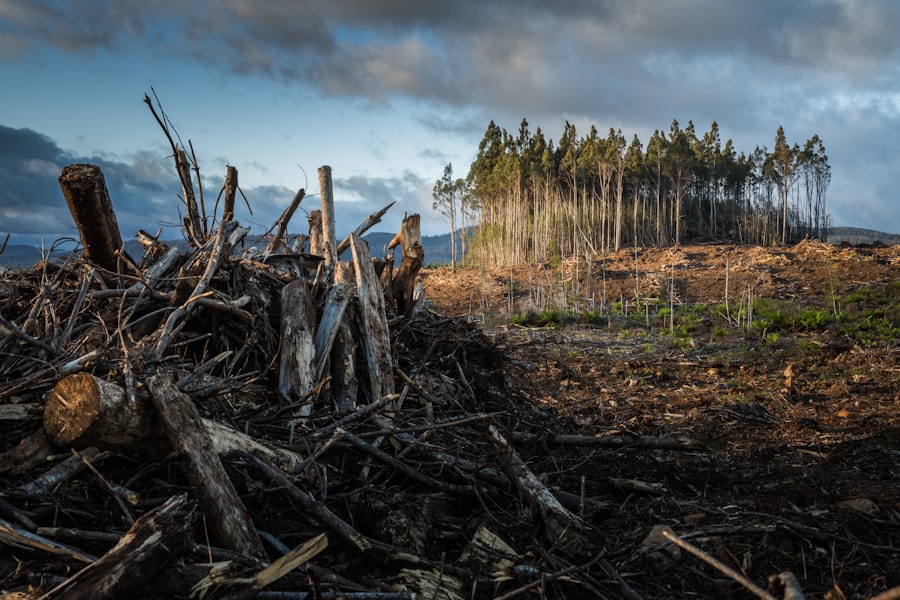
Extreme weather events have become increasingly common due to climate change, posing significant threats to power grid stability and reliability.
The impact of these events is not only felt in terms of immediate power loss but also in the long-term economic consequences for affected communities.
Businesses may suffer losses due to downtime, while households face challenges in accessing essential services during outages. In addition to physical damage, extreme weather events can also strain the operational capacity of power grids. For instance, during heatwaves, increased demand for electricity can push systems to their limits, resulting in potential overloads and failures.
Utilities must balance the need for reliable service with the realities of an increasingly volatile climate. As such, preparing for extreme weather events requires not only robust infrastructure but also proactive planning and response strategies that can adapt to changing conditions.
Rising Temperatures and Power Grid Reliability
| Year | Average Temperature Increase (°C) | Number of Power Outages | Average Outage Duration (hours) | Peak Electricity Demand (GW) | Grid Reliability Index (%) |
|---|---|---|---|---|---|
| 2018 | 0.8 | 120 | 3.5 | 75 | 98.5 |
| 2019 | 0.9 | 135 | 4.0 | 78 | 98.0 |
| 2020 | 1.0 | 150 | 4.5 | 80 | 97.5 |
| 2021 | 1.2 | 170 | 5.0 | 85 | 97.0 |
| 2022 | 1.3 | 190 | 5.5 | 90 | 96.5 |
Rising global temperatures present a unique set of challenges for power grid reliability. Higher temperatures can lead to increased energy demand as households and businesses rely more heavily on air conditioning and cooling systems. This surge in demand can strain existing infrastructure, particularly during peak usage periods when electricity consumption reaches its highest levels.
Utilities may struggle to meet this demand, leading to potential blackouts or rolling outages. Furthermore, elevated temperatures can adversely affect the physical components of power grids themselves. Transmission lines can sag under extreme heat, reducing their efficiency and increasing the risk of failure.
Additionally, higher temperatures can impact the performance of generation facilities, particularly those reliant on water for cooling. As water sources become warmer or less available due to drought conditions, power plants may face operational challenges that further compromise grid reliability. Addressing these issues requires innovative solutions that enhance the adaptability of power systems in the face of rising temperatures.
Sea Level Rise and Coastal Power Grids
Coastal power grids are particularly vulnerable to the impacts of sea level rise driven by climate change. As ocean levels continue to rise due to melting ice caps and thermal expansion, coastal infrastructure faces an increased risk of flooding and erosion. Power plants located near shorelines may be at risk of inundation during storm surges or high tides, leading to potential operational disruptions or catastrophic failures.
The implications of sea level rise extend beyond immediate physical damage; they also raise concerns about long-term viability and investment in coastal energy infrastructure. Utilities must consider how rising sea levels will affect their assets over time and develop strategies for adaptation. This may involve relocating facilities further inland or investing in protective measures such as seawalls or elevated structures.
The challenge lies in balancing the need for reliable energy supply with the realities of an evolving climate landscape that threatens coastal communities.
Wildfires and Power Grid Infrastructure
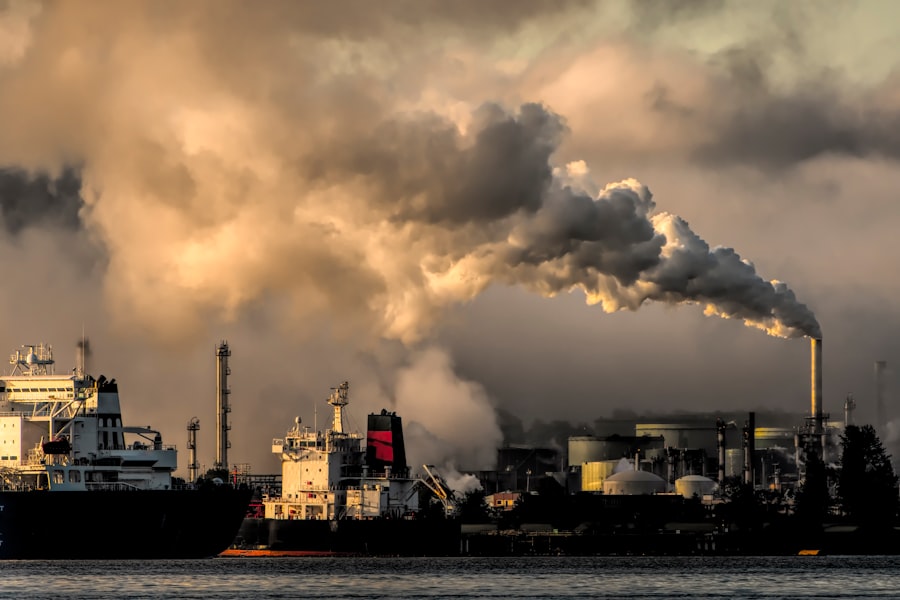
Wildfires have emerged as a significant threat to power grid infrastructure, particularly in regions prone to dry conditions and high winds.
In some cases, power lines themselves have been implicated as ignition sources for wildfires, creating a dangerous feedback loop where energy infrastructure contributes to environmental hazards.
Utilities are increasingly recognizing the need for proactive measures to mitigate wildfire risks associated with power grid operations. This includes implementing vegetation management programs to reduce fuel loads around transmission lines and investing in advanced monitoring technologies that can detect potential fire hazards before they escalate. Additionally, some utilities have adopted Public Safety Power Shutoff (PSPS) protocols that temporarily de-energize lines during high-risk conditions to prevent ignitions.
While these measures aim to enhance safety, they also highlight the complex trade-offs between maintaining reliable service and protecting communities from wildfire threats.
The Impact of Climate Change on Energy Demand
Climate change is reshaping energy demand patterns across various sectors as rising temperatures and extreme weather events influence consumption behaviors. Increased reliance on cooling systems during hotter months leads to spikes in electricity demand that can strain power grids. Additionally, changes in precipitation patterns may affect water availability for hydropower generation, further complicating energy supply dynamics.
As energy demand fluctuates due to climate-related factors, utilities must adapt their planning and operational strategies accordingly. This may involve investing in demand response programs that incentivize consumers to reduce usage during peak periods or exploring energy storage solutions that can help balance supply and demand fluctuations. Understanding how climate change impacts energy consumption is essential for developing resilient power systems capable of meeting evolving needs while minimizing environmental impacts.
Mitigating the Risks: Adaptation and Resilience Strategies
To address the multifaceted risks posed by climate change on power grids, adaptation and resilience strategies are essential components of effective risk management. Utilities must prioritize investments in infrastructure upgrades that enhance durability against extreme weather events while also considering innovative technologies that improve grid flexibility. This includes integrating smart grid technologies that enable real-time monitoring and automated responses to changing conditions.
Moreover, collaboration among stakeholders—including government agencies, utilities, and communities—is crucial for developing comprehensive resilience plans. Engaging local populations in decision-making processes ensures that adaptation strategies reflect community needs while fostering a sense of ownership over energy systems. By prioritizing resilience-building efforts now, utilities can better prepare for future challenges posed by climate change while safeguarding public safety and economic stability.
The Role of Renewable Energy in Climate-Resilient Power Grids
Renewable energy sources play a pivotal role in creating climate-resilient power grids capable of withstanding the impacts of climate change. By diversifying energy portfolios with solar, wind, hydroelectricity, and other renewables, utilities can reduce reliance on fossil fuels while enhancing grid stability. These sources are often more adaptable to changing environmental conditions compared to traditional energy generation methods.
Additionally, renewable energy technologies can be deployed at various scales—from large utility-scale projects to distributed generation systems—allowing for greater flexibility in meeting local energy needs. Integrating renewables into existing grids also presents opportunities for innovative solutions such as microgrids that operate independently during emergencies or disruptions. By embracing renewable energy as a cornerstone of future power systems, utilities can build resilience against climate-related risks while contributing to broader sustainability goals.
Policy and Regulatory Responses to Climate-Related Risks
Effective policy and regulatory frameworks are essential for addressing climate-related risks facing power grids. Governments at all levels must prioritize investments in resilient infrastructure while establishing standards that promote sustainability within energy systems. This includes incentivizing utilities to adopt innovative technologies that enhance grid reliability while reducing greenhouse gas emissions.
Moreover, regulatory bodies must facilitate collaboration among stakeholders to ensure comprehensive approaches are taken toward risk management. This may involve creating incentives for utilities to invest in resilience measures or establishing guidelines for integrating renewable energy sources into existing grids. By fostering an environment conducive to innovation and collaboration, policymakers can help drive meaningful progress toward building climate-resilient power systems capable of meeting future challenges.
Building a Climate-Resilient Power Grid
As climate change continues to reshape the landscape of energy systems worldwide, building a climate-resilient power grid has never been more critical. The interconnected nature of compound risks necessitates a comprehensive approach that addresses vulnerabilities while promoting adaptability within infrastructure systems. By investing in robust technologies, embracing renewable energy sources, and fostering collaboration among stakeholders, utilities can enhance their capacity to withstand the impacts of climate change.
Ultimately, creating a resilient power grid requires a commitment from all sectors—government agencies, utilities, communities—to work together toward shared goals of sustainability and reliability. As society navigates an uncertain future marked by environmental challenges, prioritizing resilience within energy systems will be essential for safeguarding public safety while ensuring access to reliable electricity for generations to come.
The increasing frequency of extreme weather events due to climate change poses a significant threat to power grid stability, creating a compound risk that can lead to widespread outages and infrastructure damage. A related article that delves deeper into this issue can be found at