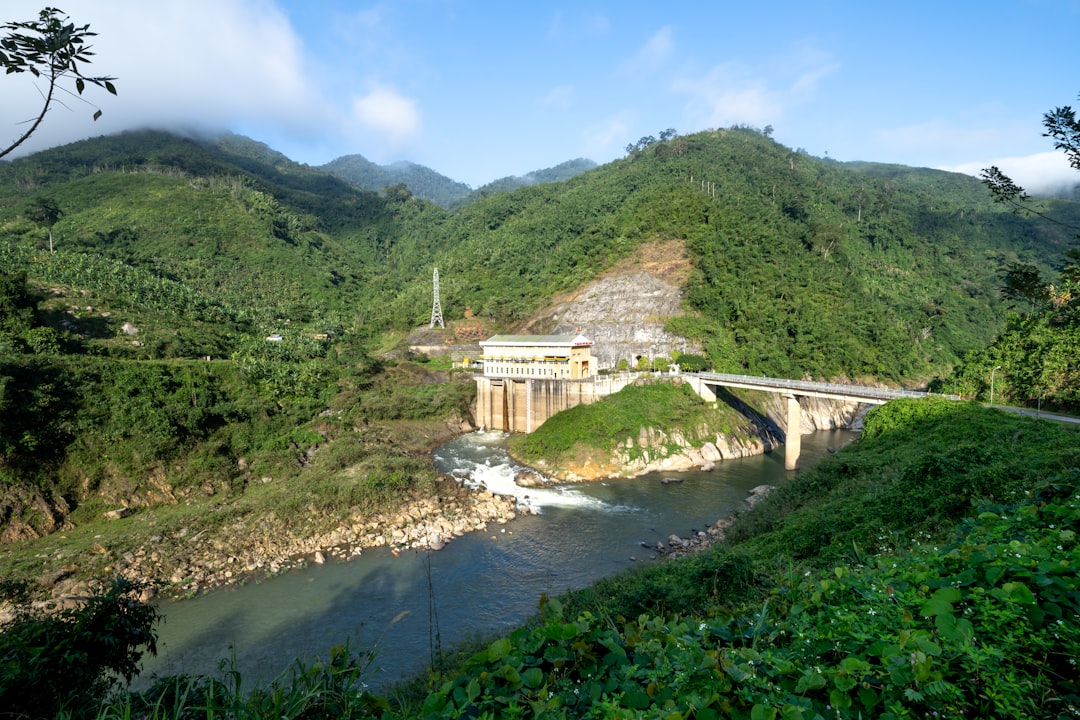
The Three Gorges Dam, an engineering marvel located on the Yangtze River in Hubei province, China, stands as the largest hydroelectric power station in the world. Spanning approximately 2,335 meters in length and 185 meters in height, this colossal structure has become a symbol of modern Chinese engineering prowess. The dam was conceived as a multifaceted solution to several pressing issues, including flood control, power generation, and improved navigation along the Yangtze River.
Since its completion in 2012, the dam has generated significant amounts of electricity, contributing to China’s rapid industrialization and economic growth. However, the Three Gorges Dam is not without its controversies. While it has brought about numerous benefits, it has also raised serious concerns regarding environmental degradation, displacement of local communities, and potential safety risks.
As the dam continues to operate, it becomes increasingly important to assess its long-term implications for both the environment and the millions of people who live in its vicinity. The complexities surrounding the Three Gorges Dam highlight the delicate balance between technological advancement and ecological preservation.
Key Takeaways
- The Three Gorges Dam is a massive hydroelectric project with significant environmental and safety considerations.
- Construction involved advanced engineering to manage flood control and power generation.
- Environmental impacts include ecosystem disruption and sedimentation issues.
- Safety concerns focus on structural integrity, seismic risks, and ongoing maintenance challenges.
- International experts emphasize continuous monitoring and potential improvements to ensure long-term dam safety.
Construction and design of the Three Gorges Dam
The construction of the Three Gorges Dam began in 1994 and took nearly two decades to complete. The project was ambitious from the outset, requiring extensive planning and coordination among various stakeholders. The design of the dam incorporates a series of sluice gates, spillways, and turbines that work together to manage water flow and generate electricity.
The dam’s reservoir stretches over 600 kilometers upstream, creating a vast body of water that has transformed the landscape and altered local ecosystems. Engineers faced numerous challenges during the construction phase, including geological instability and the need to relocate entire communities. The project necessitated the resettlement of over a million people, a process that sparked widespread debate about human rights and social justice.
Despite these challenges, the dam was completed on schedule and has since become a critical component of China’s energy infrastructure. Its design reflects a blend of functionality and ambition, showcasing the capabilities of modern engineering while also raising questions about the social and environmental costs associated with such large-scale projects.
Environmental impact of the Three Gorges Dam
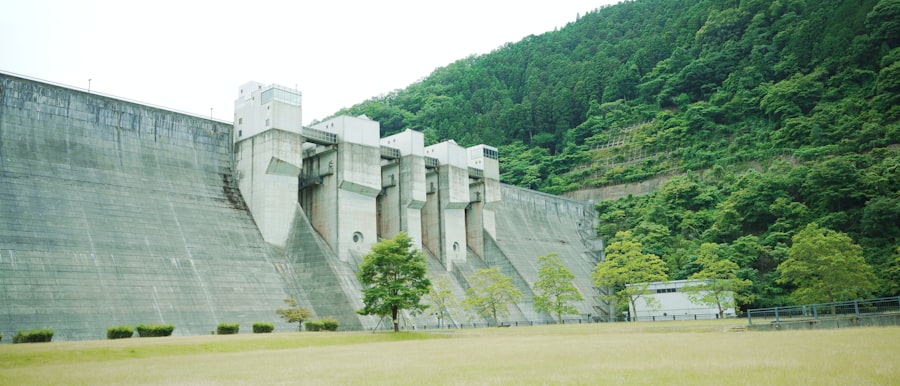
The environmental impact of the Three Gorges Dam is profound and multifaceted. One of the most significant consequences has been the alteration of local ecosystems. The creation of the dam’s reservoir submerged vast areas of land, including forests, farmland, and historical sites.
This inundation has led to a loss of biodiversity as many species have been displaced or faced extinction due to habitat destruction. The dam’s operation has also changed water temperature and sediment flow downstream, further disrupting aquatic life. Moreover, the dam has contributed to water quality issues in the Yangtze River.
The stagnation of water in the reservoir can lead to increased pollution levels, as contaminants accumulate without sufficient flow to dilute them. Algal blooms have become more frequent, posing risks to both human health and aquatic ecosystems. The environmental ramifications extend beyond immediate ecological concerns; they also affect local communities that rely on fishing and agriculture for their livelihoods.
As such, the Three Gorges Dam serves as a stark reminder of the complex interplay between human development and environmental stewardship.
Concerns about the safety and stability of the Three Gorges Dam
| Concern | Description | Metric/Indicator | Current Status |
|---|---|---|---|
| Structural Integrity | Potential for cracks or weaknesses in dam structure due to aging or seismic activity | Number of detected structural anomalies | Low; regular inspections report minor wear with no critical damage |
| Seismic Risk | Risk of earthquakes affecting dam stability | Seismic activity magnitude and frequency near dam | Moderate; region experiences occasional low to moderate earthquakes (magnitude 4-5) |
| Flood Management | Ability to handle extreme flood events without failure | Maximum flood discharge capacity (cubic meters per second) | 22,300 m³/s; designed to handle 100-year flood events |
| Reservoir Sedimentation | Accumulation of sediment reducing reservoir capacity and affecting dam operation | Annual sediment deposition volume (million cubic meters) | Approximately 27 million m³ per year; ongoing sediment management in place |
| Environmental Impact | Effects on downstream ecosystems and water quality | Water quality index and biodiversity indicators downstream | Moderate impact; ongoing monitoring and mitigation efforts |
| Emergency Preparedness | Readiness for dam failure or extreme events | Frequency of emergency drills and response time | Regular drills conducted annually; response time within 2 hours |
As one of the largest infrastructure projects in history, concerns about the safety and stability of the Three Gorges Dam have been a topic of ongoing discussion among experts and local residents alike. The sheer size and scale of the dam raise questions about its ability to withstand natural disasters such as earthquakes or severe flooding. Given that China is prone to seismic activity, there are fears that a significant earthquake could compromise the structural integrity of the dam, leading to catastrophic consequences for millions living downstream.
Additionally, there have been reports of structural issues within the dam itself. Some experts have pointed to signs of erosion and sediment buildup that could threaten its long-term stability. These concerns are compounded by the fact that many residents living in proximity to the dam have expressed anxiety about their safety.
The potential for failure or malfunction raises critical questions about emergency preparedness and response strategies in place should an incident occur.
Assessing the structural integrity of the Three Gorges Dam
Assessing the structural integrity of the Three Gorges Dam is essential for ensuring its continued safe operation. Engineers employ various methods to monitor the dam’s condition, including regular inspections and advanced technologies such as remote sensing and geotechnical analysis. These assessments help identify any potential weaknesses or areas requiring maintenance before they escalate into more significant problems.
In recent years, studies have indicated that while the dam is generally stable, certain areas may require attention due to signs of wear or stress. Continuous monitoring is crucial not only for maintaining safety but also for instilling confidence among local communities who depend on the dam for flood control and electricity generation. As technology advances, so too do methods for assessing structural integrity, allowing for more proactive measures to be taken in safeguarding this monumental structure.
Monitoring and maintenance of the Three Gorges Dam
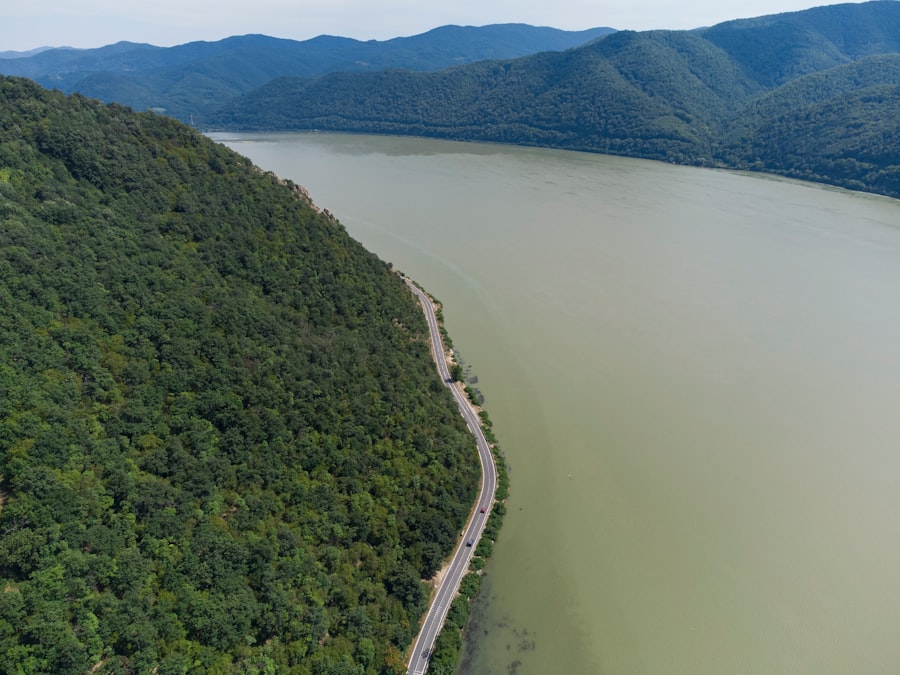
The monitoring and maintenance of the Three Gorges Dam are critical components in ensuring its operational safety and longevity. A dedicated team of engineers and technicians is responsible for conducting routine inspections and implementing necessary repairs or upgrades. This ongoing maintenance is vital given the dam’s size and complexity; even minor issues can escalate if not addressed promptly.
In addition to physical inspections, advanced monitoring systems have been installed to track various parameters such as water levels, pressure changes, and structural movements. These systems provide real-time data that can alert engineers to potential problems before they become critical. By employing a combination of traditional maintenance practices and cutting-edge technology, authorities aim to ensure that the Three Gorges Dam remains a reliable source of power and flood control for years to come.
Seismic risks and the Three Gorges Dam
Seismic risks pose a significant concern for the Three Gorges Dam due to its location in a seismically active region. Earthquakes can lead to ground shaking that may compromise the structural integrity of large dams like this one. Experts have conducted extensive studies to evaluate how well the dam can withstand seismic events, focusing on factors such as soil composition, fault lines, and historical earthquake data.
In response to these risks, engineers have implemented various design features intended to enhance seismic resilience. These include flexible structures that can absorb shock waves and reinforced materials that provide additional strength against potential tremors. However, despite these precautions, uncertainties remain regarding how well the dam would perform during a major seismic event.
Ongoing research into seismic risks is essential for developing effective strategies to mitigate potential hazards associated with earthquakes.
Flood control and the Three Gorges Dam
One of the primary purposes of the Three Gorges Dam is flood control along the Yangtze River. Historically, this river has been prone to devastating floods that have caused significant loss of life and property damage in surrounding areas. The dam’s reservoir allows for controlled water release during periods of heavy rainfall, effectively reducing downstream flooding risks.
The effectiveness of flood control measures implemented by the dam has been demonstrated during various flood events since its completion. By managing water levels strategically, authorities have been able to minimize damage in vulnerable regions downstream. However, challenges remain as climate change continues to alter weather patterns, leading to unpredictable rainfall and flooding scenarios.
As such, ongoing assessments are necessary to ensure that flood control measures remain effective in an ever-changing climate.
Potential solutions to improve the safety of the Three Gorges Dam
To enhance safety at the Three Gorges Dam, several potential solutions have been proposed by experts in engineering and environmental science. One approach involves upgrading existing infrastructure with modern materials designed to withstand extreme weather conditions and seismic activity. This could include reinforcing key structural components or implementing advanced monitoring systems that provide real-time data on potential vulnerabilities.
Another solution focuses on improving emergency preparedness plans for local communities living downstream from the dam. This includes developing comprehensive evacuation strategies and conducting regular drills to ensure residents are familiar with emergency protocols should an incident occur. By fostering collaboration between engineers, government officials, and local communities, authorities can create a more resilient framework for managing risks associated with large infrastructure projects like the Three Gorges Dam.
International perspectives on the safety of the Three Gorges Dam
International perspectives on the safety of the Three Gorges Dam vary widely among experts and organizations around the world.
Others express concern over its environmental impact and potential safety risks associated with its size and location.
Global discussions surrounding large infrastructure projects often emphasize the importance of balancing development with environmental sustainability. Many international organizations advocate for greater transparency regarding safety assessments and environmental monitoring related to projects like the Three Gorges Dam. By fostering dialogue among nations about best practices in infrastructure development, stakeholders can work towards solutions that prioritize both human needs and ecological preservation.
The future of the Three Gorges Dam and its safety concerns
The future of the Three Gorges Dam remains a topic of considerable debate as stakeholders grapple with its benefits alongside inherent risks. While it has undoubtedly transformed energy production and flood management in China, ongoing concerns about environmental degradation, structural integrity, and seismic vulnerabilities cannot be overlooked. As climate change continues to pose new challenges for infrastructure worldwide, it becomes increasingly important for authorities to prioritize safety measures while also considering ecological impacts.
Moving forward, a collaborative approach involving engineers, environmental scientists, policymakers, and local communities will be essential in addressing these complex issues surrounding the Three Gorges Dam. By embracing innovation in engineering practices while fostering open dialogue about safety concerns, stakeholders can work towards ensuring that this monumental structure continues to serve its intended purpose without compromising public safety or environmental health. The path ahead will require careful navigation through competing interests but holds promise for a more sustainable future for both people and nature alike.
The safety of the Three Gorges Dam has been a topic of significant concern and discussion among experts and the public alike. For a deeper understanding of the various factors influencing its safety, you can read a related article on this subject at My Geo Quest. This article delves into the engineering challenges, environmental impacts, and ongoing monitoring efforts associated with the dam, providing valuable insights into its current status and future implications.
WATCH THIS! The $30 Billion Lie: Why China’s Three Gorges Dam Will Fail Sooner Than You Think
FAQs
What is the Three Gorges Dam?
The Three Gorges Dam is a hydroelectric dam located on the Yangtze River in Hubei Province, China. It is the world’s largest power station in terms of installed capacity and was completed in 2012.
Is the Three Gorges Dam structurally safe?
Yes, the Three Gorges Dam is considered structurally safe. It was designed and constructed with advanced engineering standards and undergoes regular inspections and maintenance to ensure its integrity.
What measures are in place to prevent dam failure?
The dam is equipped with monitoring systems to detect any structural issues, and there are emergency response plans in place. Additionally, the dam’s design includes spillways and flood control mechanisms to manage water flow and reduce pressure on the structure.
Has the Three Gorges Dam experienced any major safety incidents?
Since its completion, the Three Gorges Dam has not experienced any major safety incidents. It has successfully managed several flood seasons, demonstrating its effectiveness in flood control.
Are there environmental or geological risks associated with the dam?
The dam has caused environmental changes, including altered ecosystems and sediment flow. There are also concerns about increased seismic activity and landslides in the reservoir area, but ongoing monitoring and mitigation efforts aim to manage these risks.
How does the dam impact local communities?
The construction of the dam led to the relocation of over a million people. While it provides benefits such as flood control and electricity generation, it has also caused social and economic challenges for displaced communities.
Can the dam withstand extreme natural disasters?
The dam was designed to withstand significant natural events, including earthquakes and floods. However, continuous monitoring and maintenance are essential to ensure its resilience against extreme conditions.
Who is responsible for the safety of the Three Gorges Dam?
The China Three Gorges Corporation, along with government agencies, is responsible for the operation, maintenance, and safety monitoring of the dam.
What ongoing efforts are made to ensure the dam’s safety?
Regular inspections, technological upgrades, environmental monitoring, and emergency preparedness drills are conducted to maintain and enhance the dam’s safety standards.