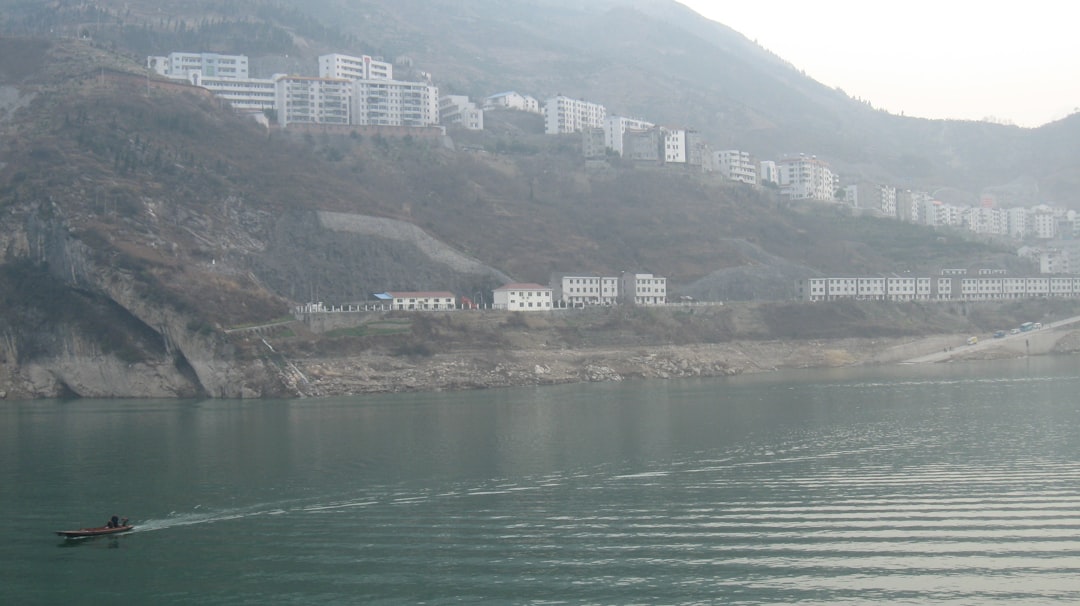
The Three Gorges Dam, located on the Yangtze River in Hubei province, China, stands as a monumental feat of engineering and a symbol of national pride. Completed in 2012, this colossal structure is the largest hydroelectric power station in the world, boasting an installed capacity of over 22,500 megawatts. The dam stretches approximately 2,335 meters in length and rises 185 meters high, creating a reservoir that extends for over 600 kilometers upstream.
Its primary purposes include flood control, electricity generation, and improved navigation along the Yangtze River, which has historically been prone to devastating floods. However, the construction and operation of the Three Gorges Dam have not been without controversy. While it has provided significant benefits in terms of energy production and flood management, it has also raised concerns regarding environmental impact, displacement of local communities, and the structural integrity of such a massive infrastructure project.
As the dam continues to operate, understanding its complexities and the challenges it faces becomes increasingly important for ensuring its long-term viability and safety.
Key Takeaways
- The Three Gorges Dam’s structural integrity is critical for safety and functionality.
- Continuous monitoring, maintenance, and advanced technology are essential to detect and address potential issues.
- Environmental factors significantly influence the dam’s stability and require ongoing risk assessment.
- Effective emergency response plans and international collaboration enhance preparedness and resilience.
- Learning from past dam failures informs future innovations and public safety strategies.
Importance of Structural Integrity
The structural integrity of the Three Gorges Dam is paramount to its continued operation and the safety of millions of people living downstream. Given its immense size and the forces exerted upon it by water pressure and seismic activity, maintaining the dam’s structural integrity is a critical concern for engineers and policymakers alike. Any compromise in its structural stability could lead to catastrophic consequences, including flooding, loss of life, and significant economic disruption.
To ensure that the dam remains safe and functional, rigorous standards for design and construction were implemented during its development. Engineers utilized advanced materials and construction techniques to enhance the dam’s resilience against potential threats. However, as time progresses and environmental conditions change, ongoing assessments are necessary to identify any signs of wear or potential failure points.
The importance of structural integrity cannot be overstated; it is the foundation upon which the dam’s operational success rests.
Monitoring and Maintenance Procedures
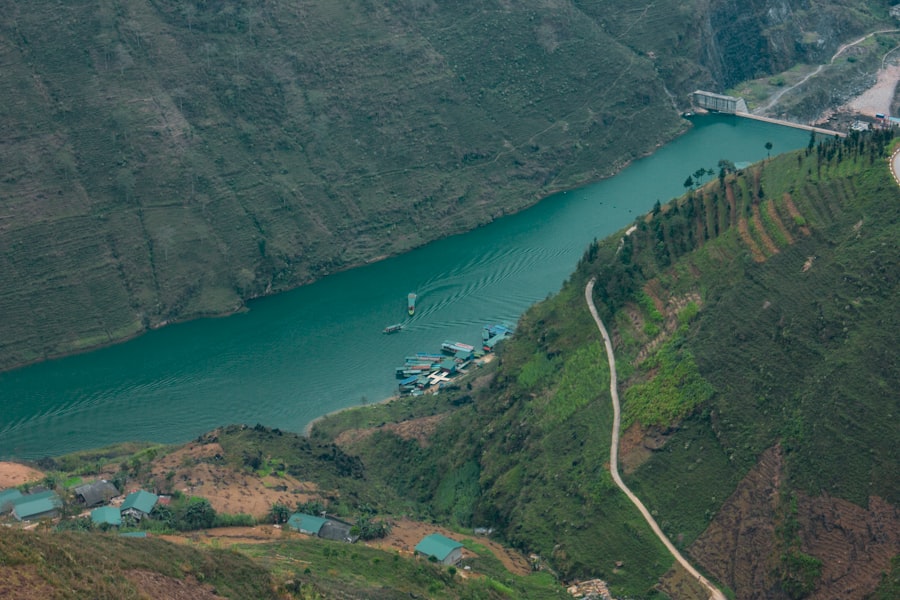
Monitoring and maintenance procedures are essential components of ensuring the Three Gorges Dam’s structural integrity. A comprehensive monitoring system has been established to track various parameters, including water levels, pressure distribution within the dam, and geological stability in the surrounding area. This system employs advanced technologies such as sensors and remote monitoring tools that provide real-time data to engineers and operators.
Regular maintenance checks are also conducted to address any wear and tear that may occur over time. These inspections involve visual assessments as well as more detailed evaluations using specialized equipment to detect potential issues before they escalate into serious problems. By adhering to a strict maintenance schedule and utilizing cutting-edge monitoring technologies, the management team can proactively address any concerns that arise, thereby safeguarding the dam’s structural integrity.
Impact of Environmental Factors
| Environmental Factor | Impact on Air Quality | Impact on Water Quality | Impact on Human Health | Impact on Biodiversity |
|---|---|---|---|---|
| Air Pollution (PM2.5, NOx, SOx) | Decreases air quality; increases smog and respiratory irritants | Leads to acid rain affecting water bodies | Increases respiratory diseases, cardiovascular problems | Harms sensitive species; reduces biodiversity |
| Water Pollution (Chemical runoff, heavy metals) | Minimal direct impact | Degrades water quality; causes eutrophication | Causes waterborne diseases; toxic exposure | Disrupts aquatic ecosystems; fish kills |
| Climate Change (Temperature rise, extreme weather) | Alters pollutant dispersion patterns | Changes water temperature and availability | Increases heat-related illnesses; vector-borne diseases | Shifts habitats; threatens species survival |
| Deforestation | Reduces air purification capacity | Increases soil erosion; sedimentation in water bodies | Impacts respiratory health due to dust | Loss of habitat; species extinction risk |
| Noise Pollution | Does not affect air quality | No direct impact | Causes stress, hearing loss, sleep disturbances | Disrupts animal communication and breeding |
Environmental factors play a significant role in the operational dynamics of the Three Gorges Dam. The region experiences a variety of climatic conditions, including heavy rainfall during monsoon seasons and potential seismic activity due to its geographical location along tectonic plate boundaries. These factors can influence water levels in the reservoir and exert additional stress on the dam structure itself.
Moreover, changes in climate patterns can lead to unpredictable weather events that may challenge the dam’s capacity to manage floodwaters effectively. As global climate change continues to evolve, understanding how these environmental factors interact with the dam’s operations becomes increasingly critical. The management team must remain vigilant in assessing these risks and adapting their strategies accordingly to ensure that the dam can withstand both current and future environmental challenges.
Risk Assessment and Mitigation Strategies
Conducting thorough risk assessments is vital for identifying potential vulnerabilities associated with the Three Gorges Dam. These assessments involve evaluating various scenarios that could lead to structural failure or operational disruptions. Factors such as extreme weather events, seismic activity, and human-induced risks are all taken into account during this process.
Once risks have been identified, mitigation strategies are developed to address them effectively. This may include reinforcing certain sections of the dam, implementing advanced monitoring technologies, or developing contingency plans for emergency situations. By proactively addressing potential risks through comprehensive assessments and targeted mitigation strategies, the management team can enhance the overall safety and reliability of the Three Gorges Dam.
Role of Technology in Ensuring Structural Integrity
Technology plays a crucial role in ensuring the structural integrity of the Three Gorges Dam. Advanced engineering techniques have been employed not only during construction but also in ongoing monitoring and maintenance efforts. For instance, sophisticated sensors are embedded within the dam structure to measure stress levels, temperature fluctuations, and other critical parameters that could indicate potential issues.
In addition to real-time monitoring systems, predictive analytics powered by artificial intelligence are increasingly being utilized to forecast potential failures before they occur. By analyzing historical data alongside current conditions, these technologies can provide valuable insights into how the dam may respond to various stressors over time. The integration of technology into every aspect of the dam’s operation enhances its resilience and ensures that any emerging issues are addressed promptly.
Emergency Response Plans
Given the potential risks associated with large infrastructure projects like the Three Gorges Dam, comprehensive emergency response plans are essential for safeguarding public safety.
They include evacuation procedures for nearby communities, communication strategies for disseminating information quickly, and coordination with local authorities.
Regular drills and simulations are conducted to ensure that all stakeholders are familiar with their roles during an emergency. These exercises help identify any gaps in response strategies and allow for continuous improvement of emergency protocols. By maintaining a state of readiness through well-defined emergency response plans, the management team can minimize risks to public safety while ensuring a swift and effective response should an incident occur.
Collaboration with International Experts
Collaboration with international experts is another key aspect of maintaining the Three Gorges Dam’s structural integrity. Engaging with professionals from around the world allows for knowledge exchange regarding best practices in dam management, engineering innovations, and risk assessment methodologies. This collaborative approach fosters a culture of continuous improvement and ensures that the dam benefits from global advancements in technology and safety protocols.
International partnerships also provide opportunities for joint research initiatives aimed at addressing common challenges faced by large infrastructure projects worldwide. By leveraging diverse expertise and experiences from various countries, the management team can enhance their understanding of potential risks while developing more effective strategies for mitigating them.
Public Safety and Communication
Public safety is a top priority when it comes to managing large infrastructure projects like the Three Gorges Dam. Effective communication with local communities is essential for ensuring that residents are informed about potential risks associated with living near such a massive structure. Regular updates regarding monitoring results, maintenance activities, and emergency preparedness initiatives help build trust between dam operators and local populations.
Additionally, educational programs aimed at raising awareness about flood risks and safety measures can empower communities to take proactive steps in protecting themselves during emergencies. By fostering open lines of communication and providing valuable information to residents, the management team can enhance public safety while promoting a sense of community resilience.
Lessons Learned from Previous Dam Failures
The history of dam construction is marked by both successes and failures, with each incident providing valuable lessons for future projects. Analyzing past dam failures allows engineers and policymakers to identify common pitfalls that can lead to catastrophic outcomes. For instance, inadequate risk assessments or insufficient maintenance practices have been cited as contributing factors in several high-profile dam failures around the world.
By studying these cases closely, stakeholders involved in managing the Three Gorges Dam can implement best practices that prioritize safety and reliability. Learning from previous mistakes not only enhances current operations but also contributes to a broader understanding of how large infrastructure projects can be managed more effectively in an ever-changing environment.
Future Challenges and Innovations
As the Three Gorges Dam continues to operate into the future, it will face a range of challenges that require innovative solutions. Climate change poses significant threats through altered precipitation patterns and increased frequency of extreme weather events. Adapting to these changes will necessitate ongoing research into new engineering techniques as well as enhanced monitoring systems capable of responding dynamically to shifting conditions.
Moreover, advancements in technology will play a pivotal role in shaping how large infrastructure projects are managed moving forward. Innovations such as smart sensors equipped with machine learning capabilities could revolutionize monitoring practices by providing real-time insights into structural health while predicting potential failures before they occur. Embracing these innovations will be essential for ensuring that the Three Gorges Dam remains safe and effective in meeting its objectives for generations to come.
In conclusion, while the Three Gorges Dam represents an extraordinary achievement in engineering prowess, its continued success hinges on a multifaceted approach that prioritizes structural integrity, environmental considerations, risk assessment, technological advancements, public safety communication, collaboration with experts, lessons learned from history, and innovative solutions for future challenges. By addressing these elements comprehensively, stakeholders can ensure that this monumental structure continues to serve its purpose while safeguarding both people and ecosystems alike.
For a deeper understanding of the challenges and evaluations surrounding this monumental structure, you can refer to a related article that provides insights into its engineering and safety measures. For more information, visit