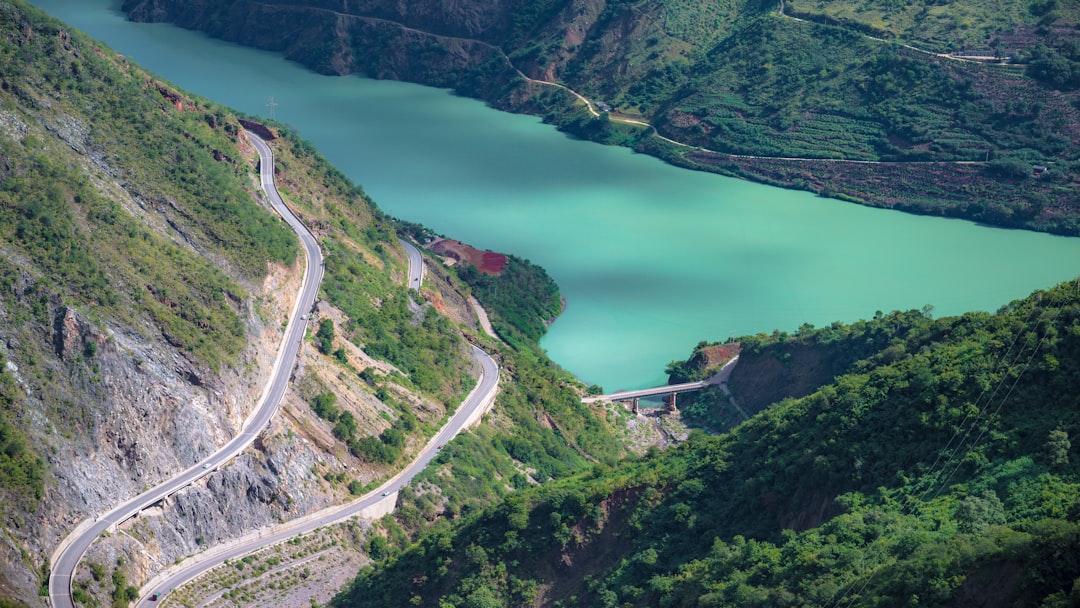
The Three Gorges Dam, located on the Yangtze River in Hubei province, China, stands as a monumental feat of engineering and a symbol of national pride. Completed in 2012, it is the largest hydroelectric power station in the world, boasting an installed capacity of over 22,500 megawatts. The dam was constructed with multiple objectives in mind, including flood control, power generation, and improved navigation along the river.
Its sheer size and scale have made it a focal point of both admiration and controversy, as it represents the intersection of technological advancement and environmental stewardship. However, the dam’s construction and operation have not come without significant challenges and risks. As the world’s attention increasingly turns to sustainable development and environmental conservation, the Three Gorges Dam has become a case study in the complexities of large-scale infrastructure projects.
While it has undoubtedly contributed to China’s energy needs and flood management strategies, it has also raised critical questions about its environmental impact, social implications, and long-term sustainability. Understanding these multifaceted risks is essential for evaluating the dam’s overall effectiveness and for informing future infrastructure projects.
Key Takeaways
- The Three Gorges Dam poses significant environmental, geotechnical, and seismic risks that require ongoing monitoring.
- Social and economic challenges, including large-scale resettlement, have profound impacts on local communities.
- The dam affects biodiversity, threatening various species and altering ecosystems in the Yangtze River region.
- Climate change introduces new uncertainties, influencing water flow and dam safety.
- Effective risk mitigation and future assessments are essential to ensure the dam’s structural integrity and minimize adverse effects.
Environmental Risks Associated with Three Gorges Dam
The environmental risks associated with the Three Gorges Dam are extensive and multifaceted. One of the most pressing concerns is the alteration of the natural ecosystem along the Yangtze River. The dam has significantly changed water flow patterns, which has led to a decline in sediment transport downstream.
This sediment is crucial for maintaining riverbanks and supporting aquatic habitats. The reduction in sediment flow can result in increased erosion and habitat loss, threatening both terrestrial and aquatic species that rely on these ecosystems for survival. Moreover, the dam’s reservoir has created a vast body of water that inundates previously dry land, leading to the displacement of flora and fauna.
The flooding of these areas has resulted in the loss of biodiversity, as many species are unable to adapt to the new aquatic environment. Additionally, the introduction of non-native species into the reservoir can disrupt existing ecosystems, leading to further ecological imbalances. The long-term consequences of these environmental changes are still being studied, but they pose significant risks to the health of the Yangtze River and its surrounding habitats.
Geotechnical Risks and Concerns
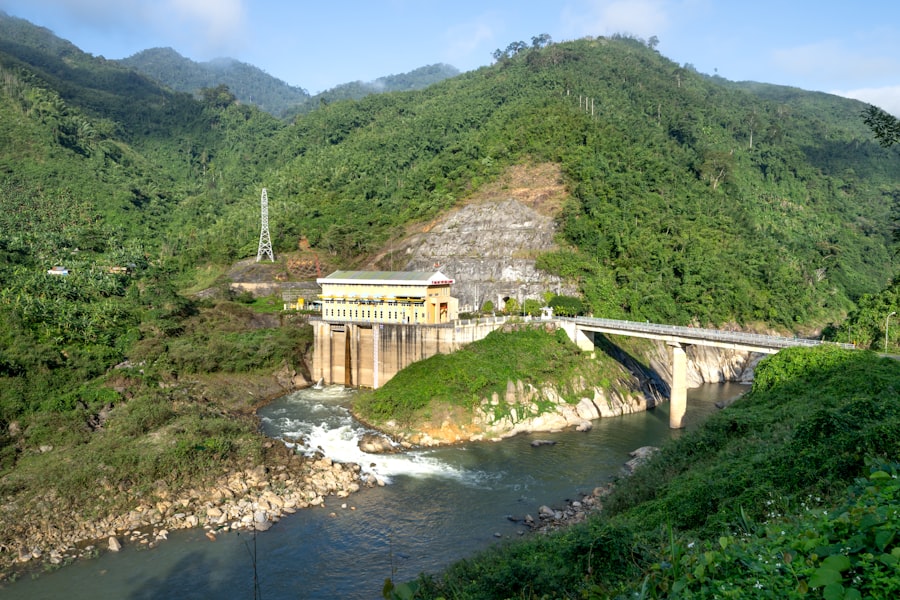
Geotechnical risks are another critical aspect of the Three Gorges Dam’s overall safety profile. The dam is built on a complex geological foundation that includes various rock types and soil conditions. These geological factors can influence the stability of the dam structure itself.
Concerns have been raised about potential landslides in the surrounding areas, particularly as water levels fluctuate within the reservoir. Such landslides could not only threaten the integrity of the dam but also pose risks to nearby communities. Furthermore, the weight of the water in the reservoir exerts significant pressure on the underlying geology.
This pressure can lead to ground subsidence or other forms of deformation that may compromise the dam’s structural integrity over time. Regular monitoring and assessment of geotechnical conditions are essential to mitigate these risks. Engineers must remain vigilant in their evaluations to ensure that any changes in geological conditions are promptly addressed to maintain safety standards.
Seismic Risks and Vulnerabilities
| Metric | Description | Typical Values / Examples | Relevance to Seismic Risk |
|---|---|---|---|
| Peak Ground Acceleration (PGA) | Maximum ground acceleration recorded during an earthquake | 0.1g to 1.0g (g = acceleration due to gravity) | Indicates severity of shaking; higher PGA means greater potential damage |
| Seismic Hazard Level | Probability of earthquake occurrence and expected intensity in a region | Low, Moderate, High, Very High | Helps in zoning and building code requirements |
| Soil Liquefaction Potential | Likelihood of soil losing strength and stiffness during shaking | Low, Medium, High | Critical for foundation design and risk assessment |
| Building Vulnerability Index | Measure of a building’s susceptibility to earthquake damage | Scale 0 (no vulnerability) to 1 (high vulnerability) | Used to prioritize retrofitting and emergency planning |
| Population Density | Number of people per square kilometer in an area | 10 to 10,000+ persons/km² | Higher density increases potential casualties and complexity of response |
| Critical Infrastructure Exposure | Presence of hospitals, bridges, power plants in seismic zones | Count or percentage of infrastructure at risk | Failure can exacerbate disaster impact and recovery time |
| Historical Earthquake Frequency | Number of significant earthquakes recorded over a period | Varies by region; e.g., 1-5 per decade in active zones | Informs risk models and preparedness strategies |
Seismic risks represent another layer of vulnerability for the Three Gorges Dam. Situated in a region with a history of seismic activity, the dam must be designed to withstand potential earthquakes. The risk of seismic events raises concerns about the dam’s ability to maintain its structural integrity during such occurrences.
A significant earthquake could lead to catastrophic failures, resulting in widespread flooding and loss of life downstream. To address these concerns, extensive seismic assessments have been conducted to evaluate the dam’s resilience against earthquakes. Engineers have implemented various design features aimed at enhancing its stability during seismic events.
However, uncertainties remain regarding the potential magnitude and impact of future earthquakes in the region. Continuous research and advancements in engineering practices are necessary to ensure that the dam can withstand seismic forces while safeguarding both human lives and environmental resources.
Social and Economic Risks of Three Gorges Dam
The social and economic implications of the Three Gorges Dam extend far beyond its immediate vicinity.
The construction of the dam necessitated the relocation of over a million people from their homes, resulting in profound disruptions to communities and livelihoods.
Many displaced individuals faced challenges in adapting to new environments, leading to social tensions and economic hardships. Additionally, the dam’s impact on local economies cannot be overlooked. While some regions have benefited from increased tourism and job opportunities related to hydroelectric power generation, others have suffered from reduced agricultural productivity due to altered water flow patterns.
The economic disparities created by these changes can exacerbate existing inequalities within affected communities. Addressing these social and economic risks requires comprehensive planning and support systems for displaced populations to ensure their successful integration into new environments.
Potential Impact on Biodiversity
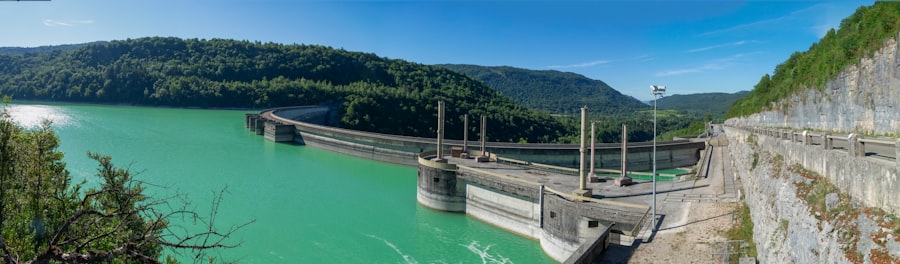
The potential impact of the Three Gorges Dam on biodiversity is a pressing concern for environmentalists and conservationists alike. The alteration of natural habitats due to flooding has led to significant declines in various species populations, particularly those endemic to the Yangtze River basin. Species such as the Yangtze giant softshell turtle and the Chinese sturgeon are now critically endangered, with their survival threatened by habitat loss and changes in water quality.
Moreover, the introduction of invasive species into the reservoir poses additional challenges for native biodiversity. These non-native species can outcompete indigenous organisms for resources, further destabilizing ecosystems that have already been disrupted by human intervention. The long-term consequences for biodiversity are still unfolding, but they underscore the need for proactive conservation measures to protect vulnerable species and restore ecological balance in affected areas.
Resettlement Risks and Challenges
The resettlement process associated with the Three Gorges Dam has been fraught with challenges that highlight the complexities of large-scale infrastructure projects. As over a million people were displaced due to flooding, many faced difficulties in securing adequate housing, employment, and access to essential services in their new locations. The abrupt nature of resettlement often left individuals unprepared for life in unfamiliar environments, leading to feelings of dislocation and loss.
Furthermore, cultural heritage sites were submerged under water, erasing historical landmarks that held significance for local communities. The loss of cultural identity can have profound psychological effects on displaced populations, compounding their struggles as they navigate new social landscapes. Effective resettlement strategies must prioritize not only physical relocation but also cultural preservation and community cohesion to foster resilience among affected individuals.
Dam Safety and Structural Integrity
Ensuring dam safety and structural integrity is paramount for preventing catastrophic failures at the Three Gorges Dam. Engineers employ rigorous monitoring systems to assess various parameters such as water levels, structural stress, and geological conditions surrounding the dam. Regular inspections are conducted to identify any signs of wear or potential vulnerabilities that could compromise safety.
Despite these measures, concerns persist regarding aging infrastructure and maintenance practices over time. As with any large-scale engineering project, ongoing investment in maintenance and upgrades is essential to uphold safety standards. The potential consequences of a failure at such a massive structure would be devastating; therefore, prioritizing dam safety is not only a technical necessity but also a moral imperative for protecting lives downstream.
Climate Change and Three Gorges Dam
Climate change poses an additional layer of complexity for the Three Gorges Dam’s operations and long-term viability. Altered precipitation patterns can lead to unpredictable flooding or drought conditions that challenge water management strategies. As climate change continues to impact weather patterns globally, understanding its implications for hydropower generation becomes increasingly critical.
Moreover, rising temperatures can affect water quality within the reservoir, potentially leading to algal blooms or other ecological disturbances that threaten aquatic life. Adapting operational strategies to account for climate variability will be essential for maintaining both energy production capabilities and ecological health in the region. Integrating climate resilience into future planning efforts will help ensure that the dam remains effective amid changing environmental conditions.
Potential Solutions and Mitigation Measures
Addressing the myriad risks associated with the Three Gorges Dam requires a multifaceted approach that encompasses engineering innovations, environmental conservation efforts, and social support systems. Implementing advanced monitoring technologies can enhance real-time assessments of structural integrity while providing early warning systems for potential hazards such as landslides or seismic events. In addition to technological solutions, fostering collaboration between government agencies, local communities, and environmental organizations is crucial for developing comprehensive mitigation strategies.
Engaging stakeholders in decision-making processes can lead to more equitable outcomes that prioritize both human well-being and ecological sustainability. Furthermore, investing in restoration projects aimed at rehabilitating affected ecosystems can help mitigate biodiversity loss while promoting resilience among local communities.
Conclusion and Recommendations for Future Risk Assessment
In conclusion, while the Three Gorges Dam represents an engineering marvel with significant contributions to energy production and flood control, it also embodies a complex web of risks that must be carefully managed. From environmental degradation to social upheaval, understanding these challenges is essential for informing future infrastructure projects worldwide. To enhance risk assessment practices moving forward, it is recommended that comprehensive studies be conducted regularly to evaluate both short-term impacts and long-term sustainability outcomes associated with large-scale dams like Three Gorges.
Incorporating adaptive management strategies that account for evolving environmental conditions will be vital for ensuring resilience against future challenges posed by climate change or geological shifts. Ultimately, fostering a holistic approach that prioritizes ecological health alongside human welfare will be key in navigating the complexities inherent in large infrastructure projects such as the Three Gorges Dam. By learning from past experiences and embracing innovative solutions, stakeholders can work towards creating sustainable systems that benefit both people and nature for generations to come.
The Three Gorges Dam, one of the largest hydroelectric projects in the world, has been the subject of extensive risk analysis due to its potential environmental and structural impacts. For a deeper understanding of the challenges and considerations surrounding such large-scale infrastructure, you can refer to a related article that discusses various aspects of dam safety and environmental implications. For more information, visit this article.
WATCH THIS! The $30 Billion Lie: Why China’s Three Gorges Dam Will Fail Sooner Than You Think
FAQs
What is the Three Gorges Dam?
The Three Gorges Dam is a hydroelectric gravity dam located on the Yangtze River in Hubei Province, China. It is the world’s largest power station in terms of installed capacity and was constructed primarily for flood control, power generation, and improved river navigation.
What are the main risks associated with the Three Gorges Dam?
The main risks include structural safety concerns due to seismic activity, potential flooding from dam failure or extreme weather events, environmental impacts such as ecosystem disruption, sedimentation issues, and social risks including displacement of local populations.
How does seismic activity affect the safety of the Three Gorges Dam?
The dam is located in a region with seismic activity, which poses a risk to its structural integrity. Earthquakes could potentially damage the dam, leading to leaks or catastrophic failure. Continuous monitoring and engineering reinforcements are in place to mitigate this risk.
What measures are taken to prevent flooding related to the dam?
The dam is designed to regulate water flow and reduce the risk of downstream flooding by controlling reservoir levels. It has spillways and floodgates to manage excess water during heavy rainfall or typhoon seasons, thereby protecting downstream communities.
How does the dam impact the environment?
The dam has significant environmental impacts, including changes to aquatic ecosystems, fish migration disruption, sediment accumulation in the reservoir, and alteration of water quality. Efforts are ongoing to monitor and mitigate these effects.
What social risks are associated with the Three Gorges Dam?
The construction of the dam led to the displacement of over a million people and the submergence of numerous towns and cultural sites. Social risks include resettlement challenges, loss of livelihoods, and cultural heritage concerns.
Is the Three Gorges Dam considered safe?
The dam is considered safe due to rigorous engineering standards, continuous monitoring, and maintenance. However, ongoing risk assessments are necessary to address natural hazards and operational challenges.
How is risk analysis conducted for the Three Gorges Dam?
Risk analysis involves evaluating geological, hydrological, structural, environmental, and social factors. It includes simulations of extreme weather events, seismic assessments, and monitoring of dam performance to ensure early detection of potential issues.
What role does the Three Gorges Dam play in flood control?
The dam plays a critical role in flood control by storing excess water during rainy seasons and releasing it gradually, thereby reducing the frequency and severity of floods downstream along the Yangtze River.
Are there any international concerns about the Three Gorges Dam?
Yes, international concerns include potential transboundary environmental impacts, sediment flow disruption affecting downstream countries, and the dam’s role in regional water security. These concerns are addressed through scientific studies and diplomatic dialogues.