China’s water control strategy is a multifaceted approach aimed at addressing the country’s pressing water scarcity issues while ensuring sustainable development. With a population exceeding 1.4 billion and rapid industrialization, the demand for water resources has surged, leading to significant challenges in water management. The Chinese government has recognized the critical importance of effective water control not only for economic growth but also for social stability and environmental sustainability.
This strategy encompasses a range of initiatives, from infrastructure development to policy reforms, all designed to optimize water usage and enhance the resilience of water systems across the nation. The urgency of China’s water control strategy is underscored by the stark reality of its water resources. Despite being one of the largest countries in the world, China faces severe regional disparities in water availability, with northern regions experiencing chronic shortages while southern areas often contend with flooding.
This imbalance necessitates a comprehensive approach that integrates various aspects of water management, including conservation, distribution, and pollution control. As China continues to grapple with these challenges, its water control strategy serves as a critical framework for ensuring that water resources are managed effectively and equitably.
Key Takeaways
- China’s water control strategy integrates historical insights with modern technology to address complex water management challenges.
- Government policies and sustainable development initiatives play a crucial role in ensuring effective water resource management.
- Technological advancements are central to improving water conservation, distribution, and pollution control in China.
- Environmental impacts are carefully considered, balancing water use with ecosystem preservation.
- China’s experience offers valuable lessons and opportunities for international collaboration in global water management practices.
Historical Perspective on China’s Water Management
The history of water management in China dates back thousands of years, with ancient civilizations developing sophisticated irrigation systems to support agriculture and sustain their populations. The Dujiangyan irrigation system, built over 2,000 years ago, exemplifies early Chinese ingenuity in harnessing water resources. This ancient engineering marvel not only facilitated agricultural productivity but also laid the groundwork for future water management practices.
Throughout history, various dynasties have implemented policies aimed at controlling floods and managing irrigation, reflecting the enduring significance of water in Chinese society. In the modern era, particularly during the 20th century, China’s approach to water management underwent significant transformations. The establishment of the People’s Republic of China in 1949 marked a new chapter in water governance, with the government prioritizing large-scale infrastructure projects such as dams and reservoirs.
The Three Gorges Dam, completed in 2012, stands as a testament to China’s commitment to harnessing its rivers for energy production and flood control. However, these ambitious projects have not been without controversy, as they often come at the expense of local communities and ecosystems. The historical evolution of China’s water management reflects a complex interplay between human needs and environmental considerations.
Key Challenges in China’s Water Management

Despite its advancements in water management, China faces a myriad of challenges that threaten the effectiveness of its strategies. One of the most pressing issues is water scarcity, exacerbated by rapid urbanization and industrial growth. Northern China, home to major cities like Beijing and Tianjin, experiences severe water shortages due to over-extraction of groundwater and declining surface water levels.
This scarcity not only impacts agricultural productivity but also poses risks to public health and economic stability. Pollution is another significant challenge that complicates China’s water management efforts. Industrial discharges, agricultural runoff, and inadequate wastewater treatment have led to widespread contamination of rivers and lakes.
The quality of available water resources has deteriorated, making it increasingly difficult to ensure safe drinking water for the population. Additionally, climate change poses an unpredictable threat to China’s water systems, with altered precipitation patterns leading to both droughts and floods. Addressing these challenges requires a holistic approach that considers the interconnectedness of water resources, environmental health, and socio-economic factors.
The Role of Technology in China’s Water Control Strategy
| Technology | Application | Impact on Water Control | Example Project | Year Implemented |
|---|---|---|---|---|
| Satellite Remote Sensing | Monitoring water resources and flood forecasting | Improved accuracy in water resource management and disaster prevention | China’s Flood Monitoring System | 2015 |
| Smart Irrigation Systems | Optimizing water use in agriculture | Reduced water wastage and increased agricultural efficiency | North China Plain Smart Irrigation | 2018 |
| Big Data Analytics | Analyzing water consumption patterns and predicting shortages | Enhanced decision-making for water allocation and conservation | Yangtze River Basin Water Management | 2020 |
| Desalination Technology | Converting seawater to freshwater | Increased freshwater supply in coastal regions | Tianjin Desalination Plant | 2017 |
| Hydropower and Dam Automation | Controlling water flow and generating electricity | Improved flood control and renewable energy production | Three Gorges Dam Automation System | 2012 |
Technology plays a pivotal role in enhancing China’s water control strategy, offering innovative solutions to age-old problems. The integration of advanced monitoring systems has revolutionized how water resources are managed across the country. Remote sensing technology allows for real-time tracking of water levels and quality, enabling authorities to respond swiftly to emerging issues such as pollution or drought conditions.
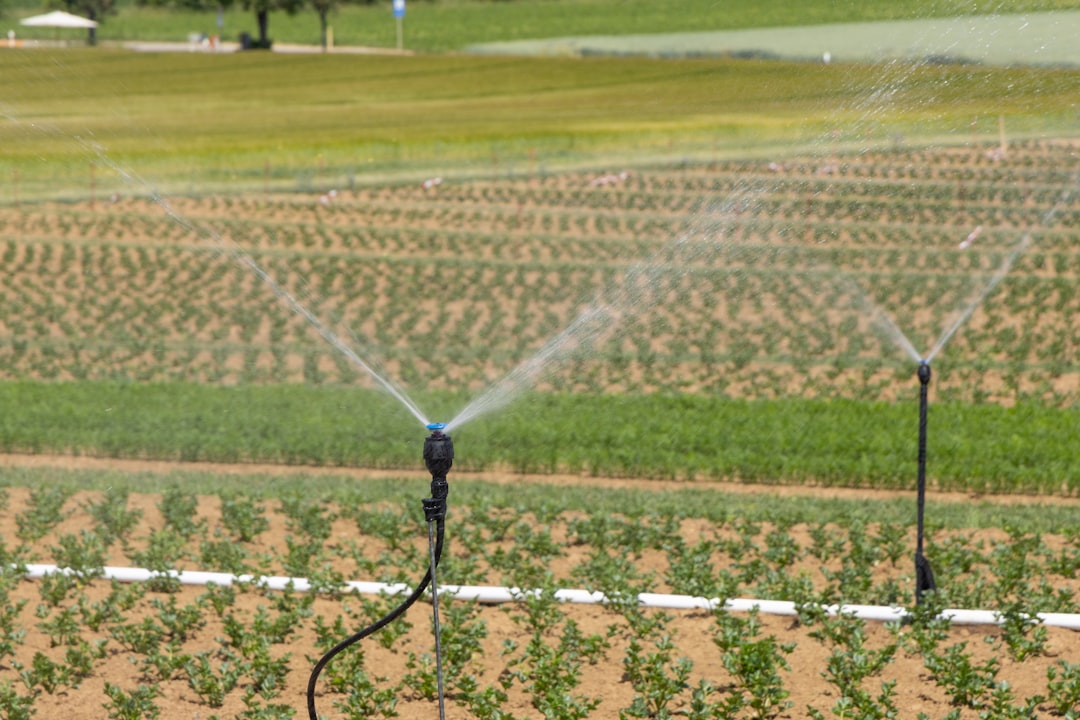
Furthermore, data analytics and artificial intelligence are increasingly being employed to optimize water distribution networks and improve efficiency in irrigation practices. In addition to monitoring technologies, China has invested heavily in developing smart irrigation systems that utilize sensors and automated controls to minimize water waste in agriculture. These systems not only conserve precious resources but also enhance crop yields by ensuring that plants receive the optimal amount of water at the right times.
As technology continues to evolve, its integration into China’s water management practices will be crucial for addressing both current challenges and future uncertainties.
Government Policies and Regulations for Water Management in China
The Chinese government has implemented a comprehensive framework of policies and regulations aimed at improving water management across the nation. The Water Law of 2002 established a legal foundation for sustainable water use and conservation, emphasizing the need for integrated management approaches that consider both surface and groundwater resources. This legislation has been instrumental in promoting accountability among various stakeholders involved in water management.
In recent years, the government has also introduced initiatives such as the “Water Ten Plan,” which outlines specific targets for reducing pollution and improving water quality by 2020. These policies reflect a growing recognition of the need for stricter regulations on industrial discharges and agricultural practices that contribute to water pollution. Additionally, local governments are increasingly encouraged to develop their own water management plans tailored to regional conditions, fostering a more decentralized approach that empowers communities to take an active role in managing their water resources.
Sustainable Development Initiatives in China’s Water Management
Sustainable development initiatives are at the heart of China’s evolving approach to water management. Recognizing that economic growth must be balanced with environmental protection, the government has prioritized projects that promote sustainable use of water resources. One notable initiative is the “Sponge City” program, which aims to enhance urban resilience by incorporating green infrastructure solutions such as permeable pavements and rainwater harvesting systems.
Moreover, China is increasingly focusing on restoring ecosystems that play a vital role in maintaining water quality and availability. Efforts to rehabilitate wetlands and riverbanks have gained momentum as part of broader conservation strategies aimed at preserving natural habitats while ensuring that communities have access to clean water.
By integrating ecological considerations into its water management practices, China is taking significant strides toward achieving long-term sustainability.
The Impact of China’s Water Control Strategy on the Environment
While China’s water control strategy aims to address pressing challenges, it has also had significant environmental implications. Large-scale infrastructure projects such as dams have transformed landscapes and ecosystems, often leading to habitat loss and altered river dynamics. The construction of the Three Gorges Dam, for instance, has raised concerns about its impact on local biodiversity and sediment transport downstream.
Balancing human needs with environmental preservation remains a critical challenge for policymakers. Additionally, pollution resulting from industrial activities poses a serious threat to aquatic ecosystems. Contaminated waterways not only harm fish populations but also disrupt entire food chains, leading to long-term ecological consequences.
As China continues to develop its water control strategy, it must prioritize measures that mitigate negative environmental impacts while promoting sustainable resource use.
Lessons Learned from China’s Water Control Strategy
China’s experience with water management offers valuable lessons for other countries grappling with similar challenges. One key takeaway is the importance of integrated approaches that consider the interconnectedness of various factors influencing water resources. By recognizing that water management cannot be viewed in isolation from land use, agriculture, and urban planning, policymakers can develop more effective strategies that address multiple objectives simultaneously.
Another lesson is the necessity of engaging local communities in decision-making processes related to water management. Empowering citizens to participate in conservation efforts fosters a sense of ownership over local resources and encourages sustainable practices at the grassroots level. Furthermore, collaboration between government agencies, private sector stakeholders, and civil society organizations can lead to innovative solutions that enhance overall effectiveness.
International Collaboration and Exchange in Water Management
International collaboration plays a crucial role in advancing effective water management practices globally. China has actively engaged in partnerships with other countries and international organizations to share knowledge and best practices related to water governance.
Moreover, China’s participation in global forums such as the United Nations Water Conference underscores its commitment to addressing global water challenges collaboratively. By sharing its experiences and learning from others, China can contribute to a more comprehensive understanding of effective water management strategies while also benefiting from diverse perspectives on tackling common issues.
Future Prospects for China’s Water Control Strategy
Looking ahead, China’s water control strategy is poised for further evolution as it adapts to emerging challenges and opportunities. Climate change will continue to shape the landscape of water management, necessitating innovative approaches that enhance resilience against extreme weather events such as droughts and floods. Investments in research and development will be essential for identifying new technologies and practices that can improve efficiency and sustainability.
Additionally, as public awareness regarding environmental issues grows, there will likely be increased pressure on policymakers to prioritize ecological considerations within their strategies. This shift could lead to more stringent regulations on pollution control and greater emphasis on restoring natural ecosystems that support healthy watersheds. Ultimately, the future of China’s water control strategy will depend on its ability to balance economic growth with environmental stewardship while fostering collaboration among diverse stakeholders.
Implications for Global Water Management Practices
China’s experience with its water control strategy offers important implications for global water management practices. As countries around the world face similar challenges related to scarcity, pollution, and climate change impacts, there is much to learn from China’s integrated approach that combines technological innovation with policy reform and community engagement. Furthermore, the emphasis on sustainable development initiatives highlights the need for holistic solutions that prioritize both human needs and environmental health.
By adopting lessons learned from China’s journey—such as fostering collaboration among stakeholders and integrating ecological considerations into planning—other nations can enhance their own efforts toward achieving sustainable and equitable water management practices on a global scale.
China’s water control strategy has garnered significant attention due to its implications for both domestic and international water management. A related article that delves into the intricacies of this strategy can be found on MyGeoQuest, which explores the various methods employed by China to manage its water resources effectively. For more insights, you can read the article [here](https://www.mygeoquest.com/).
WATCH THIS! The $30 Billion Lie: Why China’s Three Gorges Dam Will Fail Sooner Than You Think
FAQs
What is China’s water control strategy?
China’s water control strategy refers to the comprehensive set of policies, projects, and measures implemented by the Chinese government to manage and regulate the country’s water resources. This includes flood control, water conservation, pollution prevention, and the development of infrastructure such as dams and canals.
Why is water control important for China?
Water control is crucial for China due to its large population, rapid industrialization, and frequent water-related challenges such as floods, droughts, and water pollution. Effective water management ensures sustainable water supply for agriculture, industry, and domestic use, while protecting lives and property from water-related disasters.
What are some key components of China’s water control strategy?
Key components include the construction of large-scale infrastructure projects like the South-to-North Water Diversion Project, the Three Gorges Dam, improved flood control systems, water pollution control measures, water-saving technologies, and policies promoting efficient water use and ecological protection.
How does China address water pollution in its water control strategy?
China’s strategy includes strict regulations on industrial discharge, investment in wastewater treatment facilities, monitoring and enforcement of water quality standards, and initiatives to restore polluted rivers and lakes to improve overall water quality.
What role do dams and reservoirs play in China’s water control strategy?
Dams and reservoirs are critical for flood control, hydroelectric power generation, irrigation, and water storage. They help regulate river flow, reduce flood risks, and ensure a stable water supply during dry periods.
How does China manage water scarcity through its water control strategy?
China manages water scarcity by promoting water conservation, implementing water-saving technologies in agriculture and industry, recycling wastewater, and transferring water from water-rich southern regions to drier northern areas through projects like the South-to-North Water Diversion.
What challenges does China face in implementing its water control strategy?
Challenges include balancing economic development with environmental protection, addressing regional disparities in water availability, managing transboundary water resources, mitigating the impacts of climate change, and ensuring the sustainability of large infrastructure projects.
How does China’s water control strategy impact the environment?
While the strategy aims to protect water resources and reduce pollution, some large infrastructure projects have led to ecological disruptions, habitat loss, and changes in river ecosystems. The government is increasingly focusing on ecological restoration and sustainable water management to mitigate these impacts.
Is public participation part of China’s water control strategy?
Yes, public awareness campaigns, community involvement in water conservation, and stakeholder engagement are increasingly emphasized to promote responsible water use and support the implementation of water management policies.
What international cooperation does China engage in regarding water control?
China cooperates with neighboring countries on transboundary water management, shares technology and expertise in water conservation, and participates in global initiatives aimed at sustainable water resource management and climate change adaptation.