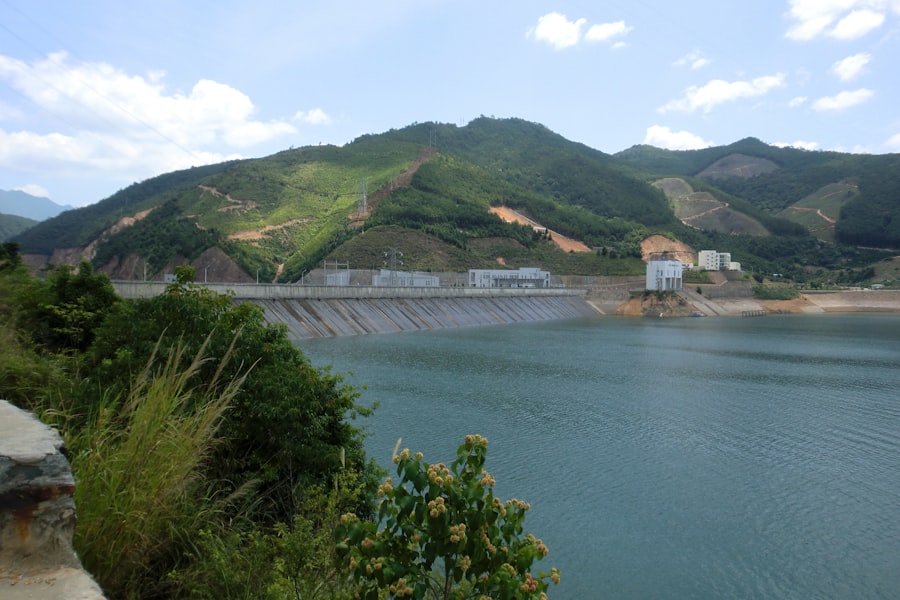
The Three Gorges Dam, located on the Yangtze River in Hubei province, China, stands as a monumental feat of engineering and a symbol of national pride. Completed in 2012, it is the largest hydroelectric power station in the world, generating an impressive capacity of over 22,500 megawatts. The dam was constructed not only to produce electricity but also to control flooding, improve river navigation, and promote economic development in the region.
Its construction has had profound implications for the surrounding environment and communities, leading to both admiration and criticism.
The reservoir created by the dam stretches over 600 kilometers upstream, inundating vast areas of land and displacing millions of residents.
While the dam has brought significant benefits, such as increased energy production and reduced flood risks, it has also raised numerous concerns regarding its environmental impact and the stability of its foundation. Understanding these complexities is crucial for assessing the long-term viability of this engineering marvel.
Key Takeaways
- The Three Gorges Dam faced significant geotechnical and seismic challenges requiring advanced foundation design and mitigation strategies.
- Reservoir-induced seismicity posed ongoing risks, necessitating continuous monitoring and maintenance of the dam foundation.
- Environmental factors critically influenced foundation stability, highlighting the need for sustainable construction practices.
- Lessons from the dam’s construction emphasize the importance of international collaboration and knowledge sharing in large-scale infrastructure projects.
- Future foundation considerations focus on adapting to evolving geological conditions and ensuring long-term structural safety.
Geotechnical challenges in dam foundation
The foundation of the Three Gorges Dam presents a myriad of geotechnical challenges that engineers had to navigate during its construction. One of the primary concerns was the geological composition of the site, which consists of a mix of sedimentary rocks, limestone, and clay. These varying materials posed significant difficulties in ensuring a stable and secure foundation capable of supporting the immense weight of the dam and withstanding the forces exerted by water pressure.
Moreover, the construction process itself introduced additional challenges. The excavation and preparation of the foundation required extensive analysis and testing to ensure that the soil and rock layers could adequately support the structure. Engineers employed various techniques, including soil stabilization and reinforcement methods, to address potential weaknesses in the foundation.
The complexity of these geotechnical issues underscored the importance of thorough planning and innovative engineering solutions in achieving a successful outcome.
Seismic risks and mitigation measures
Seismic activity is a critical consideration for any large-scale infrastructure project, particularly for a structure as massive as the Three Gorges Dam. The region is known for its seismic history, which necessitated comprehensive risk assessments to identify potential vulnerabilities. Engineers recognized that an earthquake could pose a significant threat to the dam’s integrity, potentially leading to catastrophic consequences.
To mitigate these risks, a range of engineering measures were implemented during the design and construction phases. This included the incorporation of flexible design elements that would allow the dam to absorb seismic shocks without sustaining damage. Additionally, advanced monitoring systems were installed to detect any signs of stress or movement within the structure.
These proactive measures reflect a commitment to ensuring the safety and resilience of the dam in the face of natural disasters.
Impact of reservoir-induced seismicity
| Metric | Description | Typical Range/Value | Impact on Reservoir-Induced Seismicity |
|---|---|---|---|
| Reservoir Water Level Fluctuation | Variation in water level due to filling and drawdown | 10 – 100 meters | Rapid changes can increase seismic activity by altering stress on faults |
| Seismic Event Magnitude | Magnitude of earthquakes triggered by reservoir filling | Typically < 5.5 Mw | Higher magnitudes pose greater risk to nearby infrastructure and populations |
| Time Delay to Seismicity | Time between reservoir filling and onset of seismic events | Days to years | Indicates the time needed for pore pressure diffusion and stress changes |
| Fault Proximity | Distance from reservoir to known active faults | 0 – 20 km | Closer faults are more likely to be triggered by reservoir-induced stress changes |
| Pore Pressure Increase | Increase in fluid pressure within fault zones due to reservoir water | Up to several MPa | Elevated pore pressure reduces effective normal stress, facilitating fault slip |
| Seismicity Rate | Number of earthquakes per unit time after reservoir filling | Varies widely; can increase by 10-100 times | Higher rates indicate stronger reservoir-induced seismic response |
The phenomenon of reservoir-induced seismicity (RIS) has emerged as a significant concern associated with large dams like the Three Gorges Dam. As water levels in the reservoir fluctuate, they can induce stress changes in the surrounding geological formations, potentially triggering earthquakes. This has been observed in various locations worldwide, raising alarms about the potential for increased seismic activity in areas adjacent to large reservoirs.
In the case of the Three Gorges Dam, studies have indicated that RIS may have contributed to minor seismic events in the region since its completion. While these tremors have generally been low in magnitude and not directly damaging, they highlight the need for ongoing research into the relationship between large reservoirs and seismic activity. Understanding this connection is essential for developing effective monitoring strategies and ensuring that appropriate safety measures are in place.
Geological conditions and foundation design
The geological conditions at the site of the Three Gorges Dam played a pivotal role in shaping its foundation design. Engineers had to contend with a diverse array of rock types and soil conditions, each presenting unique challenges. The presence of limestone formations required careful consideration, as these rocks can be susceptible to erosion and dissolution over time.
This included extensive geological surveys and testing to assess soil properties and rock stability. The design also incorporated features such as drainage systems to manage water flow through the foundation, reducing the risk of erosion and ensuring long-term stability.
By taking these geological factors into account, engineers aimed to create a robust foundation capable of withstanding both natural forces and human-induced stresses.
Monitoring and maintenance of dam foundation
Ongoing monitoring and maintenance are critical components in ensuring the long-term stability of the Three Gorges Dam’s foundation. Engineers have implemented sophisticated monitoring systems that utilize sensors and data analytics to track various parameters, including structural integrity, water levels, and seismic activity. This real-time data allows for timely interventions if any issues arise.
Regular maintenance activities are also essential for preserving the dam’s foundation over time. This includes routine inspections, repairs, and upgrades to monitoring equipment as technology advances. By prioritizing maintenance efforts, engineers can address potential vulnerabilities before they escalate into serious problems.
The commitment to ongoing monitoring and maintenance reflects an understanding that infrastructure requires continuous attention to remain safe and effective.
Environmental concerns and foundation stability
The construction and operation of the Three Gorges Dam have raised significant environmental concerns that intersect with issues related to foundation stability. The creation of a vast reservoir has altered local ecosystems, impacting fish populations and aquatic habitats. Additionally, sedimentation within the reservoir can affect water quality and contribute to changes in geological conditions around the dam’s foundation.
These environmental factors can have direct implications for foundation stability. For instance, changes in water levels can influence soil saturation and erosion patterns, potentially compromising the integrity of the foundation over time. Engineers must consider these environmental dynamics when assessing long-term stability and developing strategies for mitigating potential risks associated with ecological changes.
Lessons learned from construction and operation
The construction and operation of the Three Gorges Dam have provided valuable lessons for future infrastructure projects worldwide. One key takeaway is the importance of comprehensive planning that incorporates geological assessments, environmental considerations, and risk management strategies from the outset. The complexities encountered during construction underscore that large-scale projects require interdisciplinary collaboration among engineers, geologists, environmental scientists, and policymakers.
Additionally, ongoing monitoring and adaptive management practices have proven essential for addressing unforeseen challenges that may arise during operation. The experience gained from managing potential risks associated with seismic activity and environmental changes can inform best practices for future dam projects globally. By learning from both successes and setbacks at the Three Gorges Dam, stakeholders can enhance their approaches to infrastructure development.
Future considerations for dam foundation
As society continues to grapple with climate change and evolving environmental conditions, future considerations for dam foundations will become increasingly important. Engineers must anticipate potential shifts in weather patterns that could affect water levels in reservoirs or increase sedimentation rates. This necessitates ongoing research into innovative materials and construction techniques that can enhance foundation resilience.
Moreover, integrating sustainable practices into dam operations will be crucial for minimizing environmental impacts while ensuring structural integrity. This may involve exploring alternative energy sources or implementing more efficient water management strategies that reduce reliance on large reservoirs. By prioritizing sustainability alongside safety, future dam projects can better align with global efforts to address pressing environmental challenges.
International collaboration and knowledge sharing
The complexities associated with large infrastructure projects like the Three Gorges Dam highlight the need for international collaboration and knowledge sharing among engineers and researchers worldwide. By fostering partnerships across borders, stakeholders can exchange insights on best practices for addressing geotechnical challenges, seismic risks, and environmental concerns. Collaborative efforts can also facilitate advancements in technology and innovation that enhance monitoring capabilities and improve foundation design methodologies.
Engaging with global experts allows for a more comprehensive understanding of emerging trends in dam engineering while promoting a culture of continuous learning within the field.
the ongoing challenges of Three Gorges Dam foundation
The Three Gorges Dam stands as a testament to human ingenuity but also serves as a reminder of the ongoing challenges associated with large-scale infrastructure projects. From geotechnical complexities to seismic risks and environmental impacts, ensuring the stability of its foundation requires constant vigilance and adaptation. As engineers continue to monitor its performance and address emerging concerns, they must remain committed to learning from past experiences while embracing innovative solutions for future challenges.
Ultimately, the story of the Three Gorges Dam is one of balance—between harnessing natural resources for human benefit while safeguarding against potential risks. As society moves forward into an era marked by climate change and evolving environmental dynamics, maintaining this balance will be crucial for ensuring that such monumental structures continue to serve their intended purposes safely and sustainably.
The Three Gorges Dam, while a remarkable engineering feat, has faced significant foundation issues that raise concerns about its long-term stability and environmental impact. For a deeper understanding of the challenges associated with this massive structure, you can read more in the article on MyGeoQuest, which discusses various geological and engineering aspects of the dam’s foundation problems. Check it out here: MyGeoQuest.
WATCH THIS! The $30 Billion Lie: Why China’s Three Gorges Dam Will Fail Sooner Than You Think
FAQs
What is the Three Gorges Dam?
The Three Gorges Dam is a hydroelectric gravity dam located on the Yangtze River in Hubei Province, China. It is the world’s largest power station in terms of installed capacity and was constructed primarily for flood control, power generation, and improved river navigation.
What are the foundation issues associated with the Three Gorges Dam?
Foundation issues related to the Three Gorges Dam include concerns about geological stability, such as the risk of landslides, rock fractures, and seepage. The dam’s massive weight and the reservoir’s water pressure have raised questions about the long-term integrity of the foundation rock and potential impacts on surrounding geological formations.
Why is the foundation stability important for the Three Gorges Dam?
Foundation stability is critical because the dam must safely support enormous structural loads and withstand water pressure from the reservoir. Any weakness or failure in the foundation could lead to structural damage or catastrophic failure, posing risks to downstream communities and infrastructure.
What measures have been taken to address foundation issues at the Three Gorges Dam?
Engineers have conducted extensive geological surveys and implemented reinforcement techniques such as grouting to fill cracks and improve rock strength. Continuous monitoring systems have been installed to detect any ground movement or seepage, allowing for timely maintenance and risk mitigation.
Have there been any reported incidents related to foundation problems at the dam?
While some minor issues like localized seepage and small-scale landslides have been reported, no major foundation failures have occurred. The dam’s management authorities maintain ongoing surveillance and maintenance to ensure safety and operational stability.
How does the Three Gorges Dam impact the surrounding environment and geology?
The dam has altered the natural flow of the Yangtze River, affecting sediment transport and water levels. This has contributed to increased landslide risks in some areas and changes in groundwater conditions, which are closely monitored to manage potential foundation and environmental impacts.
Is the Three Gorges Dam considered safe despite foundation concerns?
Yes, the dam is generally considered safe due to rigorous engineering design, continuous monitoring, and maintenance efforts. However, experts emphasize the importance of ongoing assessment to address any emerging geological or structural challenges over time.