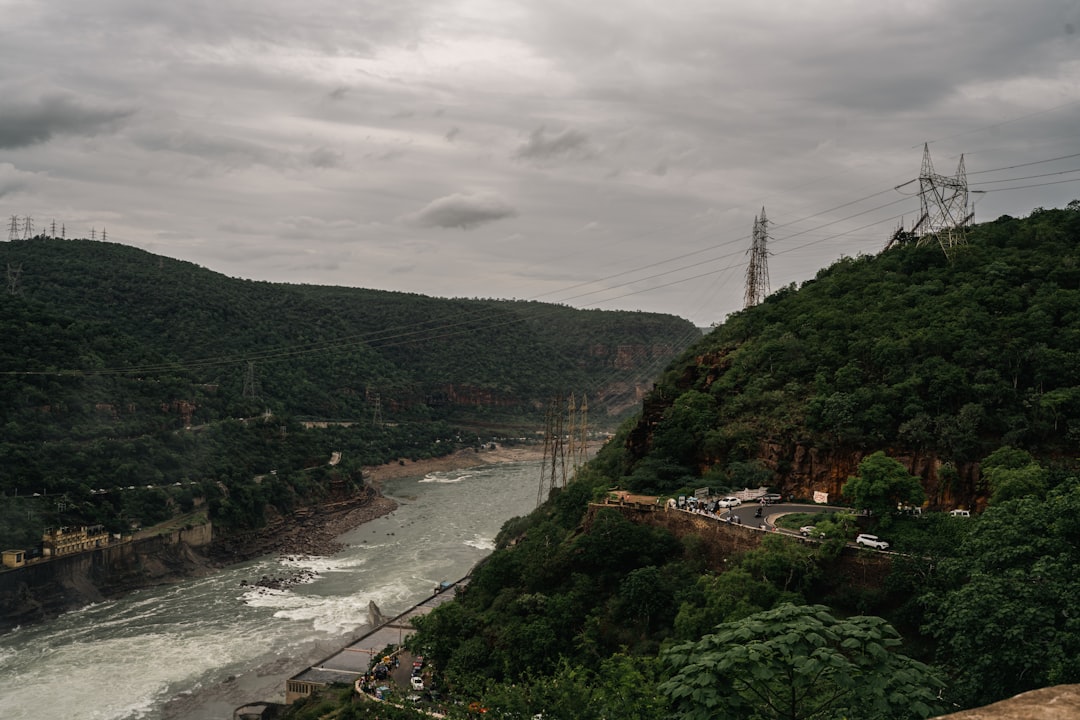
The Three Gorges Dam, an engineering marvel located on the Yangtze River in Hubei province, China, stands as the largest hydroelectric power station in the world. Spanning over 2,335 meters in length and 185 meters in height, this colossal structure has become a symbol of modern Chinese engineering prowess. The dam was designed not only to generate electricity but also to control flooding, improve river navigation, and promote economic development in the region.
Its construction has had profound implications for the surrounding environment, economy, and society, making it a focal point of both admiration and controversy. As one of the most ambitious infrastructure projects ever undertaken, the Three Gorges Dam has attracted global attention. It represents a significant shift in how nations approach energy production and environmental management.
However, the dam’s construction and operation have also raised critical questions about sustainability and ecological balance. The complexities surrounding the dam’s existence highlight the delicate interplay between human advancement and environmental stewardship, setting the stage for ongoing debates about its future.
Key Takeaways
- The Three Gorges Dam is a massive hydroelectric project with significant historical, environmental, and social impacts.
- Construction faced numerous challenges, and the dam has raised concerns about ecological disruption and potential failure risks.
- Continuous monitoring and maintenance are critical to managing the dam’s structural integrity and safety.
- Experts debate the likelihood and consequences of dam failure, highlighting serious economic and social implications.
- Lessons from past dam failures emphasize the need for alternative energy solutions and improved risk management strategies.
History and construction of the Three Gorges Dam
The history of the Three Gorges Dam dates back to the early 20th century when the idea of damming the Yangtze River was first proposed. However, it wasn’t until the late 20th century that serious plans began to take shape. In 1992, the Chinese government officially approved the project, citing its potential to generate clean energy and mitigate flooding risks.
Construction commenced in 1994 and spanned nearly two decades, culminating in its completion in 2012. The project involved the relocation of over a million people and the submergence of numerous towns and archaeological sites, making it one of the most extensive resettlement efforts in history. The construction process itself was a monumental task that required advanced engineering techniques and significant financial investment.
The dam’s design incorporated multiple functions, including a ship lock system to facilitate navigation and a reservoir that extends over 600 kilometers upstream. The scale of the project necessitated collaboration among thousands of workers and engineers, showcasing China’s capacity for large-scale infrastructure development. Despite facing criticism from environmentalists and local communities, the dam was heralded as a triumph of modern engineering upon its completion.
Environmental concerns and impact of the Three Gorges Dam
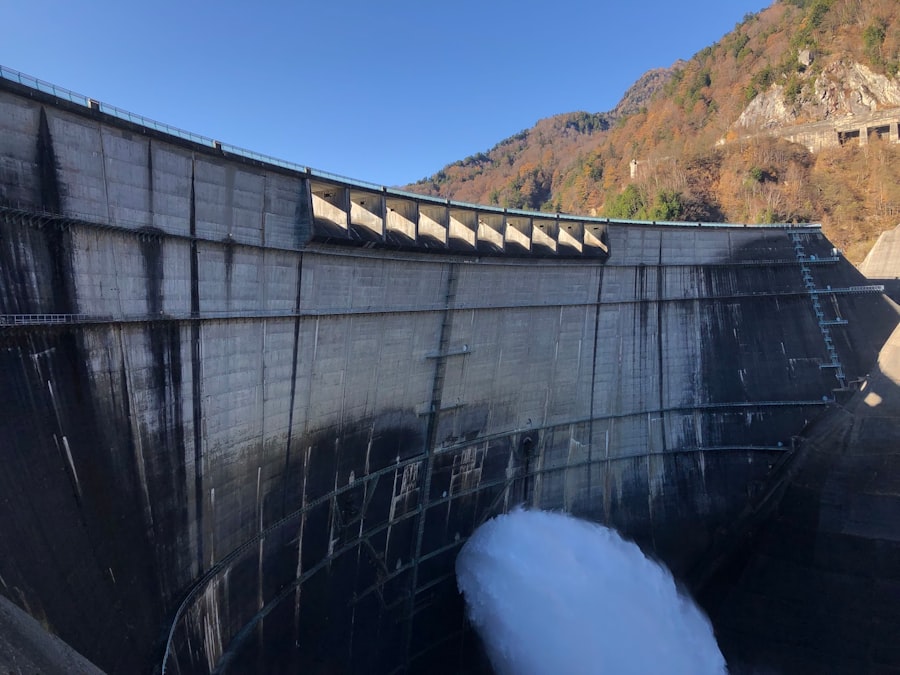
The environmental implications of the Three Gorges Dam are profound and multifaceted. While it has been lauded for its ability to generate renewable energy and reduce carbon emissions, it has also been criticized for its detrimental effects on local ecosystems. The dam’s construction led to significant alterations in water flow patterns, which have disrupted fish migration routes and affected biodiversity in the Yangtze River basin.
Species such as the Yangtze River dolphin have faced severe threats due to habitat loss and changes in water quality. Moreover, the creation of the reservoir has resulted in the flooding of vast areas of land, leading to the loss of arable land and forests. This inundation has not only displaced human populations but has also submerged critical habitats for wildlife.
The long-term ecological consequences of these changes remain a subject of ongoing research and concern among environmental scientists.
Potential risks and failure scenarios of the Three Gorges Dam
| Risk/Failure Scenario | Description | Potential Impact | Likelihood | Mitigation Measures |
|---|---|---|---|---|
| Structural Failure | Damage or collapse of dam structure due to design flaws, material fatigue, or seismic activity. | Catastrophic flooding downstream, loss of life, infrastructure damage. | Low to Moderate | Regular inspections, seismic retrofitting, emergency response planning. |
| Seismic Activity | Earthquakes causing cracks or destabilization of the dam foundation. | Potential dam breach, landslides, reservoir sediment displacement. | Moderate | Seismic monitoring, structural reinforcement, early warning systems. |
| Flood Overtopping | Excessive inflow exceeding spillway capacity during extreme weather events. | Dam overtopping leading to erosion and possible failure. | Moderate | Improved flood forecasting, spillway upgrades, reservoir management. |
| Reservoir-Induced Seismicity | Seismic events triggered by changes in water pressure from reservoir filling. | Increased earthquake risk affecting dam stability. | Low to Moderate | Continuous seismic monitoring, controlled reservoir level adjustments. |
| Sedimentation | Accumulation of sediment reducing reservoir capacity and affecting dam operations. | Reduced flood control and power generation efficiency. | High | Regular dredging, sediment management strategies. |
| Operational Failures | Malfunction of gates, turbines, or control systems. | Inability to control water flow, power outages, increased risk of flooding. | Moderate | Routine maintenance, system upgrades, staff training. |
| Environmental Impact | Ecological disruption leading to weakened dam foundation or increased risk factors. | Long-term structural and operational challenges. | Moderate | Environmental monitoring, habitat restoration, adaptive management. |
Despite its impressive design and construction, the Three Gorges Dam is not without risks. Experts have raised concerns about its structural integrity, particularly in light of natural disasters such as earthquakes or extreme weather events. The dam is situated in a seismically active region, which raises questions about its ability to withstand significant seismic activity.
A catastrophic failure could result in devastating consequences for millions of people living downstream. Additionally, there are concerns regarding sediment accumulation within the reservoir. Over time, sediment can build up behind the dam, reducing its storage capacity and increasing pressure on its structure.
If not managed properly, this could lead to a scenario where the dam is unable to function effectively during periods of heavy rainfall or flooding. The potential for human error or inadequate maintenance further complicates the risk landscape surrounding the dam.
Monitoring and maintenance of the Three Gorges Dam
To mitigate risks associated with potential failures, rigorous monitoring and maintenance protocols have been established for the Three Gorges Dam. The Chinese government has invested heavily in technology to monitor structural integrity, water levels, and sediment accumulation within the reservoir. Advanced sensors and surveillance systems are employed to detect any signs of distress or abnormal behavior in the dam’s structure.
Regular maintenance is crucial to ensure that all components of the dam function as intended. This includes inspections of spillways, turbines, and other critical infrastructure elements. The management team is tasked with implementing preventive measures to address any issues before they escalate into serious problems.
However, challenges remain in maintaining transparency regarding these operations, as public trust is essential for ensuring community safety and confidence in the dam’s management.
Current state of the Three Gorges Dam
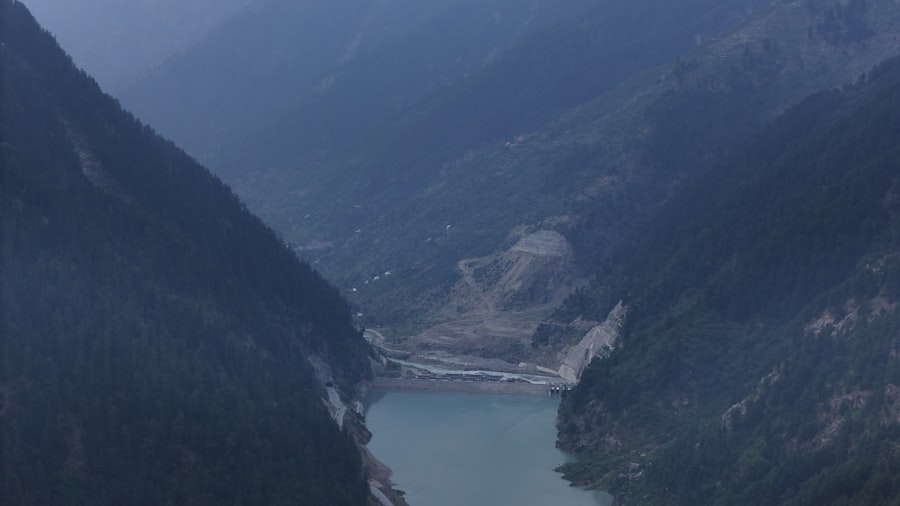
As of late 2023, the Three Gorges Dam continues to operate as a key component of China’s energy infrastructure. It generates approximately 100 terawatt-hours of electricity annually, contributing significantly to the country’s renewable energy goals. The dam has also played a vital role in flood control during heavy rainfall seasons, helping to protect millions of residents living along the Yangtze River.
However, ongoing environmental concerns persist alongside its operational successes. Reports indicate that water quality issues have arisen due to pollution from industrial activities upstream, affecting aquatic life and local communities dependent on fishing. Additionally, sedimentation continues to be a pressing issue that requires ongoing attention from engineers and environmentalists alike.
The balance between harnessing energy production and preserving ecological integrity remains a challenge for those managing the dam.
Expert opinions and predictions on the potential failure of the Three Gorges Dam
Experts hold varying opinions regarding the potential failure scenarios associated with the Three Gorges Dam. Some engineers express confidence in its design and construction, asserting that it can withstand significant natural disasters if properly maintained. They emphasize that ongoing monitoring efforts have proven effective in identifying potential vulnerabilities before they escalate into crises.
Conversely, other experts voice concerns about complacency regarding safety measures. They argue that while current monitoring systems are robust, they may not be sufficient to address unforeseen challenges posed by climate change or geological shifts. Predictions about future risks often highlight the need for continuous investment in infrastructure resilience to ensure that the dam can adapt to changing environmental conditions.
Economic and social implications of the Three Gorges Dam failure
The potential failure of the Three Gorges Dam would have catastrophic economic and social implications for China and beyond. A sudden breach could lead to widespread flooding in densely populated areas downstream, resulting in loss of life and displacement on an unprecedented scale. The economic repercussions would be staggering; industries reliant on stable water levels would face disruption, while agricultural lands could be rendered unusable due to flooding or contamination.
Socially, such an event would exacerbate existing inequalities as vulnerable populations would bear the brunt of disaster impacts. The psychological toll on affected communities would be immense, with long-term consequences for mental health and social cohesion. Recovery efforts would require substantial resources and time, further straining governmental capacities already challenged by other pressing issues.
Lessons learned from previous dam failures
History provides valuable lessons from previous dam failures that can inform current practices surrounding large-scale infrastructure projects like the Three Gorges Dam. Notable incidents such as the failure of the Banqiao Dam in 1975 serve as stark reminders of what can happen when safety protocols are neglected or when natural disasters exceed design expectations. These events underscore the importance of rigorous risk assessment and contingency planning.
Moreover, past failures highlight the necessity for transparent communication with local communities regarding potential risks associated with dams. Engaging stakeholders in discussions about safety measures fosters trust and ensures that residents are prepared for emergencies should they arise. Learning from history can help guide future decision-making processes related to dam management and infrastructure development.
Alternatives to the Three Gorges Dam
In light of ongoing concerns regarding large-scale dams like the Three Gorges Dam, alternative approaches to energy generation and flood control are gaining traction globally. Renewable energy sources such as solar, wind, and geothermal power offer promising solutions that do not require extensive alteration of natural landscapes or ecosystems.
Additionally, investing in decentralized energy systems can empower local communities by allowing them to harness their resources more effectively. Small-scale hydroelectric projects or community-based renewable initiatives can reduce reliance on large dams while promoting energy independence. Exploring these alternatives may pave the way for more sustainable practices that prioritize ecological health alongside human development.
Conclusion and future outlook for the Three Gorges Dam
The future outlook for the Three Gorges Dam remains complex as it navigates a landscape marked by both achievements and challenges. While it stands as a testament to human ingenuity in harnessing natural resources for energy production, it also serves as a cautionary tale about balancing progress with environmental stewardship. Ongoing monitoring efforts will be crucial in ensuring its structural integrity while addressing ecological concerns that arise from its operation.
As China continues to grapple with climate change impacts and evolving energy needs, discussions surrounding alternatives to large-scale dams will likely intensify. The lessons learned from both successes and failures will shape future infrastructure projects aimed at achieving sustainable development goals without compromising ecological integrity or community safety. Ultimately, how China manages this iconic structure will set precedents for similar projects worldwide as nations strive for a harmonious relationship between human advancement and environmental preservation.
Concerns about the structural integrity of the Three Gorges Dam have been a topic of discussion among experts and environmentalists alike. For a deeper understanding of the potential risks and implications surrounding this massive infrastructure project, you can read a related article on MyGeoQuest. It provides insights into the dam’s engineering challenges and the environmental impact of its operations. Check it out here: MyGeoQuest.
WATCH THIS! The $30 Billion Lie: Why China’s Three Gorges Dam Will Fail Sooner Than You Think
FAQs
What is the Three Gorges Dam?
The Three Gorges Dam is a hydroelectric gravity dam located on the Yangtze River in Hubei Province, China. It is the world’s largest power station in terms of installed capacity and was completed in 2012.
Is the Three Gorges Dam at risk of failing?
As of current engineering assessments, the Three Gorges Dam is structurally sound and regularly maintained. There is no credible evidence or prediction that it will fail imminently.
What factors could potentially threaten the dam’s integrity?
Potential threats include extreme natural events such as massive earthquakes, severe flooding beyond design capacity, or structural issues due to aging. However, the dam was designed to withstand significant seismic activity and flood events.
How is the safety of the Three Gorges Dam monitored?
The dam is equipped with advanced monitoring systems that track structural health, water pressure, and seismic activity. Regular inspections and maintenance are conducted by Chinese authorities to ensure safety.
What would happen if the Three Gorges Dam failed?
A failure would cause catastrophic flooding downstream, potentially affecting millions of people and causing extensive damage to infrastructure and the environment. However, such a scenario is considered highly unlikely due to the dam’s robust design and safety measures.
Are there any historical precedents of large dam failures similar to the Three Gorges Dam?
There have been dam failures worldwide, but none on the scale or design of the Three Gorges Dam. Modern engineering standards and continuous monitoring significantly reduce the risk of failure.
Can natural disasters cause the Three Gorges Dam to fail?
While natural disasters like earthquakes and floods pose risks, the dam was engineered to withstand such events within certain limits. Extreme, unprecedented natural disasters could pose challenges, but current data suggests the dam is resilient.
What measures are in place to prevent the failure of the Three Gorges Dam?
Preventive measures include rigorous design standards, continuous monitoring, emergency response planning, regular maintenance, and upgrades to infrastructure as needed.
Where can I find reliable information about the Three Gorges Dam’s safety?
Reliable information can be found through official Chinese government publications, international engineering assessments, academic research, and reputable news sources specializing in infrastructure and environmental studies.