
The Three Gorges Dam, an engineering marvel located on the Yangtze River in Hubei province, China, stands as the largest hydroelectric power station in the world. Completed in 2012, this colossal structure stretches over 2,300 meters in length and reaches a height of 185 meters. Designed to generate electricity, control flooding, and improve river navigation, the dam has become a symbol of China’s rapid modernization and ambition.
However, its sheer size and complexity also raise concerns about potential risks associated with its operation and maintenance. The dam’s construction involved the relocation of millions of people and the submergence of vast areas of land, leading to significant social and environmental changes. Despite its benefits, the Three Gorges Dam is not without controversy.
Critics argue that the dam poses a significant risk to the surrounding environment and communities. The potential for catastrophic failure looms large, with fears that a breach could unleash devastating consequences not only for local populations but also for the broader region and beyond. As such, understanding the implications of a possible dam failure is crucial for assessing the overall impact of this monumental project.
Key Takeaways
- The Three Gorges Dam is a critical infrastructure with significant economic, environmental, and social roles.
- Failure of the dam could severely disrupt agriculture, food supply, transportation, and trade networks.
- Massive displacement of populations and extensive infrastructure damage would result from a dam failure.
- Energy production would be heavily impacted, affecting power supply regionally and beyond.
- Recovery efforts highlight the importance of robust planning and risk management for future large-scale projects.
The potential economic impact of a Three Gorges Dam failure
Should the Three Gorges Dam fail, the economic ramifications would be staggering. The immediate aftermath would likely see extensive damage to infrastructure, leading to significant repair costs and economic disruption. The dam plays a critical role in regulating water flow along the Yangtze River, and its failure could result in catastrophic flooding downstream.
This flooding would not only destroy homes and businesses but also disrupt local economies that rely on stable water levels for agriculture and industry. Furthermore, the loss of hydroelectric power generated by the dam would create a substantial energy deficit. The Three Gorges Dam contributes approximately 10% of China’s total electricity supply, and its sudden absence would necessitate a rapid shift to alternative energy sources.
This transition could lead to increased energy prices and economic instability as industries scramble to adapt to new energy realities. The ripple effects of such a failure would extend far beyond local economies, potentially impacting national economic growth and stability.
Impact on agriculture and food supply
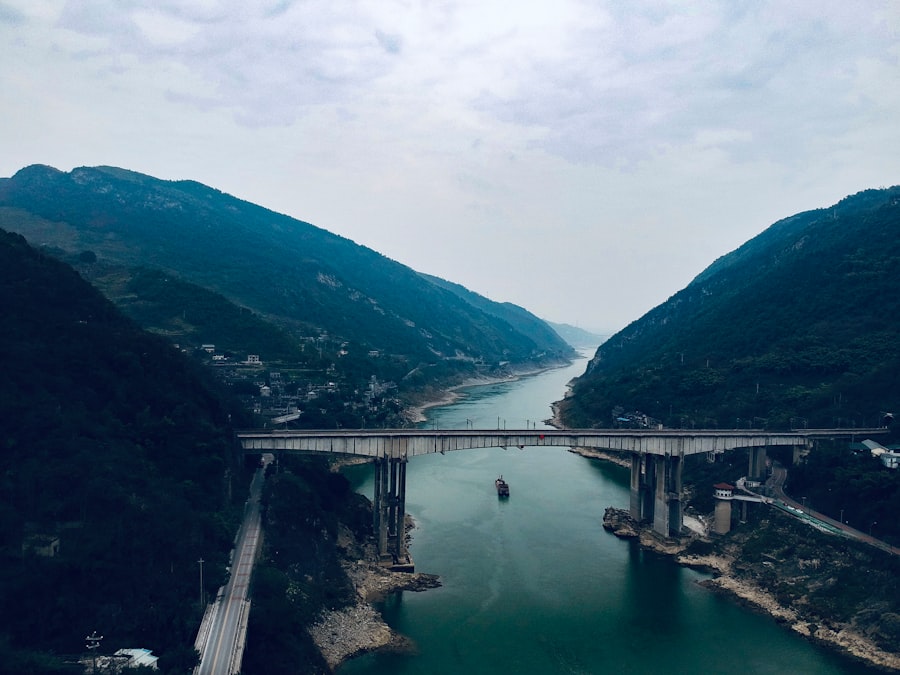
The agricultural sector would face severe challenges in the event of a Three Gorges Dam failure. The dam plays a vital role in regulating water levels for irrigation in surrounding areas, ensuring that crops receive adequate water throughout the growing season. A sudden influx of water from a dam breach could lead to widespread flooding, destroying farmland and displacing agricultural communities.
The loss of arable land would not only threaten local food supplies but could also lead to increased food prices across China. Moreover, the disruption of irrigation systems would have long-term consequences for food production. Farmers depend on consistent water management to cultivate their crops effectively.
A failure of the dam could result in prolonged drought conditions in some areas while others experience flooding, creating an unpredictable agricultural landscape. This instability could lead to food shortages, increased reliance on imports, and heightened competition for resources, ultimately affecting food security for millions.
Displacement of population and infrastructure damage
| Region | Displaced Population | Infrastructure Damage | Damage Type | Recovery Status |
|---|---|---|---|---|
| Region A | 150,000 | 75% | Residential Buildings | Ongoing |
| Region B | 80,000 | 40% | Roads and Bridges | Partial |
| Region C | 200,000 | 60% | Public Utilities | Delayed |
| Region D | 50,000 | 30% | Schools and Hospitals | Completed |
One of the most immediate consequences of a Three Gorges Dam failure would be the displacement of populations living in vulnerable areas downstream. The dam’s construction already necessitated the relocation of over a million people, but a catastrophic event could force even more individuals from their homes. The psychological and social toll on these communities would be immense, as families are uprooted and forced to start anew in unfamiliar environments.
In addition to human displacement, infrastructure damage would be widespread. Roads, bridges, and public facilities could be destroyed or rendered unusable by flooding or debris flow. The cost of rebuilding this infrastructure would be astronomical, diverting funds from other essential services and potentially leading to long-term economic decline in affected regions.
The challenge of providing adequate shelter and resources for displaced populations would further strain government resources and complicate recovery efforts.
Disruption to transportation and trade
The Three Gorges Dam is integral to transportation along the Yangtze River, facilitating trade and commerce throughout central China. A failure of the dam would disrupt shipping routes, leading to delays in the transport of goods and raw materials. This disruption could have cascading effects on supply chains both locally and nationally, as businesses struggle to adapt to new logistical challenges.
Moreover, the impact on trade would extend beyond China’s borders. The Yangtze River serves as a critical artery for international trade, connecting inland regions with coastal ports. A significant disruption could hinder exports and imports alike, affecting global markets that rely on Chinese goods.
As businesses grapple with increased shipping costs and delays, consumers may face higher prices for products, further exacerbating economic instability.
Energy production and power supply implications
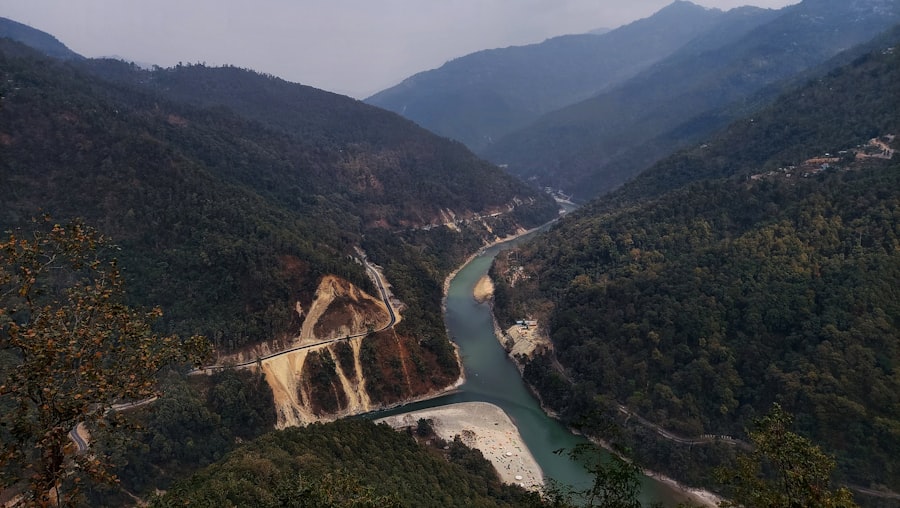
The Three Gorges Dam is a cornerstone of China’s energy strategy, providing clean hydroelectric power that reduces reliance on fossil fuels. A failure of this dam would not only eliminate a substantial portion of the country’s electricity supply but also create an urgent need for alternative energy sources. The sudden loss of power generation capacity could lead to blackouts and energy shortages across multiple provinces.
In response to this crisis, China would likely need to ramp up production from coal-fired power plants or other less environmentally friendly sources to compensate for the lost hydroelectric output. This shift could undermine China’s efforts to reduce carbon emissions and combat climate change, as reliance on fossil fuels increases. Additionally, energy prices could spike due to heightened demand for alternative sources, placing further strain on consumers and businesses alike.
Environmental consequences and ecological damage
The environmental consequences of a Three Gorges Dam failure would be profound and far-reaching. The immediate impact would include widespread flooding that could devastate local ecosystems, displacing wildlife and destroying habitats. The Yangtze River is home to numerous species, some of which are already endangered; a catastrophic event could push these species closer to extinction.
Furthermore, the long-term ecological damage could alter the river’s natural flow patterns and sediment transport processes. This disruption could lead to increased erosion along riverbanks and changes in water quality that affect both aquatic life and human populations relying on the river for drinking water. The loss of biodiversity resulting from such an event would have lasting implications for ecosystem health and resilience.
Economic implications for the global market
The potential failure of the Three Gorges Dam would not only have localized economic impacts but also reverberate through global markets. As one of the world’s largest economies, China’s stability is crucial for international trade and investment. A significant disruption caused by a dam failure could lead to decreased investor confidence in China, resulting in capital flight and reduced foreign direct investment.
Additionally, global supply chains that depend on Chinese manufacturing could face significant disruptions. Industries ranging from electronics to textiles rely on timely shipments from China; any delays or interruptions could lead to increased costs and reduced availability of goods worldwide. As businesses scramble to find alternative suppliers or adjust their operations, consumers may experience higher prices and limited product choices.
Insurance and financial repercussions
The financial implications of a Three Gorges Dam failure would extend into the insurance sector as well. Insurers would face enormous claims related to property damage, business interruption, and loss of life resulting from flooding or infrastructure collapse. The scale of these claims could lead to significant losses for insurance companies, potentially destabilizing parts of the financial sector.
Moreover, reinsurance markets could also be affected as primary insurers seek coverage for their losses. Increased claims from such a catastrophic event might lead insurers to raise premiums or tighten underwriting standards for similar infrastructure projects in the future. This shift could make it more challenging for governments or private entities to secure financing for large-scale infrastructure initiatives.
Government response and recovery efforts
In the wake of a Three Gorges Dam failure, government response efforts would be critical in mitigating immediate impacts and facilitating recovery. Emergency services would need to mobilize quickly to provide aid to affected populations, including search-and-rescue operations and medical assistance for those injured or displaced by flooding. Long-term recovery efforts would require substantial investment in rebuilding infrastructure and restoring services disrupted by the disaster.
Governments at various levels would need to coordinate their responses effectively while addressing public concerns about safety and future risks associated with large-scale infrastructure projects like the Three Gorges Dam.
Lessons learned and future considerations for large-scale infrastructure projects
The potential risks associated with the Three Gorges Dam highlight important lessons for future large-scale infrastructure projects worldwide. As nations continue to invest in ambitious engineering endeavors, it is crucial to prioritize safety measures, risk assessments, and contingency planning. Understanding potential vulnerabilities can help mitigate risks associated with catastrophic failures.
By learning from past experiences like those associated with the Three Gorges Dam, governments can better navigate the complexities of large-scale infrastructure development while safeguarding both people and ecosystems for generations to come.
The potential economic impact of a failure at the Three Gorges Dam is a topic of significant concern, as it could lead to catastrophic flooding and disruption of local economies. For a deeper understanding of the implications of such a disaster, you can refer to a related article that discusses the broader economic consequences of large infrastructure projects. This article can be found at this link.
WATCH THIS! The $30 Billion Lie: Why China’s Three Gorges Dam Will Fail Sooner Than You Think
FAQs
What is the Three Gorges Dam?
The Three Gorges Dam is the world’s largest hydroelectric power station, located on the Yangtze River in China. It serves multiple purposes including flood control, power generation, and improving river navigation.
What could cause the failure of the Three Gorges Dam?
Potential causes of failure include structural damage from natural disasters such as earthquakes or landslides, extreme flooding beyond design capacity, or operational errors. However, the dam is engineered to withstand significant stresses.
What are the immediate economic impacts of a Three Gorges Dam failure?
Immediate impacts would likely include massive flooding downstream, destruction of infrastructure, loss of agricultural land, displacement of millions of people, and disruption of transportation and power supply, leading to substantial economic losses.
How would a dam failure affect China’s energy supply?
The Three Gorges Dam generates a significant portion of China’s hydroelectric power. Its failure would cause a sudden loss of electricity generation capacity, leading to power shortages and increased reliance on alternative energy sources.
What are the long-term economic consequences of a dam failure?
Long-term consequences could include costly reconstruction efforts, loss of agricultural productivity, decreased industrial output in affected regions, increased government spending on disaster relief, and potential negative impacts on national and regional economic growth.
How might a failure impact global markets?
Given China’s role in the global economy, a failure could disrupt supply chains, affect commodity prices, and create uncertainty in international markets, especially if key industrial regions are impacted.
What measures are in place to prevent the failure of the Three Gorges Dam?
The dam is equipped with advanced monitoring systems, regular maintenance, and emergency response plans. Chinese authorities conduct continuous assessments to ensure structural integrity and manage water levels to prevent overloading.
Has the Three Gorges Dam ever experienced significant structural issues?
To date, there have been no publicly reported major structural failures. The dam has withstood several floods and seismic events, demonstrating its resilience.
What role does the Three Gorges Dam play in flood control?
The dam helps regulate the flow of the Yangtze River, reducing the risk of downstream flooding during heavy rains by storing excess water and releasing it gradually.
How can communities prepare for a potential dam failure?
Communities can develop emergency evacuation plans, participate in disaster drills, stay informed through official channels, and support infrastructure improvements to mitigate flood risks.