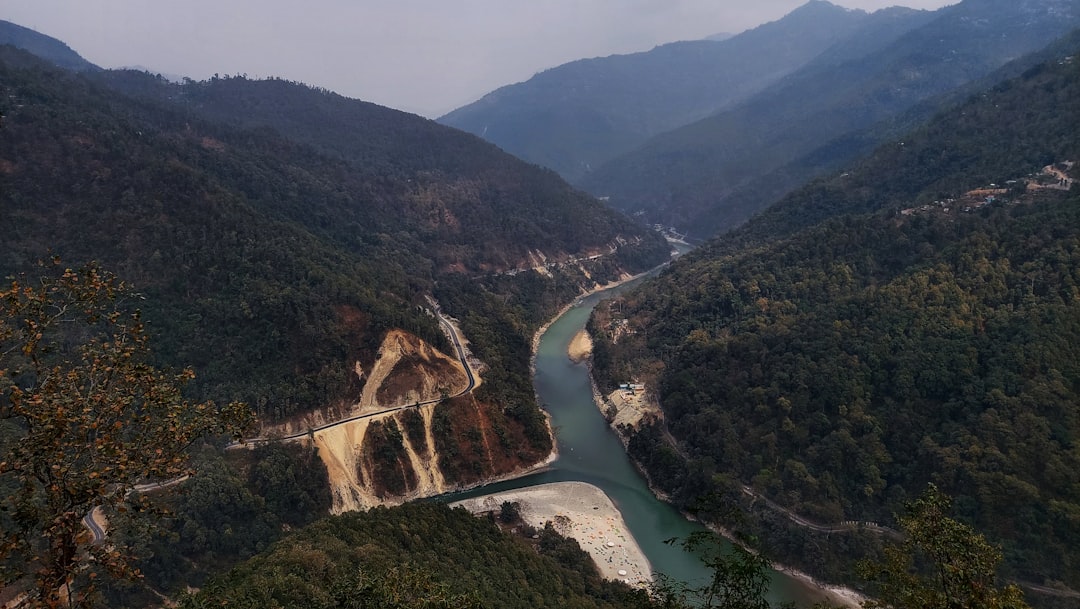
The Three Gorges Dam, located on the Yangtze River in Hubei province, China, stands as a monumental feat of engineering and a symbol of national pride. Its history dates back to the early 20th century when the idea of damming the Yangtze River was first proposed. However, it wasn’t until the 1950s that serious discussions began regarding the construction of a large-scale dam.
The Chinese government recognized the potential benefits of such a project, including flood control, hydroelectric power generation, and improved navigation along the river. Over the decades, plans evolved, and in 1994, construction officially commenced. The dam’s construction was not merely a technical endeavor; it was also a reflection of China’s ambitions during a period of rapid modernization.
The project gained momentum under the leadership of the Chinese Communist Party, which viewed it as a means to showcase China’s engineering capabilities and commitment to economic development. By 2012, the dam was completed, becoming the largest hydroelectric power station in the world in terms of installed capacity. The history of the Three Gorges Dam is thus intertwined with China’s broader narrative of progress and transformation.
Key Takeaways
- The Three Gorges Dam is a monumental hydroelectric project with significant historical and technological importance.
- Its construction involved complex engineering challenges and advanced technology.
- The dam has substantial environmental, social, and cultural impacts, including large-scale resettlement.
- It plays a crucial role in flood control and contributes significantly to China’s economy.
- Public awareness of the dam’s effects has been influenced by documentary films highlighting its multifaceted impact.
The Environmental Impact of the Three Gorges Dam
The environmental consequences of the Three Gorges Dam have been a topic of intense debate since its inception. While proponents argue that it has significantly reduced flooding risks and provided clean energy, critics highlight the adverse effects on local ecosystems. The dam has altered the natural flow of the Yangtze River, leading to changes in sediment transport and water quality.
These alterations have had cascading effects on aquatic life, including fish populations that rely on specific breeding grounds now submerged under the reservoir. Moreover, the creation of the dam’s reservoir has submerged vast areas of land, displacing numerous species and disrupting their habitats. The loss of biodiversity is a significant concern, as many endemic species face extinction due to these changes.
Additionally, the dam has contributed to increased water pollution levels in the Yangtze River, as industrial waste and agricultural runoff accumulate in the still waters of the reservoir. This complex interplay between human intervention and environmental health underscores the need for careful consideration of ecological impacts in large-scale infrastructure projects.
The Construction Process of the Three Gorges Dam
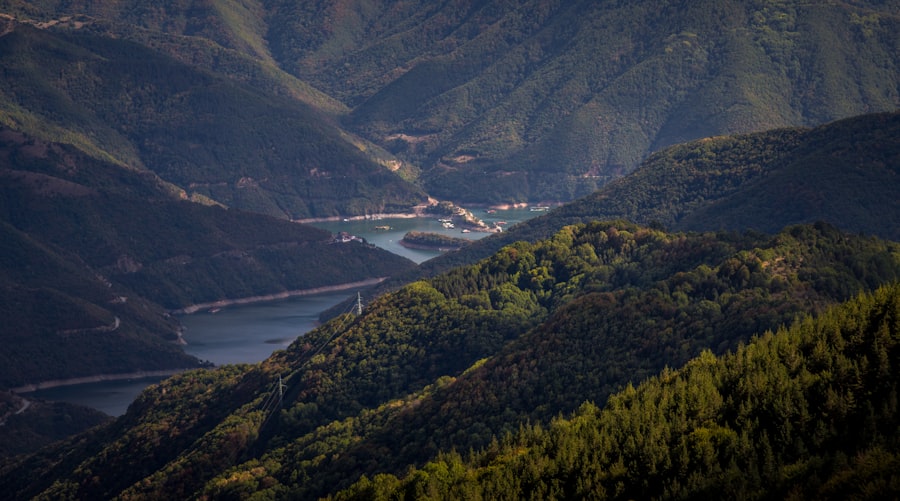
The construction of the Three Gorges Dam was an extraordinary engineering challenge that spanned nearly two decades. It involved thousands of workers and required immense resources and planning. The project began with extensive geological surveys and environmental assessments to determine the best approach for building such a massive structure.
Once construction commenced in 1994, workers faced numerous challenges, including harsh weather conditions and difficult terrain. The dam itself is an engineering marvel, measuring over 2,300 meters in length and 185 meters in height. It consists of a concrete gravity dam with multiple spillways and sluice gates designed to manage water flow effectively.
This required relocating entire communities and infrastructure, making it one of the most ambitious civil engineering projects in history. The sheer scale and complexity of the construction process reflect both human ingenuity and determination.
The Social and Cultural Impact of the Three Gorges Dam
| Impact Category | Metric/Indicator | Data/Value | Description |
|---|---|---|---|
| Population Displacement | Number of People Relocated | 1.3 million | Residents displaced due to reservoir flooding and dam construction. |
| Cultural Heritage | Number of Archaeological Sites Submerged | Over 1,300 | Sites lost underwater, including ancient temples and historical relics. |
| Community Impact | Number of Affected Villages | 1,350+ | Villages submerged or relocated due to dam reservoir. |
| Economic Livelihood | Change in Fishing Industry Output | Decrease by 50% | Reduction in fish catch downstream due to altered river ecosystem. |
| Social Stability | Reported Social Conflicts | Increased incidents post-relocation | Conflicts arising from resettlement and compensation issues. |
| Tourism | Annual Visitors to Three Gorges Area | Approx. 20 million | Growth in tourism due to dam and reservoir scenery. |
| Environmental Impact | Change in Biodiversity | Significant decline in native species | Altered habitats affecting flora and fauna diversity. |
The social ramifications of the Three Gorges Dam extend far beyond its physical structure. The project necessitated the relocation of over a million people from their homes, leading to significant upheaval in local communities.
The displacement has sparked discussions about social justice and the rights of individuals versus national interests. Culturally, the dam has altered the landscape of the region, submerging historical sites and altering traditional ways of life. Many towns that once thrived along the Yangtze River have been submerged, erasing centuries of history and cultural identity.
The loss of these sites has prompted concerns about preserving cultural heritage in the face of modernization. As communities adapt to their new circumstances, they grapple with maintaining their cultural identity while integrating into a rapidly changing society.
The Economic Benefits of the Three Gorges Dam
Despite its controversies, the Three Gorges Dam has brought significant economic benefits to China. As one of the largest hydroelectric power stations globally, it generates an impressive amount of electricity—approximately 100 terawatt-hours annually. This renewable energy source has helped reduce China’s reliance on coal, contributing to cleaner air and lower greenhouse gas emissions.
The dam’s power generation capacity has also supported industrial growth in surrounding regions, fostering economic development. In addition to energy production, the dam has improved navigation along the Yangtze River, facilitating trade and transportation. By allowing larger vessels to navigate upstream, it has enhanced shipping efficiency and reduced transportation costs for goods moving between inland areas and coastal ports.
This improvement in logistics has stimulated economic activity in various sectors, from agriculture to manufacturing. Overall, while acknowledging its environmental and social challenges, many recognize that the Three Gorges Dam has played a crucial role in China’s economic transformation.
The Challenges Faced During the Construction of the Three Gorges Dam
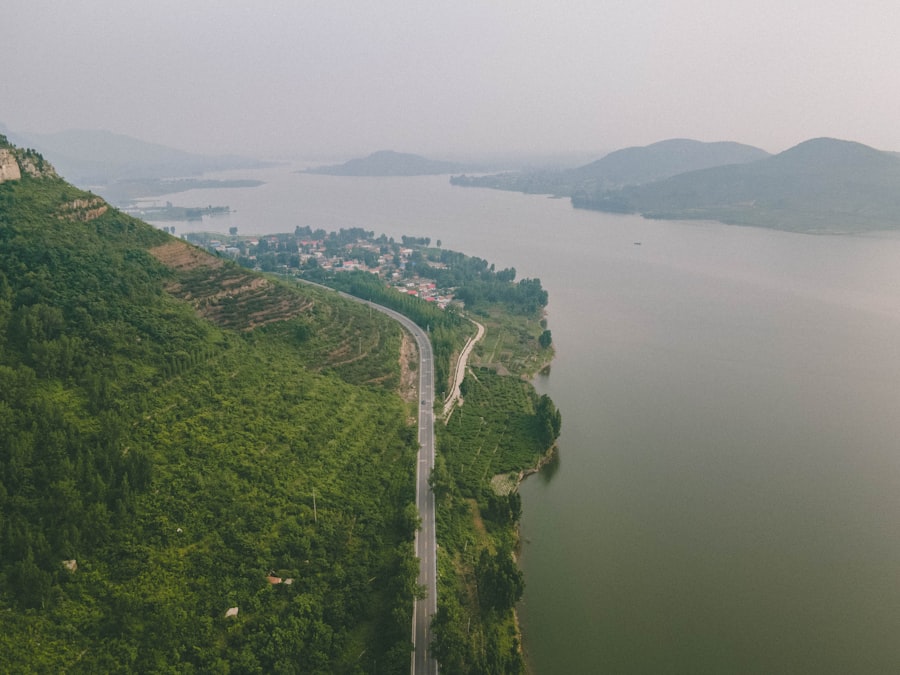
The construction of the Three Gorges Dam was fraught with challenges that tested both engineering capabilities and human resilience. One significant hurdle was managing the geological complexities of the Yangtze River basin. Engineers had to contend with varying rock formations and potential seismic activity in an area known for its geological instability.
This necessitated innovative solutions to ensure the dam’s structural integrity over time. Additionally, logistical challenges arose from relocating entire communities and infrastructure to make way for the reservoir. Coordinating this massive resettlement effort required careful planning and execution to minimize disruption to people’s lives.
Many faced difficulties adapting to new environments, leading to social tensions and economic hardships for those displaced. These challenges highlight not only the technical aspects of such a monumental project but also the human dimensions that must be considered in large-scale infrastructure endeavors.
The Role of the Three Gorges Dam in Flood Control
One of the primary motivations behind constructing the Three Gorges Dam was its potential for flood control along the Yangtze River. Historically, this river has been prone to devastating floods that have caused significant loss of life and property damage. By regulating water flow through its reservoir system, the dam aims to mitigate these risks and protect downstream communities from catastrophic flooding events.
The effectiveness of the dam in flood control has been demonstrated during periods of heavy rainfall when water levels rise dramatically. By strategically releasing water from its reservoir, operators can manage flow rates downstream, reducing pressure on riverbanks and minimizing flood risks. This capability has provided a sense of security for millions living along the river’s banks, transforming how communities prepare for seasonal flooding events.
The Resettlement of People Affected by the Three Gorges Dam
The resettlement process associated with the Three Gorges Dam remains one of its most contentious aspects. Over a million people were displaced as their homes were submerged by rising waters, leading to widespread social disruption. The Chinese government implemented resettlement programs aimed at providing compensation and support for those affected; however, many individuals reported inadequate compensation and insufficient assistance in adapting to new living conditions.
The challenges faced by resettled communities varied widely depending on their previous socio-economic status and local resources available in their new locations. Some individuals found it difficult to secure employment or adapt to different agricultural practices in unfamiliar environments. This struggle often led to feelings of alienation and resentment among those who felt their voices were not heard during planning processes.
As such, resettlement remains a critical issue that continues to shape discussions around large-scale infrastructure projects.
The Future of the Three Gorges Dam
Looking ahead, the future of the Three Gorges Dam is likely to be shaped by ongoing debates about sustainability and environmental stewardship. As climate change continues to impact weather patterns globally, concerns about water management will become increasingly pressing. The dam’s ability to adapt to changing conditions will be crucial for maintaining its role as a reliable source of energy and flood control.
Moreover, technological advancements may play a significant role in enhancing operational efficiency at the dam. Innovations in monitoring systems could improve water management practices while minimizing ecological impacts on surrounding ecosystems. As China continues to pursue ambitious energy goals alongside environmental protection initiatives, finding a balance between development and sustainability will be essential for ensuring that projects like the Three Gorges Dam remain viable long into the future.
The Technology Used in Building the Three Gorges Dam
The construction of the Three Gorges Dam involved cutting-edge technology that pushed engineering boundaries at every stage. Advanced computer modeling techniques were employed to simulate water flow dynamics and assess potential impacts on surrounding ecosystems before construction began. This foresight allowed engineers to design a dam capable of withstanding extreme weather events while optimizing energy production.
Additionally, innovative construction methods were utilized throughout the building process itself. For instance, large-scale concrete pouring techniques enabled workers to create massive structures efficiently while ensuring structural integrity under immense pressure from water forces. The use of modern machinery also facilitated rapid excavation and material transport across challenging terrains—factors critical for completing such an ambitious project within its designated timeline.
The Three Gorges Dam: A Documentary Film’s Impact on Public Awareness
Documentary films about the Three Gorges Dam have played an essential role in shaping public awareness regarding its multifaceted impacts on society and environment alike. These films often highlight personal stories from those affected by displacement while providing insights into broader ecological concerns associated with large-scale infrastructure projects. By presenting diverse perspectives through compelling narratives, these documentaries foster greater understanding among audiences worldwide.
Furthermore, such films serve as powerful tools for advocacy by raising awareness about issues often overlooked in mainstream discourse surrounding development projects like dams. They encourage viewers to consider not only economic benefits but also social justice implications tied to resettlement efforts or environmental degradation resulting from human intervention in natural systems. Ultimately, documentaries about the Three Gorges Dam contribute significantly toward fostering informed discussions about sustainable development practices moving forward.
In conclusion, while the Three Gorges Dam stands as an engineering marvel with undeniable economic benefits for China, it also embodies complex social and environmental challenges that continue to resonate today. Its history reflects both ambition and consequence—a reminder that progress often comes at a cost that must be carefully weighed against long-term sustainability goals.
The Three Gorges Dam, a monumental engineering project on the Yangtze River in China, has been the subject of extensive analysis and discussion due to its environmental and social impacts. For those interested in exploring this topic further, a related article can be found on My Geo Quest, which delves into the implications of such large-scale infrastructure projects. You can read more about it in this insightful piece: My Geo Quest.
WATCH THIS! The $30 Billion Lie: Why China’s Three Gorges Dam Will Fail Sooner Than You Think
FAQs
What is the Three Gorges Dam?
The Three Gorges Dam is a hydroelectric gravity dam located on the Yangtze River in Hubei Province, China. It is the world’s largest power station in terms of installed capacity.
What is the purpose of the Three Gorges Dam?
The dam was built primarily for flood control, hydroelectric power production, and to improve river navigation along the Yangtze River.
When was the Three Gorges Dam constructed?
Construction of the Three Gorges Dam began in 1994 and was completed in 2012, with power generation starting in stages from 2003 onwards.
What are some environmental impacts of the Three Gorges Dam?
The dam has caused significant ecological changes, including habitat loss, changes in sediment flow, and impacts on aquatic species. It has also led to the displacement of over a million people.
What topics are typically covered in a documentary about the Three Gorges Dam?
Documentaries often explore the dam’s engineering feats, environmental and social impacts, economic benefits, political controversies, and the experiences of displaced communities.
Why is the Three Gorges Dam significant?
It is significant due to its scale as the largest hydroelectric dam in the world, its role in flood control, renewable energy production, and its impact on China’s development and environment.
Are there any controversies associated with the Three Gorges Dam?
Yes, controversies include environmental degradation, displacement of residents, cultural heritage loss, and concerns about geological stability and sedimentation.
Where can I watch documentaries about the Three Gorges Dam?
Documentaries can be found on various streaming platforms, educational websites, and sometimes on television channels specializing in history, science, or environmental topics.