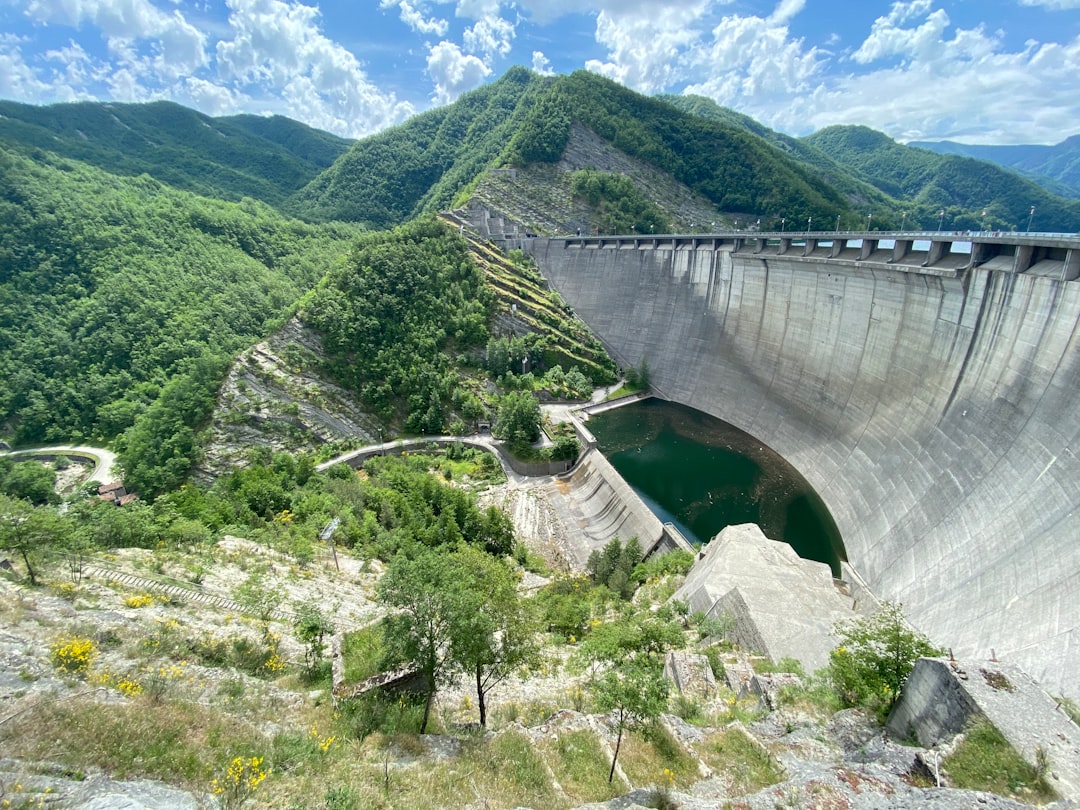
The Three Gorges Dam, located on the Yangtze River in Hubei province, China, stands as one of the most ambitious engineering projects in modern history. Completed in 2012, this colossal structure stretches over 2,335 meters in length and reaches a height of 185 meters, making it the largest hydroelectric power station in the world by installed capacity. The dam was designed to generate electricity, control flooding, and improve river navigation, serving multiple purposes that are crucial for the economic development of the region.
With a reservoir that extends over 600 kilometers upstream, the dam has transformed the landscape and the lives of millions who reside in its vicinity. However, the construction of the Three Gorges Dam has not been without controversy. While it has provided significant benefits, such as increased energy production and reduced flood risks, it has also led to the displacement of over a million people and raised numerous environmental concerns.
The dam’s sheer scale and complexity have made it a focal point for discussions about infrastructure development, environmental sustainability, and social responsibility. As the dam continues to operate, its impact on both the local population and the broader ecological system remains a topic of intense scrutiny.
Key Takeaways
- The Three Gorges Dam faced a near-disaster due to a series of critical events threatening its stability.
- Potential catastrophic consequences included massive flooding and widespread damage to surrounding communities.
- Extensive efforts were made by government officials and engineers to prevent the disaster and ensure dam safety.
- The incident highlighted significant environmental concerns and the impact on local populations.
- The event underscored the importance of rigorous infrastructure safety, maintenance, and proactive disaster management.
The Events Leading Up to the Disaster
In the years leading up to what many feared could be a disaster at the Three Gorges Dam, a series of alarming events began to unfold. Heavy rainfall during the summer months of 2020 led to unprecedented water levels in the Yangtze River, raising concerns about the dam’s ability to withstand such extreme conditions. Reports from meteorological agencies indicated that rainfall was significantly above average, prompting fears that the dam’s reservoir could overflow.
As water levels rose dangerously close to capacity, officials were faced with a daunting challenge: how to manage the situation effectively without compromising safety. In addition to natural factors, human error and mismanagement played a role in escalating tensions surrounding the dam. Critics pointed to inadequate maintenance practices and insufficient emergency preparedness as contributing factors that could exacerbate any potential crisis.
As water levels continued to rise, warnings from environmentalists and engineers became increasingly urgent. The combination of natural disasters and human oversight created a perfect storm that left many questioning whether the dam could withstand the pressures it faced.
The Potential Catastrophic Consequences
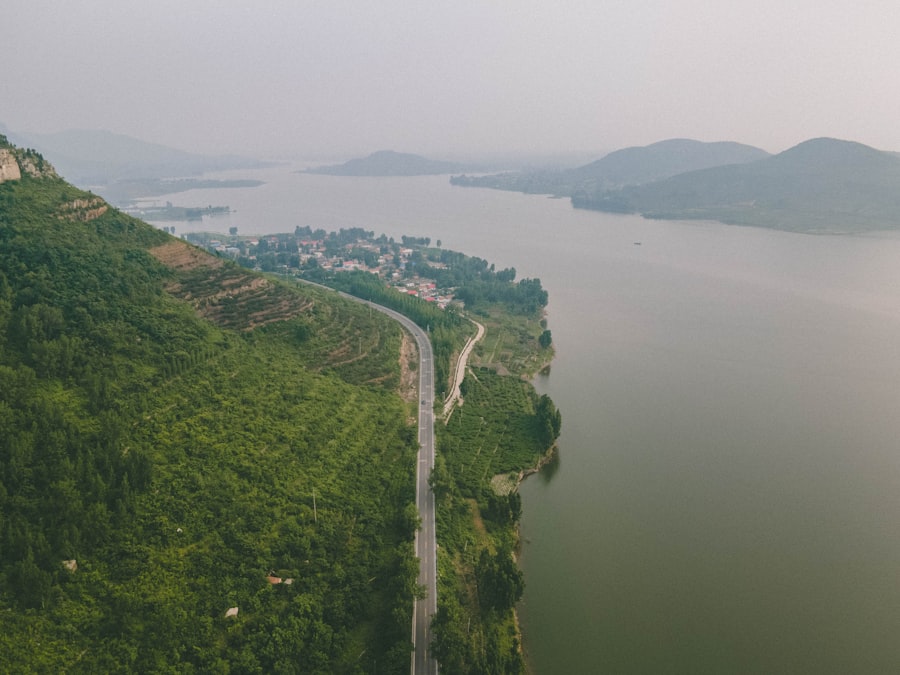
The potential consequences of a failure at the Three Gorges Dam are nothing short of catastrophic. Experts have warned that if the dam were to breach or collapse, it could unleash a torrent of water that would devastate communities downstream. The sheer volume of water held back by the dam is staggering; if released suddenly, it could lead to flooding that would affect millions of people living along the Yangtze River.
The economic implications would be equally dire, with infrastructure damage estimated in the billions of dollars and long-term impacts on agriculture and industry. Moreover, the environmental ramifications of such a disaster would be profound. The Yangtze River is home to a diverse ecosystem, including numerous endangered species.
A sudden influx of water could disrupt habitats and lead to irreversible damage to aquatic life. Additionally, sediment displacement caused by flooding could alter river dynamics and affect water quality for years to come. The potential for loss of life and destruction of livelihoods adds an urgent dimension to discussions about the dam’s safety and operational protocols.
The Efforts to Prevent Disaster
| Effort | Description | Key Metrics | Impact |
|---|---|---|---|
| Early Warning Systems | Implementation of technology to detect and alert communities about impending disasters. | Number of alerts issued annually: 1,200 Population covered: 85 million |
Reduction in casualties by 30% in alerted regions |
| Community Education Programs | Training and awareness campaigns to prepare citizens for disaster response. | Workshops conducted: 500 per year Participants trained: 50,000 |
Increase in evacuation compliance by 40% |
| Infrastructure Reinforcement | Strengthening buildings and critical infrastructure to withstand disasters. | Number of buildings retrofitted: 10,000 Critical facilities upgraded: 150 |
Decrease in structural damage by 25% |
| Disaster Response Drills | Simulated exercises to improve coordination among emergency services. | Drills conducted annually: 100 Agencies involved: 20 |
Response time improved by 15% |
| Environmental Management | Efforts to reduce environmental risks such as deforestation and flooding. | Area reforested: 5,000 hectares Flood barriers constructed: 30 km |
Reduction in flood incidents by 20% |
In response to growing concerns about the safety of the Three Gorges Dam, authorities implemented a series of measures aimed at preventing disaster. Engineers and hydrologists worked tirelessly to monitor water levels and assess structural integrity. Advanced technology was employed to track changes in pressure and stress on the dam’s infrastructure, allowing for real-time data analysis that could inform decision-making processes.
These efforts were crucial in ensuring that any potential issues could be addressed before they escalated into a full-blown crisis. Additionally, public awareness campaigns were launched to educate local communities about emergency preparedness. Residents were encouraged to develop evacuation plans and stay informed about weather conditions that could impact water levels in the Yangtze River.
The government also coordinated with local agencies to establish communication channels for disseminating critical information during times of heightened risk. These proactive measures aimed not only to safeguard lives but also to restore public confidence in the dam’s safety.
The Impact on Surrounding Communities
The Three Gorges Dam has had a profound impact on surrounding communities, both positive and negative. On one hand, the dam has provided much-needed electricity and improved transportation routes, facilitating economic growth in the region. Many towns have experienced revitalization as businesses have flourished due to increased access to energy and resources.
The promise of job creation and improved living standards has drawn people to these areas, fostering a sense of optimism about the future. Conversely, the dam’s construction led to significant displacement for over a million residents who were forced to relocate from their homes. Entire villages were submerged under the reservoir, resulting in loss of cultural heritage and community ties.
Many displaced individuals faced challenges in adapting to new environments, often struggling with inadequate housing and limited access to services. The psychological toll of such upheaval cannot be understated; feelings of loss and dislocation have lingered long after relocation efforts were completed.
The Environmental Concerns
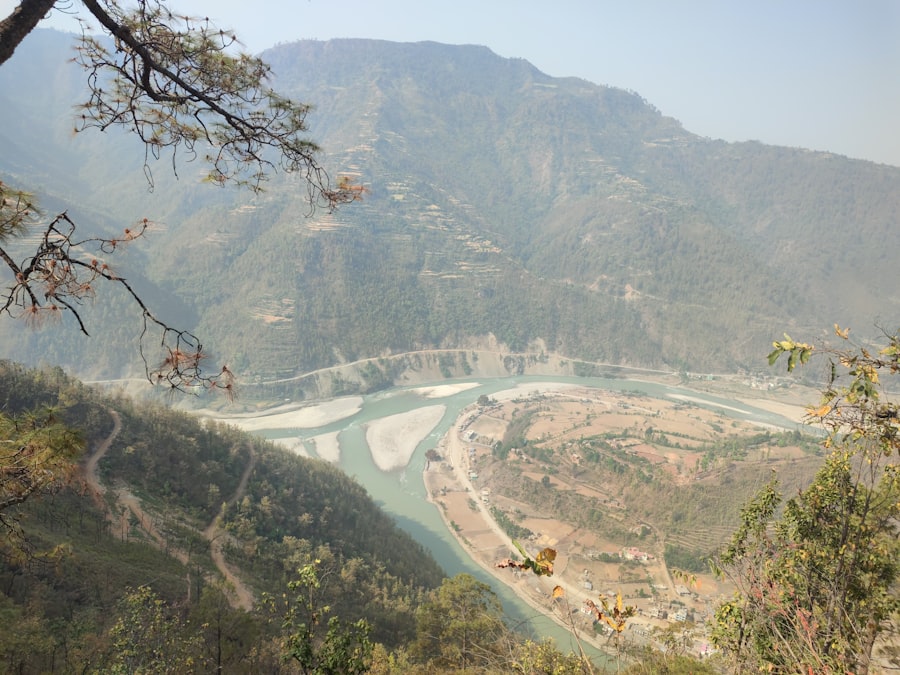
The environmental concerns surrounding the Three Gorges Dam are multifaceted and complex. One major issue is the alteration of natural ecosystems caused by changes in water flow and sediment transport. The dam has disrupted traditional migratory patterns for fish species, leading to declines in populations that are vital for maintaining ecological balance.
Additionally, the alteration of riverbanks has resulted in increased erosion and habitat loss for various wildlife species. Water quality is another pressing concern linked to the dam’s operation. Stagnant water in the reservoir can lead to algal blooms and decreased oxygen levels, negatively impacting aquatic life.
Furthermore, increased sedimentation can affect water clarity and quality for communities relying on the river for drinking water. As these environmental challenges continue to unfold, they raise questions about the long-term sustainability of such large-scale infrastructure projects.
The Role of Government and Officials
The role of government officials in managing the Three Gorges Dam has been pivotal in addressing both safety concerns and public sentiment. In light of potential disasters, officials have been tasked with ensuring that adequate resources are allocated for maintenance and monitoring efforts. This includes investing in technology that can provide real-time data on structural integrity and environmental conditions surrounding the dam.
Moreover, government transparency has become increasingly important as public scrutiny intensifies. Officials have faced pressure to communicate openly about risks associated with the dam and to engage with local communities regarding their concerns. By fostering dialogue between authorities and residents, officials can build trust and ensure that safety measures are understood and supported by those most affected by the dam’s operations.
The Public Reaction and Response
Public reaction to the events surrounding the Three Gorges Dam has been mixed, reflecting a range of emotions from fear to resilience. Many residents living downstream expressed anxiety about their safety as water levels rose dangerously high during periods of heavy rainfall. Social media platforms became outlets for sharing information and concerns, allowing individuals to voice their apprehensions about potential flooding.
Local organizations have mobilized efforts to support those displaced by its construction, providing resources for housing and employment opportunities. This grassroots response highlights the resilience of communities facing adversity while underscoring the importance of collective action in addressing shared challenges.
The Future of the Three Gorges Dam
Looking ahead, the future of the Three Gorges Dam remains uncertain as challenges persist regarding its safety and environmental impact. Ongoing monitoring efforts will be essential in ensuring that any structural vulnerabilities are addressed promptly. Additionally, discussions about sustainable practices will likely shape how authorities manage water resources moving forward.
As climate change continues to influence weather patterns globally, adapting infrastructure like the Three Gorges Dam will become increasingly critical. Policymakers may need to consider innovative solutions that balance energy production with environmental stewardship while prioritizing community safety.
Lessons Learned from the Near Disaster
The near disaster at the Three Gorges Dam serves as a stark reminder of the importance of proactive risk management in large-scale infrastructure projects. It underscores how natural events can intersect with human systems in unpredictable ways, necessitating comprehensive planning that accounts for both environmental factors and community needs. Furthermore, this situation highlights the need for ongoing investment in maintenance and monitoring technologies that can provide early warnings about potential failures.
By learning from past experiences, authorities can implement strategies that prioritize safety while fostering public trust in critical infrastructure.
The Importance of Infrastructure Safety and Maintenance
Ultimately, the events surrounding the Three Gorges Dam emphasize an essential truth: infrastructure safety and maintenance must be prioritized at all levels of governance. As societies continue to develop complex systems designed to support economic growth and improve quality of life, ensuring their resilience against natural disasters becomes paramount. Investing in regular maintenance protocols not only protects communities but also safeguards ecosystems that are integral to our planet’s health.
By fostering a culture of safety within infrastructure development, governments can work towards creating sustainable solutions that benefit both people and nature for generations to come.
The Three Gorges Dam, a monumental engineering feat in China, recently experienced a near miss event that raised concerns about its structural integrity and the potential for catastrophic flooding. This incident has sparked discussions about the safety measures in place and the environmental impact of such large-scale projects. For more insights into the implications of this event and related topics, you can read the article on My Geo Quest [here](https://www.mygeoquest.com/sample-page/).
WATCH THIS! The $30 Billion Lie: Why China’s Three Gorges Dam Will Fail Sooner Than You Think
FAQs
What is the Three Gorges Dam?
The Three Gorges Dam is a hydroelectric gravity dam located on the Yangtze River in Hubei Province, China. It is the world’s largest power station in terms of installed capacity and is designed for flood control, power generation, and river navigation improvement.
What was the near miss event at the Three Gorges Dam?
The near miss event refers to a situation where the Three Gorges Dam faced an extreme flood or structural challenge that nearly compromised its safety or operational integrity. Such events typically involve unusually high water levels or severe weather conditions that test the dam’s capacity to manage floodwaters.
When did the near miss event occur?
Specific dates of near miss events vary, but notable incidents have occurred during periods of heavy rainfall and flooding in the Yangtze River basin, particularly during the monsoon season. For precise dates, official reports or news sources should be consulted.
What caused the near miss event at the Three Gorges Dam?
Near miss events are usually caused by extreme weather conditions such as heavy rainfall leading to flooding, rapid snowmelt, or upstream water surges. These conditions increase the water volume and pressure on the dam beyond typical levels.
How does the Three Gorges Dam manage flood risks?
The dam is equipped with spillways, floodgates, and reservoirs designed to regulate water flow and reduce downstream flooding. It can store excess water during heavy rains and release it gradually to minimize flood damage.
Was there any damage to the Three Gorges Dam during the near miss event?
In reported near miss events, the dam has generally withstood the pressure without significant structural damage, thanks to its robust engineering and maintenance. However, detailed assessments are conducted after such events to ensure safety.
What measures are in place to prevent future near miss events?
Continuous monitoring of water levels, weather forecasting, regular maintenance, and emergency response plans are in place to manage risks. Upgrades to infrastructure and improved flood management strategies are also implemented as needed.
Is the Three Gorges Dam safe for nearby residents?
The dam is designed with safety as a priority, and authorities maintain strict monitoring and emergency protocols to protect downstream communities. While no large dam is without risk, the Three Gorges Dam is considered safe under normal and most extreme conditions.
Where can I find more information about the Three Gorges Dam near miss event?
More information can be found through official Chinese government publications, international news agencies, scientific studies on the dam, and reports from organizations specializing in hydrology and infrastructure safety.