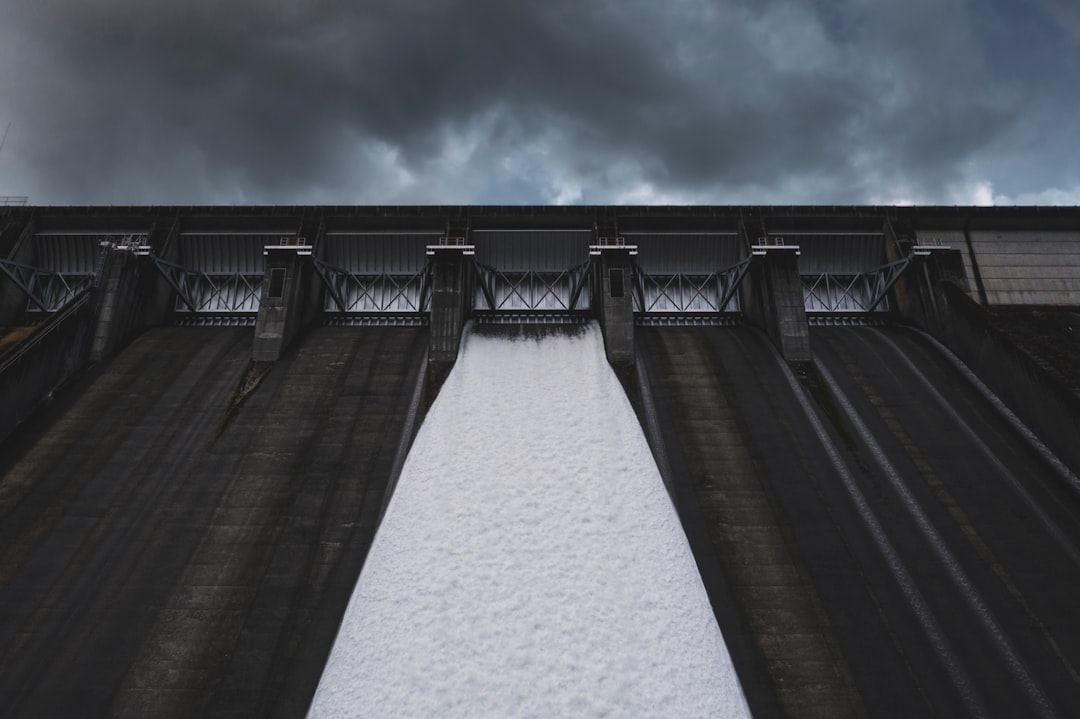
Gravity dams are monumental structures designed to hold back water through their sheer weight and mass. Constructed primarily from concrete or masonry, these dams rely on the force of gravity to resist the pressure exerted by the water they contain. Their design is straightforward yet effective, making them a popular choice for water storage, flood control, and hydroelectric power generation.
The fundamental principle behind a gravity dam is that its weight must be sufficient to counteract the hydrostatic pressure of the water, ensuring stability and safety. The significance of gravity dams extends beyond their engineering marvels; they play a crucial role in managing water resources in various regions around the world. By creating reservoirs, these structures provide essential water supply for agricultural, industrial, and domestic use.
Additionally, they help mitigate flooding risks and generate renewable energy through hydropower. However, despite their robust design, gravity dams are not immune to failure. Understanding the causes and implications of such failures is vital for ensuring the safety and longevity of these critical infrastructures.
Key Takeaways
- Gravity dams rely on their weight to resist water pressure, making design and geological factors critical.
- Failures often result from geological weaknesses, design flaws, or environmental stresses.
- Dam failures can cause severe economic losses, environmental damage, and human casualties.
- Notable case studies highlight the importance of thorough site analysis and construction quality.
- Preventative measures include improved design standards, regular inspections, and addressing environmental impacts.
Causes of Failure in Gravity Dams
The failure of gravity dams can occur due to a multitude of factors, each contributing to the potential for catastrophic outcomes. One of the primary causes is the structural integrity of the dam itself. Over time, materials can degrade due to environmental conditions, leading to cracks, leaks, or even complete structural failure.
Additionally, the accumulation of water pressure can exacerbate these issues, particularly if the dam was not designed to withstand extreme conditions or if maintenance has been neglected. Another significant cause of failure is related to the geological and geotechnical conditions surrounding the dam. The stability of a gravity dam is heavily influenced by the foundation on which it rests.
If the underlying soil or rock is unstable or has not been adequately assessed during the design phase, it can lead to settlement or sliding of the dam structure. Furthermore, seismic activity can pose a serious threat, as earthquakes can induce forces that exceed the dam’s design limits, resulting in severe damage or collapse.
Geological and Geotechnical Factors
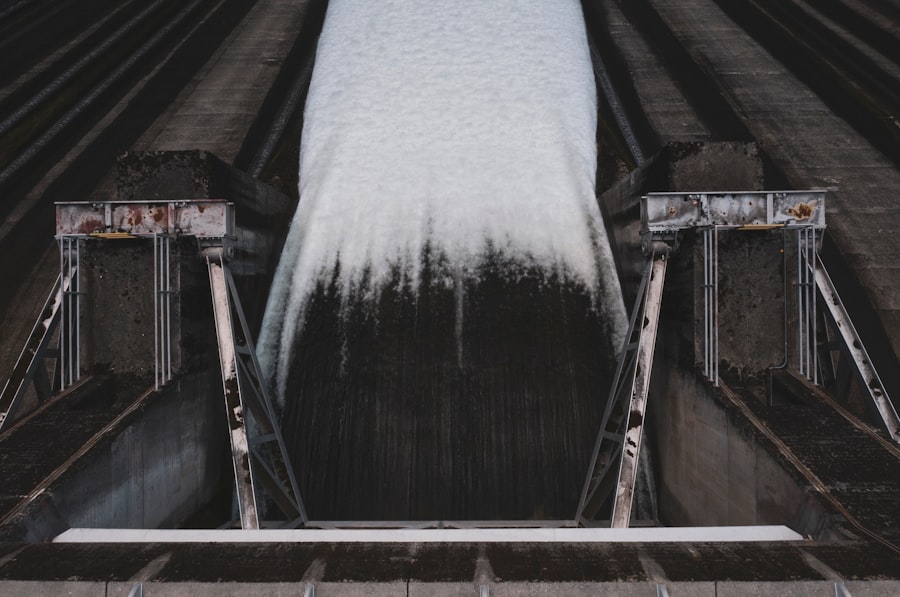
Geological and geotechnical factors play a pivotal role in the stability and safety of gravity dams. The foundation geology must be thoroughly evaluated before construction begins, as any weaknesses in the underlying materials can lead to significant issues down the line. For instance, if a dam is built on loose or unconsolidated soil, it may experience settlement or lateral movement over time, compromising its structural integrity.
Engineers must conduct comprehensive geological surveys to identify potential risks and ensure that the dam is anchored securely to stable bedrock. Moreover, groundwater conditions can also impact the performance of gravity dams. High groundwater levels can increase pore water pressure within the soil, reducing its effective stress and leading to instability.
This phenomenon can be particularly problematic in areas with fluctuating water tables or heavy rainfall. Engineers must consider these factors during both the design and construction phases to mitigate risks associated with geological instability.
Design and Construction Flaws
| Flaw Type | Description | Common Causes | Impact | Detection Method | Mitigation Strategies |
|---|---|---|---|---|---|
| Structural Deficiencies | Weaknesses in load-bearing elements | Poor design, substandard materials, workmanship errors | Risk of collapse, safety hazards | Structural analysis, inspections, load testing | Quality control, adherence to codes, regular inspections |
| Waterproofing Failures | Inadequate sealing leading to water ingress | Improper material application, design oversight | Water damage, mold growth, material degradation | Visual inspection, moisture meters, infrared scanning | Use of proper materials, correct installation, maintenance |
| Thermal Insulation Issues | Insufficient insulation causing heat loss/gain | Design errors, material substitution, installation gaps | Increased energy costs, occupant discomfort | Thermal imaging, energy audits | Proper design, quality materials, thorough installation |
| Foundation Problems | Settlement, cracking, or shifting of foundation | Poor soil analysis, inadequate design, construction errors | Structural instability, costly repairs | Geotechnical surveys, visual inspection, monitoring | Comprehensive soil testing, proper design, quality control |
| Material Defects | Use of substandard or inappropriate materials | Cost-cutting, lack of quality checks | Reduced durability, safety risks | Material testing, certification verification | Strict procurement policies, testing, supplier vetting |
| Design Coordination Errors | Conflicts between architectural, structural, and MEP designs | Poor communication, lack of integrated design process | Construction delays, rework, increased costs | Design reviews, BIM coordination | Collaborative design approach, regular coordination meetings |
Design and construction flaws are critical contributors to the failure of gravity dams. Even minor miscalculations in design can have significant repercussions when it comes to structural integrity. For example, if a dam is not designed to accommodate potential changes in water levels or seismic activity, it may be unable to withstand extreme conditions.
Additionally, inadequate attention to detail during construction can lead to defects such as improper alignment or insufficient reinforcement, which can compromise the dam’s overall strength. Furthermore, the choice of materials used in construction is paramount. If substandard materials are employed or if there are inconsistencies in quality control during construction, it can lead to premature deterioration of the dam structure.
Regular inspections and maintenance are essential to identify any potential issues early on and ensure that the dam remains safe and functional throughout its lifespan.
Environmental Factors
Environmental factors significantly influence the performance and longevity of gravity dams. Changes in climate patterns can lead to increased rainfall or prolonged droughts, both of which can affect water levels in reservoirs. For instance, excessive rainfall can result in overtopping, where water flows over the top of the dam, potentially leading to erosion and structural damage.
Conversely, prolonged droughts can reduce reservoir levels, increasing stress on the dam structure as it adjusts to fluctuating conditions. Additionally, sedimentation within reservoirs can pose challenges for gravity dams. Over time, sediment can accumulate behind a dam, reducing its storage capacity and altering water flow patterns.
This buildup can increase pressure on the dam and may necessitate costly dredging operations to maintain functionality. Environmental considerations must be integrated into dam management strategies to ensure that these structures remain effective in changing conditions.
Consequences of Gravity Dam Failures
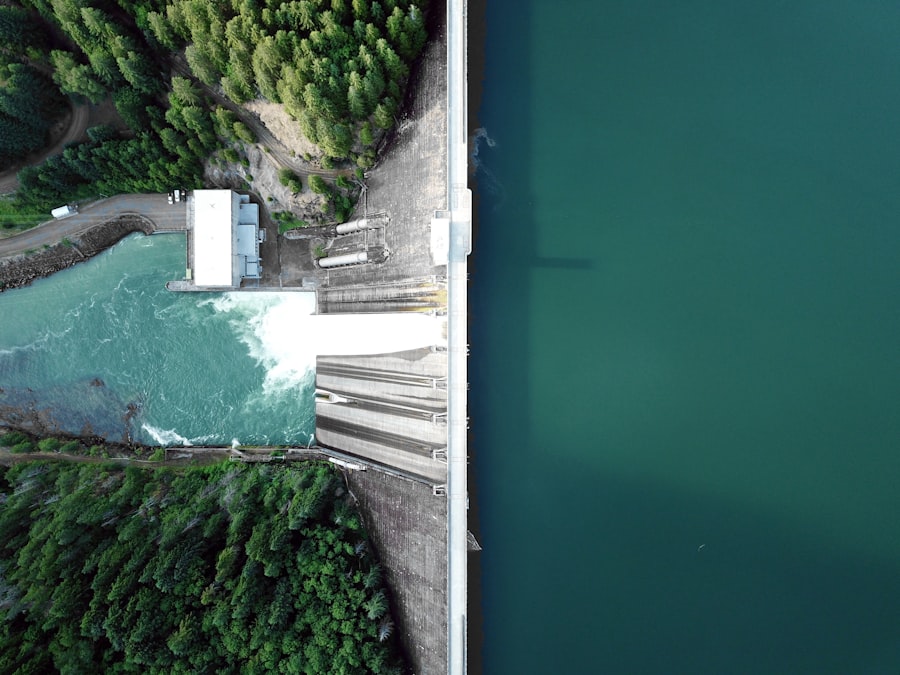
The consequences of gravity dam failures can be devastating and far-reaching. When a dam fails, it can unleash a torrent of water downstream, leading to catastrophic flooding that endangers lives and property. The immediate impact often includes loss of life and destruction of infrastructure such as homes, roads, and bridges.
The sheer force of released water can cause widespread devastation in communities located downstream from the dam. Beyond immediate physical damage, there are long-term consequences associated with dam failures. The environmental impact can be profound; ecosystems may be disrupted as habitats are flooded or altered by sudden changes in water flow.
Additionally, contamination from debris and pollutants released during a failure can have lasting effects on water quality in affected areas. Recovery from such disasters often takes years or even decades, requiring significant resources for rebuilding and rehabilitation.
Economic Impact
The economic impact of gravity dam failures extends beyond immediate repair costs; it encompasses broader implications for local economies and industries reliant on stable water resources. When a dam fails, agricultural operations may suffer due to disrupted irrigation systems, leading to crop losses and financial strain for farmers.
Moreover, the costs associated with disaster response and recovery can be staggering. Governments may need to allocate substantial funds for emergency services, infrastructure repairs, and long-term recovery efforts. Insurance claims from affected individuals and businesses can further strain financial resources.
The ripple effects of a dam failure can reverberate throughout an entire region, highlighting the importance of investing in preventative measures and robust infrastructure maintenance.
Environmental Impact
The environmental impact of gravity dam failures is often profound and multifaceted. When a dam collapses or experiences significant structural issues, it can lead to sudden changes in river ecosystems downstream. Aquatic habitats may be destroyed as floodwaters inundate previously stable areas, displacing fish populations and other wildlife.
Additionally, sediment that was previously trapped behind the dam may be released into rivers, altering water quality and affecting aquatic life. Furthermore, chemical contaminants from infrastructure or surrounding areas may be released during a failure event, posing risks to both human health and ecosystems. Pollutants can spread rapidly through floodwaters, impacting drinking water sources and harming wildlife populations.
The long-term ecological consequences of such events often require extensive monitoring and restoration efforts to rehabilitate affected environments.
Human Impact
The human impact of gravity dam failures is perhaps one of the most tragic aspects of such disasters. Lives are often lost in catastrophic flooding events triggered by dam failures, leaving families devastated and communities shattered. Survivors may face physical injuries as well as psychological trauma from experiencing such a traumatic event.
The emotional toll on affected individuals can last long after the immediate crisis has passed. In addition to loss of life and injury, displacement is another significant human impact associated with dam failures. Communities may be forced to evacuate their homes due to flooding or damage caused by a failing dam.
This displacement can lead to long-term challenges as individuals seek new housing and rebuild their lives amidst uncertainty. The social fabric of communities may be strained as residents grapple with loss and recovery efforts.
Case Studies of Notable Gravity Dam Failures
Several notable case studies highlight the risks associated with gravity dams and their potential for failure. One such example is the failure of the St. Francis Dam in California in 1928.
This catastrophic event resulted in over 400 fatalities when the dam collapsed just hours after heavy rainfall caused it to overflow. The disaster underscored the importance of rigorous engineering standards and thorough geological assessments in dam construction. Another significant case is the failure of the Banqiao Dam in China in 1975 during Typhoon Nina.
The dam’s collapse led to one of the deadliest natural disasters in history, with estimates suggesting that over 170,000 people lost their lives due to flooding caused by the failure. This tragedy prompted widespread changes in China’s approach to dam safety regulations and emergency preparedness.
Preventative Measures and Solutions for Gravity Dam Failures
To mitigate the risks associated with gravity dam failures, several preventative measures and solutions have been developed over time.
Engineers recommend implementing monitoring systems that track structural integrity and detect early signs of distress.
Additionally, advancements in technology have led to improved design practices that incorporate modern materials and engineering techniques capable of withstanding extreme conditions such as seismic activity or heavy rainfall. Furthermore, public awareness campaigns aimed at educating communities about emergency preparedness can enhance resilience in areas prone to flooding from dam failures. In conclusion, while gravity dams serve essential functions in managing water resources and generating energy, their potential for failure poses significant risks that must be addressed through comprehensive planning and proactive measures.
By understanding the causes of failure and implementing robust safety protocols, society can work towards ensuring that these vital structures remain safe for generations to come.
Gravity dams are designed to hold back water through their weight, but various factors can lead to their failure, including structural weaknesses and geological conditions. For a deeper understanding of the mechanisms behind gravity dam failures, you can read the article on this topic at this link. This resource provides valuable insights into the engineering challenges and potential risks associated with gravity dams.
WATCH THIS! The $30 Billion Lie: Why China’s Three Gorges Dam Will Fail Sooner Than You Think
FAQs
What is a gravity dam?
A gravity dam is a massive structure designed to hold back water by using the weight of the material (usually concrete or stone) to resist the horizontal pressure of the water pushing against it.
How do gravity dams fail?
Gravity dams can fail due to several reasons including structural weaknesses, foundation problems, overtopping, seepage, sliding, overturning, or earthquakes. Failure occurs when the forces acting on the dam exceed its design capacity.
What causes overtopping in gravity dams?
Overtopping happens when water flows over the top of the dam, usually due to extreme floods or inadequate spillway capacity. This can erode the dam’s downstream face and lead to structural failure.
What role does seepage play in gravity dam failure?
Seepage refers to water leaking through or under the dam. Excessive seepage can erode the foundation or internal materials, weakening the dam and potentially causing failure.
Can earthquakes cause gravity dam failure?
Yes, seismic activity can induce forces that exceed the dam’s structural limits, causing cracking, sliding, or overturning, which may lead to failure.
How is sliding failure prevented in gravity dams?
Sliding failure is prevented by ensuring sufficient friction and shear strength between the dam base and foundation, proper design, and anchoring. Drainage systems also help reduce uplift pressure that can contribute to sliding.
What maintenance practices help prevent gravity dam failure?
Regular inspections, monitoring for cracks or seepage, maintaining spillways, controlling vegetation, and repairing any detected damage promptly are essential to prevent failure.
Are gravity dams more prone to failure than other dam types?
No, gravity dams are generally considered stable due to their mass, but like all dams, they require proper design, construction, and maintenance to prevent failure.
What happens if a gravity dam fails?
Failure can lead to sudden and uncontrolled release of water, causing downstream flooding, property damage, environmental harm, and potential loss of life.
How can engineers assess the risk of gravity dam failure?
Engineers use structural analysis, geotechnical investigations, hydrological studies, and monitoring data to evaluate the dam’s condition and identify potential failure modes.