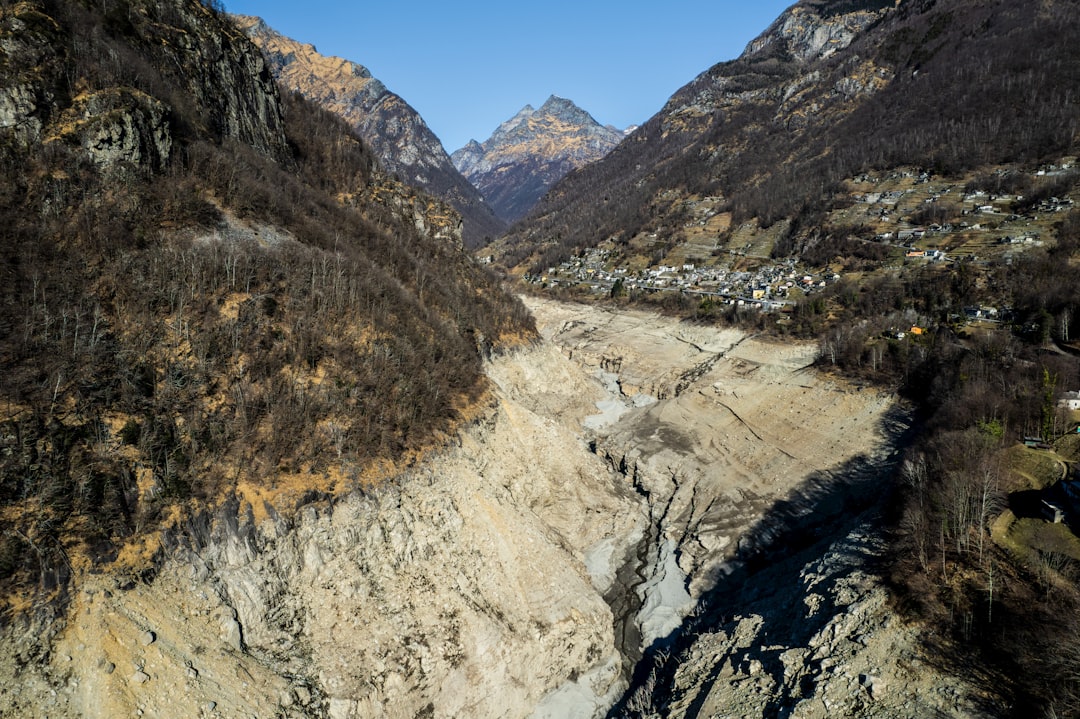
The Three Gorges Dam, located on the Yangtze River in Hubei province, China, stands as one of the most ambitious engineering projects in modern history. Completed in 2012, this colossal structure stretches over 2,300 meters in length and reaches a height of 185 meters, making it the largest hydroelectric dam in the world. The dam was constructed with multiple objectives in mind, including flood control, electricity generation, and improved navigation along the Yangtze River.
Its sheer scale and the complexity of its design have made it a focal point of both admiration and controversy.
While it has undoubtedly contributed to the country’s energy needs and economic growth, the dam has also sparked significant debate regarding its environmental and social implications.
As the world grapples with the challenges of sustainable development, the Three Gorges Dam serves as a case study in weighing the benefits of large-scale infrastructure projects against their potential costs.
Key Takeaways
- The Three Gorges Dam has significant environmental and ecological impacts on the Yangtze River and surrounding wildlife.
- Large-scale displacement of people has caused cultural and social challenges.
- The dam offers economic benefits but comes with high infrastructure and maintenance costs.
- There are concerns about potential natural disasters linked to the dam’s structure and location.
- International perspectives vary, highlighting the complex balance between development and humanitarian costs.
Environmental Impact of Three Gorges Dam
The environmental ramifications of the Three Gorges Dam are profound and multifaceted. One of the most significant concerns is the alteration of the natural flow of the Yangtze River. The dam has fundamentally changed sediment transport patterns, which can lead to increased erosion downstream and affect the river’s ecological balance.
The alteration of water levels has also impacted local flora and fauna, disrupting habitats that have existed for centuries. As a result, some species have faced increased threats to their survival, raising alarms among environmentalists and conservationists. Moreover, the dam’s reservoir has submerged vast areas of land, including forests and wetlands that were once rich in biodiversity.
This loss of habitat has not only affected wildlife but has also contributed to changes in local climate conditions. The creation of a large body of water can lead to increased humidity and altered weather patterns in surrounding areas. These environmental changes pose long-term risks to both the ecosystem and human populations that rely on these natural resources for their livelihoods.
Displacement of People and Cultural Impact
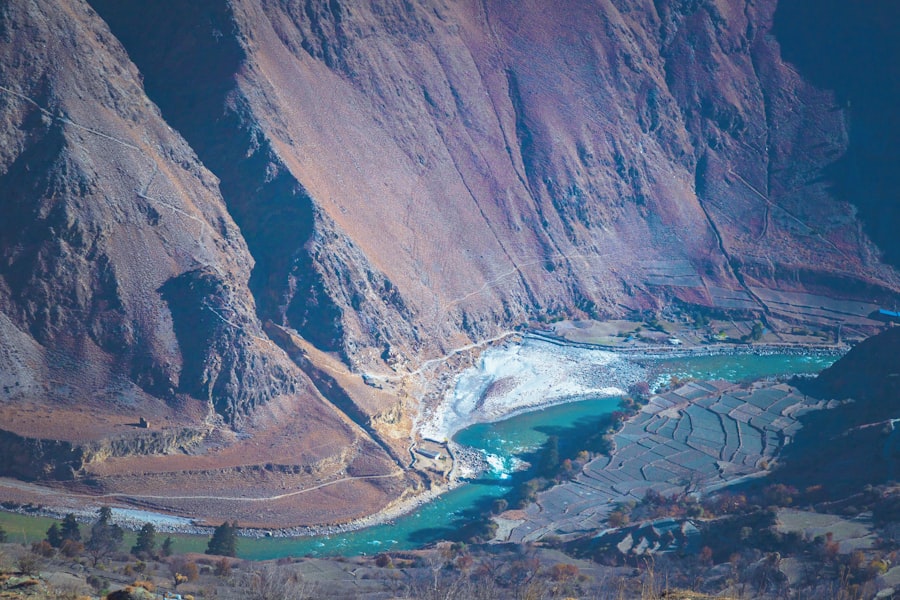
The construction of the Three Gorges Dam necessitated the relocation of over a million people from their homes, leading to one of the largest resettlement efforts in history.
The displacement has had profound psychological effects on those affected, as they grapple with the loss of their homes and the disruption of their social networks.
Many individuals have reported feelings of alienation and loss, struggling to adapt to new environments that lack the cultural significance of their original homes. In addition to personal loss, the dam’s construction has led to the submergence of numerous historical sites and cultural landmarks. Temples, ancient towns, and archaeological treasures have been lost beneath the waters of the reservoir, erasing centuries of history.
This cultural impact extends beyond mere physical loss; it represents a severing of ties to heritage and identity for many communities. The challenge remains for those displaced to find ways to preserve their cultural narratives in new settings while coping with the emotional toll of their displacement.
Economic Costs and Benefits
| Metric | Description | Example Value | Unit |
|---|---|---|---|
| Gross Domestic Product (GDP) | Total value of goods and services produced | 21.43 | Trillions |
| Unemployment Rate | Percentage of labor force unemployed | 5.2 | Percent |
| Inflation Rate | Annual percentage increase in prices | 2.1 | Percent |
| Cost-Benefit Ratio | Ratio of benefits to costs in a project | 1.5 | Ratio |
| Net Present Value (NPV) | Present value of net benefits | 3.2 | Billions |
| Return on Investment (ROI) | Percentage return on invested capital | 12 | Percent |
| External Costs | Costs imposed on third parties | 0.8 | Billions |
| Social Benefits | Positive impacts on society | 5.0 | Billions |
The economic implications of the Three Gorges Dam are complex and multifaceted. On one hand, the dam has generated significant amounts of electricity—over 100 terawatt-hours annually—contributing to China’s energy security and supporting its rapid industrial growth. The availability of this renewable energy source has helped reduce reliance on coal, thereby contributing to efforts aimed at mitigating air pollution and greenhouse gas emissions.
Additionally, improved navigation along the Yangtze River has facilitated trade and commerce, boosting local economies. However, these economic benefits come with substantial costs. The initial investment for constructing the dam was astronomical, estimated at over $30 billion.
Furthermore, ongoing maintenance and operational expenses continue to strain financial resources. Critics argue that the economic benefits do not justify these costs when considering the long-term environmental degradation and social upheaval caused by the dam’s construction. The challenge lies in balancing immediate economic gains with sustainable development practices that consider future generations.
Impact on Wildlife and Ecosystems
The ecological consequences of the Three Gorges Dam extend far beyond immediate habitat loss; they encompass broader impacts on wildlife populations and ecosystems within the Yangtze River basin. The dam has disrupted migratory patterns for various fish species, particularly those that rely on upstream spawning grounds. Species such as the Chinese sturgeon have faced significant declines due to altered water flow and habitat fragmentation caused by the dam’s presence.
Moreover, changes in water temperature and quality resulting from the dam’s operation can have cascading effects on aquatic ecosystems. The introduction of non-native species into the reservoir can further threaten local biodiversity by outcompeting native species for resources. As ecosystems struggle to adapt to these changes, there is a growing concern about long-term ecological stability in one of Asia’s most vital river systems.
Social and Humanitarian Costs
The social ramifications of the Three Gorges Dam extend beyond mere displacement; they encompass broader humanitarian concerns that affect health, education, and community cohesion. Many displaced individuals have faced challenges in accessing adequate healthcare services in their new locations, leading to increased vulnerability among populations that were once self-sufficient. The disruption of established social networks has also hindered community support systems that are crucial for mental well-being.
Education has been another area significantly impacted by resettlement efforts. Children who were uprooted from their homes often find themselves in unfamiliar educational environments that may not meet their needs or expectations. This disruption can lead to decreased educational attainment and long-term consequences for future generations.
As communities struggle to rebuild their lives after displacement, addressing these social challenges becomes essential for fostering resilience and ensuring a better quality of life.
Infrastructure and Maintenance Costs
The infrastructure associated with the Three Gorges Dam requires ongoing investment to ensure its safety and functionality. Regular maintenance is essential to prevent structural failures that could have catastrophic consequences for downstream communities. The costs associated with maintaining such a massive structure are substantial, necessitating continuous funding from government sources.
Additionally, as climate change continues to impact weather patterns and water levels, there is an increasing need for adaptive management strategies that can respond to these changes effectively. This may involve upgrading existing infrastructure or implementing new technologies to enhance operational efficiency. The financial burden associated with these ongoing needs raises questions about long-term sustainability and whether resources could be better allocated toward alternative energy solutions or more localized infrastructure projects.
Potential for Natural Disasters
The presence of the Three Gorges Dam also raises concerns about its potential role in exacerbating natural disasters such as flooding or landslides. While one of the primary purposes of the dam is flood control, there are fears that its operation could inadvertently contribute to catastrophic events if not managed properly. For instance, heavy rainfall combined with inadequate reservoir management could lead to overflow situations that threaten downstream communities.
Moreover, geological instability in the region poses additional risks. The weight of the water in the reservoir can increase pressure on fault lines, potentially triggering landslides or earthquakes. These risks highlight the need for comprehensive disaster preparedness plans that account for both natural hazards and human-induced factors associated with large-scale infrastructure projects like the Three Gorges Dam.
Long-term Effects on the Yangtze River
The long-term effects of the Three Gorges Dam on the Yangtze River are still unfolding as researchers continue to study its impacts on hydrology, ecology, and human communities. Changes in sediment transport patterns may lead to increased erosion along riverbanks downstream, altering landscapes that have remained stable for centuries. This erosion can threaten agricultural land and infrastructure while also impacting local economies reliant on fishing and farming.
Furthermore, as climate change continues to influence precipitation patterns across China, understanding how these changes interact with dam operations will be crucial for effective water resource management. The interplay between human intervention through infrastructure projects like the Three Gorges Dam and natural processes will shape not only the future of the Yangtze River but also the livelihoods of millions who depend on it.
International Perspective on Three Gorges Dam
The international community has closely monitored the developments surrounding the Three Gorges Dam since its inception. While some view it as a marvel of engineering that showcases China’s capabilities in large-scale infrastructure development, others criticize it for its environmental degradation and social consequences. Environmental organizations have raised alarms about biodiversity loss and habitat destruction resulting from dam operations.
Additionally, discussions surrounding transboundary water management have emerged as neighboring countries express concerns about how changes in water flow could affect their own ecosystems and communities downstream. The dam serves as a focal point for broader conversations about sustainable development practices globally, highlighting the need for collaboration among nations when addressing shared water resources.
Evaluating the True Cost of Three Gorges Dam
In evaluating the true cost of the Three Gorges Dam, it becomes evident that this monumental project embodies both remarkable achievements and significant challenges. While it has provided substantial benefits in terms of energy generation and flood control, these advantages come at a steep price—one that encompasses environmental degradation, social upheaval, economic burdens, and potential risks associated with natural disasters. As China continues to navigate its path toward sustainable development amidst rapid industrialization, lessons learned from the Three Gorges Dam will be crucial for future infrastructure projects worldwide.
Balancing human needs with ecological preservation remains an ongoing challenge that requires careful consideration of both immediate benefits and long-term consequences. Ultimately, understanding these complexities will be essential for fostering a more sustainable future for both people and nature alike.
The Three Gorges Dam, while often touted for its potential to generate renewable energy and control flooding, has a true cost that extends beyond its initial construction expenses. An insightful article that delves into the multifaceted implications of this massive infrastructure project can be found at this link. It explores the environmental, social, and economic impacts that have emerged since the dam’s completion, providing a comprehensive overview of the challenges faced by local communities and ecosystems.
WATCH THIS! The $30 Billion Lie: Why China’s Three Gorges Dam Will Fail Sooner Than You Think
FAQs
What is the Three Gorges Dam?
The Three Gorges Dam is a hydroelectric gravity dam located on the Yangtze River in Hubei Province, China. It is the world’s largest power station in terms of installed capacity.
What was the primary purpose of building the Three Gorges Dam?
The dam was constructed primarily for flood control, hydroelectric power generation, and improving river navigation.
What are the financial costs associated with the Three Gorges Dam?
The total construction cost of the Three Gorges Dam is estimated to be around $30 billion USD, including expenses for construction, resettlement, and environmental mitigation.
How many people were displaced due to the construction of the dam?
Approximately 1.3 million people were relocated to make way for the dam and its reservoir.
What environmental impacts has the Three Gorges Dam caused?
The dam has led to significant ecological changes, including habitat loss, altered sediment flow, increased landslide risks, and impacts on aquatic species such as the endangered Yangtze River dolphin.
Has the dam affected cultural or historical sites?
Yes, numerous archaeological and cultural sites were submerged or relocated due to the reservoir’s creation.
What are the benefits of the Three Gorges Dam?
Benefits include substantial renewable energy generation (over 22,500 MW capacity), improved flood control, and enhanced river navigation, which supports economic development.
Are there ongoing maintenance or operational costs for the dam?
Yes, the dam requires continuous maintenance, sediment management, and monitoring to ensure safety and operational efficiency, which incur ongoing costs.
Has the dam contributed to seismic or geological risks?
There have been concerns about induced seismicity and increased landslide risks in the reservoir area, though these are monitored closely by authorities.
What is the overall assessment of the Three Gorges Dam’s true cost?
The true cost includes not only financial expenditures but also social displacement, environmental degradation, and cultural losses, balanced against its benefits in energy production and flood control.