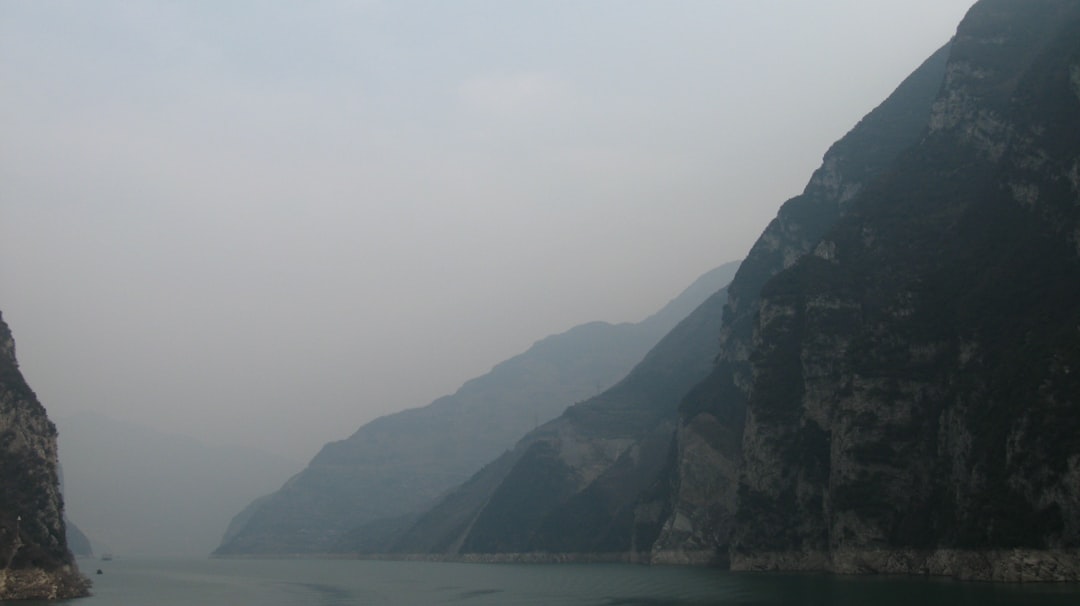
The Three Gorges Dam, one of the largest hydroelectric projects in the world, has had profound environmental consequences since its completion. The dam’s construction led to significant alterations in the Yangtze River’s ecosystem, affecting water quality and flow patterns. The inundation of vast areas of land resulted in the loss of forests, wetlands, and wildlife habitats, which are crucial for maintaining biodiversity.
The dam has also contributed to increased sedimentation in the reservoir, which can lead to further ecological degradation and disrupt the natural sediment transport downstream. Moreover, the dam has altered the natural flood cycle of the Yangtze River, which has historically played a vital role in maintaining the health of surrounding ecosystems. The regulation of water flow has led to changes in fish migration patterns and spawning grounds, threatening various aquatic species.
The introduction of non-native species into the reservoir has further complicated the ecological balance, leading to competition with indigenous species and potential declines in their populations. As a result, the environmental impact of the Three Gorges Dam extends far beyond its immediate vicinity, affecting the entire river basin and its interconnected ecosystems.
Key Takeaways
- The Three Gorges Dam has significant environmental and ecological impacts, including threats to river ecosystems and biodiversity.
- Large-scale displacement of communities has caused profound social challenges and cultural heritage loss.
- Economically, the dam offers both substantial benefits in energy production and considerable costs related to construction and maintenance.
- The dam plays a crucial role in China’s energy strategy but also raises geopolitical concerns and controversies.
- Lessons from the dam highlight the importance of balancing environmental, social, and economic factors in future infrastructure projects amid climate change.
The Social Impact on Displaced Communities
The construction of the Three Gorges Dam necessitated the relocation of over a million people, resulting in significant social upheaval for displaced communities.
The loss of land and livelihoods has led to increased poverty and social dislocation among those affected.
Many individuals found themselves struggling to adapt to new environments, facing challenges such as unemployment and cultural disintegration. In addition to economic hardships, the psychological toll on displaced communities cannot be overlooked. The trauma of losing one’s home and community can lead to long-lasting mental health issues, including anxiety and depression.
Social networks that once provided support were dismantled, leaving many individuals feeling isolated and vulnerable. The government’s efforts to resettle these populations have been met with mixed results, as some communities have successfully adapted while others continue to grapple with the consequences of displacement. This social impact highlights the need for more comprehensive planning and support systems in large infrastructure projects.
The Economic Costs and Benefits of Three Gorges Dam
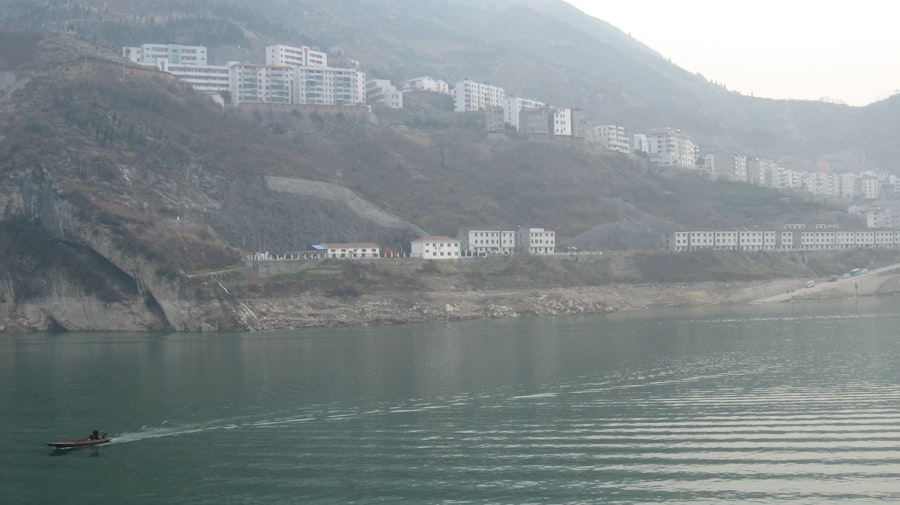
The economic implications of the Three Gorges Dam are multifaceted, encompassing both costs and benefits that have sparked considerable debate. On one hand, the dam has generated substantial amounts of hydroelectric power, contributing significantly to China’s energy supply. This renewable energy source has helped reduce reliance on coal, thereby decreasing air pollution and greenhouse gas emissions.
Additionally, the dam has improved navigation along the Yangtze River, facilitating trade and transportation, which can stimulate regional economic growth. However, these benefits come at a steep price. The initial construction costs were astronomical, and ongoing maintenance and environmental mitigation efforts continue to strain financial resources.
Furthermore, the economic benefits have not been evenly distributed; many displaced individuals have not seen improvements in their living standards despite the dam’s overall contributions to the economy. Critics argue that the focus on large-scale infrastructure projects like the Three Gorges Dam often overlooks local needs and sustainable development practices. As such, a balanced assessment of economic costs and benefits is essential for understanding the true impact of such monumental projects.
The Geopolitical Implications of Three Gorges Dam
| Metric | Details |
|---|---|
| Location | Yangtze River, China |
| Dam Length | 2,335 meters |
| Dam Height | 185 meters |
| Hydropower Capacity | 22,500 MW |
| Impact on Downstream Countries | Potential reduction in water flow affecting agriculture and water security in Vietnam and other Southeast Asian nations |
| Regional Water Control | China’s increased control over Yangtze River water resources |
| Environmental Concerns | Altered sediment flow impacting ecosystems downstream |
| Strategic Importance | Enhances China’s energy security and regional influence |
| International Relations | Heightened tensions with neighboring countries over water rights |
| Displacement | Over 1.3 million people relocated |
The Three Gorges Dam holds significant geopolitical implications for China and its neighboring countries. As a major infrastructure project, it symbolizes China’s growing influence in regional energy production and environmental management. The dam’s ability to regulate water flow along the Yangtze River has raised concerns among downstream nations regarding water rights and access.
Countries sharing river basins often face tensions over resource allocation, and the Three Gorges Dam has become a focal point for discussions about transboundary water management. Moreover, the dam’s construction has positioned China as a leader in hydroelectric power generation on a global scale. This leadership role can enhance China’s diplomatic relationships with other nations seeking sustainable energy solutions.
However, it also places China under scrutiny regarding its environmental practices and treatment of displaced communities. As geopolitical dynamics evolve, the Three Gorges Dam will likely continue to be a critical factor in regional relations and international discussions about water resource management.
The Cultural Heritage Loss Due to Three Gorges Dam
The cultural heritage loss associated with the Three Gorges Dam is profound and multifaceted. The flooding caused by the dam’s reservoir submerged numerous historical sites, ancient towns, and archaeological treasures that held significant cultural value for local communities. Temples, pagodas, and relics that had stood for centuries were lost forever, erasing vital links to history and identity for many people.
Communities that relied on traditional livelihoods tied to the river have seen their ways of life disrupted or entirely dismantled. Festivals, rituals, and customs that celebrated their connection to the Yangtze River have been altered or abandoned as people adapt to new circumstances.
This cultural erosion raises important questions about how societies can preserve their heritage in the face of large-scale development projects. The loss of cultural identity is an often-overlooked consequence that underscores the need for more inclusive planning processes that consider not only economic factors but also cultural preservation.
The Risk of Dam Failure and Its Consequences
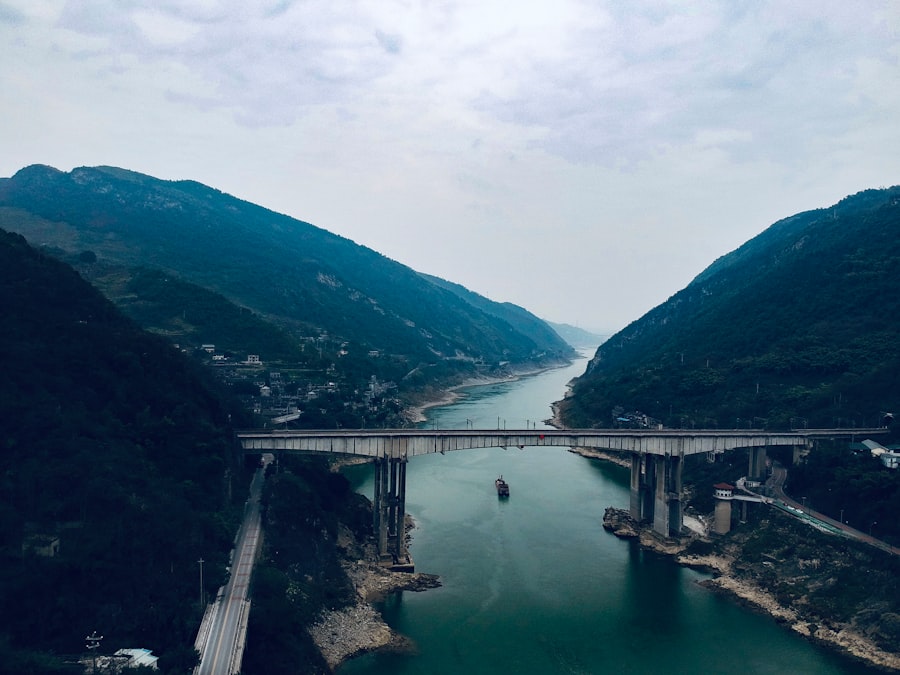
The risk of dam failure is a critical concern associated with large infrastructure projects like the Three Gorges Dam. Despite extensive engineering efforts designed to ensure safety, natural disasters such as earthquakes or extreme weather events pose significant threats to dam integrity. A catastrophic failure could result in devastating consequences for millions of people living downstream, leading to loss of life, widespread destruction of property, and long-term environmental damage.
The potential for dam failure also raises questions about emergency preparedness and response strategies. While authorities have implemented monitoring systems and evacuation plans, public awareness remains crucial in mitigating risks associated with such disasters. Communities living in proximity to large dams must be informed about potential hazards and equipped with knowledge about emergency procedures.
The Three Gorges Dam serves as a reminder that while technological advancements can enhance safety measures, they cannot eliminate risks entirely.
The Impact on River Ecosystems and Biodiversity
The construction of the Three Gorges Dam has had a profound impact on river ecosystems and biodiversity within the Yangtze River basin. By altering natural water flow patterns and sediment transport processes, the dam has disrupted habitats essential for various aquatic species. Fish populations have been particularly affected; migratory species that once thrived in the river now face challenges due to blocked spawning routes and changing water conditions.
Additionally, the introduction of non-native species into the reservoir has further complicated ecological dynamics. These invasive species can outcompete native fish for resources, leading to declines in indigenous populations and altering food webs within the ecosystem. The loss of biodiversity not only affects aquatic life but also has cascading effects on terrestrial ecosystems that rely on healthy river systems for sustenance.
As such, understanding these ecological impacts is crucial for developing effective conservation strategies aimed at preserving biodiversity in river ecosystems.
The Role of Three Gorges Dam in China’s Energy Strategy
The Three Gorges Dam plays a pivotal role in China’s energy strategy by providing a substantial source of renewable energy through hydroelectric power generation. As China grapples with increasing energy demands driven by rapid industrialization and urbanization, the dam serves as a critical component in diversifying its energy portfolio away from fossil fuels. By harnessing the power of flowing water, China aims to reduce greenhouse gas emissions while promoting sustainable development.
Furthermore, the dam’s capacity for energy storage allows it to provide electricity during peak demand periods, enhancing grid stability across regions. This capability is particularly important as China continues to invest in renewable energy sources like wind and solar power, which can be intermittent in nature. However, reliance on large-scale hydroelectric projects also raises questions about sustainability and environmental impacts that must be carefully managed as part of a comprehensive energy strategy.
The Controversies Surrounding Three Gorges Dam
The Three Gorges Dam has been at the center of numerous controversies since its inception. Critics argue that its construction was driven by political motivations rather than genuine environmental or social considerations. Concerns about human rights violations related to forced relocations have sparked international outcry, with activists calling for greater accountability from Chinese authorities regarding treatment of displaced communities.
Additionally, environmentalists have raised alarms about the long-term ecological consequences associated with large dams like Three Gorges. The balance between energy production and environmental preservation remains a contentious issue as stakeholders grapple with competing interests. Proponents argue that hydroelectric power is essential for combating climate change; however, opponents contend that such projects often come at an unacceptable cost to local ecosystems and communities.
The Future of Three Gorges Dam in the Face of Climate Change
As climate change continues to pose significant challenges globally, the future of the Three Gorges Dam remains uncertain. Altered weather patterns may affect water availability for hydroelectric generation while increasing risks associated with extreme weather events such as floods or droughts. These changes could undermine the dam’s effectiveness as a reliable energy source while exacerbating existing environmental issues.
Moreover, climate change may further complicate relationships between China and neighboring countries sharing river basins impacted by the dam’s operations. As water scarcity becomes an increasingly pressing concern due to shifting precipitation patterns, tensions over resource allocation may escalate among nations reliant on shared waterways. Addressing these challenges will require collaborative efforts focused on sustainable water management practices that prioritize both human needs and ecological health.
Lessons Learned from Three Gorges Dam for Future Infrastructure Projects
The experience gained from the Three Gorges Dam offers valuable lessons for future infrastructure projects worldwide. One key takeaway is the importance of comprehensive planning that considers not only economic factors but also social and environmental impacts. Engaging local communities in decision-making processes can help ensure that their voices are heard and their needs are addressed throughout project development.
Additionally, transparency and accountability are crucial components in managing large-scale infrastructure initiatives effectively. Stakeholders must be informed about potential risks associated with projects like dams while being provided with avenues for recourse if their rights are violated or if adverse impacts occur. By learning from both successes and failures associated with the Three Gorges Dam, future projects can strive toward more sustainable outcomes that balance development goals with social equity and environmental stewardship.
The Three Gorges Dam, one of China’s most ambitious engineering projects, has been shrouded in controversy and secrecy. For those interested in uncovering the hidden aspects of this monumental structure, a related article can be found at My Geo Quest, which delves into the environmental and social impacts of the dam, as well as the challenges it faces. This resource provides valuable insights into the complexities surrounding the dam and the information that is often kept from the public eye.
WATCH THIS! The $30 Billion Lie: Why China’s Three Gorges Dam Will Fail Sooner Than You Think
FAQs
What is the Three Gorges Dam?
The Three Gorges Dam is a hydroelectric gravity dam located on the Yangtze River in Hubei Province, China. It is the world’s largest power station in terms of installed capacity and was completed in 2012.
Why is the Three Gorges Dam significant?
The dam plays a crucial role in flood control, hydroelectric power generation, and improving river navigation. It has significantly increased China’s renewable energy capacity and helped reduce coal consumption.
What are some concerns associated with the Three Gorges Dam?
Concerns include environmental impacts such as habitat disruption, sedimentation issues, displacement of over a million people, and potential geological risks like landslides and earthquakes in the region.
Has China disclosed all information about the Three Gorges Dam?
While China has released extensive data about the dam’s construction and operation, some critics argue that certain environmental and safety issues have not been fully disclosed or are underreported.
What environmental impacts has the Three Gorges Dam caused?
The dam has altered the Yangtze River’s ecosystem, affecting fish migration and biodiversity. It has also contributed to sediment buildup upstream and erosion downstream, impacting agriculture and natural habitats.
How has the dam affected local communities?
The construction led to the relocation of approximately 1.3 million people. Resettlement efforts have faced challenges, including economic and social adjustments for displaced populations.
Is the Three Gorges Dam safe?
The dam was designed to withstand significant seismic activity and flooding. However, ongoing monitoring is essential due to the region’s geological complexity and potential risks associated with large-scale infrastructure.
What role does the Three Gorges Dam play in China’s energy strategy?
It is a key component of China’s renewable energy portfolio, providing a substantial portion of the country’s electricity and helping reduce reliance on fossil fuels.
Are there any international concerns about the dam?
Some neighboring countries and environmental groups have expressed concerns about downstream water flow changes, ecological impacts, and the potential for transboundary effects on water resources.
Where can I find more information about the Three Gorges Dam?
Reliable information can be found through academic research, official Chinese government publications, international environmental organizations, and reputable news sources covering infrastructure and environmental topics.