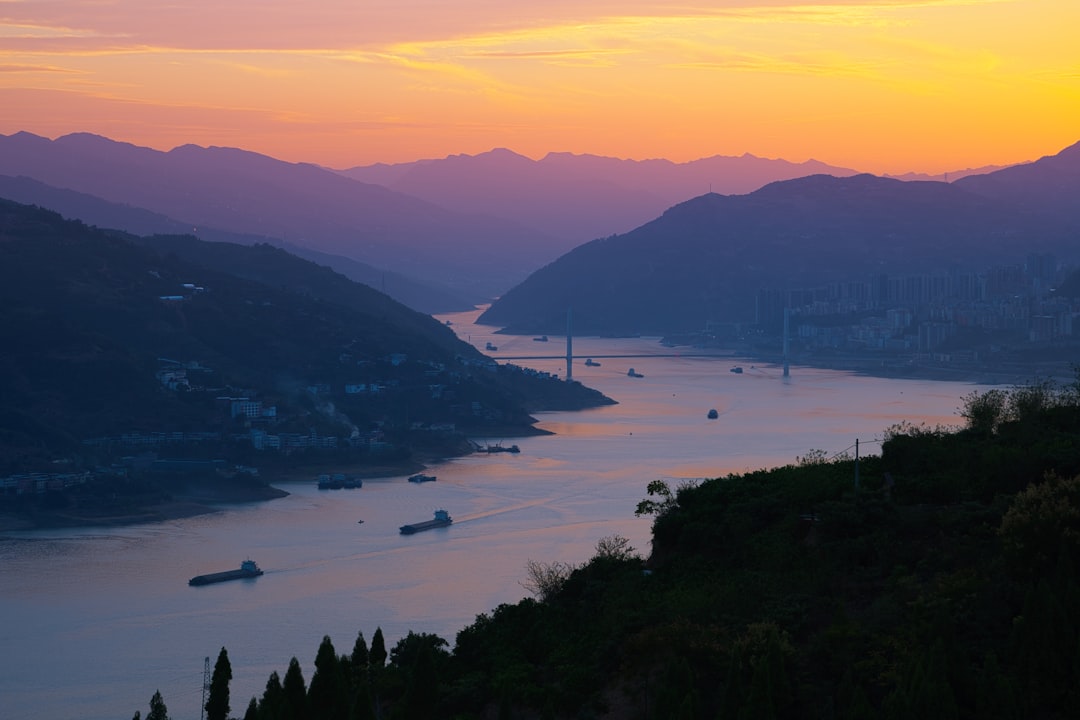
The Three Gorges Dam, located on the Yangtze River in Hubei province, China, stands as one of the most ambitious engineering projects in modern history. Completed in 2012, this colossal structure was designed to serve multiple purposes, including flood control, hydroelectric power generation, and improved navigation along the river. Spanning over 2,300 meters in length and rising 185 meters high, the dam is a testament to human ingenuity and determination.
It has the capacity to generate 22,500 megawatts of electricity, making it the largest hydroelectric power station in the world by installed capacity. The dam’s construction was heralded as a significant step towards modernization and economic development for China, promising to alleviate energy shortages and enhance the country’s infrastructure. However, the Three Gorges Dam has not been without controversy.
While it has brought about certain benefits, it has also raised serious concerns regarding its environmental and social impacts. The dam’s construction led to significant alterations in the natural landscape and ecosystems of the Yangtze River basin. As the water level behind the dam rose, entire towns and villages were submerged, and the ecological balance of the region was disrupted.
The complexities surrounding the dam’s benefits and drawbacks have sparked intense debates among environmentalists, scientists, and policymakers alike. As the world continues to grapple with the consequences of large-scale infrastructure projects, the Three Gorges Dam serves as a critical case study in understanding the intricate relationship between human development and environmental sustainability.
Key Takeaways
- The Three Gorges Dam has caused significant environmental damage and disrupted ecosystems.
- Millions of people were displaced due to the dam’s construction.
- Increased seismic activity has been linked to the dam’s presence.
- The project has had notable health, social, and economic consequences.
- International response and mitigation efforts highlight the need for sustainable future infrastructure projects.
Environmental Damage Caused by Three Gorges Dam
The environmental repercussions of the Three Gorges Dam are profound and multifaceted. One of the most immediate effects has been the alteration of the river’s natural flow. The dam’s reservoir has significantly changed sediment transport dynamics, leading to increased erosion downstream and sediment accumulation in the reservoir itself.
This disruption of sediment flow can have long-term consequences for riverine ecosystems, affecting fish populations and other aquatic life that depend on specific sediment conditions for spawning and habitat. Moreover, the dam has contributed to water quality issues in the Yangtze River. The stagnation of water in the reservoir has led to increased pollution levels, as contaminants from agricultural runoff and urban areas accumulate in the still waters.
Algal blooms have become more frequent, further degrading water quality and posing risks to both human health and aquatic ecosystems. The dam’s impact on local climate patterns cannot be overlooked either; changes in water temperature and humidity levels have been observed, which can affect local agriculture and biodiversity.
Displacement of Millions due to Three Gorges Dam
The construction of the Three Gorges Dam necessitated the relocation of approximately 1.
Entire communities were uprooted as their ancestral lands were submerged beneath the rising waters of the reservoir. This mass displacement has had profound social implications, as individuals and families were forced to leave behind not only their homes but also their cultural heritage and livelihoods.
Many relocated individuals faced challenges in adapting to new environments, often struggling to find employment and integrate into unfamiliar communities. The government implemented resettlement programs aimed at providing compensation and support for those affected by the dam’s construction. However, these efforts have been met with criticism for being inadequate and poorly executed.
Many displaced individuals reported receiving insufficient financial compensation or facing bureaucratic hurdles that hindered their ability to rebuild their lives. The psychological toll of displacement cannot be understated; for many, leaving their homes meant losing a sense of identity and belonging. The social fabric of entire communities was irrevocably altered, leading to feelings of dislocation and disenfranchisement among those affected.
Increased Seismic Activity Linked to Three Gorges Dam
| Metric | Value | Details |
|---|---|---|
| Location | Three Gorges Dam, China | Yangtze River Basin |
| Time Period | 2003 – Present | Since dam construction and reservoir filling |
| Seismic Activity Increase | 3 to 5 times | Compared to pre-dam baseline seismicity |
| Magnitude Range | Up to 5.0 | Recorded earthquakes linked to reservoir-induced seismicity |
| Depth of Earthquakes | 5 – 15 km | Typical depth range for induced seismic events |
| Reservoir Water Level Fluctuation | 145 – 175 meters | Seasonal and operational changes affecting seismicity |
| Seismic Monitoring Stations | 10+ | Installed around the dam for continuous monitoring |
| Notable Earthquake Event | Magnitude 5.1 (2008) | Linked to reservoir water level changes |
In recent years, researchers have raised concerns about the potential link between the Three Gorges Dam and increased seismic activity in the region. The immense weight of the water stored in the reservoir exerts pressure on geological faults beneath the surface, potentially triggering earthquakes. Studies have indicated a correlation between the filling of the reservoir and a rise in seismic events in nearby areas.
While not all earthquakes can be directly attributed to human activity, the dam’s influence on local geology has prompted scientists to investigate further. The implications of increased seismic activity are significant, particularly given that China is already prone to earthquakes due to its tectonic setting. The potential for more frequent or severe earthquakes raises questions about the safety of not only the dam itself but also surrounding communities.
As residents grapple with the fear of natural disasters exacerbated by human intervention, it becomes clear that understanding these geological interactions is crucial for future infrastructure projects.
Impact on Biodiversity and Ecosystems
The Three Gorges Dam has had a profound impact on biodiversity within the Yangtze River ecosystem. The alteration of natural habitats due to flooding has led to a decline in various species that once thrived in this rich environment. Notably, species such as the Yangtze River dolphin and Chinese sturgeon have faced significant threats due to habitat loss and changes in water quality.
The dam’s construction has disrupted migratory patterns for fish species that rely on free-flowing rivers for spawning. Additionally, invasive species have begun to flourish in the altered ecosystem, further threatening native biodiversity. The introduction of non-native species can lead to competition for resources, ultimately displacing indigenous flora and fauna.
The ecological consequences extend beyond individual species; entire food webs are affected as changes ripple through the ecosystem. Conservationists warn that without concerted efforts to protect remaining habitats and restore ecological balance, many unique species may face extinction.
Health and Social Impacts of Three Gorges Dam
The health implications associated with the Three Gorges Dam are complex and multifaceted. As water quality deteriorates due to pollution accumulation in the reservoir, communities relying on this water source face increased health risks. Contaminated water can lead to a range of health issues, including gastrointestinal diseases and other waterborne illnesses.
Furthermore, stagnant water bodies are breeding grounds for disease-carrying mosquitoes, raising concerns about vector-borne diseases such as malaria and dengue fever. Socially, the dam’s construction has exacerbated existing inequalities within affected communities.
The psychological stress associated with displacement can lead to mental health challenges, including anxiety and depression. As communities struggle to adapt to their new realities, social cohesion may weaken, leading to increased tensions and conflicts over resources.
Economic Consequences of Three Gorges Dam
While proponents of the Three Gorges Dam argue that it has spurred economic growth through increased energy production and improved navigation along the Yangtze River, critics highlight significant economic drawbacks as well. The initial investment required for such a massive infrastructure project was staggering, leading some to question whether the long-term benefits justify these costs. Additionally, many displaced individuals have struggled to find stable employment after relocation, undermining any potential economic gains from increased energy production.
Moreover, environmental degradation resulting from the dam can have far-reaching economic consequences. Declining fish populations threaten local fisheries that many communities depend on for their livelihoods. As ecosystems become increasingly imbalanced due to pollution and habitat loss, agricultural productivity may also suffer, impacting food security for millions.
The economic ramifications extend beyond immediate communities; they can affect regional economies reliant on healthy ecosystems and sustainable resource management.
International Response to Three Gorges Dam
The international response to the Three Gorges Dam has been mixed, reflecting a range of perspectives on large-scale infrastructure projects. Environmental organizations have voiced strong opposition to the dam’s construction due to its ecological impacts and social consequences for displaced populations. Activists argue that such projects should prioritize sustainability and community well-being over economic growth alone.
On the other hand, some countries view China’s investment in hydroelectric power as a model for addressing energy needs while reducing reliance on fossil fuels. Supporters argue that large-scale renewable energy projects like the Three Gorges Dam are essential for combating climate change and promoting sustainable development globally. This dichotomy highlights ongoing debates about balancing economic development with environmental stewardship—a challenge that resonates far beyond China’s borders.
Future Implications and Mitigation Efforts
Looking ahead, it is crucial for policymakers to consider both the lessons learned from the Three Gorges Dam and potential mitigation efforts for future projects. As climate change continues to pose challenges worldwide, understanding how large infrastructure projects interact with natural systems will be essential for sustainable development. Implementing comprehensive environmental assessments before embarking on similar projects can help identify potential risks and inform decision-making processes.
Mitigation efforts may also involve investing in restoration initiatives aimed at rehabilitating affected ecosystems and supporting displaced communities. By prioritizing ecological health alongside economic growth, future infrastructure projects can strive for a more balanced approach that respects both human needs and environmental integrity.
Lessons Learned from Three Gorges Dam
The experience surrounding the Three Gorges Dam offers valuable lessons for future infrastructure development worldwide. One key takeaway is the importance of engaging local communities in decision-making processes related to large-scale projects. Ensuring that affected populations have a voice can lead to more equitable outcomes and foster social cohesion.
Additionally, integrating environmental considerations into project planning is essential for minimizing negative impacts on ecosystems and biodiversity. Policymakers must recognize that short-term economic gains should not come at the expense of long-term sustainability; a holistic approach is necessary for fostering resilient communities and healthy environments.
Conclusion and Call to Action
In conclusion, while the Three Gorges Dam represents a remarkable feat of engineering with undeniable benefits in terms of energy production and flood control, its legacy is marred by significant environmental damage, social upheaval, and economic challenges. As global society continues to navigate complex issues related to infrastructure development and environmental sustainability, it is imperative that lessons learned from this project inform future endeavors. A call to action is necessary—policymakers must prioritize sustainable practices that respect both human rights and ecological integrity in all future infrastructure projects.
By fostering collaboration between governments, communities, scientists, and environmental advocates, society can work towards solutions that balance development with stewardship of our planet’s precious resources. The story of the Three Gorges Dam serves as both a cautionary tale and a source of inspiration for creating a more sustainable future for generations to come.
The Three Gorges Dam, while hailed for its potential to generate hydroelectric power and control flooding, poses significant risks that have raised concerns among environmentalists and engineers alike. One related article that delves into the dangers associated with the dam is available at this link. It discusses the structural vulnerabilities, ecological impacts, and the potential for catastrophic failure, highlighting the urgent need for comprehensive assessments and safety measures.
WATCH THIS! The $30 Billion Lie: Why China’s Three Gorges Dam Will Fail Sooner Than You Think
FAQs
What is the Three Gorges Dam?
The Three Gorges Dam is a hydroelectric gravity dam located on the Yangtze River in Hubei Province, China. It is the world’s largest power station in terms of installed capacity.
Why is the Three Gorges Dam considered dangerous?
The dam is considered dangerous due to potential risks such as structural stress from earthquakes, landslides, sediment buildup, and the impact on local ecosystems and communities. These factors could lead to flooding or dam failure if not properly managed.
How does the dam affect the environment?
The dam has significantly altered the Yangtze River’s ecosystem, affecting fish migration, reducing sediment flow downstream, and submerging large areas of land, which has led to habitat loss and changes in biodiversity.
What are the geological risks associated with the Three Gorges Dam?
The dam is located in a seismically active region, which raises concerns about earthquake-induced damage. Additionally, the reservoir’s weight can induce seismic activity and increase the risk of landslides along the reservoir banks.
How has the dam impacted local communities?
The construction of the dam led to the displacement of over a million people. It has also affected agriculture and fisheries, altering livelihoods and causing social and economic challenges for the affected populations.
What measures are in place to ensure the dam’s safety?
Chinese authorities have implemented extensive monitoring systems, regular maintenance, and emergency response plans to manage risks. These include seismic monitoring, reservoir level control, and landslide surveillance.
Can the dam cause flooding downstream?
While the dam is designed to control flooding, improper management or extreme weather events could potentially lead to downstream flooding. Effective reservoir management is critical to minimizing this risk.
Is the Three Gorges Dam at risk of failure?
There is no current evidence of imminent failure, but the dam requires continuous monitoring and maintenance due to the natural and man-made risks it faces. Authorities remain vigilant to prevent any catastrophic events.
What are the long-term concerns related to sedimentation?
Sediment accumulation in the reservoir reduces water storage capacity and can affect dam operations. It also impacts downstream sediment flow, which is important for maintaining river ecosystems and delta regions.
How does the dam influence seismic activity?
The weight of the water in the reservoir can induce seismic activity, a phenomenon known as reservoir-induced seismicity. This can increase the frequency or intensity of earthquakes in the region.