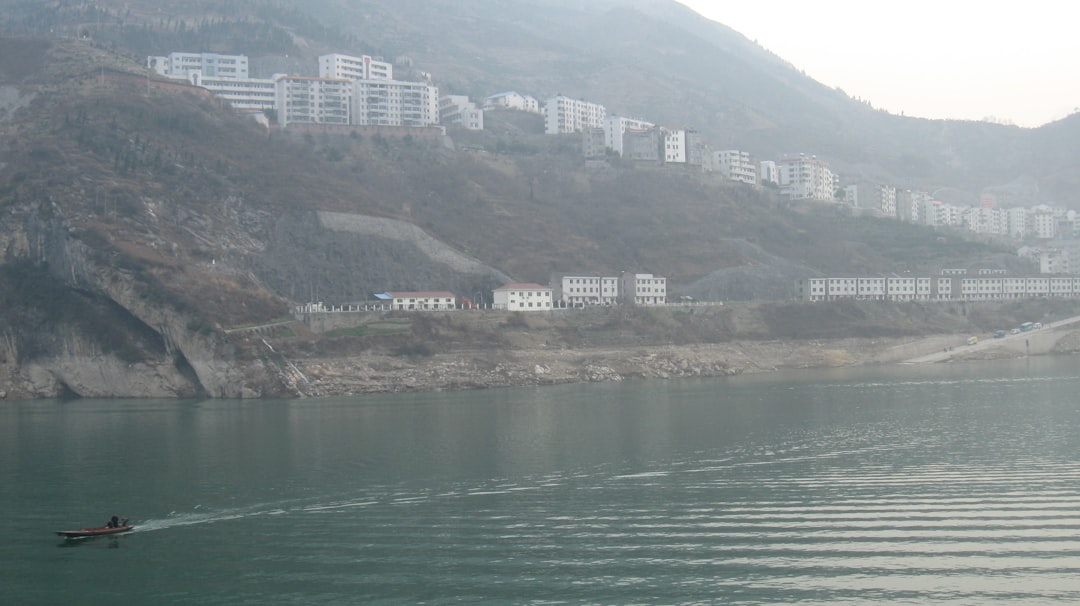
The Three Gorges Dam, located on the Yangtze River in Hubei province, China, stands as a monumental feat of engineering and a symbol of modern China’s ambitions. Spanning approximately 2,335 meters in length and 185 meters in height, it is the largest hydroelectric power station in the world in terms of installed capacity. The dam was conceived as a multi-functional project aimed at flood control, power generation, and improved navigation along the Yangtze River.
Its construction has not only transformed the landscape but has also had profound implications for the environment, economy, and society in the region. Since its inception in the early 1990s, the Three Gorges Dam has been a focal point of both admiration and criticism. Proponents herald it as a triumph of human ingenuity, while detractors raise concerns about its environmental and social consequences.
The dam’s construction has led to significant changes in the river’s ecosystem and has displaced millions of residents. As such, it serves as a case study in balancing development with environmental stewardship and social responsibility.
Key Takeaways
- The Three Gorges Dam is a massive hydroelectric project with significant engineering achievements.
- It generates substantial renewable energy, contributing greatly to China’s power supply.
- The dam has notable environmental and social impacts, including ecosystem disruption and displacement.
- Economic benefits include flood control, improved navigation, and regional development.
- Ongoing challenges involve maintenance, environmental concerns, and debates over future expansions.
Construction and Engineering of the Dam
The construction of the Three Gorges Dam began in 1994 and was completed in 2012, a process that spanned nearly two decades and involved thousands of workers. The engineering challenges were immense, requiring innovative solutions to manage the massive scale of the project. The dam’s design incorporates a series of sluice gates, spillways, and turbines that work together to regulate water flow and generate electricity.
The sheer volume of concrete used—over 27 million cubic meters—highlights the scale of this undertaking. One of the most remarkable aspects of the dam’s engineering is its ability to withstand natural disasters such as earthquakes and floods. The site was carefully selected based on geological surveys, and advanced technologies were employed to ensure structural integrity.
This combination of foresight and innovation has made the Three Gorges Dam a benchmark for future hydroelectric projects worldwide.
Environmental Impact of the Dam
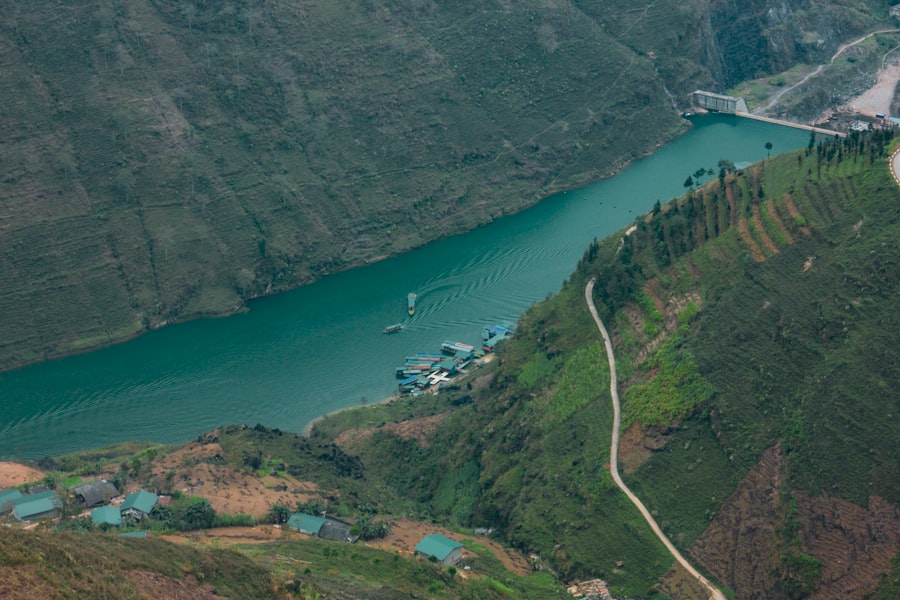
The environmental impact of the Three Gorges Dam has been a subject of intense debate since its construction. While it has provided significant benefits in terms of flood control and renewable energy generation, it has also led to substantial ecological changes in the Yangtze River basin. The dam has altered water flow patterns, affecting fish migration and spawning cycles.
Species that once thrived in the river have faced declining populations due to habitat loss and changes in water quality. Moreover, the creation of the reservoir behind the dam has submerged vast areas of land, including forests, farmland, and historical sites. This inundation has not only displaced local communities but has also disrupted local ecosystems.
The introduction of new species into the reservoir has further complicated the ecological balance, leading to concerns about biodiversity loss. Environmentalists argue that these changes could have long-term consequences for both the river’s health and the livelihoods of those who depend on it.
Power Generation Capacity of the Dam
| Dam Name | Location | Installed Capacity (MW) | Annual Generation (GWh) | Type of Turbine |
|---|---|---|---|---|
| Three Gorges Dam | China | 22,500 | 98,000 | Francis |
| Hoover Dam | USA | 2,080 | 4,000 | Francis |
| Itaipu Dam | Brazil/Paraguay | 14,000 | 98,600 | Francis |
| Grand Coulee Dam | USA | 6,809 | 21,000 | Francis |
| Guri Dam | Venezuela | 10,235 | 47,000 | Francis |
The Three Gorges Dam boasts an impressive power generation capacity of 22,500 megawatts, making it a cornerstone of China’s energy strategy. The facility consists of 32 main turbines and two smaller ones, each capable of generating substantial amounts of electricity. This capacity allows the dam to produce around 100 terawatt-hours of electricity annually, which is enough to power millions of homes and businesses across China.
The significance of this power generation extends beyond mere numbers; it plays a crucial role in reducing China’s reliance on fossil fuels. By harnessing the renewable energy potential of the Yangtze River, the dam contributes to national efforts aimed at reducing greenhouse gas emissions and combating climate change. As China continues to grapple with energy demands driven by rapid industrialization and urbanization, the Three Gorges Dam stands as a vital asset in its quest for sustainable energy solutions.
Benefits of the Three Gorges Dam
The benefits of the Three Gorges Dam are multifaceted, encompassing economic, social, and environmental dimensions. One of its primary advantages is flood control; by regulating water flow during heavy rainfall seasons, the dam has significantly reduced the risk of catastrophic flooding downstream. This protective measure has saved countless lives and safeguarded infrastructure in densely populated areas along the Yangtze River.
In addition to flood control, the dam has enhanced navigation along one of China’s most important waterways. By creating a deep-water channel, it allows larger vessels to traverse the river more easily, facilitating trade and commerce. This improvement in transportation infrastructure has stimulated economic growth in surrounding regions, providing new opportunities for businesses and communities alike.
Furthermore, the dam’s role in generating clean energy contributes to a more sustainable future for China, aligning with global efforts to transition towards renewable energy sources.
Challenges and Controversies Surrounding the Dam
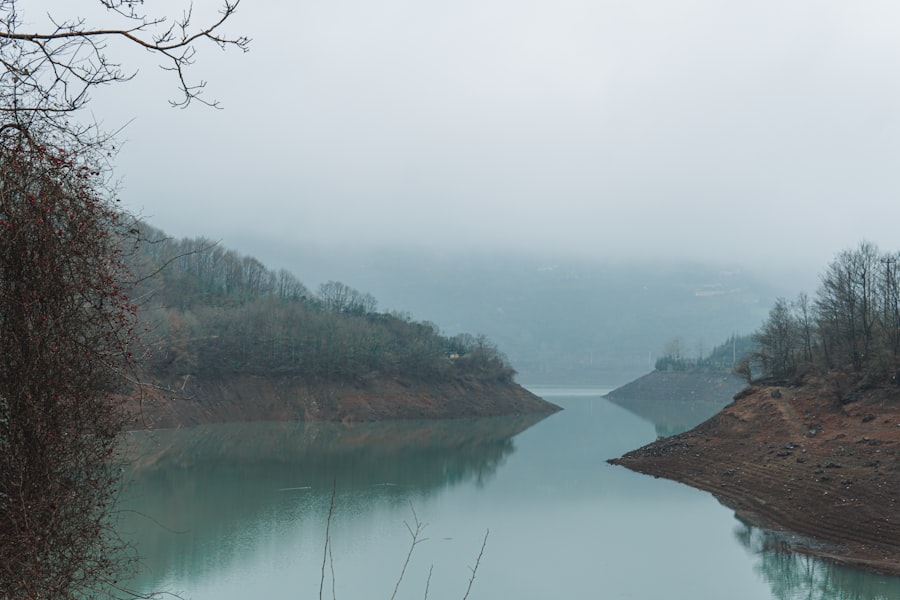
Despite its numerous benefits, the Three Gorges Dam has not been without its challenges and controversies. One major concern revolves around the displacement of millions of residents who were forced to leave their homes due to the dam’s construction. The social ramifications of this displacement have been profound, leading to loss of cultural heritage and community ties.
Many displaced individuals have struggled to adapt to new environments, facing economic hardships and social isolation. Additionally, environmentalists have raised alarms about the long-term ecological consequences of the dam. The alteration of natural habitats and disruption of local wildlife have sparked debates about biodiversity conservation in the region.
Critics argue that while the dam may provide immediate benefits, its long-term impact on ecosystems could be detrimental. These controversies highlight the complex interplay between development goals and environmental stewardship, prompting calls for more sustainable practices in future projects.
Management and Maintenance of the Dam
The management and maintenance of the Three Gorges Dam are critical to ensuring its continued functionality and safety. A dedicated team oversees operations, conducting regular inspections and maintenance activities to address wear and tear on infrastructure components. Given its size and complexity, effective management requires advanced monitoring systems that can detect potential issues before they escalate into serious problems.
Moreover, ongoing research is essential for understanding how environmental changes may affect the dam’s operations over time. This includes studying sedimentation patterns within the reservoir and assessing how climate change might influence water levels in the Yangtze River. By prioritizing proactive management strategies, authorities aim to extend the lifespan of this monumental structure while minimizing risks associated with its operation.
Economic Impact of the Dam
The economic impact of the Three Gorges Dam extends far beyond its immediate vicinity; it influences regional development patterns across China. By improving navigation along the Yangtze River, it has facilitated trade routes that connect inland provinces with coastal markets. This enhanced connectivity has spurred economic growth in areas that were previously isolated from major commercial centers.
Furthermore, the dam’s role as a renewable energy source contributes significantly to China’s energy security. As industries continue to expand, reliable access to electricity becomes increasingly vital for sustaining economic growth. The Three Gorges Dam not only meets these demands but also positions China as a leader in renewable energy production on a global scale.
This economic transformation underscores how large-scale infrastructure projects can reshape entire regions while addressing pressing energy needs.
Future Development and Expansion of the Dam
Looking ahead, discussions surrounding future development and expansion plans for the Three Gorges Dam are already underway. As technology advances and energy demands evolve, there may be opportunities to enhance its efficiency further or integrate new renewable energy sources into its operations. Innovations such as smart grid technology could optimize electricity distribution from the dam while minimizing waste.
By investing in sustainable practices and technologies, authorities can work towards balancing energy production with ecological preservation. The future development trajectory of the Three Gorges Dam will likely reflect broader trends in global energy policy as nations strive for cleaner alternatives.
Comparison with Other Hydroelectric Power Projects
When compared to other hydroelectric power projects worldwide, the Three Gorges Dam stands out not only for its size but also for its ambitious scope. Projects like Brazil’s Itaipu Dam or Canada’s Site C Dam offer valuable insights into different approaches to hydroelectric power generation; however, none match the scale or complexity of China’s undertaking on the Yangtze River. Each project presents unique challenges related to geography, environmental considerations, and social impacts.
While Itaipu is renowned for its efficiency and Site C is notable for its integration with local ecosystems, neither can rival the sheer output capacity or flood control capabilities offered by the Three Gorges Dam. This comparison highlights how diverse hydroelectric projects can be while underscoring China’s commitment to harnessing renewable energy at an unprecedented scale.
Conclusion and Outlook for the Three Gorges Dam
In conclusion, the Three Gorges Dam represents both an engineering marvel and a complex socio-environmental challenge. Its construction has brought about significant benefits in terms of flood control, power generation, and economic development; however, it has also raised pressing questions regarding environmental sustainability and social equity. As China continues to navigate these challenges, ongoing management efforts will be crucial for ensuring that this monumental structure serves future generations effectively.
Looking forward, there is potential for further advancements that could enhance both operational efficiency and ecological stewardship at the Three Gorges Dam. By embracing innovative technologies and prioritizing sustainable practices, authorities can work towards mitigating some of the adverse effects associated with large-scale hydroelectric projects while maximizing their benefits. Ultimately, how China addresses these challenges will shape not only the future of the Three Gorges Dam but also set precedents for similar projects around the world as nations strive for sustainable energy solutions amidst growing environmental concerns.
The Three Gorges Dam, renowned for its impressive power generation capacity, plays a crucial role in China’s energy landscape. For a deeper understanding of its impact and operational efficiency, you can read more in this related article on MyGeoQuest. This resource provides insights into the dam’s capacity, environmental considerations, and its significance in renewable energy production.
WATCH THIS! The $30 Billion Lie: Why China’s Three Gorges Dam Will Fail Sooner Than You Think
FAQs
What is the power generation capacity of the Three Gorges Dam?
The Three Gorges Dam has an installed power generation capacity of approximately 22,500 megawatts (MW), making it the largest hydroelectric power station in the world by capacity.
How many turbines does the Three Gorges Dam have?
The dam is equipped with 34 main turbines, each with a capacity of 700 MW, and 2 smaller generators of 50 MW each, totaling 36 generating units.
When did the Three Gorges Dam begin power generation?
The first generator of the Three Gorges Dam started producing electricity in 2003, and the entire project was completed with all turbines operational by 2012.
What type of power generation technology is used at the Three Gorges Dam?
The dam uses hydroelectric power generation technology, converting the kinetic energy of flowing water into electrical energy through turbines and generators.
How much electricity does the Three Gorges Dam produce annually?
The dam generates around 100 terawatt-hours (TWh) of electricity per year, supplying power to millions of homes and industries in China.
What is the significance of the Three Gorges Dam’s power generation capacity?
Its large capacity helps reduce reliance on fossil fuels, lowers greenhouse gas emissions, and supports China’s energy security and economic development.
Are there any environmental impacts related to the dam’s power generation?
While the dam produces clean energy, it has also caused ecological changes, including habitat disruption, sedimentation issues, and impacts on local wildlife and fisheries.
Can the Three Gorges Dam’s power generation capacity be increased in the future?
Currently, the dam operates near its maximum designed capacity, and significant increases would require major upgrades or additional infrastructure.