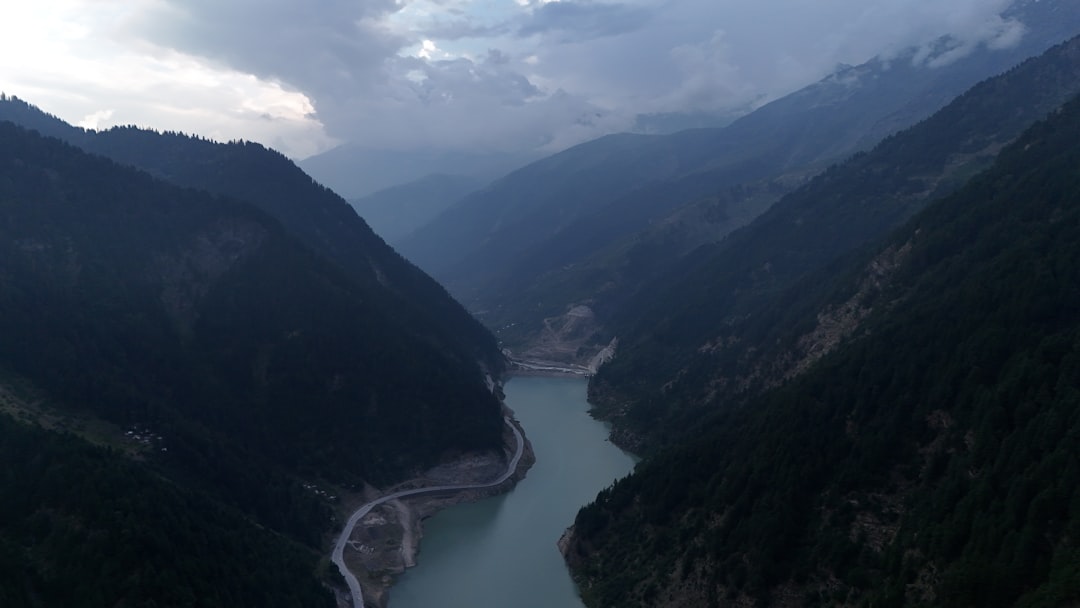
The Three Gorges Dam, located on the Yangtze River in Hubei province, China, stands as a monumental feat of engineering and a symbol of modern China’s ambitions. Completed in 2012, this colossal structure stretches over 2,300 meters in length and reaches a height of 185 meters, making it the largest hydroelectric power station in the world by installed capacity. The dam was constructed with multiple objectives in mind, including flood control, power generation, and improved navigation along the Yangtze River.
However, its construction has not been without controversy, as it has led to significant environmental and social changes in the region. The dam’s creation has transformed the landscape and the lives of millions of people. It submerged numerous towns and villages, displacing over a million residents and altering local ecosystems.
While the Three Gorges Dam has been lauded for its contributions to energy production and flood management, it has also sparked debates about the balance between development and environmental preservation. As global supply chains increasingly rely on efficient transportation routes and stable energy sources, understanding the dam’s impact becomes crucial for assessing its broader implications on international trade and commerce.
Key Takeaways
- The Three Gorges Dam significantly influences global supply chains by affecting shipping, manufacturing, energy, and agriculture sectors.
- Disruptions in transportation and shipping due to the dam impact timely delivery and production schedules worldwide.
- Energy supply and distribution changes caused by the dam create both challenges and opportunities for industries reliant on stable power sources.
- Environmental and social consequences of the dam affect agricultural outputs and food supply chains, necessitating adaptive strategies.
- Leveraging technology and diversifying supply chain sources are key strategies to mitigate disruptions and enhance future resilience.
The Three Gorges Dam’s impact on global supply chains
The Three Gorges Dam has had a profound effect on global supply chains, particularly in terms of shipping routes and energy availability. By enhancing navigation along the Yangtze River, the dam has facilitated the movement of goods between inland China and international markets. This improvement in transportation efficiency has allowed for quicker delivery times and reduced shipping costs, making Chinese products more competitive on the global stage.
As a result, businesses around the world have increasingly relied on Chinese manufacturing, further integrating China into the fabric of global trade. However, this reliance on a single point of infrastructure also poses risks. The dam’s operational stability is critical for maintaining the flow of goods, and any disruption can have cascading effects throughout supply chains.
For instance, fluctuations in water levels due to seasonal changes or maintenance activities can impact shipping schedules, leading to delays that ripple through various industries. Consequently, companies must remain vigilant about potential vulnerabilities associated with their dependence on the Three Gorges Dam and consider strategies to mitigate these risks.
Disruption to shipping and transportation
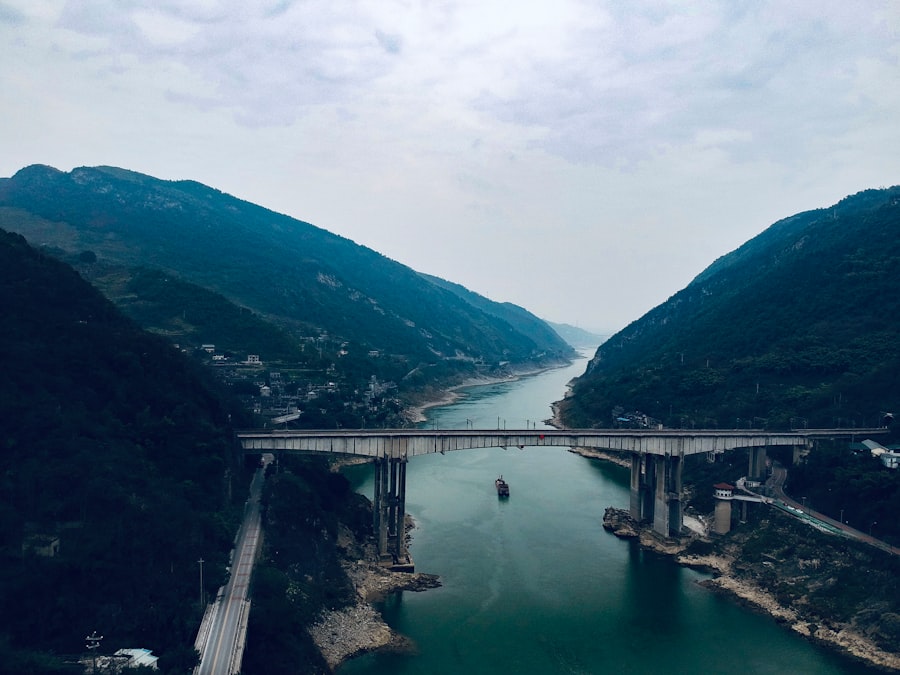
The Three Gorges Dam has significantly altered shipping dynamics along the Yangtze River, which serves as a vital artery for transporting goods within China and beyond. While the dam has improved navigability for larger vessels, it has also introduced new challenges that can disrupt shipping operations. For example, during periods of heavy rainfall or drought, water levels can fluctuate dramatically, affecting the ability of ships to navigate safely.
Such disruptions can lead to delays in deliveries and increased costs for businesses that rely on timely shipments. Moreover, the dam’s construction has necessitated changes in shipping routes and practices. As larger vessels are now able to traverse sections of the river that were previously inaccessible, companies must adapt their logistics strategies accordingly.
This shift can create bottlenecks at key ports or terminals that may not be equipped to handle increased traffic or larger ships. Consequently, businesses must invest in infrastructure improvements and logistical planning to ensure that they can effectively navigate these changes while minimizing disruptions to their supply chains.
Impacts on manufacturing and production
| Impact Area | Metric | Description | Example Value | Unit |
|---|---|---|---|---|
| Production Efficiency | Overall Equipment Effectiveness (OEE) | Measures the percentage of manufacturing time that is truly productive | 85 | % |
| Supply Chain Disruptions | Lead Time Variability | Variation in time taken for raw materials to arrive | 3 | Days |
| Labor Productivity | Units Produced per Labor Hour | Number of units produced per hour of labor | 120 | Units/Hour |
| Energy Consumption | Energy Use per Unit Produced | Amount of energy consumed to produce one unit | 15 | kWh/Unit |
| Waste Generation | Scrap Rate | Percentage of materials discarded during production | 4 | % |
| Quality Control | Defect Rate | Percentage of products failing quality standards | 2 | % |
| Automation Impact | Percentage of Automated Processes | Share of production processes automated | 60 | % |
| Downtime | Unplanned Downtime | Time lost due to unexpected equipment failure | 5 | Hours/Week |
The Three Gorges Dam has had a significant impact on manufacturing and production processes within China and across global supply chains. By providing a reliable source of hydroelectric power, the dam has enabled factories to operate more efficiently and at lower costs. This access to affordable energy has attracted both domestic and foreign investment in manufacturing sectors, leading to increased production capacity and output.
As a result, many industries have flourished, contributing to China’s status as a global manufacturing powerhouse. However, this growth is not without its challenges. The concentration of manufacturing in regions reliant on the Three Gorges Dam means that any disruption to its operations can have far-reaching consequences for production schedules.
For instance, if power generation is compromised due to maintenance or environmental factors, factories may face temporary shutdowns or reduced output. This vulnerability underscores the importance of diversifying energy sources and exploring alternative manufacturing locations to mitigate risks associated with reliance on a single infrastructure project.
Effects on energy supply and distribution
The Three Gorges Dam plays a pivotal role in China’s energy landscape by providing a substantial portion of the country’s electricity needs through hydroelectric power generation. This renewable energy source has helped reduce reliance on fossil fuels and lower greenhouse gas emissions, aligning with China’s broader goals for sustainable development. However, the dam’s impact on energy supply extends beyond its immediate contributions to electricity generation.
The distribution of energy generated by the Three Gorges Dam is also critical for ensuring that it reaches consumers and industries across China. The extensive network of transmission lines connected to the dam facilitates the transfer of electricity to urban centers and industrial hubs. However, this reliance on a centralized power source can create vulnerabilities in the energy supply chain.
Any disruptions caused by natural disasters or technical failures at the dam can lead to widespread power outages, affecting not only local communities but also industries that depend on consistent energy availability.
Challenges for agricultural and food supply chains
The agricultural sector has not been immune to the effects of the Three Gorges Dam. The alteration of water flow patterns along the Yangtze River has had significant implications for irrigation practices and crop yields in surrounding areas.
These shifts can impact agricultural productivity and food security for local populations. Furthermore, disruptions in transportation caused by fluctuations in water levels can hinder the movement of agricultural products from rural areas to urban markets. Farmers may struggle to get their goods to market in a timely manner, leading to spoilage and financial losses.
As global demand for food continues to rise, ensuring that agricultural supply chains remain resilient in the face of these challenges is essential for maintaining food security both domestically and internationally.
Environmental and social impacts on supply chains
The construction of the Three Gorges Dam has had profound environmental consequences that extend beyond its immediate vicinity. The flooding caused by the dam’s reservoir has submerged vast areas of land, displacing communities and disrupting local ecosystems. This loss of biodiversity can have cascading effects on supply chains that rely on natural resources, such as timber or fishery products.
As ecosystems are altered or destroyed, businesses may face challenges in sourcing sustainable materials or maintaining stable supplies. Socially, the dam’s construction has led to significant displacement of populations, with millions forced to relocate due to flooding. This upheaval can create social tensions and economic disparities as communities struggle to adapt to new environments and livelihoods.
The loss of cultural heritage sites further complicates these challenges, as communities grapple with the erosion of their historical identities. These social impacts can reverberate through supply chains as businesses face reputational risks associated with sourcing from regions affected by such upheaval.
Strategies for mitigating supply chain disruptions
To address the vulnerabilities associated with reliance on the Three Gorges Dam, businesses must adopt proactive strategies for mitigating supply chain disruptions. Diversification is one key approach; companies can explore alternative transportation routes or energy sources to reduce dependence on a single infrastructure project. By establishing relationships with multiple suppliers or logistics partners, businesses can create redundancy within their supply chains that enhances resilience.
Additionally, investing in infrastructure improvements is essential for adapting to changing conditions along the Yangtze River. Upgrading ports and terminals to accommodate larger vessels or implementing advanced logistics technologies can help streamline operations and minimize delays caused by fluctuations in water levels. Furthermore, companies should prioritize risk assessment and contingency planning to prepare for potential disruptions related to environmental factors or operational challenges at the dam.
The role of technology in addressing supply chain challenges
Technology plays a crucial role in addressing supply chain challenges exacerbated by the Three Gorges Dam’s impact. Advanced data analytics can provide businesses with real-time insights into shipping conditions along the Yangtze River, enabling them to make informed decisions about routing and logistics. Predictive modeling can help companies anticipate potential disruptions based on historical data and environmental factors, allowing them to proactively adjust their operations.
Moreover, automation and digitalization are transforming manufacturing processes by enhancing efficiency and reducing reliance on manual labor. Smart factories equipped with IoT devices can monitor energy consumption and optimize production schedules based on real-time data from energy sources like the Three Gorges Dam. By leveraging technology effectively, businesses can enhance their resilience against disruptions while improving overall productivity.
Opportunities for diversifying supply chain sources
The challenges posed by reliance on the Three Gorges Dam also present opportunities for diversifying supply chain sources. Companies can explore alternative manufacturing locations beyond China to reduce exposure to risks associated with a single infrastructure project. Countries in Southeast Asia or South America may offer competitive labor costs and favorable trade agreements that make them attractive alternatives for production.
Additionally, businesses can seek out local suppliers within regions less affected by disruptions related to the dam’s operations. By fostering relationships with diverse suppliers across different geographic areas, companies can create more resilient supply chains that are better equipped to withstand shocks caused by environmental factors or infrastructure failures.
The future of global supply chains in the wake of the Three Gorges Dam’s impact
As global supply chains continue to evolve in response to changing economic landscapes and environmental challenges, the impact of the Three Gorges Dam remains a critical consideration for businesses worldwide. While this monumental structure has facilitated growth in manufacturing and improved transportation efficiency along the Yangtze River, it has also introduced vulnerabilities that require careful management. Moving forward, companies must prioritize resilience by diversifying their supply chain sources, investing in technology-driven solutions, and adopting proactive risk management strategies.
By doing so, they can navigate the complexities introduced by infrastructure projects like the Three Gorges Dam while ensuring sustainable growth in an increasingly interconnected global economy. The future of global supply chains will depend not only on efficient logistics but also on adaptability in the face of environmental changes and social challenges stemming from such monumental undertakings.
The Three Gorges Dam, one of the largest infrastructure projects in the world, has significant implications for the global supply chain, particularly in terms of energy production and transportation logistics. For a deeper understanding of how such large-scale projects influence global trade dynamics, you can read more in this related article on MyGeoQuest: Global Supply Chain Impacts of Major Infrastructure Projects.
WATCH THIS! The $30 Billion Lie: Why China’s Three Gorges Dam Will Fail Sooner Than You Think
FAQs
What is the Three Gorges Dam?
The Three Gorges Dam is the world’s largest hydroelectric power station, located on the Yangtze River in China. It was completed in 2012 and serves multiple purposes including flood control, power generation, and improving river navigation.
How does the Three Gorges Dam affect the global supply chain?
The dam impacts the global supply chain primarily by enhancing China’s inland waterway transportation capacity. It allows larger cargo ships to navigate the Yangtze River, facilitating more efficient movement of goods from inland manufacturing hubs to coastal ports, which in turn supports global trade flows.
Does the Three Gorges Dam influence energy supply for manufacturing?
Yes, the dam generates a significant amount of renewable electricity, supplying power to numerous industries in China. This reliable energy source supports manufacturing operations that produce goods for both domestic consumption and export, thereby influencing the global supply chain.
Are there any environmental concerns related to the Three Gorges Dam that affect supply chains?
Environmental concerns include changes in river ecosystems, sedimentation, and potential impacts on agriculture and fisheries. These factors can indirectly affect supply chains by influencing regional economic activities and resource availability.
Has the Three Gorges Dam improved transportation efficiency in China?
Yes, by increasing the navigability of the Yangtze River, the dam has improved transportation efficiency. Larger vessels can transport goods more economically and with fewer delays, which benefits supply chain logistics within China and for international trade.
Can disruptions at the Three Gorges Dam impact global trade?
While the dam is a critical infrastructure asset, significant disruptions could affect river transport and power supply in the region. Such disruptions might lead to delays or increased costs in manufacturing and shipping, potentially impacting global supply chains that rely on Chinese exports.
How does the Three Gorges Dam compare to other infrastructure projects in terms of supply chain impact?
The Three Gorges Dam is unique due to its scale and multifunctionality, combining power generation with improved river navigation. Its impact on supply chains is substantial compared to many other infrastructure projects, as it supports both energy needs and transportation efficiency critical to global manufacturing and trade.