
China’s Three Gorges Dam stands as a monumental feat of engineering and a symbol of the country’s rapid modernization. Spanning the Yangtze River, this colossal structure is not only the largest hydroelectric dam in the world but also a significant player in China’s energy production and flood control strategies. With a length of over 2,300 meters and a height of 185 meters, the dam has the capacity to generate an impressive 22,500 megawatts of electricity, enough to power millions of homes.
However, its construction and operation have sparked intense debate regarding environmental sustainability, safety, and the socio-economic impacts on local communities. The dam’s sheer scale and ambition reflect China’s aspirations to harness its natural resources for economic growth. Yet, as the dam continues to operate, it raises critical questions about the balance between development and environmental stewardship.
The Three Gorges Dam is not merely an engineering marvel; it embodies the complexities of modern infrastructure projects that often come with unforeseen consequences. As the world watches, the dam serves as a case study in the challenges of large-scale water management and energy production.
Key Takeaways
- The Three Gorges Dam is China’s largest hydroelectric project with significant historical and engineering importance.
- Environmental and safety concerns have been raised due to its impact on ecosystems and potential structural flaws.
- There is ongoing debate about the risk of catastrophic failure and the adequacy of government responses.
- International communities have expressed concern over the dam’s safety and environmental consequences.
- Transparency and accountability are crucial for managing the dam’s future and guiding future infrastructure projects.
The Three Gorges Dam: A Brief History
The inception of the Three Gorges Dam can be traced back to the early 20th century when the idea was first proposed as a means to control flooding along the Yangtze River. However, it wasn’t until the late 20th century that serious plans began to take shape. In 1994, construction officially commenced under the auspices of the Chinese government, with the aim of generating hydroelectric power, improving navigation along the river, and mitigating flood risks.
The project was met with both enthusiasm and skepticism, as it promised significant benefits while also threatening to displace millions of residents and alter local ecosystems. Over nearly two decades, the dam was constructed in phases, culminating in its completion in 2012. The project involved an investment of approximately $30 billion and required the relocation of over a million people from their homes.
Despite these challenges, the dam was heralded as a triumph of modern engineering and a testament to China’s commitment to harnessing renewable energy sources. However, as it became operational, the dam’s implications began to unfold, revealing a complex tapestry of benefits and drawbacks that would shape discussions around water management for years to come.
Environmental Impact of the Three Gorges Dam
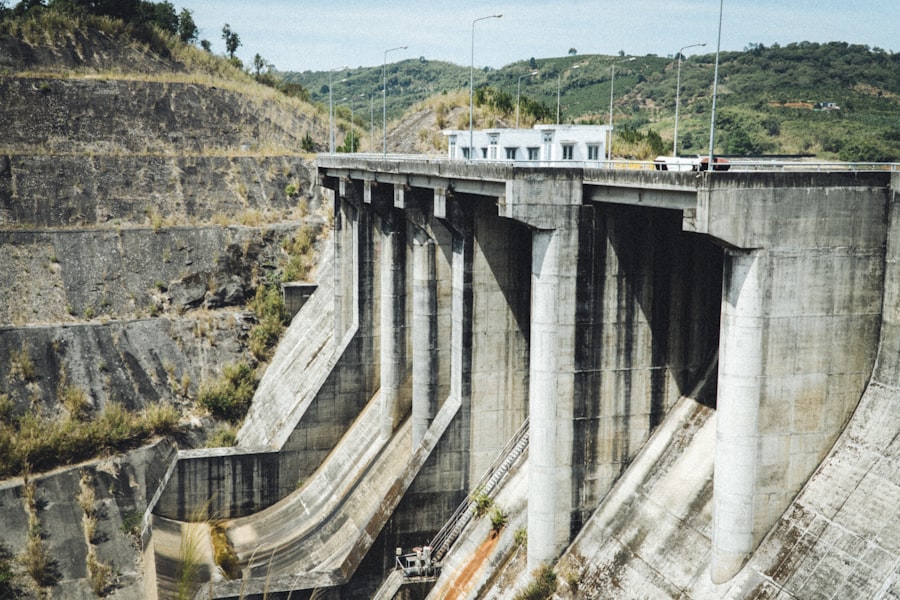
The environmental ramifications of the Three Gorges Dam are profound and multifaceted. One of the most significant impacts has been on local ecosystems, particularly aquatic life in the Yangtze River. The dam has altered natural water flow patterns, which has affected fish migration and spawning cycles.
Species such as the Yangtze sturgeon have faced severe population declines due to habitat disruption caused by the dam’s construction and operation. Additionally, sedimentation patterns have changed dramatically, leading to concerns about water quality and biodiversity in the region. Moreover, the dam has contributed to increased greenhouse gas emissions in some respects.
While hydroelectric power is often touted as a clean energy source, the flooding of vast areas for reservoir creation has led to the decomposition of organic matter, releasing methane—a potent greenhouse gas—into the atmosphere. This paradox highlights the complexities of relying on large-scale hydroelectric projects as a solution to climate change. As environmentalists continue to raise alarms about these issues, it becomes clear that the Three Gorges Dam serves as a cautionary tale about the unintended consequences of ambitious infrastructure projects.
Engineering Flaws and Safety Concerns
| Engineering Flaw | Description | Potential Safety Concern | Example Incident | Mitigation Strategy |
|---|---|---|---|---|
| Material Fatigue | Degradation of material strength due to repeated stress cycles | Structural failure leading to collapse or malfunction | Silver Bridge Collapse (1967) | Regular inspection and replacement of critical components |
| Design Oversight | Failure to account for all operational conditions in design | Unexpected failure under certain conditions | Challenger Space Shuttle Disaster (1986) | Comprehensive design reviews and simulations |
| Inadequate Redundancy | Lack of backup systems for critical functions | System failure causing accidents or loss of life | Air France Flight 447 (2009) | Implement multiple redundant systems and fail-safes |
| Poor Quality Control | Defects introduced during manufacturing or assembly | Component failure and safety hazards | Takata Airbag Recall | Strict quality assurance protocols and testing |
| Insufficient Testing | Inadequate validation of design under real-world conditions | Unanticipated failures during operation | Ford Pinto Fuel Tank Design Flaw | Extensive prototype testing and scenario analysis |
Despite its impressive design and construction, the Three Gorges Dam has not been without its engineering flaws and safety concerns. Critics have pointed out that certain aspects of its design may not adequately account for extreme weather events or seismic activity in a region known for its geological instability. The dam’s massive concrete structure is under constant pressure from both water levels and geological forces, raising questions about its long-term integrity.
These issues have prompted fears about potential failures that could have catastrophic consequences for millions living downstream. The Chinese government has invested heavily in monitoring systems and maintenance protocols; however, skepticism remains regarding whether these measures are sufficient to ensure safety in the face of natural disasters or human error.
The Potential for Catastrophic Failure
The specter of catastrophic failure looms large over the Three Gorges Dam, particularly given its scale and the number of lives it impacts. Experts have warned that if a significant structural failure were to occur—whether due to an earthquake, heavy rainfall, or other unforeseen circumstances—the consequences could be devastating. Millions of people live in close proximity to the dam, making any breach potentially catastrophic.
The potential for disaster is compounded by concerns about climate change, which is expected to increase the frequency and intensity of extreme weather events. As rainfall patterns shift and storms become more severe, the dam’s ability to manage water flow effectively may be compromised. This precarious situation underscores the need for rigorous safety assessments and contingency planning to mitigate risks associated with such a massive infrastructure project.
Government Response and Actions Taken
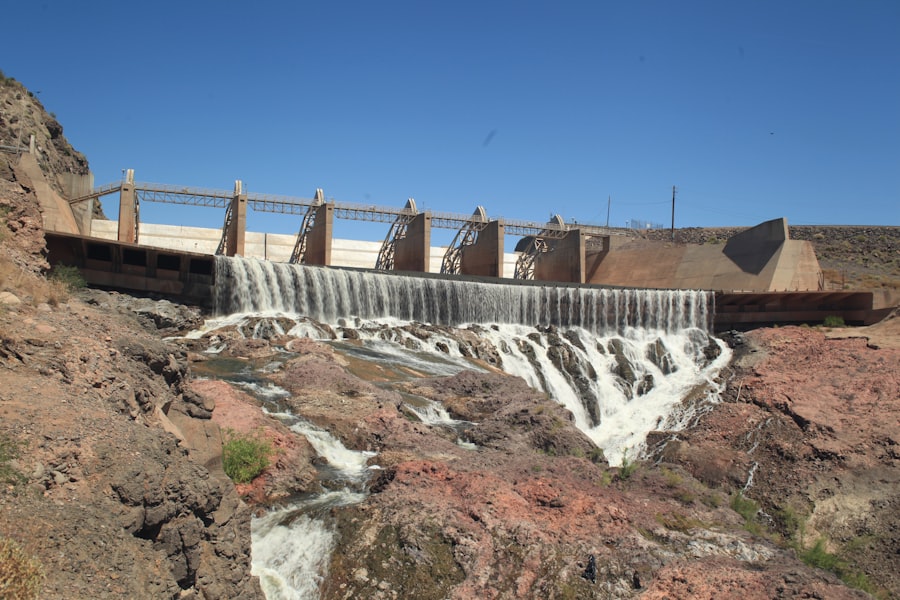
In response to growing concerns about safety and environmental impact, the Chinese government has taken several steps to address issues related to the Three Gorges Dam. Enhanced monitoring systems have been implemented to track structural integrity and water levels more effectively. Additionally, regular maintenance checks are conducted to identify potential weaknesses before they escalate into serious problems.
Furthermore, efforts have been made to engage with local communities affected by the dam’s construction and operation. While many residents were displaced during its construction, initiatives aimed at providing compensation and support have been introduced. However, critics argue that these measures often fall short of addressing long-term social and economic challenges faced by those impacted by the dam.
International Reactions and Concerns
The Three Gorges Dam has drawn international scrutiny from environmentalists, human rights advocates, and governments alike. Many observers have expressed concern over the environmental degradation associated with its operation, particularly regarding biodiversity loss in the Yangtze River ecosystem. Additionally, human rights organizations have criticized the displacement of communities without adequate compensation or support.
International reactions have also highlighted broader geopolitical implications. As China continues to expand its infrastructure projects globally, questions arise about how similar projects might impact local environments and communities elsewhere. The Three Gorges Dam serves as a focal point for discussions about responsible development practices and the need for transparency in large-scale projects.
The Future of the Three Gorges Dam
Looking ahead, the future of the Three Gorges Dam remains uncertain as it grapples with ongoing challenges related to safety, environmental sustainability, and social equity. As climate change continues to reshape weather patterns across China, adapting operational strategies will be crucial for ensuring that the dam can effectively manage water resources while minimizing negative impacts. Moreover, there is an increasing call for innovative solutions that prioritize both energy production and ecological preservation.
The lessons learned from the Three Gorges Dam could inform future infrastructure projects not only in China but also around the world as nations seek sustainable pathways toward energy independence.
Lessons Learned for Future Dam Projects
The experience surrounding the Three Gorges Dam offers valuable lessons for future dam projects globally. One key takeaway is the importance of comprehensive environmental assessments prior to construction. Understanding potential ecological impacts can help mitigate adverse effects on local ecosystems and biodiversity.
Additionally, engaging with affected communities throughout all stages of project development is essential for fostering trust and ensuring that their needs are met. Transparent communication regarding potential risks and benefits can help build public support while addressing concerns about displacement and social equity.
Implications for China’s Energy and Water Management
The Three Gorges Dam plays a pivotal role in China’s energy strategy by providing a significant portion of its electricity needs through renewable sources. However, it also highlights broader challenges related to water management in a country facing increasing demands on its water resources due to population growth and industrialization. As China continues to navigate these complexities, finding a balance between energy production and environmental sustainability will be crucial for long-term success.
The lessons learned from managing the Three Gorges Dam can inform policies aimed at optimizing water use while protecting vital ecosystems.
The Need for Transparency and Accountability
In conclusion, while China’s Three Gorges Dam stands as an engineering marvel with significant contributions to energy production and flood control, it also serves as a reminder of the complexities inherent in large-scale infrastructure projects. The environmental impacts, safety concerns, and social implications associated with its operation underscore the need for transparency and accountability in decision-making processes. As nations around the world grapple with similar challenges related to energy production and resource management, embracing lessons learned from projects like the Three Gorges Dam will be essential for fostering sustainable development practices that prioritize both human well-being and ecological health.
The future of such monumental undertakings hinges on a commitment to responsible stewardship that balances ambition with caution—a lesson that resonates far beyond China’s borders.
China’s largest dam, the Three Gorges Dam, has faced scrutiny over various engineering flaws that have raised concerns about its safety and environmental impact. For a deeper understanding of these issues, you can read a related article that discusses the implications of these engineering challenges in detail. Check it out here: My Geo Quest.
WATCH THIS! The $30 Billion Lie: Why China’s Three Gorges Dam Will Fail Sooner Than You Think
FAQs
What is the largest dam in China?
The largest dam in China is the Three Gorges Dam, located on the Yangtze River. It is the world’s largest hydroelectric power station by installed capacity.
What are some common engineering flaws found in large dams like those in China?
Common engineering flaws can include structural weaknesses, inadequate spillway capacity, poor foundation treatment, insufficient seismic design, and issues with sedimentation management.
Have any major engineering flaws been reported in China’s biggest dams?
While China’s dams are generally considered engineering marvels, some reports have highlighted concerns such as cracks, leakage, and potential risks related to seismic activity and sediment buildup, which require ongoing monitoring and maintenance.
What are the potential risks associated with engineering flaws in large dams?
Engineering flaws can lead to structural failure, flooding, environmental damage, loss of life, and disruption of water supply and power generation.
How does China address engineering challenges in dam construction?
China employs advanced engineering techniques, rigorous safety standards, continuous monitoring, and regular maintenance to address challenges and ensure the safety and functionality of its dams.
Are there any environmental concerns related to China’s large dams?
Yes, large dams can impact ecosystems, fish migration, sediment flow, and local communities. Environmental assessments and mitigation measures are part of the planning and operation processes.
What measures are taken to ensure the safety of dams in China?
Safety measures include regular inspections, structural health monitoring systems, emergency preparedness plans, and upgrades to meet evolving engineering standards.
Can engineering flaws in dams be completely eliminated?
While engineering flaws can be minimized through design, construction, and maintenance, it is challenging to eliminate all risks entirely. Continuous monitoring and improvements are essential for dam safety.